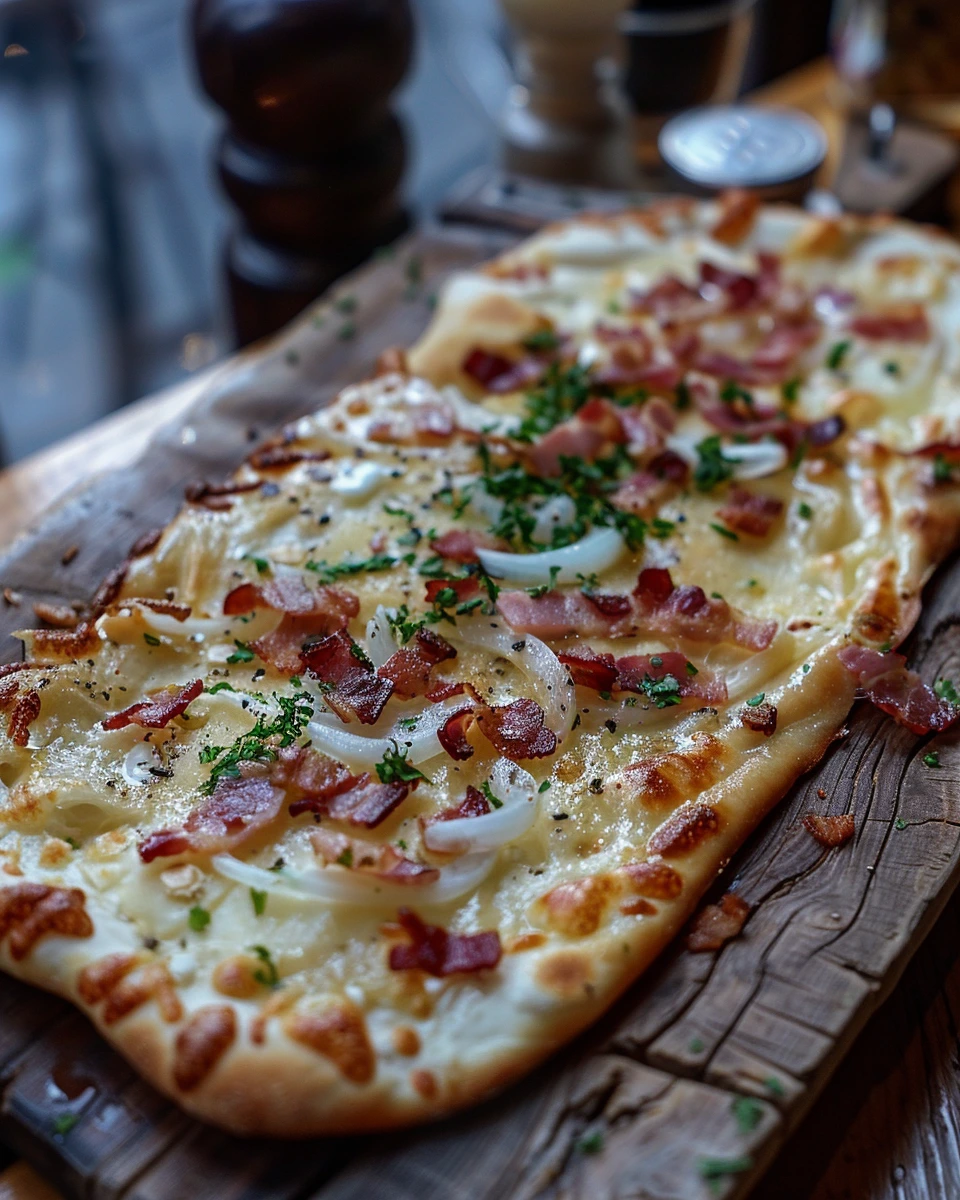
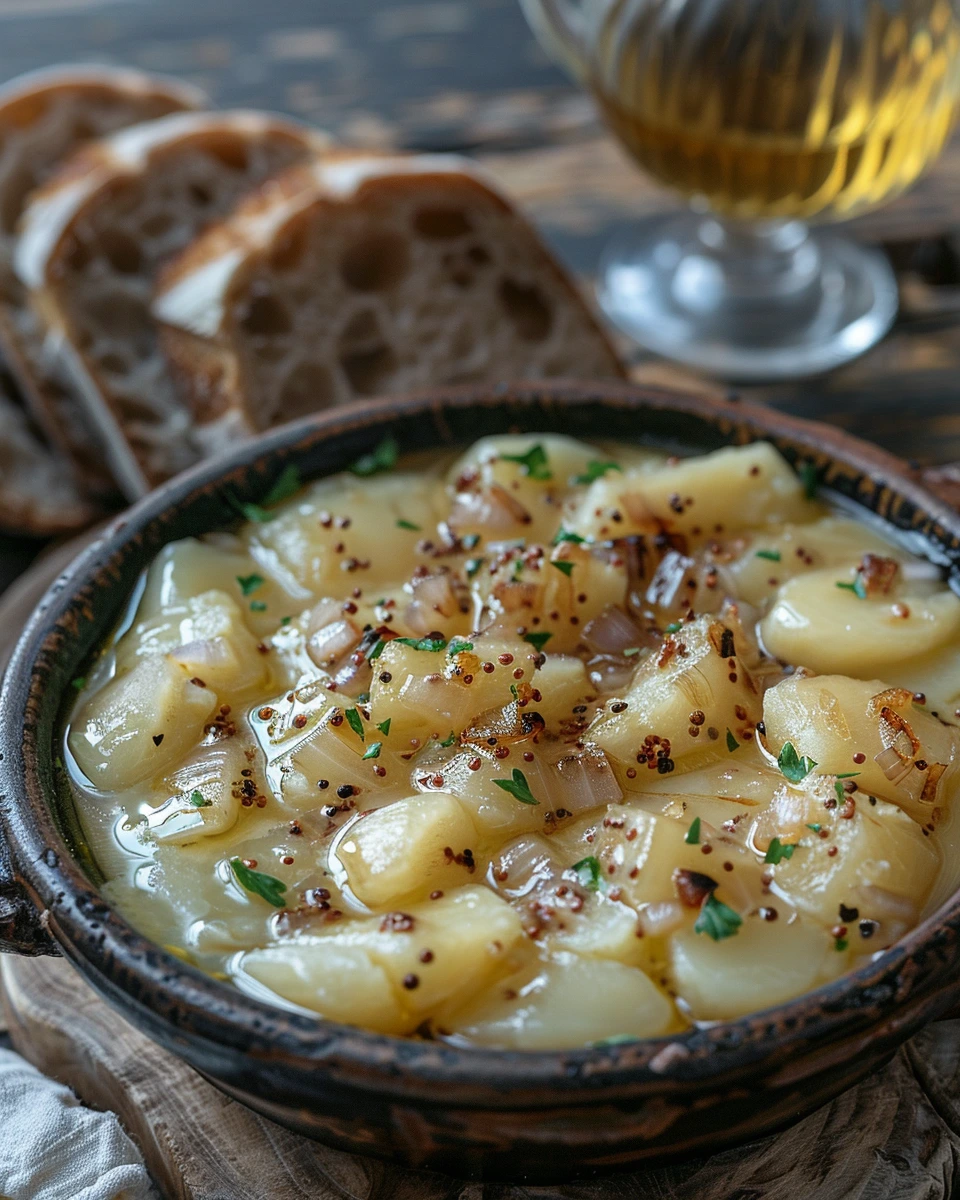
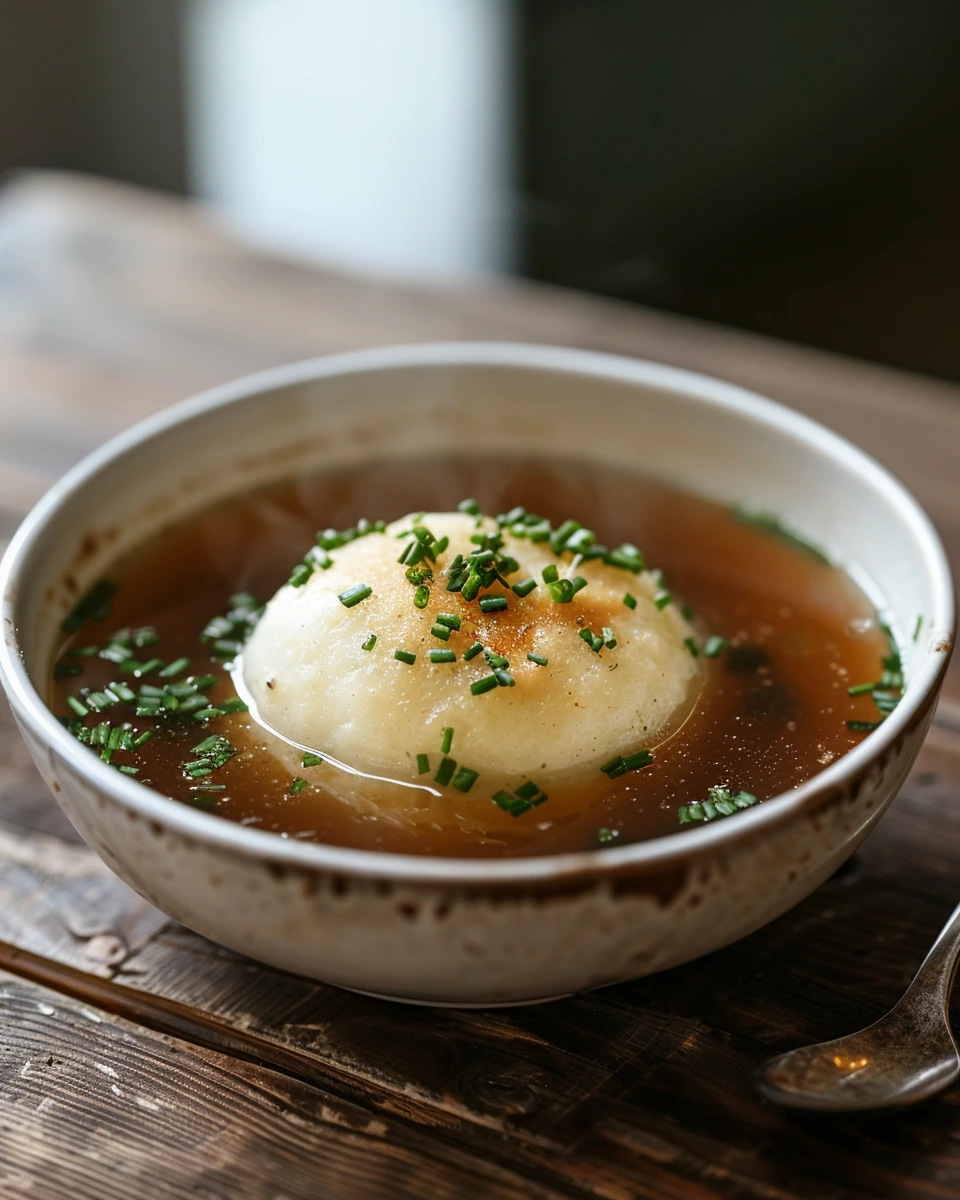
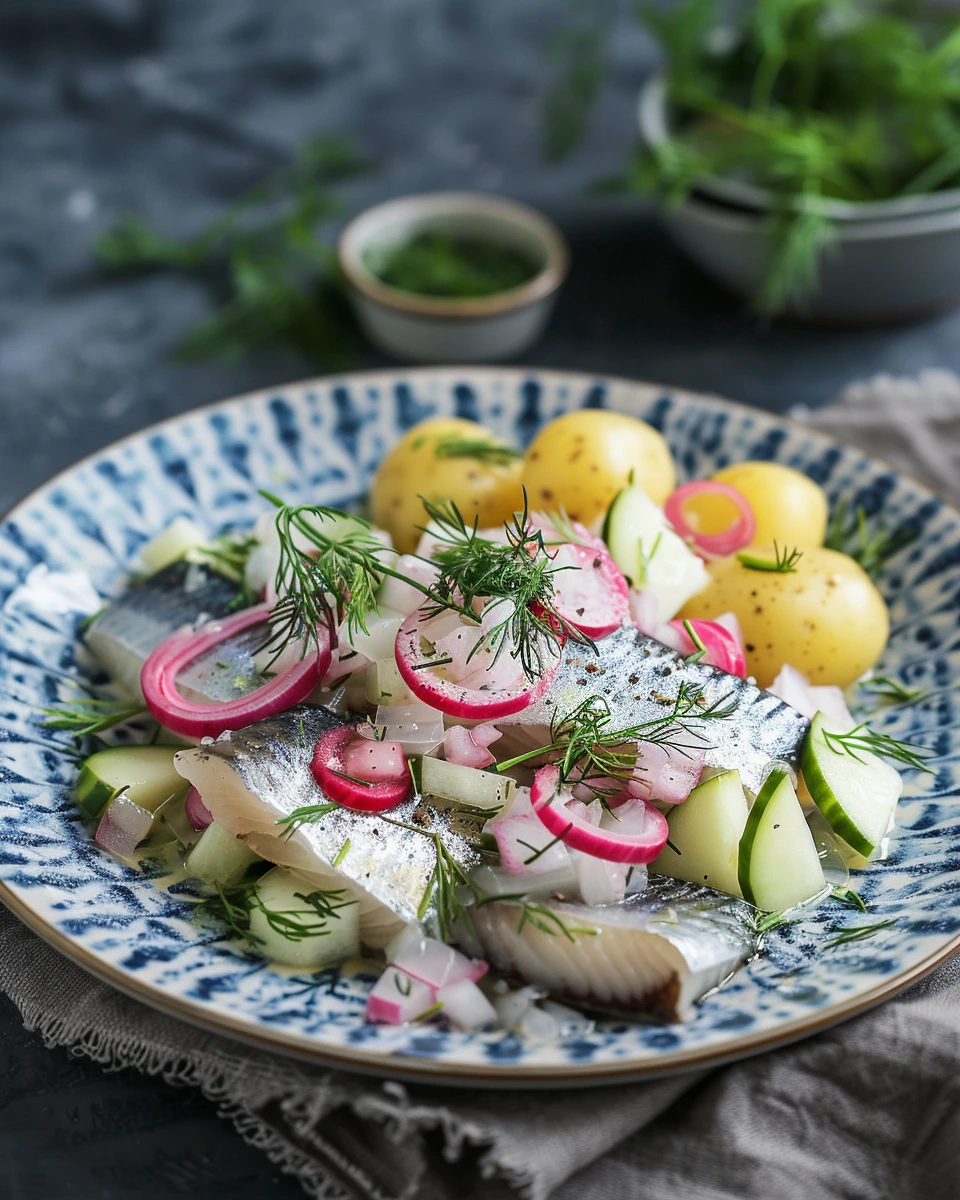
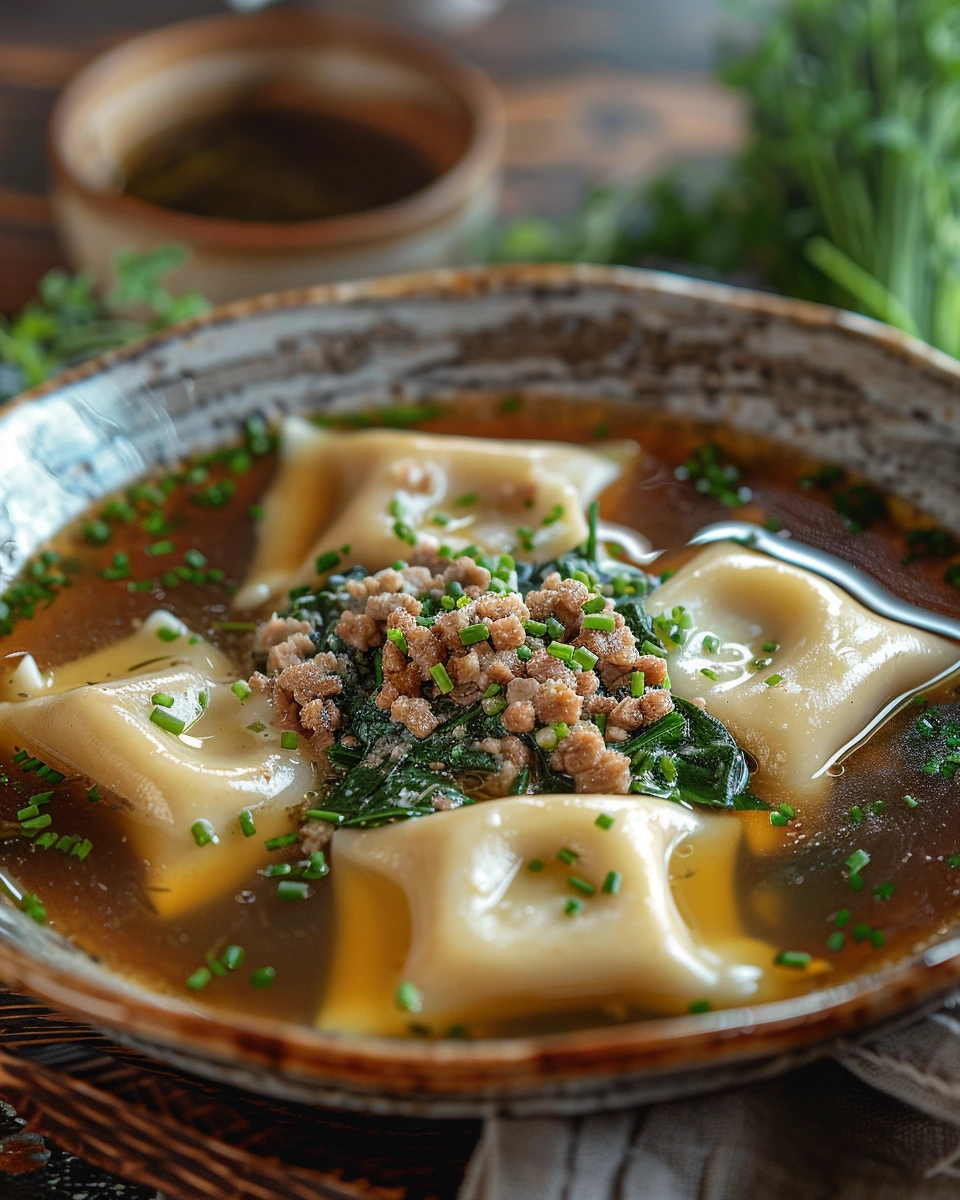
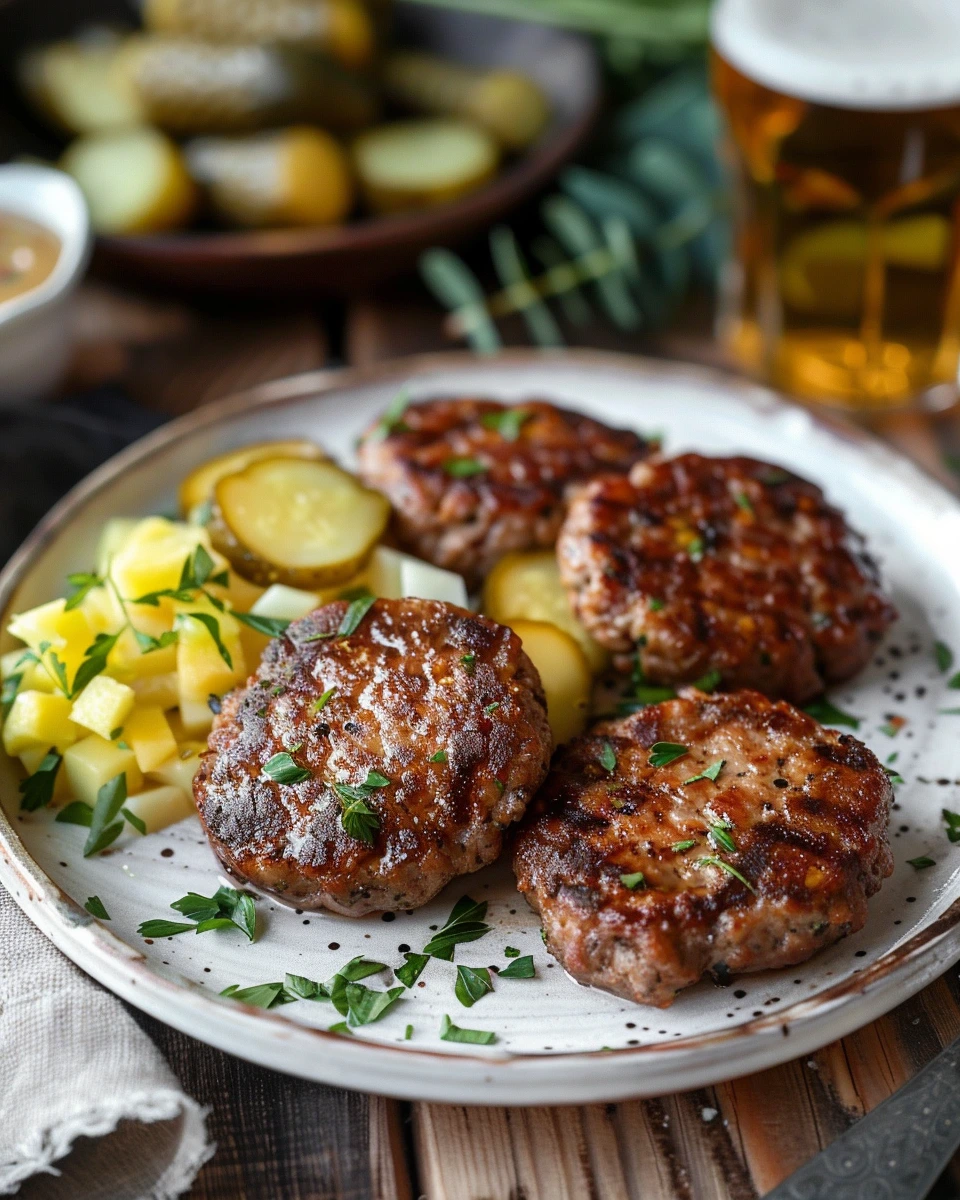
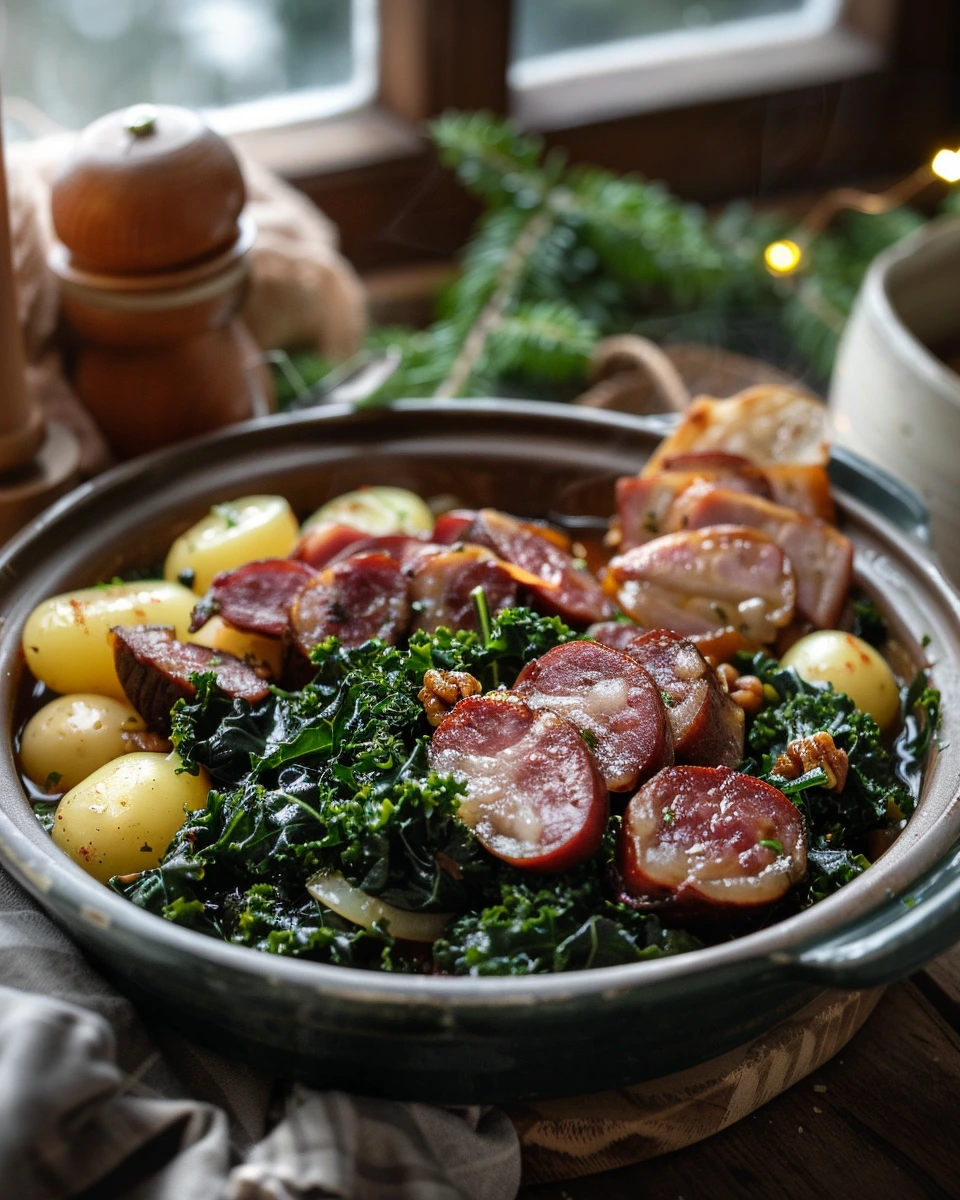
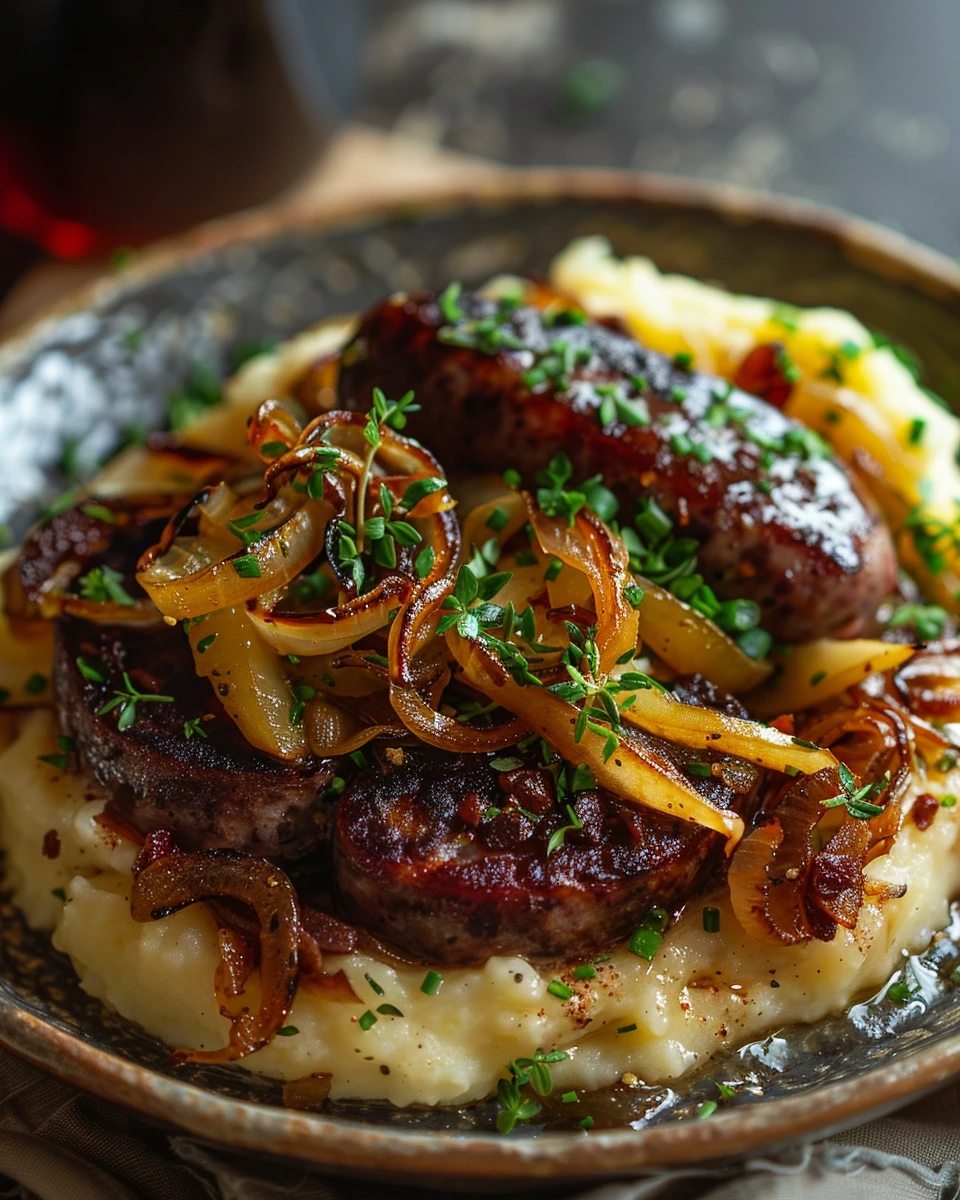
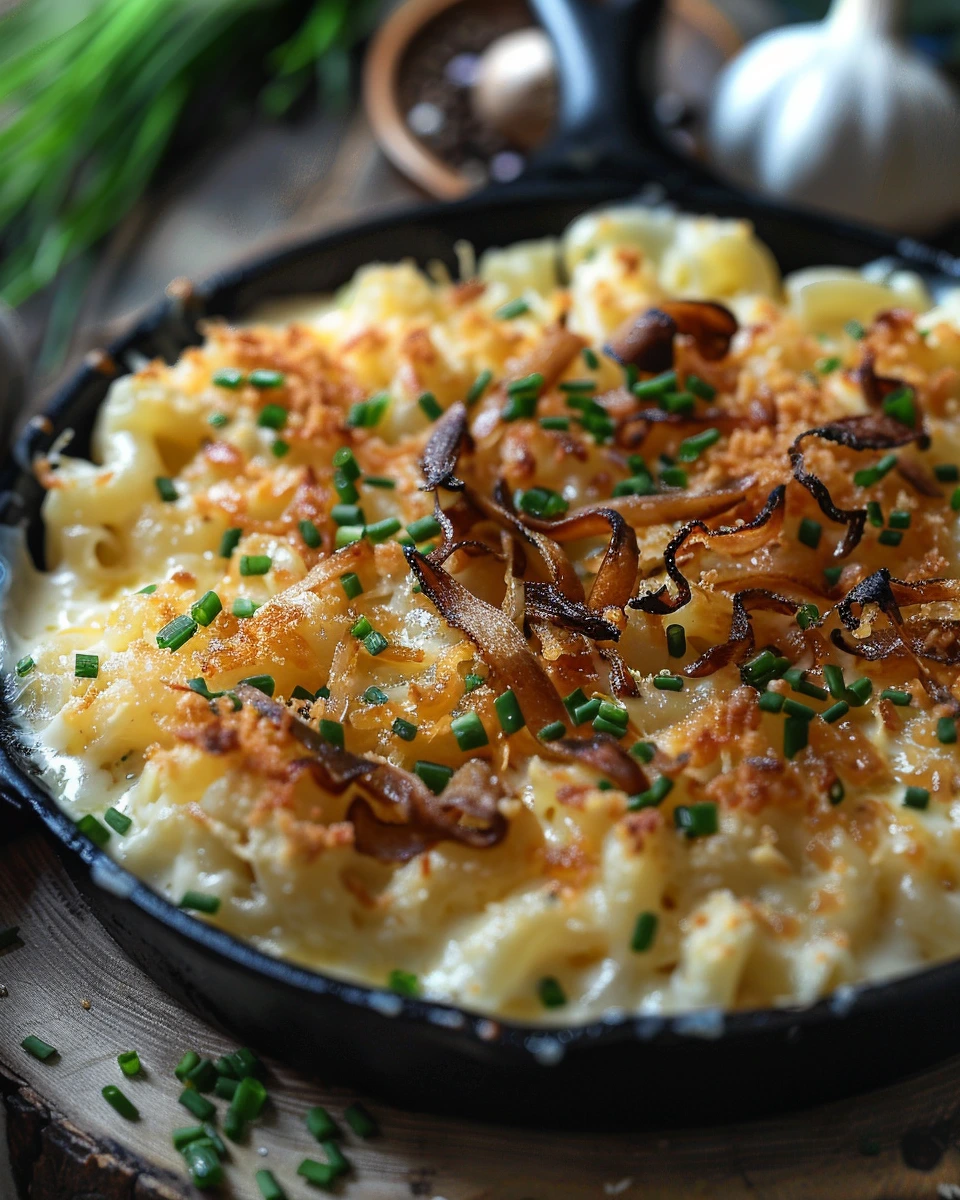
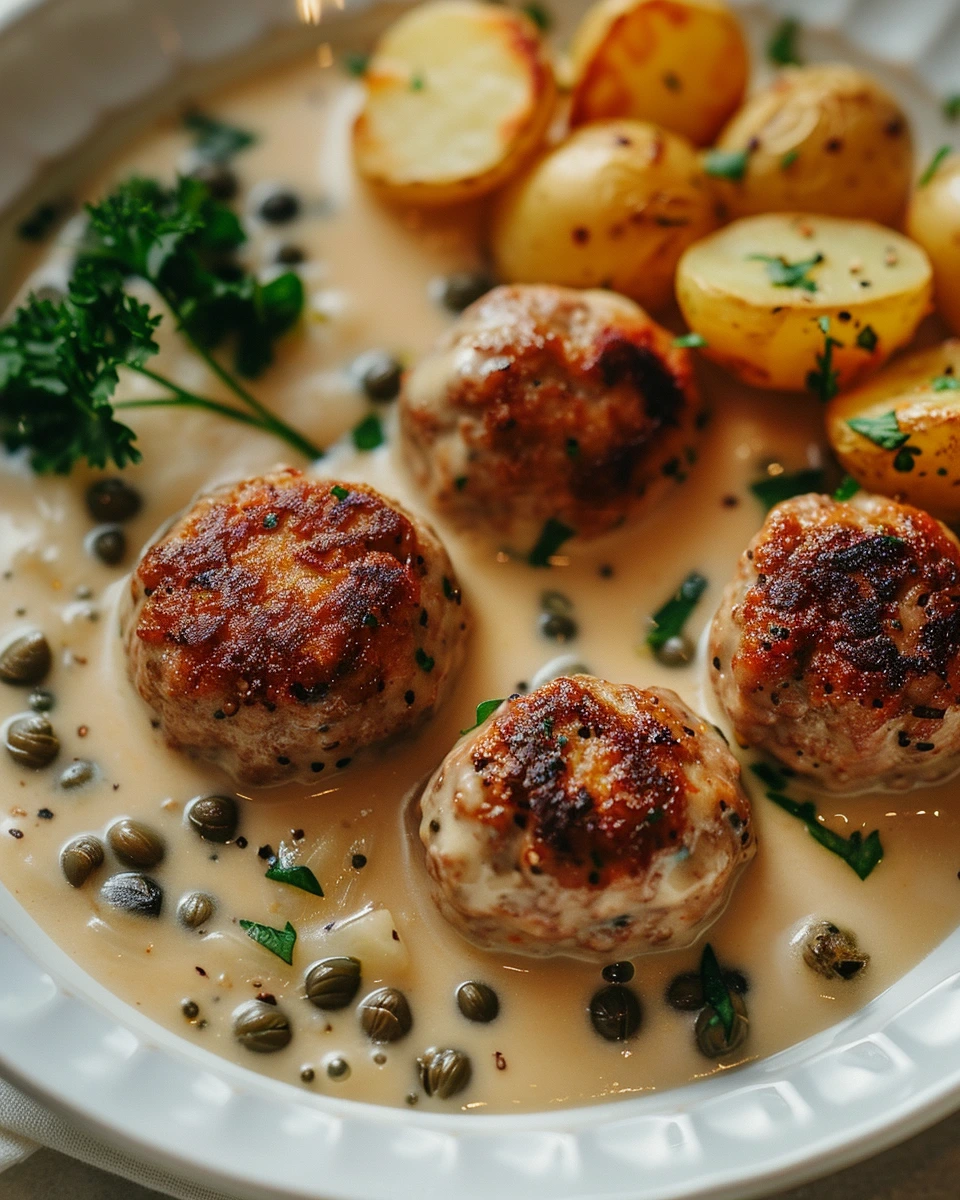
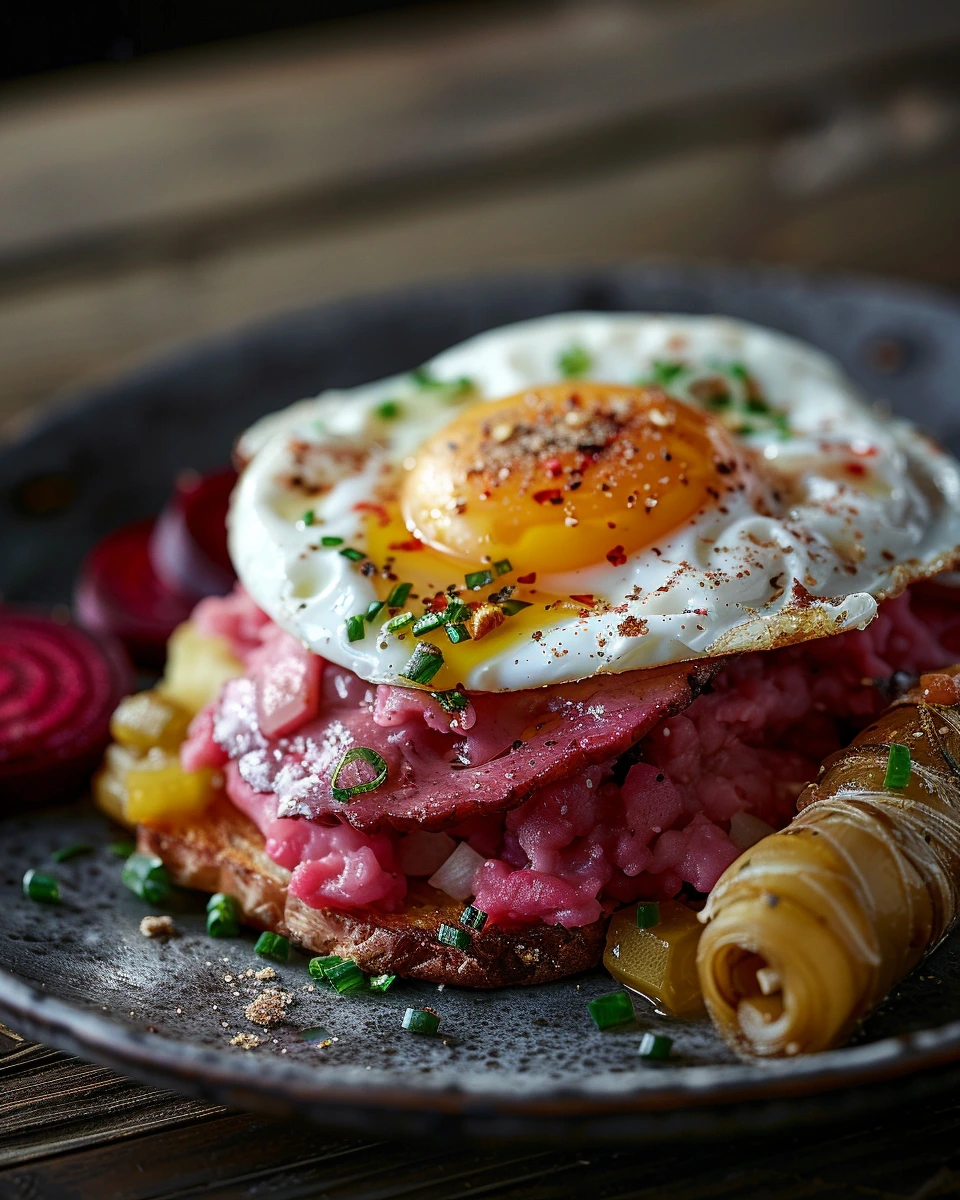
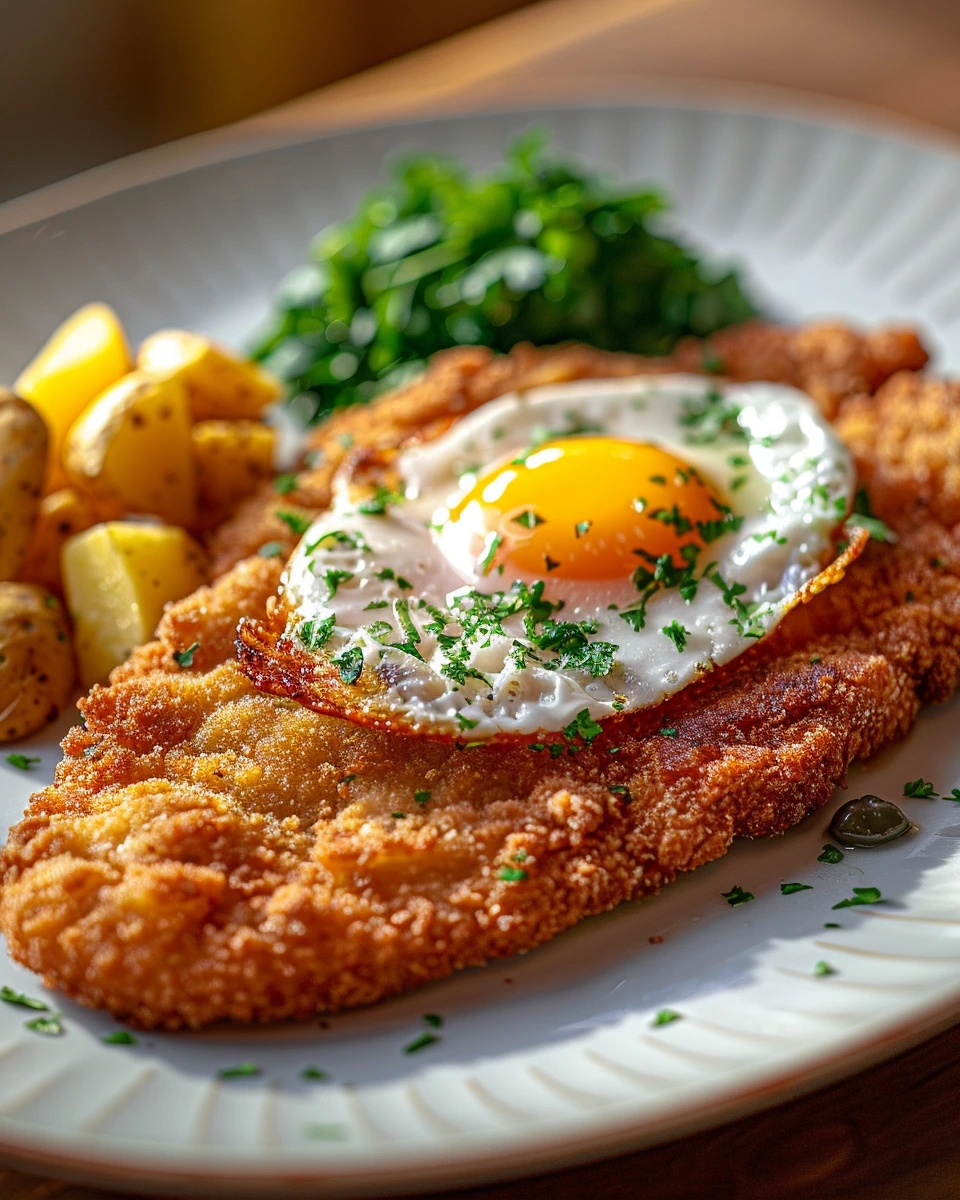
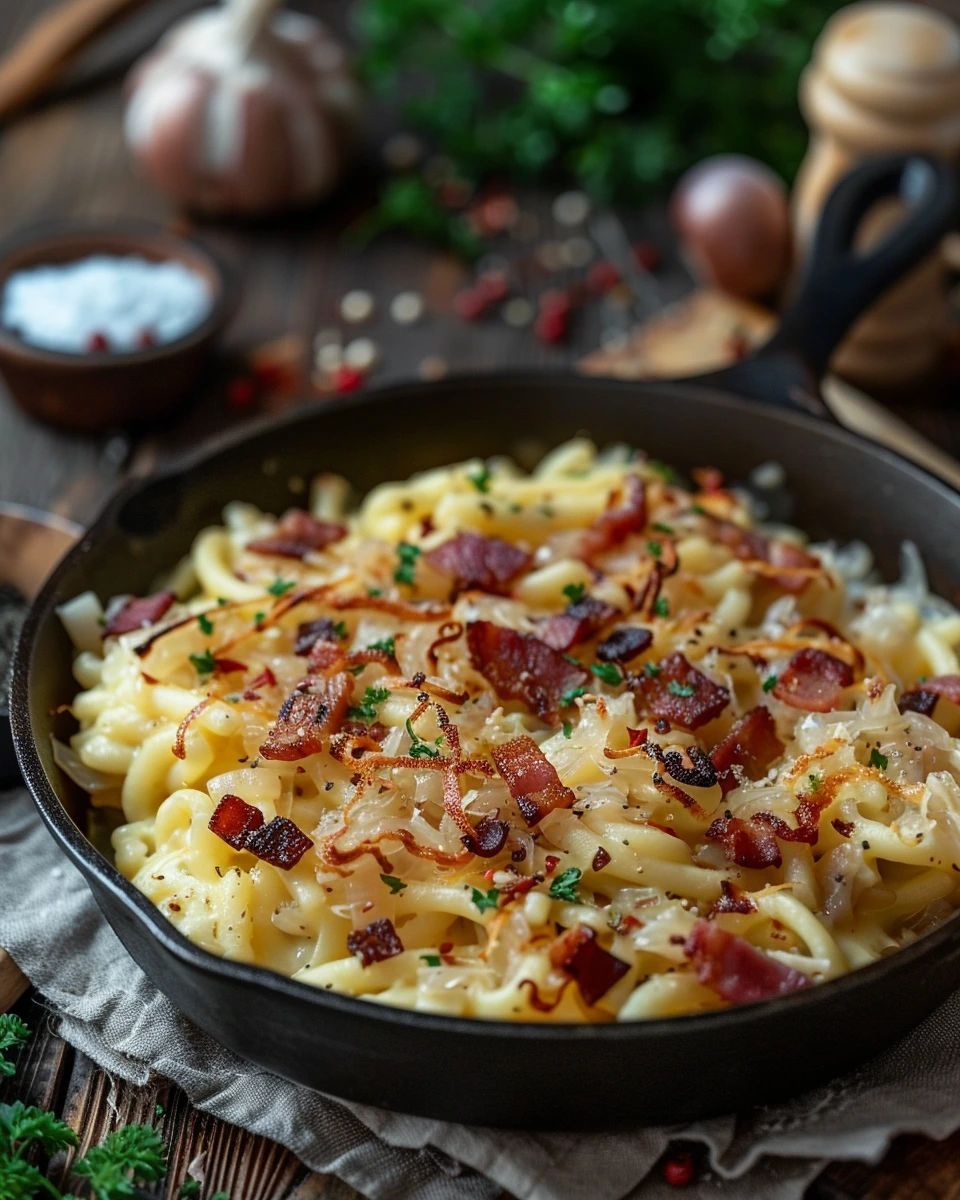
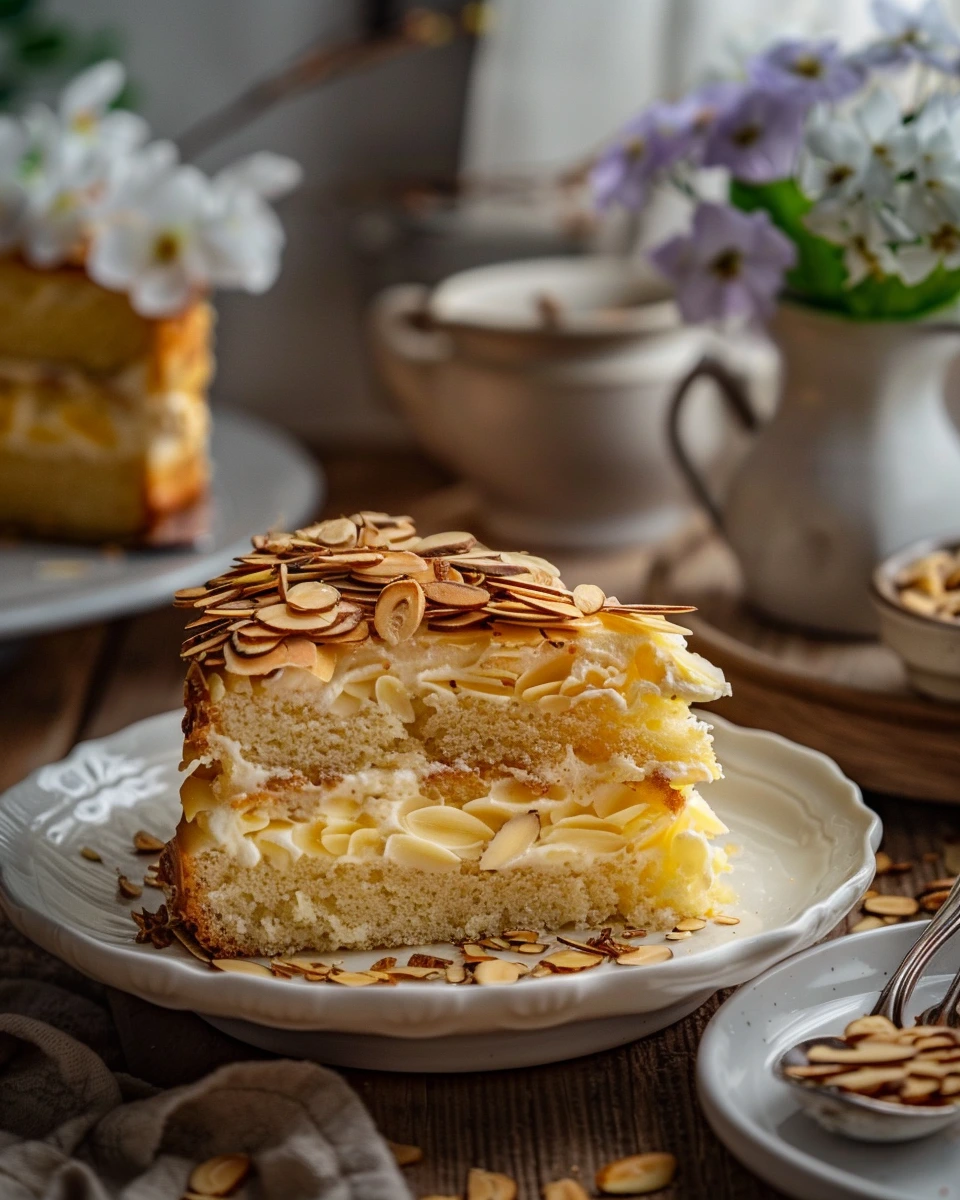
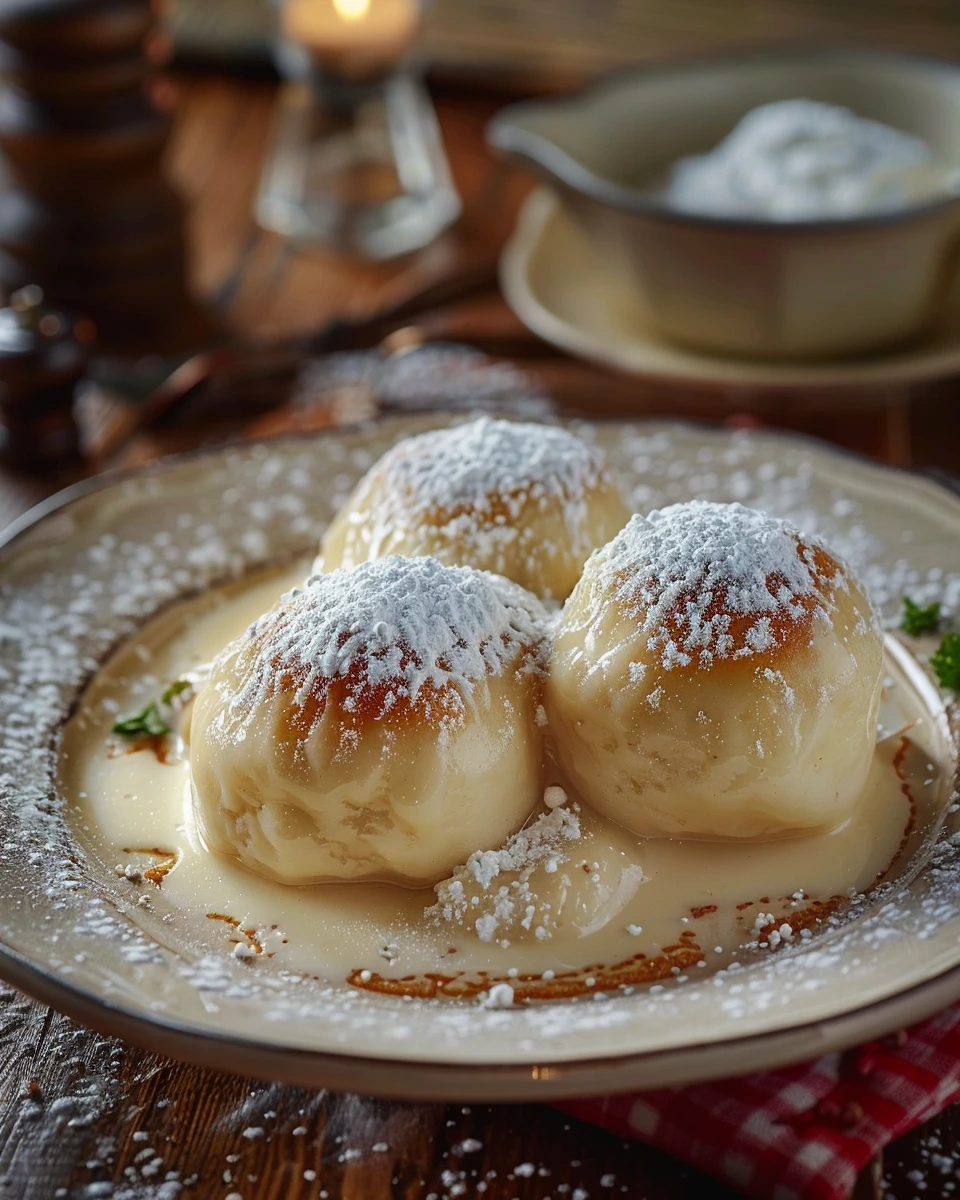
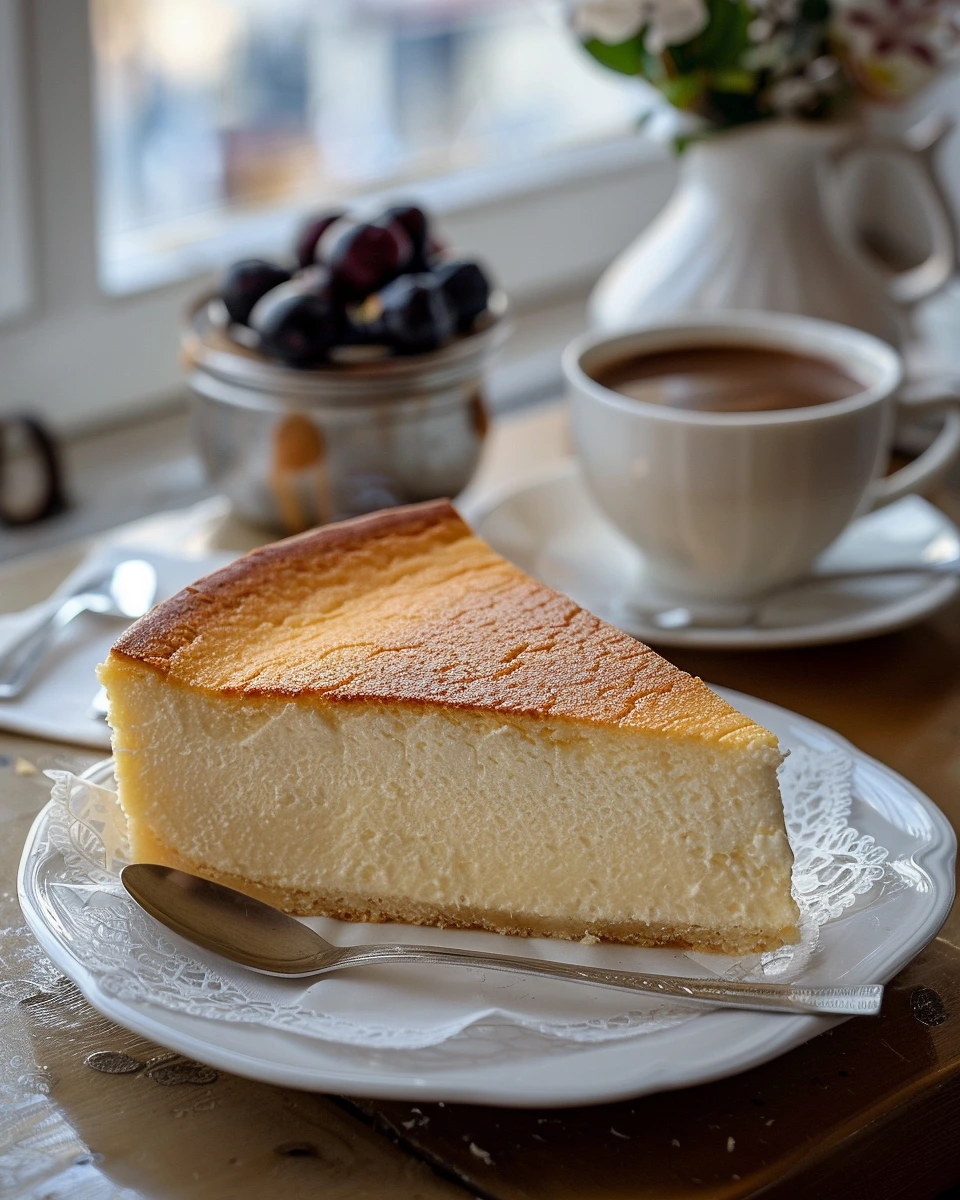
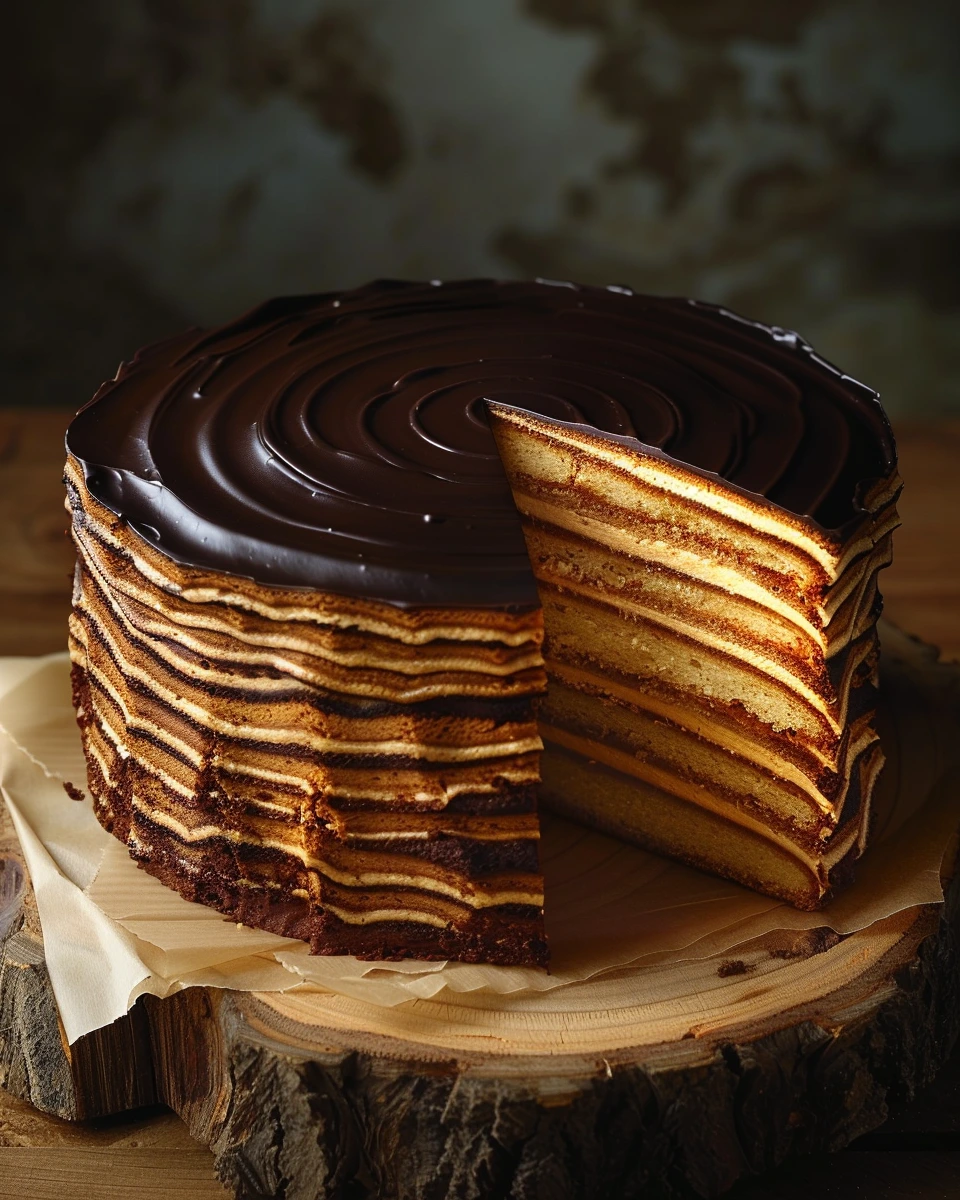
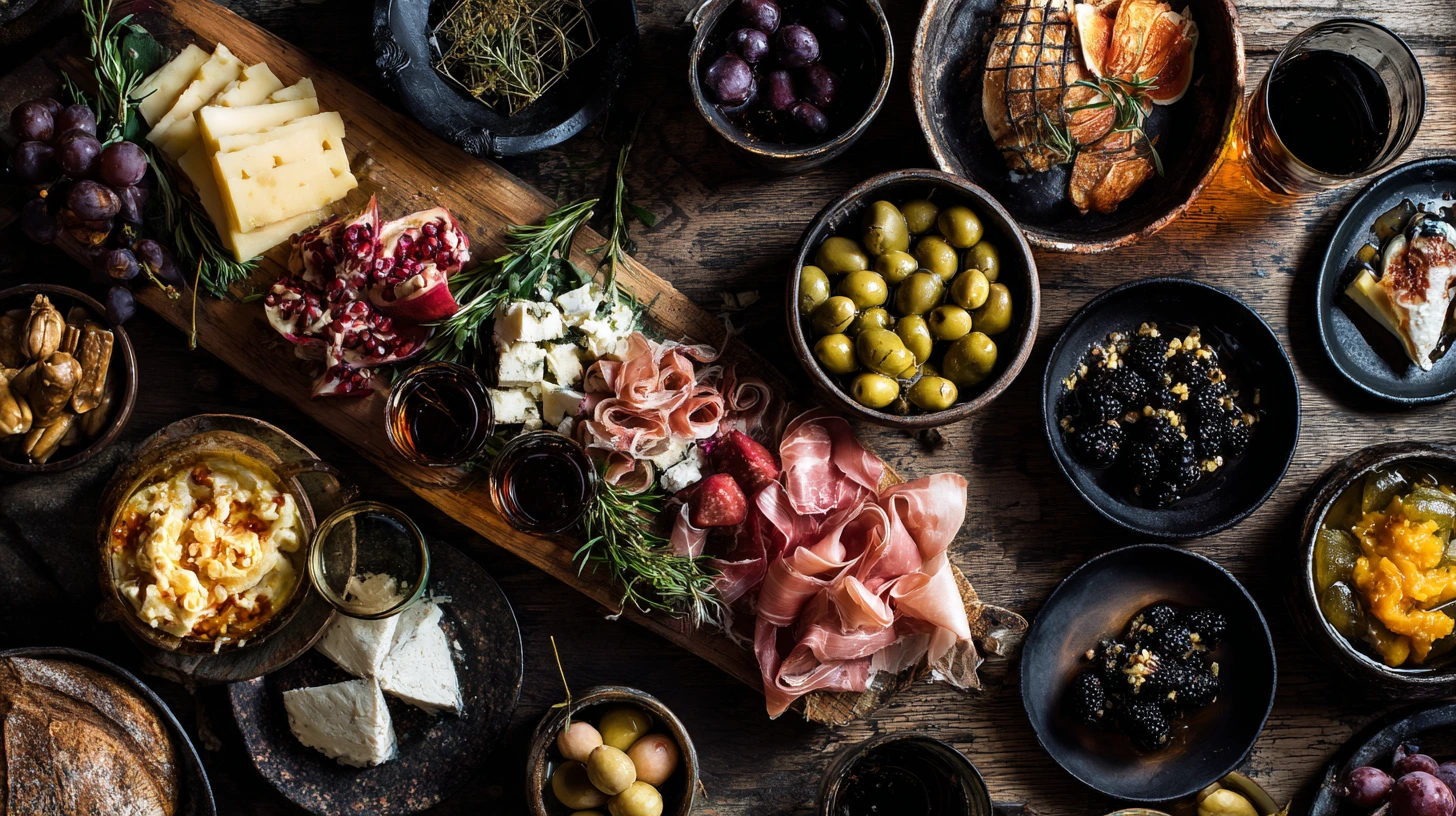
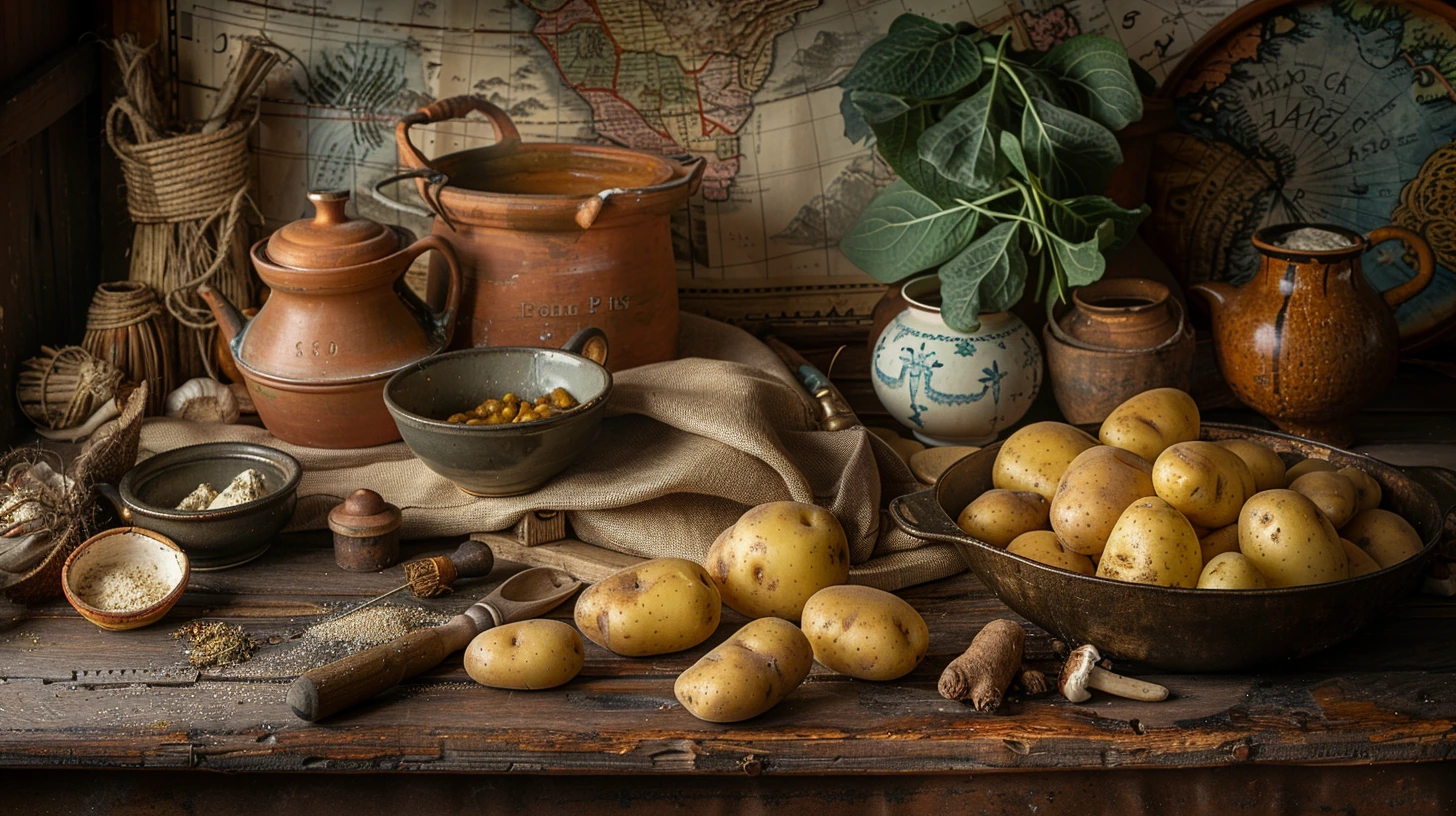
German food is a celebration of hearty flavours and rustic charm. Indulge in sizzling bratwurst, crispy schnitzels, and warm pretzels, accompanied by tangy sauerkraut and rich, comforting stews. Each dish embodies Germany’s warm hospitality and centuries-old traditions, inviting you to experience its culinary heritage one delicious bite at a time.
German cuisine grew from a patchwork of former kingdoms, principalities and trading cities rather than a single unified food tradition. Climate, agriculture and preservation shaped a culture of breads, sausages, cured meats, cabbage, potatoes and beer, while each region kept its own specialities.
Why it is famous
Ask what German food is famous for and the conversation quickly reaches sausages, schnitzel, pretzels, sauerkraut, roast pork, potato dishes, rye bread, cakes and beer-hall food. Those headline dishes are only the entry point: the more interesting story is how they connect to ordinary meals, local celebrations and regional cooking.
Regional food story
Bavaria is associated with weisswurst, pretzels and pork; Swabia with spätzle and maultaschen; the Rhineland with sweet-sour meat dishes; northern Germany with fish and maritime cooking; Saxony and Thuringia have distinctive baking and sausage traditions.
Cook by course
German recipes
Start with a starter, choose a main, then finish with a dessert to build a complete country-inspired menu.
For German recipes, start with the ingredients that carry the cuisine: staple grains or breads, fresh produce, herbs or spices, good-quality fats, regional dairy or proteins, and any preserved ingredients that give the food its identity.