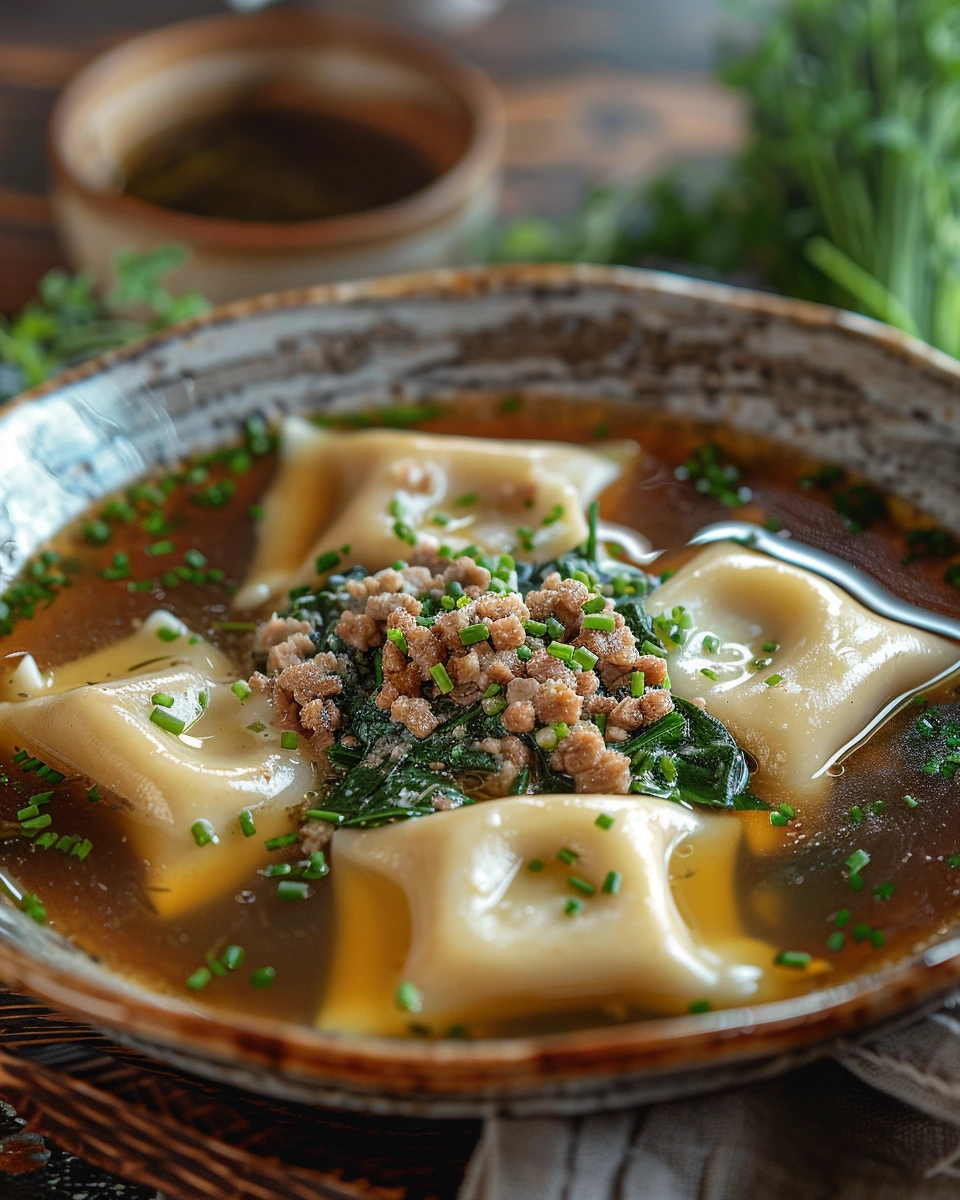
Maultaschen in Brühe: the story on the plate
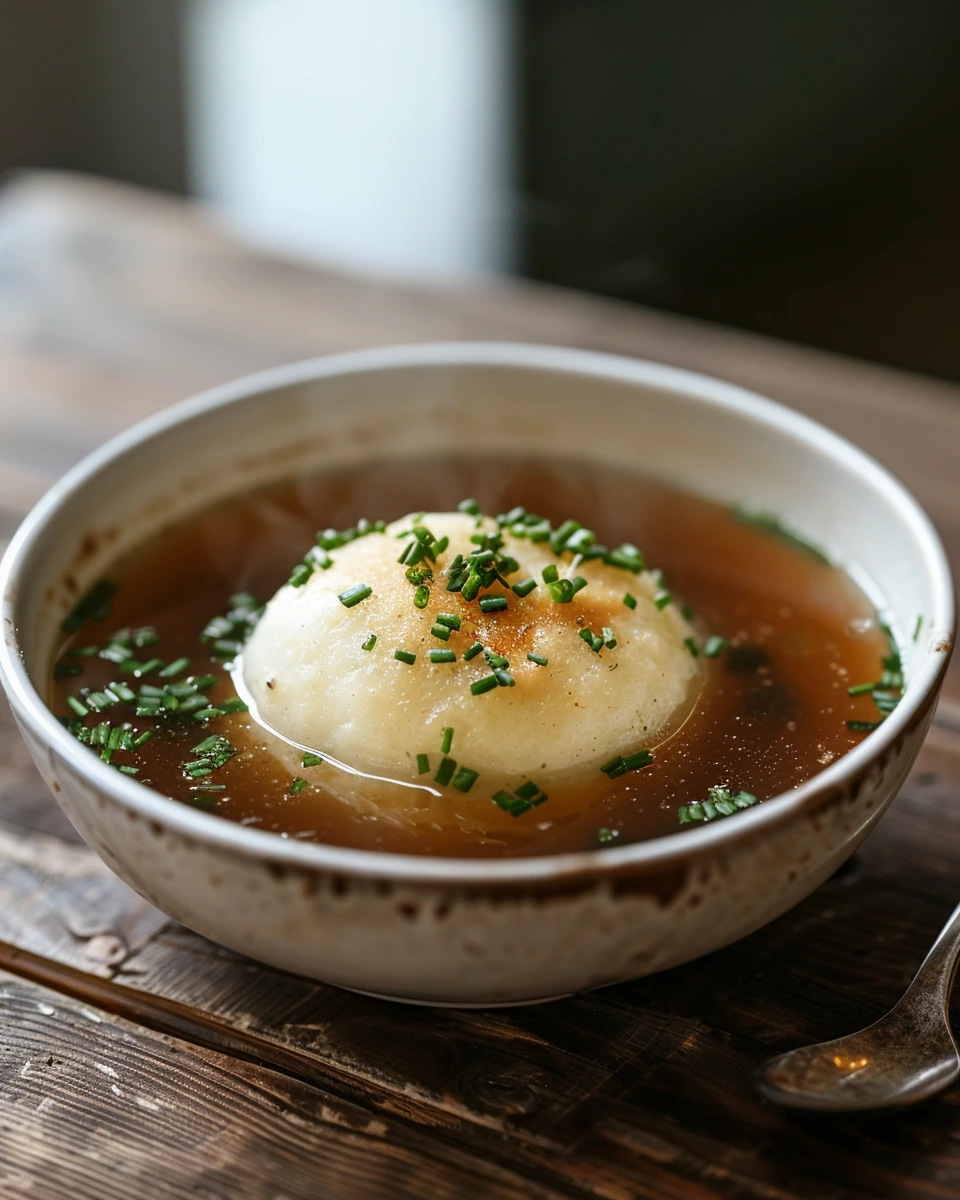
Maultaschen are associated with Swabia and with monastery legends claiming meat was hidden inside pasta during Lent, leading to the nickname Herrgottsbescheißerle. Whatever the tale, they reflect frugal cooking that combines meat with bread and greens. They are larger and more substantial than many ravioli, with a soft pasta wrapper and finely seasoned filling. Clear broth keeps the focus on the parcels. Maultaschen are traditional around Maundy Thursday and Easter but are eaten year-round, boiled, fried with onions or sliced into egg.
Historical background
Maultaschen are associated with Swabia and with monastery legends claiming meat was hidden inside pasta during Lent, leading to the nickname Herrgottsbescheißerle. Whatever the tale, they reflect frugal cooking that combines meat with bread and greens.
Why it is famous
They are larger and more substantial than many ravioli, with a soft pasta wrapper and finely seasoned filling. Clear broth keeps the focus on the parcels.
Cultural significance
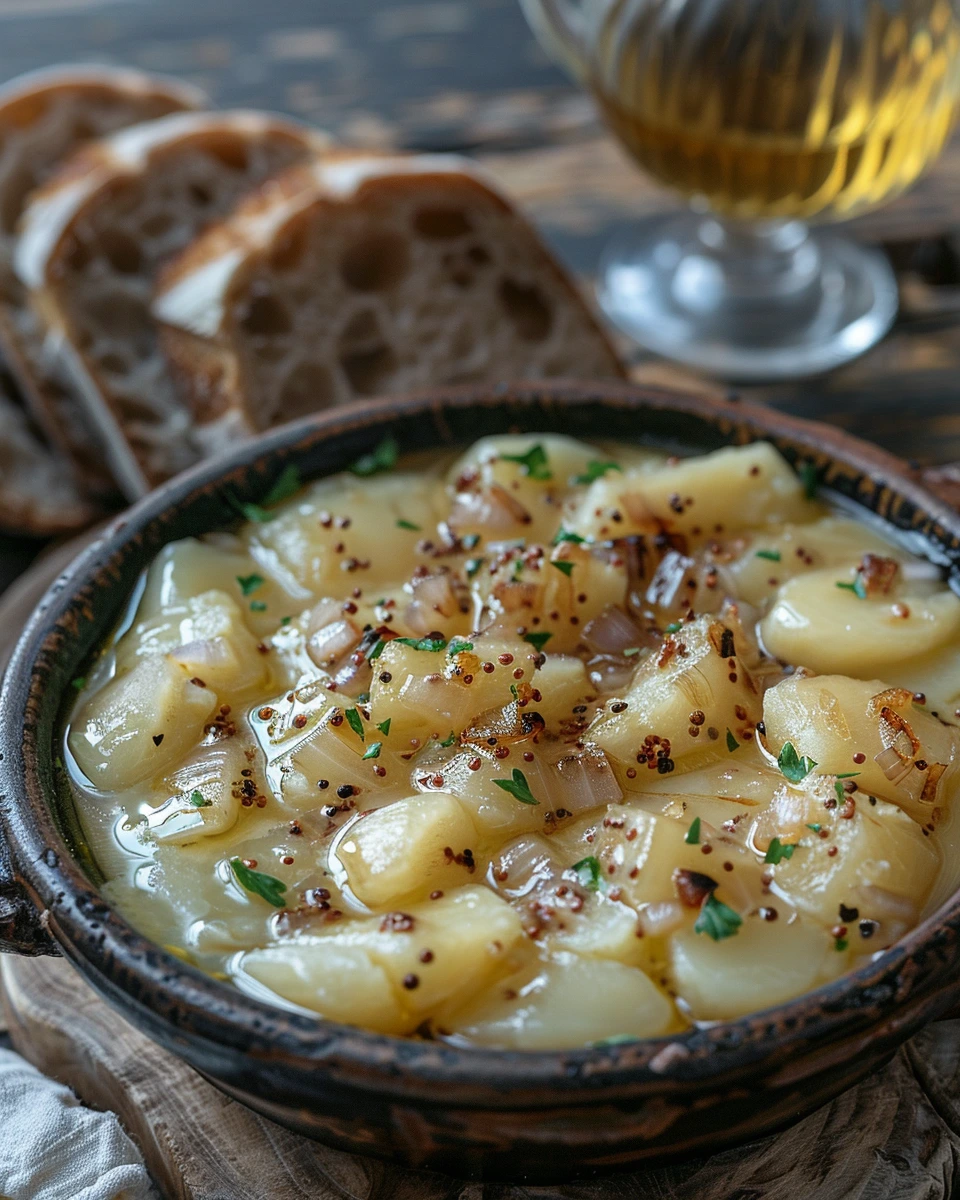
Maultaschen are traditional around Maundy Thursday and Easter but are eaten year-round, boiled, fried with onions or sliced into egg.