Why Italian cuisine is worth exploring
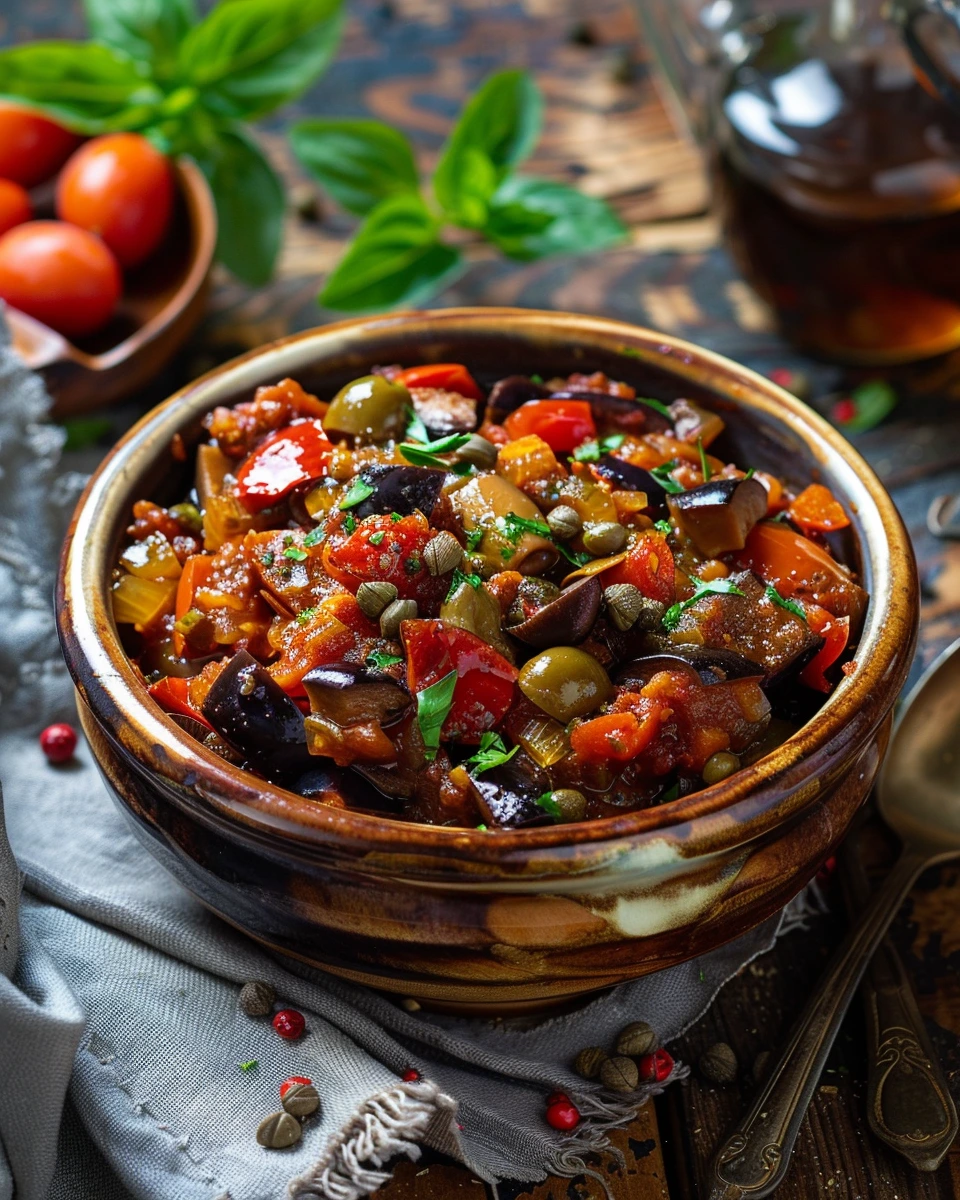
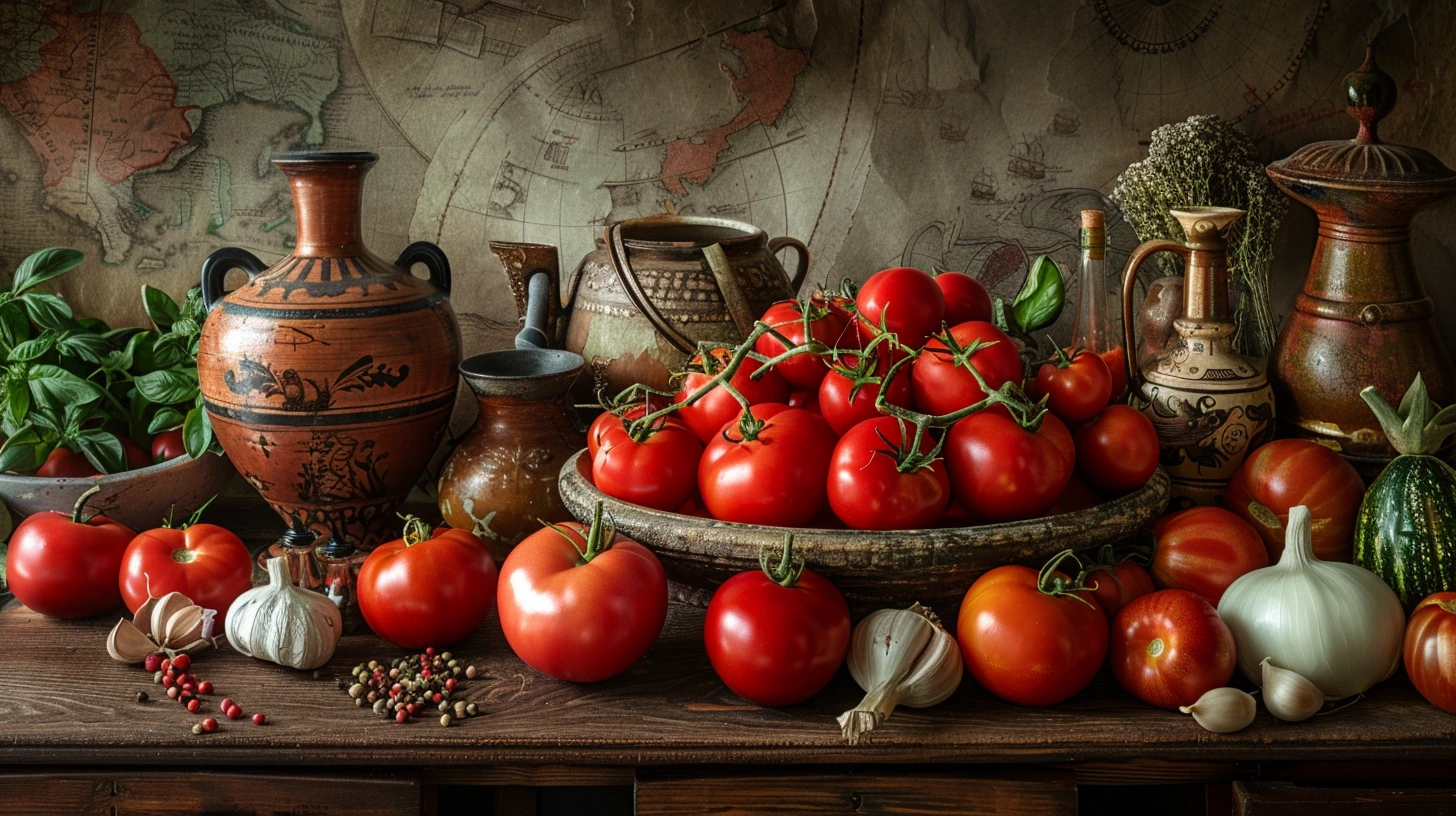
Italian food developed through thousands of years of farming, trade, migration and regional exchange. Grain, olives, grapes, pulses, vegetables and preserved foods were central to ancient Mediterranean diets. Roman trade moved ingredients and cooking ideas across a wide territory, while medieval towns, monasteries, courts and ports developed their own specialities. Arab rule and Mediterranean trade left a particularly strong mark on Sicily, where citrus, sugar, rice, spices and methods of preserving fruit became part of the island's cooking. Ingredients from the Americas later transformed the food again, but tomatoes, maize, peppers and beans were adopted at different speeds and in different ways from one region to another.
Why it is famous
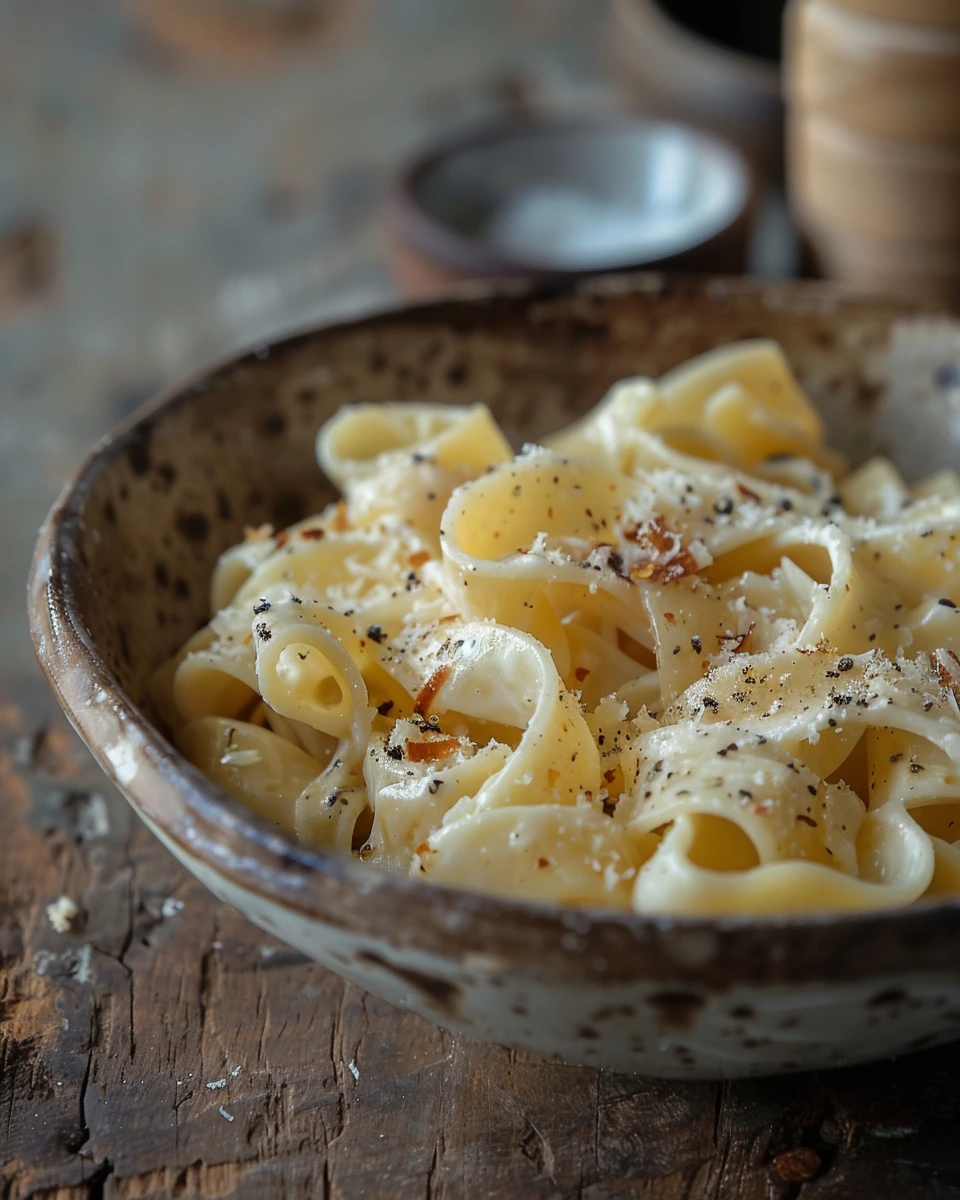
Italian food became internationally familiar through migration, restaurants and dishes that travelled well, especially pizza, pasta, gelato and espresso. Its appeal is easy to understand: many recipes use recognisable ingredients and direct flavours, yet the best versions still reward skill and attention. A simple pasta can depend on the right shape, the correct cheese, properly salted water and a sauce finished at exactly the right moment. Italian food abroad has also developed traditions of its own, particularly in the United States, Britain, Argentina and Australia. Those dishes are part of the wider story, but they should not be treated as interchangeable with the regional cooking found in Italy.
Regional food story
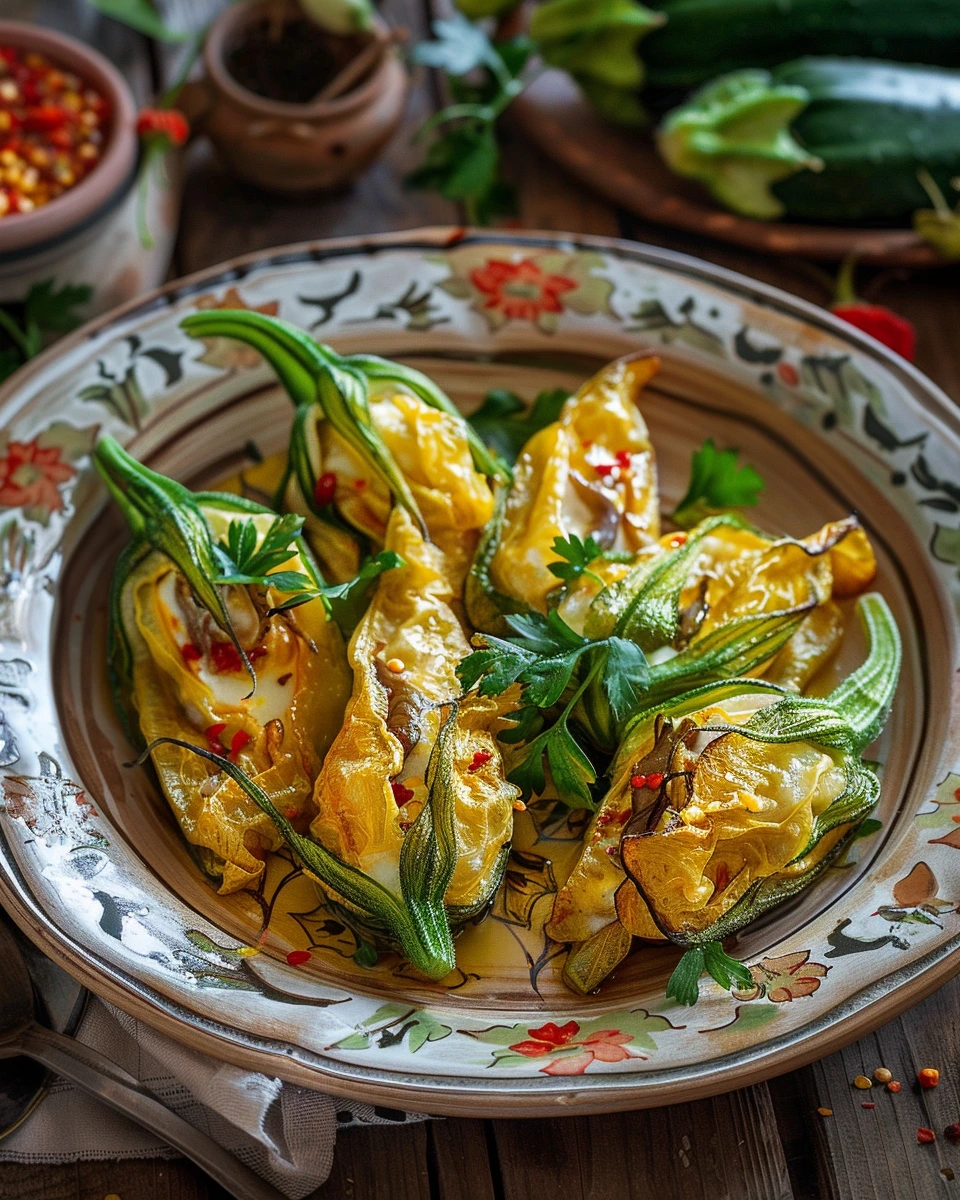
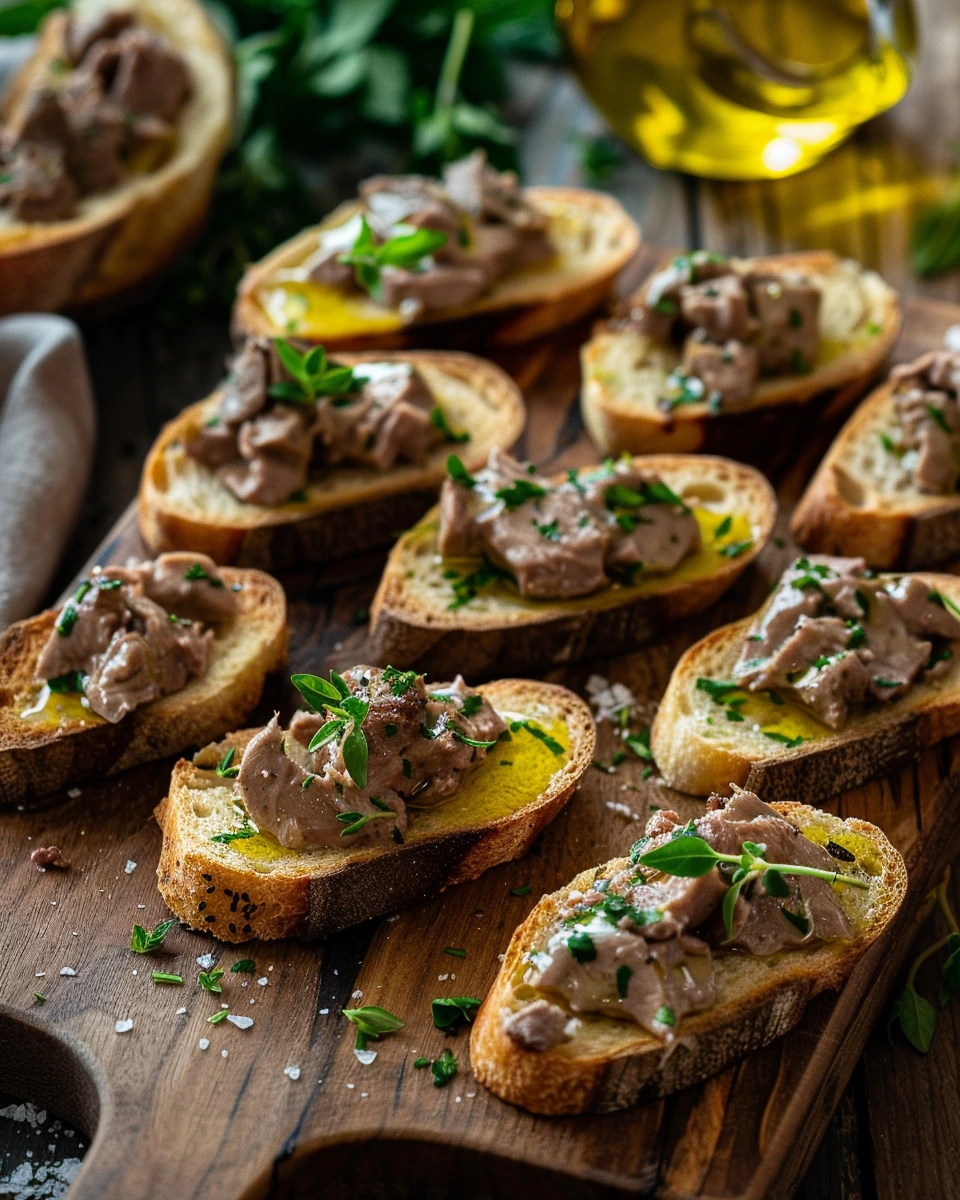
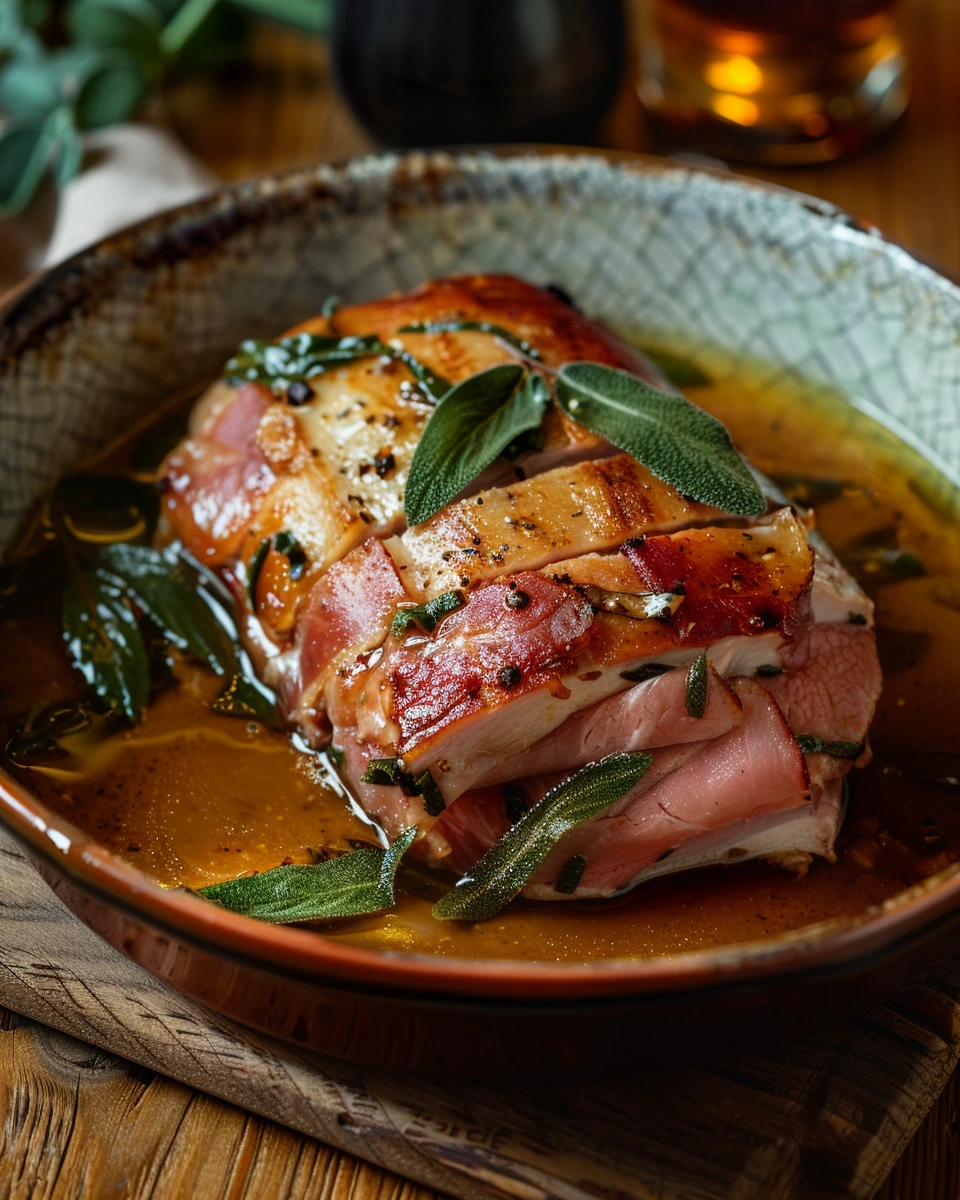
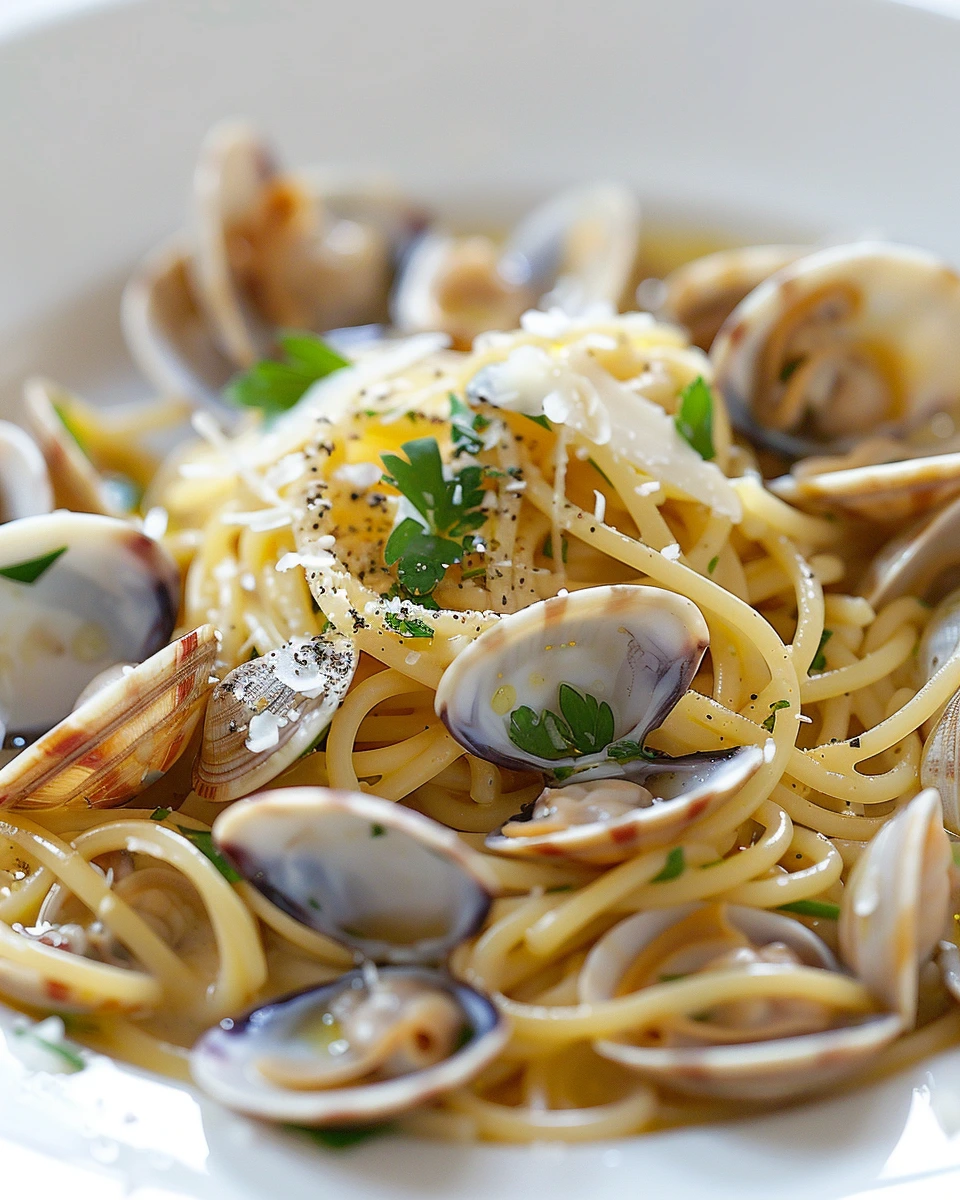
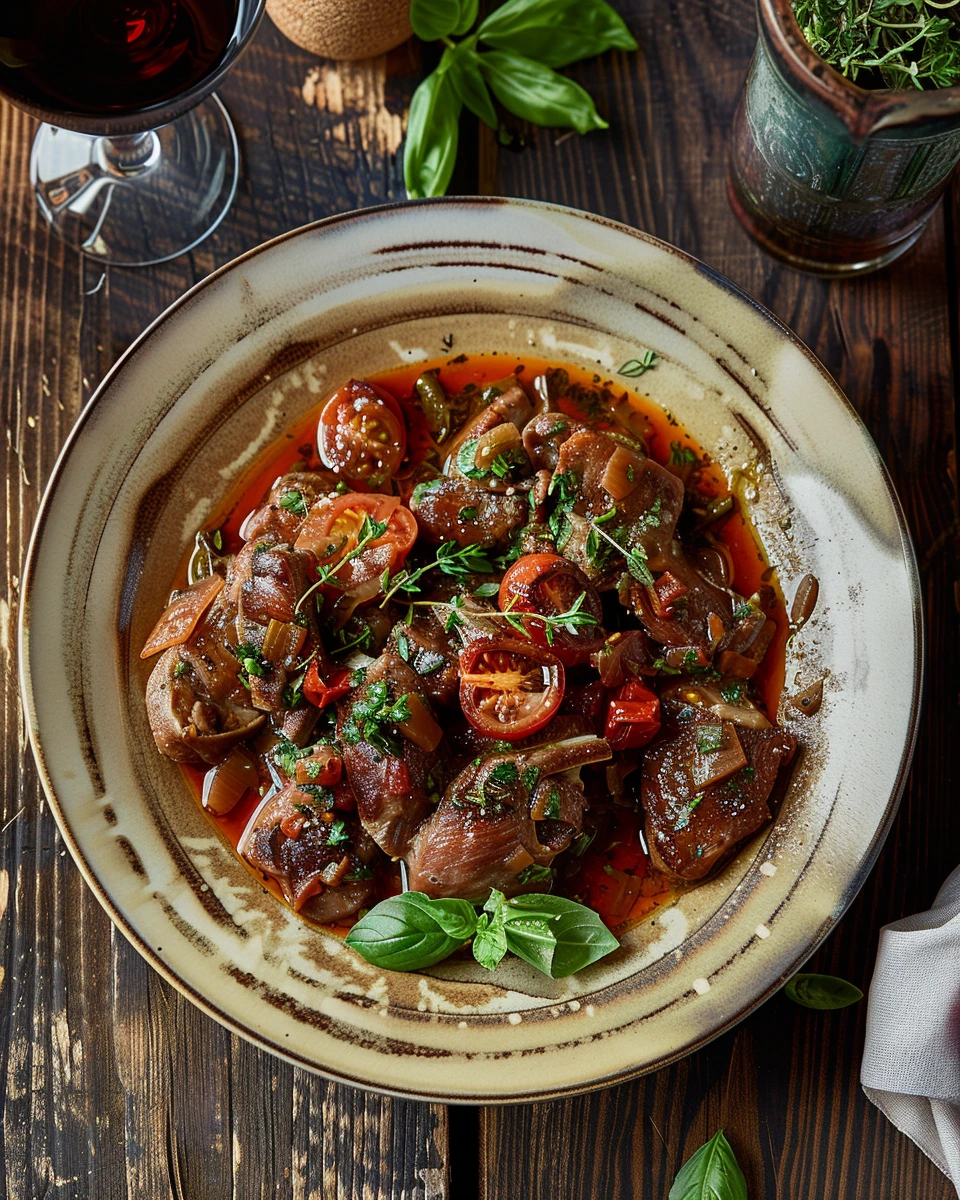
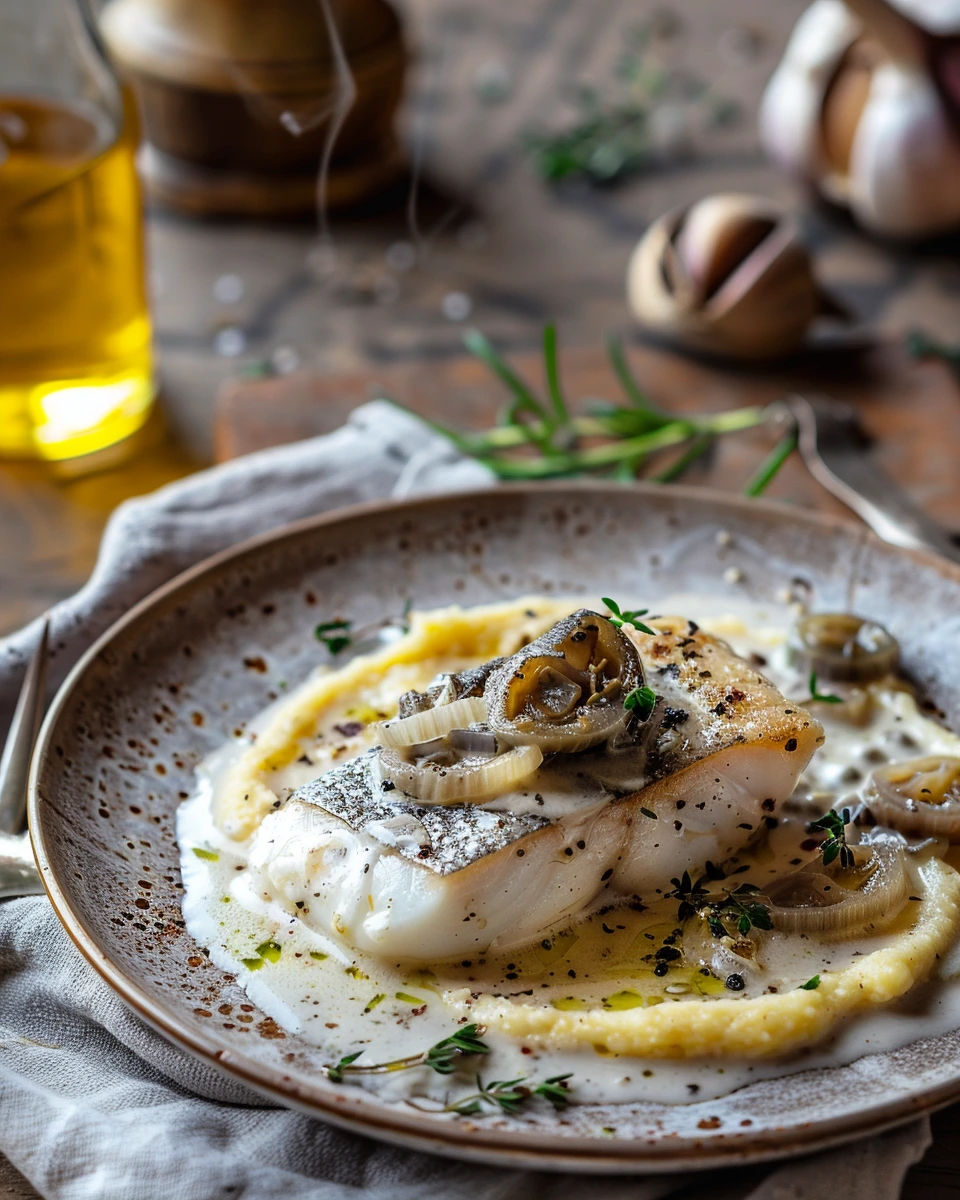
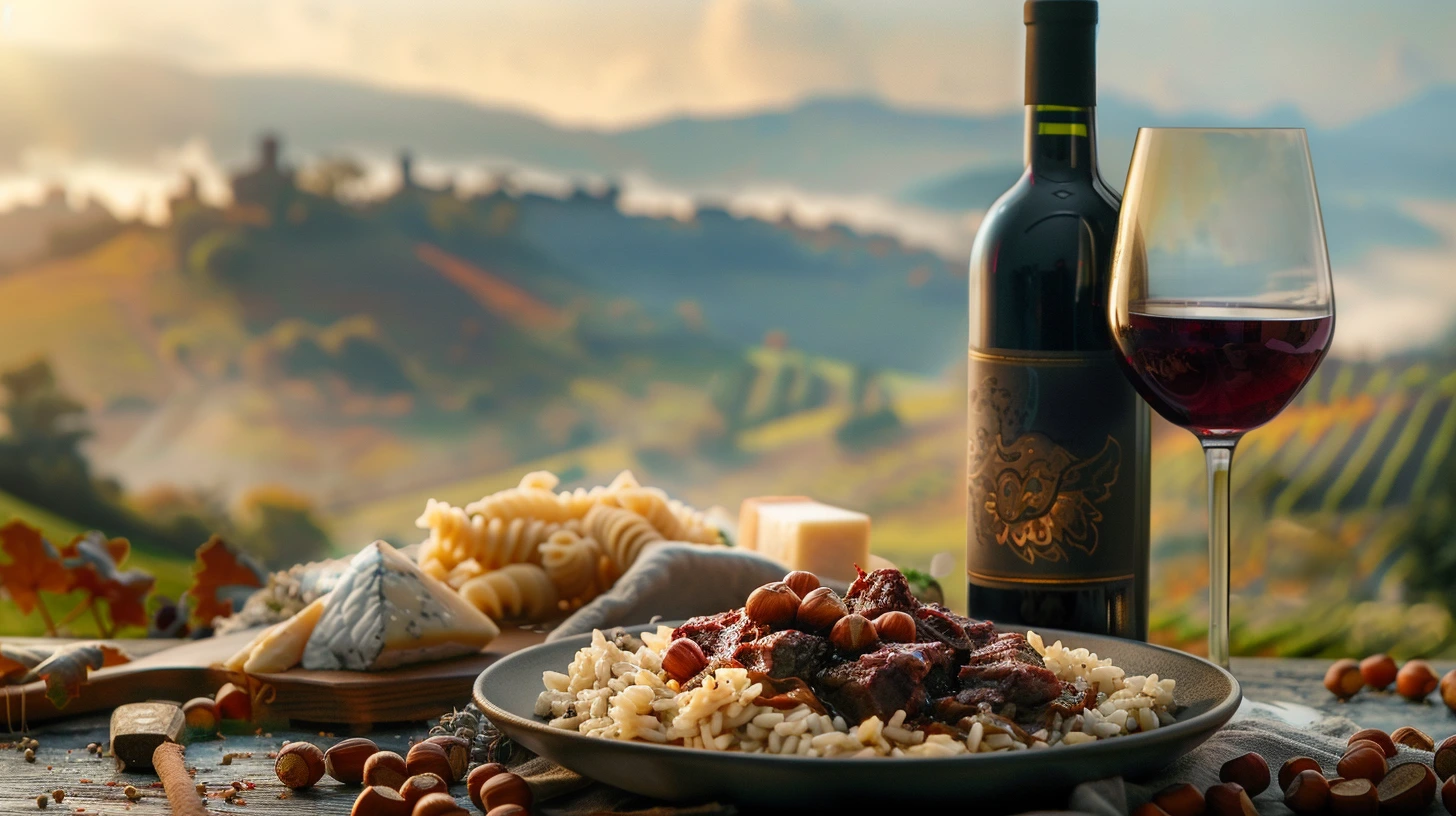
Italy's regions have distinct food identities. Piedmont is known for beef, hazelnuts, rice, truffles and rich sauces, while Lombardy brings risotto, polenta, butter and braised meat. Liguria is associated with basil, pesto, focaccia, olive oil and seafood. Veneto has risotto, polenta, cicchetti and salt cod, and neighbouring Friuli-Venezia Giulia shows Central European and Balkan influences. Emilia-Romagna is famous for egg pasta, filled pasta, ragù, cured pork and Parmigiano Reggiano. Tuscany favours beans, unsalted bread, olive oil, grilled meat and practical dishes that make use of leftovers. Lazio is home to Roman pasta dishes, artichokes, pecorino and guanciale. Campania is closely linked with pizza, tomatoes, mozzarella and dried pasta. Puglia leans on durum wheat, pulses, vegetables and olive oil. Calabria is known for chillies and preserved foods. Sicily combines Mediterranean produce with Arab, Spanish and North African influences, while Sardinia has its own breads, pasta shapes, pastoral cooking and sheep's milk cheeses.