Italian Main

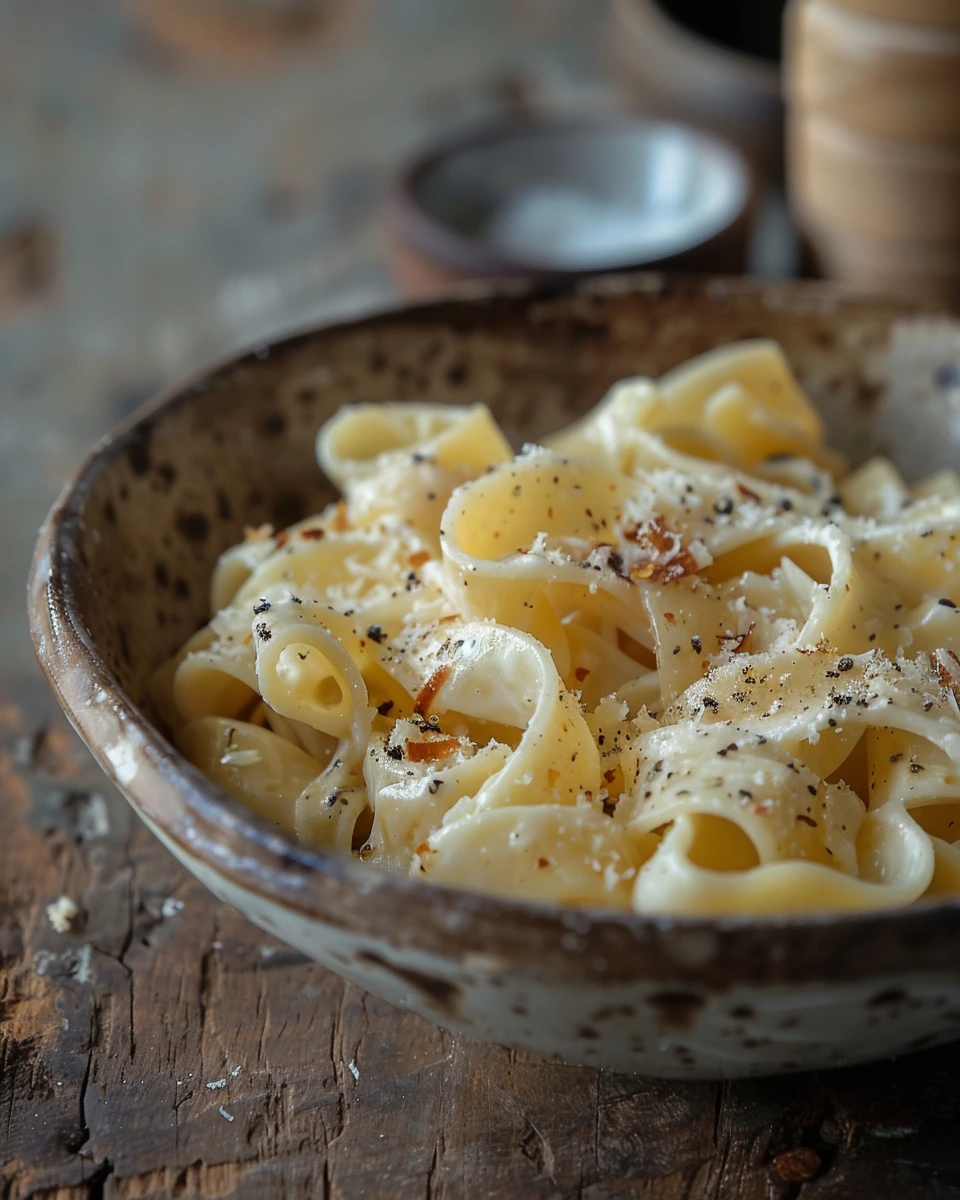
Lemon Chicken Pasta

Lemon Chicken Pasta is a classic Italian main course built around comforting flavour, cultural heritage and the kind of cooking that makes a meal feel memorable.

10 minsPrep time
25 minsCook time
Serves 2Servings
EasyDifficulty
Lemon Chicken Pasta
About this dish

Lemon Chicken Pasta: the story on the plate

Lemon Chicken Pasta is more than a main: it is a route into regional Italian kitchens, market produce and a tradition of letting good ingredients do most of the work. The dish is built around olive oil, wheat, tomatoes, herbs, cheese and patient sauces, giving it a flavour that feels both practical and deeply connected to its origin. It works especially well for relaxed dinners, family meals and menus built around simple flavour, and it gives readers a clear way to understand how ingredients, technique and food history meet on the plate.

Historical background

Lemon Chicken Pasta belongs to the wider story of regional Italian kitchens, market produce and a tradition of letting good ingredients do most of the work. It reflects how local ingredients, cooking equipment, trade routes, seasonality and household traditions turned everyday food into recognisable national or regional identity.

Why it is famous

Lemon Chicken Pasta is famous because it captures something people associate with Italian food: recognisable ingredients, a clear cooking style and a flavour that feels strongly tied to place.

Cultural significance

In a menu, Lemon Chicken Pasta helps explain Italian cooking through taste rather than theory. It can sit beside other dishes from the same country to create a fuller cultural food journey.

Nutrition

Estimated nutrition per serving

Useful for meal planning and calorie-aware recipe browsing.

610Calories
36gProtein
72gCarbs
19gFat

Estimated from the exact ingredient measures in the recipe text. Validate with your preferred nutrition calculator before publishing.

Ingredients

What you need

  • 180 linguine
  • 1 chicken breasts, 350 g total, sliced
  • 1 olive oil
  • 0.5 garlic clove, finely grated
  • 0.5 unwaxed lemon, zest and 3 tbsp juice
  • 40 dry white wine
  • 20 parmesan, grated
  • 10 butter
  • 5 parsley, chopped
  • 0.5 fine sea salt
  • black pepper
Method

Step-by-step method

Follow the recipe in order, tasting and adjusting seasoning where needed.

  1. Boil a pot of salted water and cook pasta according to the packet instructions. Drain, reserving a small cup of pasta water.
  2. Slice chicken into strips or bite-size pieces.
  3. Season with garlic powder, salt, and pepper.
  4. Heat olive oil in a pan and cook chicken over medium heat for 6–8 minutes until golden and fully cooked. Set aside.
  5. In the same pan, melt butter and gently sauté garlic for 1 minute.
  6. Add lemon zest and juice, then stir in cream. Simmer for 2–3 minutes.
  7. Stir in Parmesan until melted. Season with salt and pepper.
  8. If using spinach or peas, add now and stir until wilted/heated.
  9. Add cooked pasta and chicken to the sauce.
  10. Toss to coat, adding a splash of pasta water if needed to loosen the sauce.
  11. Plate the pasta, top with extra Parmesan and herbs.
  12. Serve with a wedge of lemon on the side if desired.
Cook smarter

Tips, storage and serving advice

Shopping tips

Buy the best version of the defining ingredient you can afford. Fresh herbs, good dairy, ripe produce, quality meat or seafood and proper bread or pastry make a noticeable difference.

Ingredient quality

Prioritise freshness, correct seasoning and authentic core ingredients. Where substitutions are needed, protect the main flavour and texture of the original dish.

Common mistakes

For Lemon Chicken Pasta, the main mistakes are losing control of the balance between linguine, chicken breasts, olive oil, garlic clove; rushing the "Prepare ingredients" stage before the flavour or texture has properly developed; and using heat or cooking time mechanically instead of watching the food itself. Use the recipe's visual cue as your guide: Everything should be ready before cooking starts. With Lemon Chicken Pasta, taste and observe as you cook rather than relying on the clock alone; the goal is a result that still tastes recognisably Italian and preserves the texture that makes this recipe distinctive.

Chef’s tips

For the best Lemon Chicken Pasta, organise linguine, chicken breasts, olive oil, garlic clove before you start so the cooking itself can stay controlled. Give particular attention to the "Prepare ingredients" stage: this is where the recipe begins to establish its final flavour and texture. A useful technique note from the method is: Keep grated cheese, herbs and pasta water within reach. Trust the visual cue — Everything should be ready before cooking starts. — more than an exact minute count. At the "Serve traditionally" stage, make the final seasoning adjustment and serve without unnecessary delay. That final check is what makes Lemon Chicken Pasta taste deliberate rather than simply cooked.

How to know it is cooked

The dish is ready when the key texture is correct: tender meat or vegetables, cooked pastry or grains, a sauce that coats properly, or a dessert that has set while still feeling pleasant to eat.

Plating advice

Plate Lemon Chicken Pasta so the dish reads clearly at first glance. Build the plate around the principal serving rather than scattering everything evenly; keep linguine, chicken breasts, olive oil visually connected so the diner can understand the dish before taking the first bite. The presentation should protect the intended texture — A satisfying main-course texture, usually built around contrast: tender centrepieces, soft grains, crisp edges, rich sauces or hearty vegetables. — so avoid covering crisp elements with sauce too early or compressing delicate components. For the finish, draw selectively from the existing garnish guidance: Use a garnish that belongs to the flavour profile, such as fresh herbs, citrus zest, cracked pepper, grated cheese, toasted nuts, olive oil, cream, icing sugar or a simple sauce. Use one or two elements with purpose rather than applying every option at once. For Lemon Chicken Pasta, the final plate should feel consistent with its Italian identity: confident, appetising and easy to eat, with no decoration that competes with the food itself.

Make ahead

Prepare components ahead where possible. Many sauces, braises, soups, pastries and desserts benefit from resting, chilling or reheating gently before serving.

Storage and reheating

Cool leftovers quickly, cover well and refrigerate. Most cooked dishes are best eaten within 2 to 3 days, while delicate salads, fried items and seafood are best served fresh. Reheat gently until piping hot throughout, adding a splash of water, stock, milk or sauce if the dish has thickened. Avoid aggressive heat for dairy, seafood and delicate desserts.

Wine pairing

What to drink with Lemon Chicken Pasta

Pairings are chosen around the dish’s flavour, texture, richness, acidity and cooking style — not just the country it comes from.

Vermentino wine pairing
#1 Excellent match White

Vermentino

Why it works: Vermentino gives Lemon Chicken Pasta the freshness it needs, using acidity to cut through dairy richness while retaining enough texture to match the creamy or cheese-led body of the dish.

Mediterranean white with citrus, pear, almond, herbs and a lightly salty finish. Great with olive oil, tomatoes, seafood and Italian starters.

GrapeVermentino, Rolle
RegionSardinia, Liguria, Tuscany, Provence
Wine flavourlemon, pear, almond, herbs, sea salt
Serve at8-10°C
  • Flavour bridge: ripe fruit and subtle savoury notes complement butter, cream and cheese
  • Acidity: Fresh acidity prevents palate fatigue
  • Body: Medium body mirrors creamy texture
  • Tannin: Low-to-moderate tannin avoids clashing with dairy
  • Sweetness: Dry style keeps richness controlled
  • Best for: Dinner, entertaining or recipe pairing
Chardonnay wine pairing
#2 Great match White

Chardonnay

Why it works: Chardonnay gives Lemon Chicken Pasta the freshness it needs, using acidity to cut through dairy richness while retaining enough texture to match the creamy or cheese-led body of the dish.

Creamy or lightly oaked white wine with citrus, stone fruit and enough body for seafood, poultry and rich sauces.

GrapeChardonnay
RegionAustralia, New Zealand, France, Italy, Spain, Germany
Wine flavourCreamy or lightly oaked white wine with citrus, stone fruit and enough bod…
Serve at9-11°C
  • Flavour bridge: ripe fruit and subtle savoury notes complement butter, cream and cheese
  • Acidity: Fresh acidity prevents palate fatigue
  • Body: Medium body mirrors creamy texture
  • Tannin: Low-to-moderate tannin avoids clashing with dairy
  • Sweetness: Dry style keeps richness controlled
  • Best for: Dinner, entertaining or recipe pairing
Pinot Noir / Burgundy wine pairing
#3 Interesting match Red

Pinot Noir / Burgundy

Why it works: For a more adventurous pairing, pinot Noir / Burgundy gives Lemon Chicken Pasta the freshness it needs, using acidity to cut through dairy richness while retaining enough texture to match the creamy or cheese-led body of the dish.

Elegant red with red cherry, earth, spice and fine tannins. Great with duck, mushroom, poultry, pork and lighter beef dishes.

GrapePinot Noir, Spätburgunder
RegionBurgundy, Oregon, Central Otago, Baden
Wine flavourred cherry, raspberry, earth, mushroom, spice
Serve at14-16°C
  • Flavour bridge: ripe fruit and subtle savoury notes complement butter, cream and cheese
  • Acidity: Fresh acidity prevents palate fatigue
  • Body: Medium body mirrors creamy texture
  • Tannin: Low-to-moderate tannin avoids clashing with dairy
  • Sweetness: Dry style keeps richness controlled
  • Best for: Dinner, entertaining or recipe pairing

These are wine-style pairings, so you can choose any bottle in that style rather than needing one exact producer. Look for the grape, region or style name on the label.

Bottle suggestions

Specific wines to try

These are individual wines already linked to this recipe.