Italian Dessert

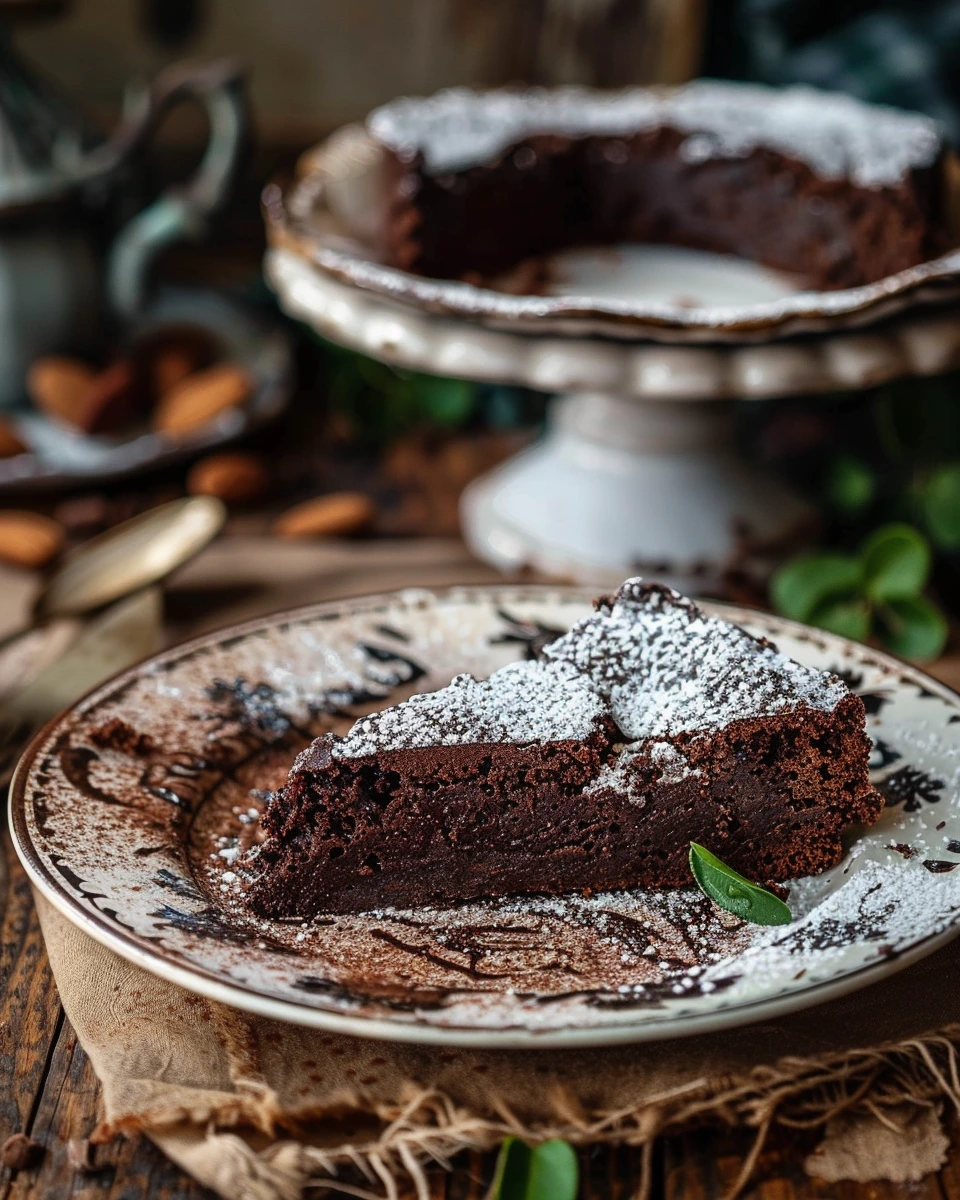
Cannoli

Cannoli is a traditional Italian dessert with a memorable texture, a sense of occasion and the sweet finish that makes the cuisine feel complete.

1 hr 15 minsPrep time
5 minsCook time
Serves 2Servings
EasyDifficulty
Cannoli
About this dish

Cannoli: the story on the plate

Cannoli is more than a dessert: it is a route into regional Italian kitchens, market produce and a tradition of letting good ingredients do most of the work. The dish is built around olive oil, wheat, tomatoes, herbs, cheese and patient sauces, giving it a flavour that feels both practical and deeply connected to its origin. It works especially well for relaxed dinners, family meals and menus built around simple flavour, and it gives readers a clear way to understand how ingredients, technique and food history meet on the plate.

Historical background

Cannoli belongs to the wider story of regional Italian kitchens, market produce and a tradition of letting good ingredients do most of the work. It reflects how local ingredients, cooking equipment, trade routes, seasonality and household traditions turned everyday food into recognisable national or regional identity.

Why it is famous

Cannoli is famous because it captures something people associate with Italian food: recognisable ingredients, a clear cooking style and a flavour that feels strongly tied to place.

Cultural significance

In a menu, Cannoli helps explain Italian cooking through taste rather than theory. It can sit beside other dishes from the same country to create a fuller cultural food journey.

Nutrition

Estimated nutrition per serving

Useful for meal planning and calorie-aware recipe browsing.

640Calories
9gProtein
64gCarbs
36gFat

Estimated from recipe type and current ingredient text; review before publishing formal nutritional claims.

Ingredients

What you need

  • 75 plain flour
  • large pinch of bicarbonate of soda
  • 0.5 castor sugar
  • 0.25 cinnamon
  • 0.5 cocoa powder (optional)
  • 15 butter
  • 0.5 egg
  • 25 marsala (or white wine)
  • Sunflower oil for deep frying
  • 25 dark chocolate melted
  • handful of pistachio kernels finely chopped
  • icing sugar for dusting
  • For the filling
  • 125 ricotta drained and beaten till fluffy
  • 50 mascarpone
  • 1 finely chopped candied peel
  • 1 icing sugar
  • (you will need cannoli moulds available to buy online)
Method

Step-by-step method

Follow the recipe in order, tasting and adjusting seasoning where needed.

  1. Tip the flour, sugar, bicarb, cinnamon and cocoa powder (if using) into a bowl with a pinch of salt, add the butter and rub into the dry ingredients until there are no lumps.
  2. Mix the egg yolk and the marsala, add this to the dry ingredients and knead into a smooth dough. Wrap and rest in the fridge (can be made ahead and fried the next day)
  3. Fill a deep-fat fryer, wok or a deep saucepan a third of the way up with oil.
  4. Cut the dough into pieces and, working one piece at a time, roll them out as thinly as you can – use a pasta machine if you have one.
  5. Heat the oil and keep an eye on it until it reaches 180 °C. Lay the dough out on a lightly floured surface and cut out circles about 11 cm across.
  6. Wrap each one around a cannoli mould, using some egg white to stick to the top edge down, and they are ready for frying. It's important to take care when cooking with hot oil.
  7. Keep the oil at 180°C and be careful of splashes or the oil overflowing onto the cooker could cause fire, a deep fat fryer is recommended for the best way to control the heat of the oil.
  8. Deep-fry the cannoli (with their moulds) one at a time, making sure they cook all over. They should take about 45-60 seconds. They should be golden brown and cook a little longer if they aren't the dough will bubble and blister.
  9. Carefully take each one out of the oil using tongs and shake the cannoli off the mould very carefully onto kitchen paper. As you fry each one, make sure that the oil stays at 180°C at all times and doesn't get any hotter. These will keep for 2-3 days in an airtight container.
  10. When the cannoli are cold, dip the end of each one into chocolate, then dip some of those into the pistachios. Leave to cool and harden. Beat the ricotta and mascarpone together, then stir in the candied peel and sugar.
  11. Spoon the mixture into a piping bag with a wide star nozzle and pipe it into the cannoli dust with icing sugar, then serve
Cook smarter

Tips, storage and serving advice

Shopping tips

Buy the best version of the defining ingredient you can afford. Fresh herbs, good dairy, ripe produce, quality meat or seafood and proper bread or pastry make a noticeable difference.

Ingredient quality

Prioritise freshness, correct seasoning and authentic core ingredients. Where substitutions are needed, protect the main flavour and texture of the original dish.

Common mistakes

For Cannoli, the main mistakes are losing control of the balance between plain flour, pinch of bicarbonate of soda, castor sugar, cinnamon; rushing the early preparation before the dish has developed enough flavour; and pushing sweetness so far that the defining flavour of the dessert is lost. With Cannoli, taste and observe as you cook rather than relying on the clock alone; the goal is a result that still tastes recognisably Italian and preserves the texture that makes this recipe distinctive.

Chef’s tips

For the best Cannoli, organise plain flour, pinch of bicarbonate of soda, castor sugar, cinnamon before you start so the cooking itself can stay controlled. Give the opening preparation enough attention; small errors made early are harder to correct at the end. Keep the technique simple and concentrate on ingredient quality, seasoning and timing. Use colour, aroma and texture as the final test rather than treating the listed cooking time as absolute. Before serving, make one final adjustment for salt, acidity, richness or sweetness as appropriate. That final check is what makes Cannoli taste deliberate rather than simply cooked.

How to know it is cooked

The dish is ready when the key texture is correct: tender meat or vegetables, cooked pastry or grains, a sauce that coats properly, or a dessert that has set while still feeling pleasant to eat.

Plating advice

Plate Cannoli so the dish reads clearly at first glance. Choose a plate or bowl that frames the dessert without crowding it, and use plain flour, pinch of bicarbonate of soda, castor sugar as the visual cue for any finishing elements. The presentation should protect the intended texture — A dessert texture focused on pleasure: creamy, crisp, soft, buttery, sticky, light or rich depending on the tradition. — so avoid covering crisp elements with sauce too early or compressing delicate components. For the finish, draw selectively from the existing garnish guidance: Use a garnish that belongs to the flavour profile, such as fresh herbs, citrus zest, cracked pepper, grated cheese, toasted nuts, olive oil, cream, icing sugar or a simple sauce. Use one or two elements with purpose rather than applying every option at once. For Cannoli, the final plate should feel consistent with its Italian identity: confident, appetising and easy to eat, with no decoration that competes with the food itself.

Make ahead

Prepare components ahead where possible. Many sauces, braises, soups, pastries and desserts benefit from resting, chilling or reheating gently before serving.

Storage and reheating

Cool leftovers quickly, cover well and refrigerate. Most cooked dishes are best eaten within 2 to 3 days, while delicate salads, fried items and seafood are best served fresh. Reheat gently until piping hot throughout, adding a splash of water, stock, milk or sauce if the dish has thickened. Avoid aggressive heat for dairy, seafood and delicate desserts.

Wine pairing

What to drink with Cannoli

Pairings are chosen around the dish’s flavour, texture, richness, acidity and cooking style — not just the country it comes from.

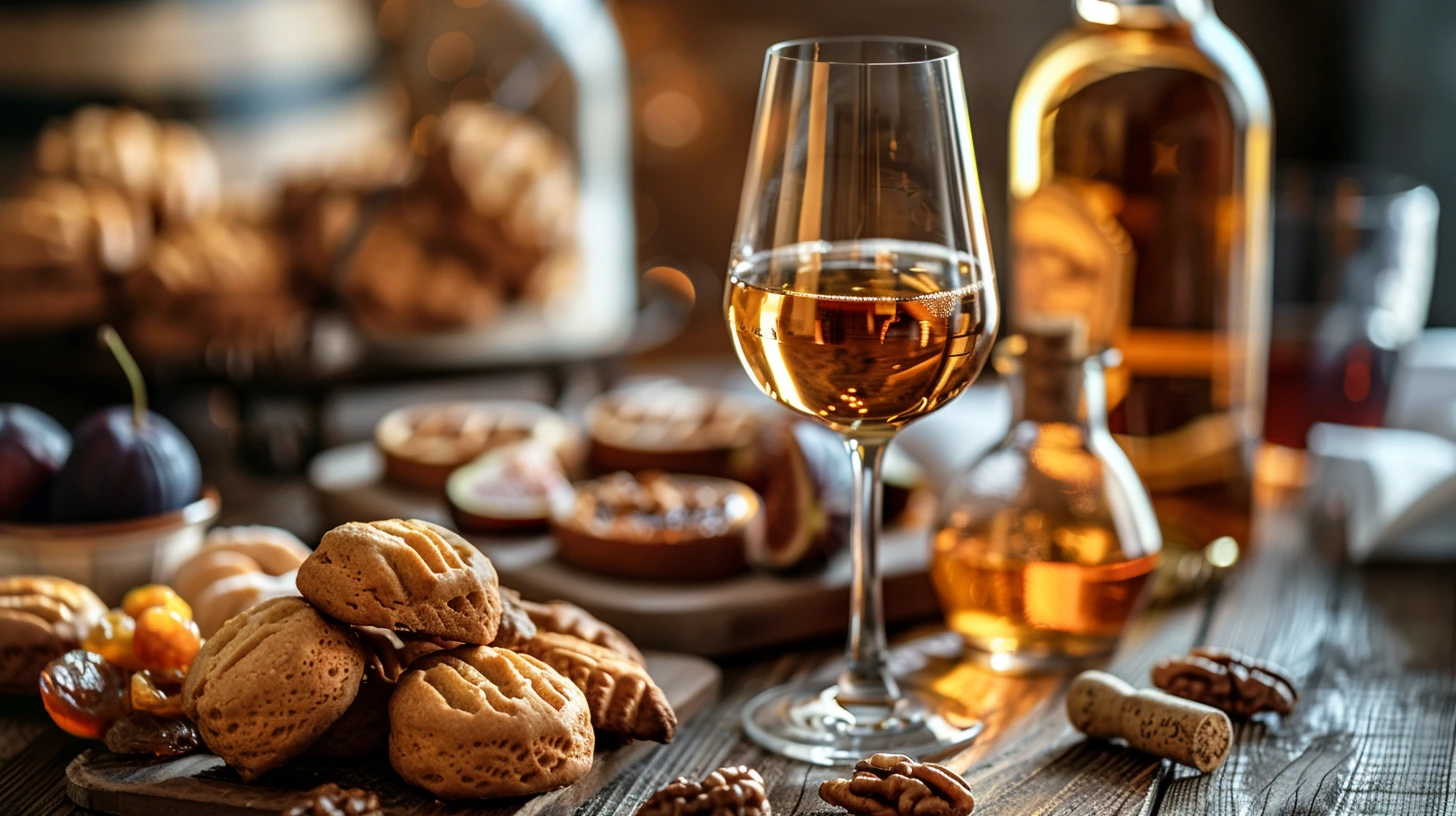
Vin Santo wine pairing
#1 Excellent match Dessert

Vin Santo

Why it works: Vin Santo is a strong match for Cannoli because its sweetness and concentrated fruit stand up to chocolate rather than being made thin or bitter by it.

Tuscan amber dessert wine with dried fruit, nuts and honeyed depth.

GrapeTrebbiano, Malvasia
RegionTuscany
Wine flavourdried apricot, almond, honey, caramel
Serve at10-12°C
  • Flavour bridge: dark fruit, dried-fruit and caramel tones echo the dessert's cocoa richness
  • Acidity: Enough freshness to stop the pairing becoming cloying
  • Body: Full enough to match the dessert's density
  • Tannin: Low or resolved tannin avoids amplifying chocolate bitterness
  • Sweetness: Wine sweetness meets or exceeds the sweetness of the dessert
  • Best for: Dinner, entertaining or recipe pairing
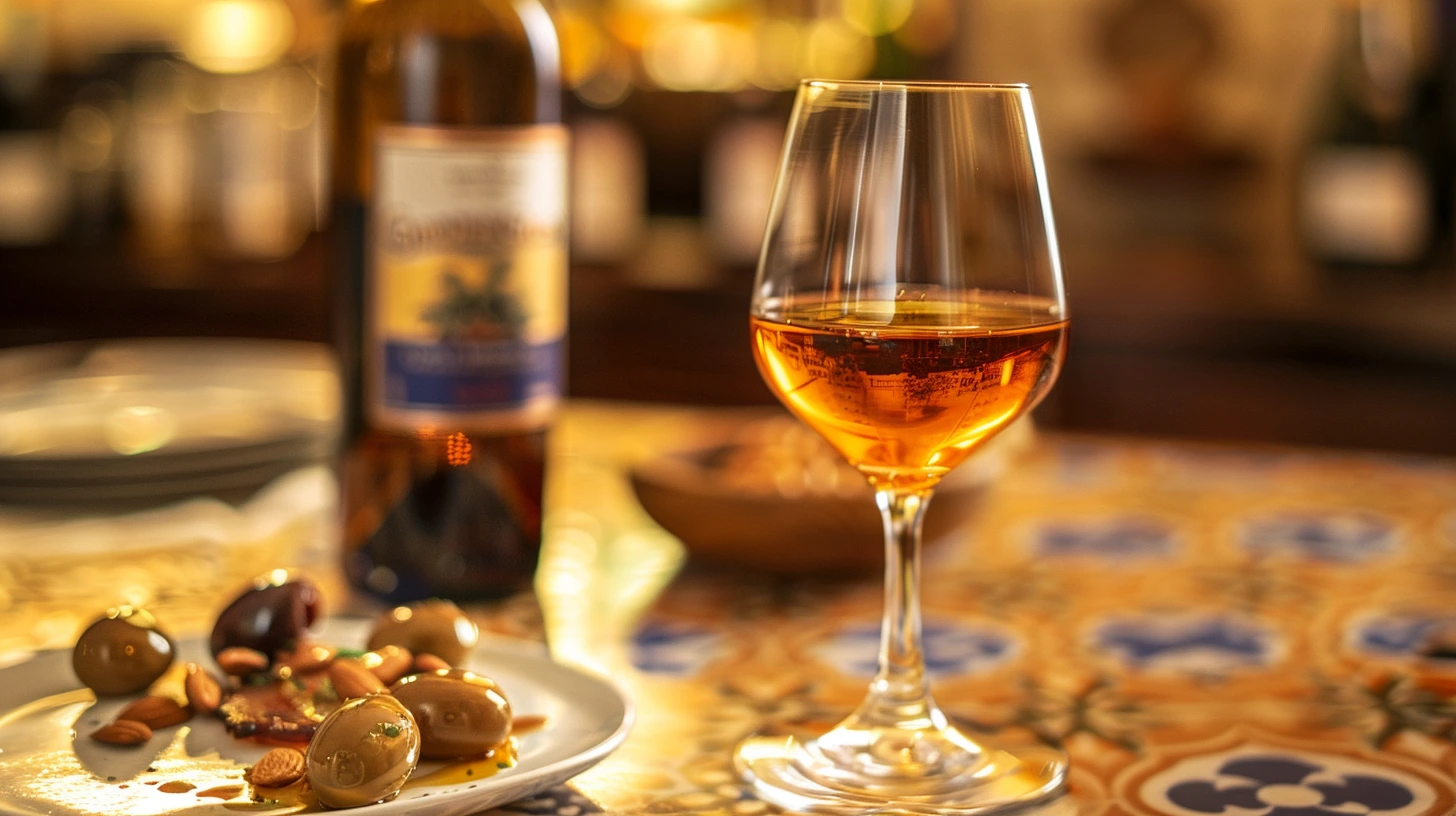
Pedro Ximénez Sherry wine pairing
#2 Great match Fortified

Pedro Ximénez Sherry

Why it works: Pedro Ximénez Sherry is a sophisticated alternative for Cannoli because its sweetness and concentrated fruit stand up to chocolate rather than being made thin or bitter by it.

Intensely sweet sherry with raisin, molasses, coffee and fig. Best with churros, chocolate, ice cream, sticky puddings and dark cakes.

GrapePedro Ximénez
RegionJerez, Montilla-Moriles
Wine flavourraisin, fig, molasses, coffee, chocolate
Serve at10-14°C
  • Flavour bridge: dark fruit, dried-fruit and caramel tones echo the dessert's cocoa richness
  • Acidity: Enough freshness to stop the pairing becoming cloying
  • Body: Full enough to match the dessert's density
  • Tannin: Low or resolved tannin avoids amplifying chocolate bitterness
  • Sweetness: Wine sweetness meets or exceeds the sweetness of the dessert
  • Best for: Dinner, entertaining or recipe pairing
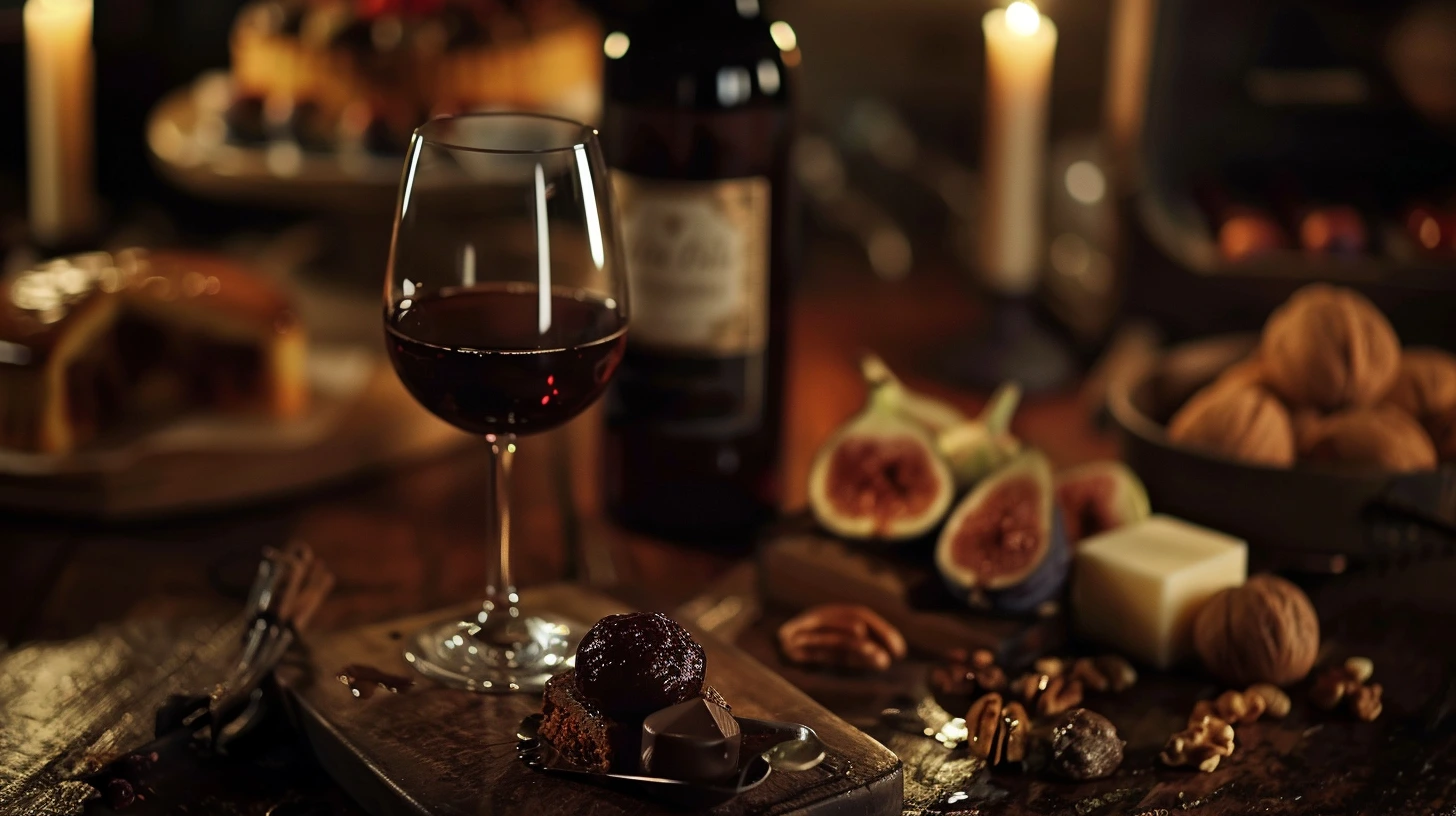
Tawny Port wine pairing
#3 Interesting match Fortified

Tawny Port

Why it works: For a more adventurous pairing, tawny Port is a strong match for Cannoli because its sweetness and concentrated fruit stand up to chocolate rather than being made thin or bitter by it.

Sweet fortified wine with caramel, dried fruit, nuts and orange peel. Excellent with sticky toffee, nut desserts, chocolate, caramel and mature cheese.

GrapeTouriga Nacional, Touriga Franca, Tinta Roriz
RegionDouro Valley
Wine flavourcaramel, walnut, fig, orange peel
Serve at12-16°C
  • Flavour bridge: dark fruit, dried-fruit and caramel tones echo the dessert's cocoa richness
  • Acidity: Enough freshness to stop the pairing becoming cloying
  • Body: Full enough to match the dessert's density
  • Tannin: Low or resolved tannin avoids amplifying chocolate bitterness
  • Sweetness: Wine sweetness meets or exceeds the sweetness of the dessert
  • Best for: Dinner, entertaining or recipe pairing

These are wine-style pairings, so you can choose any bottle in that style rather than needing one exact producer. Look for the grape, region or style name on the label.

Bottle suggestions

Specific wines to try

These are individual wines already linked to this recipe.