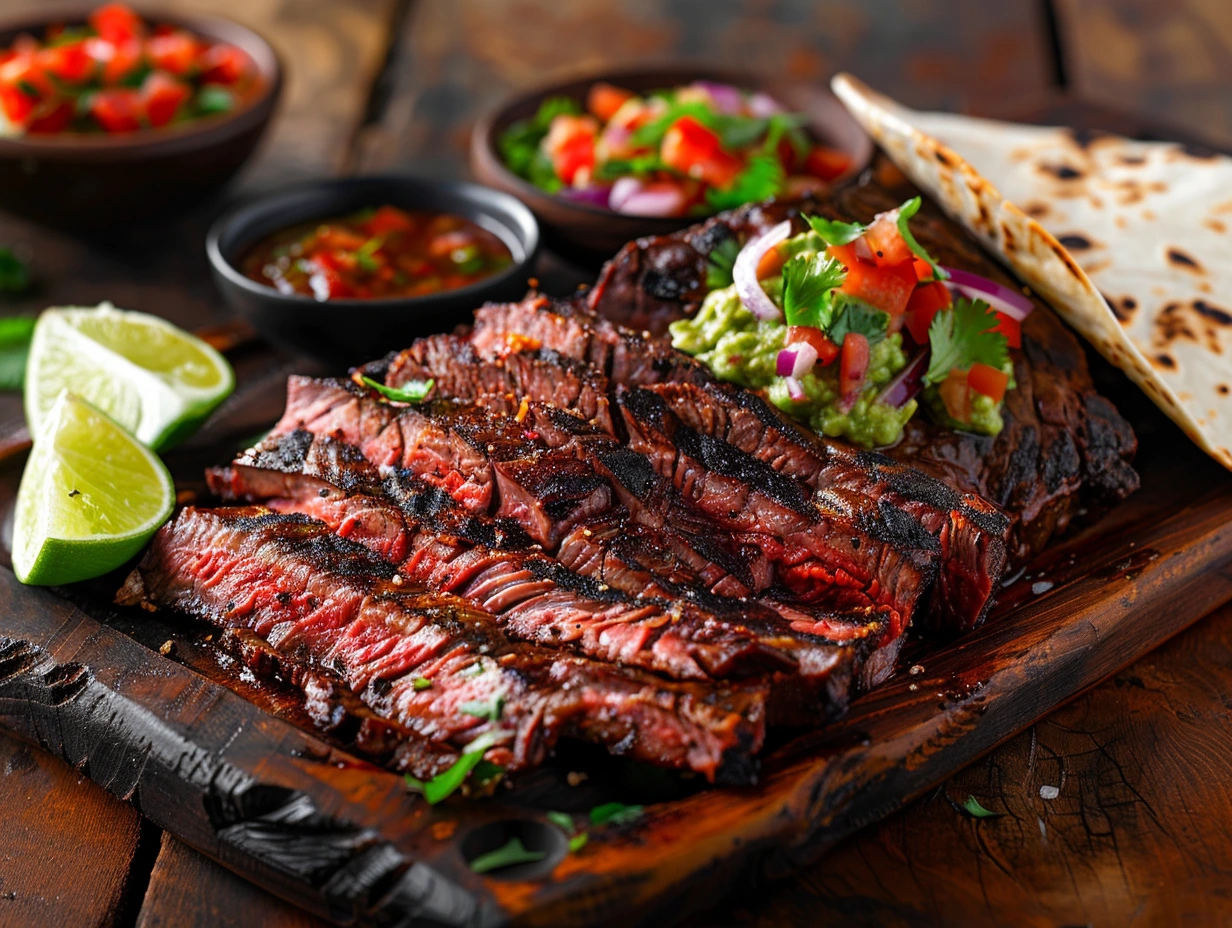
Mexican main

Enmoladas

Warm corn tortillas dipped in mole, folded around chicken and finished with sesame, onion and crema.

1 hr 8 minsPrep time
15 minsCook time
Serves 4Servings
MediumDifficulty
Enmoladas
About this dish

Enmoladas: the story on the plate

Warm corn tortillas dipped in mole, folded around chicken and finished with sesame, onion and crema.

Historical background

Enmoladas make mole practical for everyday meals, turning complex sauce into a tortilla-based main.

Why it is famous

Famous for bringing the flavour of mole into a comforting plate without the ceremony of a full mole feast.

Cultural significance

This dish shows how Mexican cuisine layers maize, chilli, regional produce and social eating into food with memory and identity.

Nutrition

Estimated nutrition per serving

Useful for meal planning and calorie-aware recipe browsing.

640Calories
31gProtein
55gCarbs
30gFat

Estimated nutrition per serving; actual values vary by ingredient brands, portion size and cooking fat retained.

Ingredients

What you need

  • 20 sesame seeds, Finish, toasted
  • 80 white onion, Finish, thinly sliced
  • 80 queso fresco, Finish, crumbled
  • 12 corn tortillas
  • 500 shredded cooked chicken
  • 600 mole sauce
  • 200 chicken stock
  • 45 neutral oil
Method

Step-by-step method

Follow the recipe in order, tasting and adjusting seasoning where needed.

  1. 1. Warm tortillas or shape masa evenly. Slice toppings finely so every bite has balance.
  2. 2. Cook the meat, beans, chilli sauce or salsa until the raw edge has gone and the flavour is rounded.
  3. 3. Cook the tortilla base on a comal or in oil until flexible, crisp or lightly blistered as the dish requires.
  4. 4. Layer beans or sauce first, then filling, then fresh toppings. Cut lettuce, onion or cabbage very finely.
  5. 5. Serve hot with lime, salsa and simple garnishes.
Cook smarter

Tips, storage and serving advice

Shopping tips

For the most authentic result, buy Mexican chillies, corn tortillas, masa, crema, cheese or herbs from a Latin American grocer where possible.

Ingredient quality

Use ripe produce, fresh tortillas where relevant, and dried chillies that are pliable and fragrant rather than brittle or dusty.

Common mistakes

For Enmoladas, the main mistakes are losing control of the balance between corn tortillas, shredded cooked chicken, mole sauce, chicken stock; rushing the "Prepare the masa, tortillas or base" stage before the flavour or texture has properly developed; and using heat or cooking time mechanically instead of watching the food itself. Use the recipe's visual cue as your guide: Masa should feel soft like modelling clay, not cracked. With Enmoladas, taste and observe as you cook rather than relying on the clock alone; the goal is a result that still tastes recognisably Mexican and preserves the texture that makes this recipe distinctive.

Chef’s tips

For the best Enmoladas, organise corn tortillas, shredded cooked chicken, mole sauce, chicken stock before you start so the cooking itself can stay controlled. Give particular attention to the "Prepare the masa, tortillas or base" stage: this is where the recipe begins to establish its final flavour and texture. A useful technique note from the method is: Use a hot comal for better flavour and structure. Trust the visual cue — Masa should feel soft like modelling clay, not cracked. — more than an exact minute count. At the "Serve immediately" stage, make the final seasoning adjustment and serve without unnecessary delay. That final check is what makes Enmoladas taste deliberate rather than simply cooked.

How to know it is cooked

The main ingredient should be tender, the sauce rounded and the raw chilli or onion edge softened.

Plating advice

Plate Enmoladas so the dish reads clearly at first glance. Build the plate around the principal serving rather than scattering everything evenly; keep corn tortillas, shredded cooked chicken, mole sauce visually connected so the diner can understand the dish before taking the first bite. The presentation should protect the intended texture — Soft tortillas in velvety sauce — so avoid covering crisp elements with sauce too early or compressing delicate components. For the finish, draw selectively from the existing garnish guidance: Lime wedges, white onion, coriander, radish, crema, cheese or salsa as appropriate. Use one or two elements with purpose rather than applying every option at once. For Enmoladas, the final plate should feel consistent with its Mexican identity: confident, appetising and easy to eat, with no decoration that competes with the food itself.

Make ahead

Sauces, fillings and braises can usually be made ahead; keep fresh garnishes separate until serving.

Storage and reheating

Cool quickly and refrigerate in an airtight container for up to 3 days. Reheat gently with a splash of water, stock or sauce to avoid drying out.

Wine pairing

What to drink with Enmoladas

Pairings are chosen around the dish’s flavour, texture, richness, acidity and cooking style — not just the country it comes from.

Chardonnay wine pairing
#1 Excellent match White

Chardonnay

Why it works: Chardonnay is a well-balanced match for Enmoladas, with enough freshness to lift the dish and enough flavour intensity to complement its main ingredients without overpowering them.

Creamy or lightly oaked white wine with citrus, stone fruit and enough body for seafood, poultry and rich sauces.

GrapeChardonnay
RegionAustralia, New Zealand, France, Italy, Spain, Germany
Wine flavourCreamy or lightly oaked white wine with citrus, stone fruit and enough bod…
Serve at9-11°C
  • Flavour bridge: the wine's fruit, savoury notes and freshness create a natural bridge to the dish
  • Acidity: Acidity keeps the pairing lively and food-focused
  • Body: Body is matched to the overall weight of the dish
  • Tannin: Tannin level is kept appropriate to the dish's protein and texture
  • Sweetness: Dry unless the dish benefits from a touch of residual sweetness
  • Best for: Dinner, entertaining or recipe pairing
Pinot Noir / Burgundy wine pairing
#2 Great match Red

Pinot Noir / Burgundy

Why it works: Pinot Noir / Burgundy is a strong secondary match for Enmoladas, with enough freshness to lift the dish and enough flavour intensity to complement its main ingredients without overpowering them.

Elegant red with red cherry, earth, spice and fine tannins. Great with duck, mushroom, poultry, pork and lighter beef dishes.

GrapePinot Noir, Spätburgunder
RegionBurgundy, Oregon, Central Otago, Baden
Wine flavourred cherry, raspberry, earth, mushroom, spice
Serve at14-16°C
  • Flavour bridge: the wine's fruit, savoury notes and freshness create a natural bridge to the dish
  • Acidity: Acidity keeps the pairing lively and food-focused
  • Body: Body is matched to the overall weight of the dish
  • Tannin: Tannin level is kept appropriate to the dish's protein and texture
  • Sweetness: Dry unless the dish benefits from a touch of residual sweetness
  • Best for: Dinner, entertaining or recipe pairing
Dry Riesling wine pairing
#3 Interesting match White

Dry Riesling

Why it works: For a more adventurous pairing, dry Riesling is a well-balanced match for Enmoladas, with enough freshness to lift the dish and enough flavour intensity to complement its main ingredients without overpowering them.

A precise, high-acid white with lime, green apple, blossom and mineral tension. It loves pork, fish, cabbage, spice and rich sauces.

GrapeRiesling
RegionMosel, Rheingau, Alsace, Clare Valley
Wine flavourlime, green apple, petrol, slate, blossom
Serve at8-10°C
  • Flavour bridge: the wine's fruit, savoury notes and freshness create a natural bridge to the dish
  • Acidity: Acidity keeps the pairing lively and food-focused
  • Body: Body is matched to the overall weight of the dish
  • Tannin: Tannin level is kept appropriate to the dish's protein and texture
  • Sweetness: Dry unless the dish benefits from a touch of residual sweetness
  • Best for: Dinner, entertaining or recipe pairing

These are wine-style pairings, so you can choose any bottle in that style rather than needing one exact producer. Look for the grape, region or style name on the label.