Mexican Main

Carne Asada

Carne Asada upgraded with metric serves-2 ingredients, a clearer flavour profile and a stronger traditional food story.

1 hr 1 minsPrep time
15 minsCook time
Serves 4Servings
EasyDifficulty
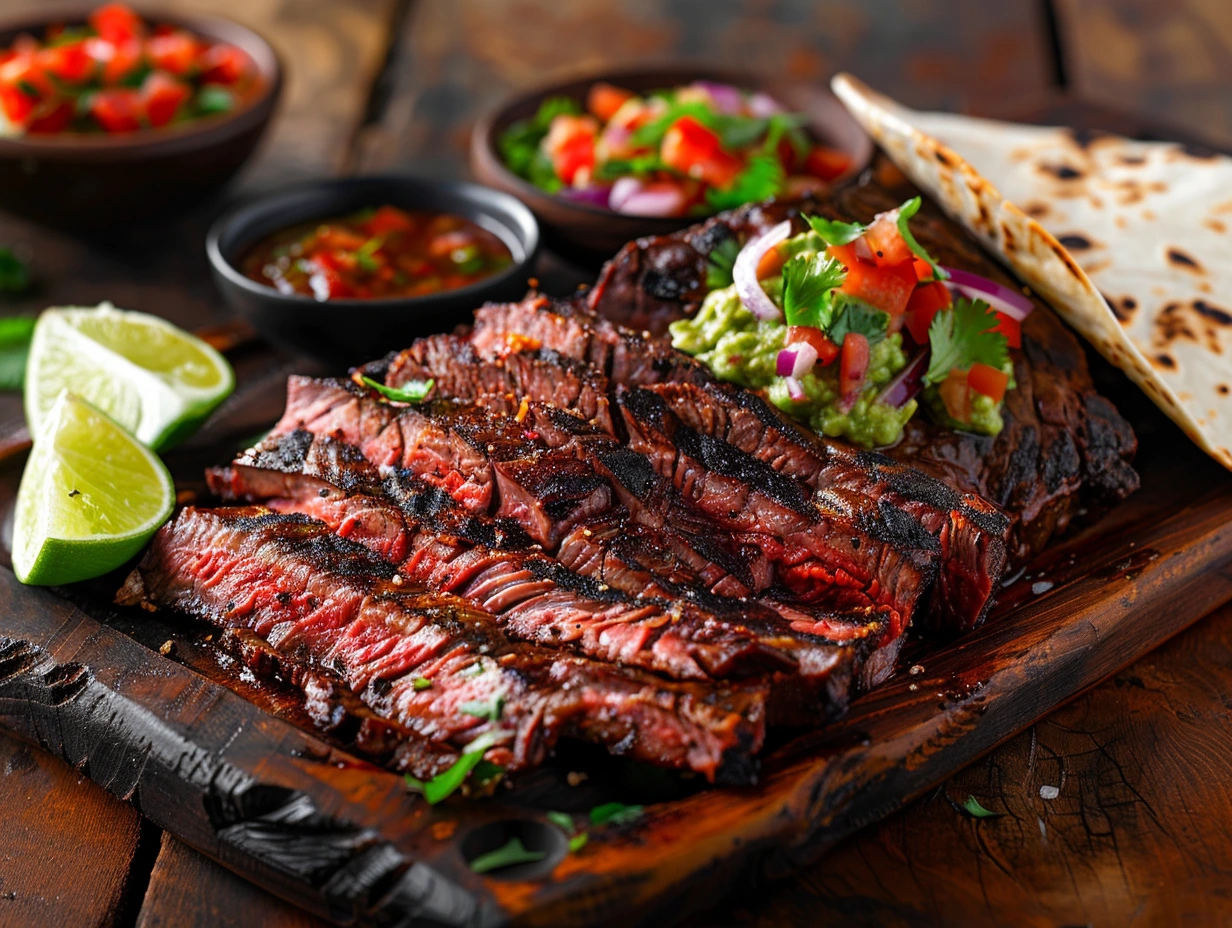
Carne Asada
About this dish

Carne Asada: the story on the plate

Carne Asada reflects Mexico’s regional cooking, where maize, chillies, beans, squash, herbs, citrus and slow-cooked meats carry deep agricultural and cultural meaning. It is famous because Mexican dishes are built from strong regional foundations: nixtamalised corn, dried chilli sauces, salsas, moles, beans and celebration cooking.

Historical background

Carne Asada reflects Mexico’s regional cooking, where maize, chillies, beans, squash, herbs, citrus and slow-cooked meats carry deep agricultural and cultural meaning.

Why it is famous

It is famous because Mexican dishes are built from strong regional foundations: nixtamalised corn, dried chilli sauces, salsas, moles, beans and celebration cooking.

Cultural significance

Carne Asada is useful on the site because it explains not just how to cook the dish, but why the ingredients and technique matter in Mexican food culture.

Nutrition

Estimated nutrition per serving

Useful for meal planning and calorie-aware recipe browsing.

480Calories
16gProtein
70gCarbs
16gFat

Estimated from the upgraded serves-2 metric ingredient list; verify with a calculator before making health claims.

Ingredients

What you need

  • 12 corn tortillas, Finish, warm
  • 100 white onion, Finish, diced
  • 20 fresh coriander, Finish, chopped
  • 900 flank steak, slice across the grain after cooking
  • 120 orange juice
  • 60 lime juice
  • 4 garlic cloves, crushed
  • 1 cumin
  • 1 Mexican oregano
  • 30 neutral oil
Method

Step-by-step method

Follow the recipe in order, tasting and adjusting seasoning where needed.

  1. 1. Trim the beef, then marinate whole or in large pieces. For serving, always slice across the grain into thin strips so it stays tender.
  2. 2. Heat a grill, griddle or heavy pan until very hot, about 220°C / 428°F surface heat.
  3. 3. Sear until well browned outside and medium inside, turning only when a crust forms.
  4. 4. For fajitas, slice peppers and onions into even strips and cook hot until softened but still bright.
  5. 5. Warm tortillas and serve with salsa, onion, coriander and lime.
Cook smarter

Tips, storage and serving advice

Shopping tips

Buy the ingredient that carries the dish first: fresh seafood, properly marbled meat, good maize products, fresh herbs, aromatic spices or ripe fruit depending on the recipe.

Ingredient quality

Choose whole spices, fresh citrus, clean seafood, good dairy and authentic staple ingredients where possible; stale spices and weak sauces make traditional recipes taste flat.

Common mistakes

For Carne Asada, the main mistakes are losing control of the balance between flank steak, orange juice, lime juice, garlic cloves; rushing the "Slice and marinate" stage before the flavour or texture has properly developed; and using heat or cooking time mechanically instead of watching the food itself. Use the recipe's visual cue as your guide: The marinade should coat the meat evenly. With Carne Asada, taste and observe as you cook rather than relying on the clock alone; the goal is a result that still tastes recognisably Mexican and preserves the texture that makes this recipe distinctive.

Chef’s tips

For the best Carne Asada, organise flank steak, orange juice, lime juice, garlic cloves before you start so the cooking itself can stay controlled. Give particular attention to the "Slice and marinate" stage: this is where the recipe begins to establish its final flavour and texture. A useful technique note from the method is: Acid helps flavour, but very long marinating can make thin beef mushy. Trust the visual cue — The marinade should coat the meat evenly. — more than an exact minute count. At the "Serve" stage, make the final seasoning adjustment and serve without unnecessary delay. That final check is what makes Carne Asada taste deliberate rather than simply cooked.

How to know it is cooked

Proteins should be cooked through but not dry; sauces should taste balanced; pastries, fried foods or baked desserts should be properly set and golden where appropriate.

Plating advice

Plate Carne Asada so the dish reads clearly at first glance. Build the plate around the principal serving rather than scattering everything evenly; keep flank steak, orange juice, lime juice visually connected so the diner can understand the dish before taking the first bite. The presentation should protect the intended texture — soft corn, crisp edges, juicy fillings, creamy sauces or crunchy garnishes depending on the dish — so avoid covering crisp elements with sauce too early or compressing delicate components. For the finish, draw selectively from the existing garnish guidance: Use citrus, fresh herbs, chilli, spring onion, toasted nuts, seeds, crema, cheese or pickles where traditional for the cuisine. Use one or two elements with purpose rather than applying every option at once. For Carne Asada, the final plate should feel consistent with its Mexican identity: confident, appetising and easy to eat, with no decoration that competes with the food itself.

Make ahead

Sauces, fillings, marinades and braises can usually be made ahead; fried, grilled and crisp elements are best finished just before serving.

Storage and reheating

Store covered in the fridge. Eat seafood within 2 days and meat, vegetable dishes or desserts within 3 days unless recipe testing says otherwise. Reheat gently until piping hot. Use an oven or air fryer for crisp foods; use low heat for sauces, stews and braises.

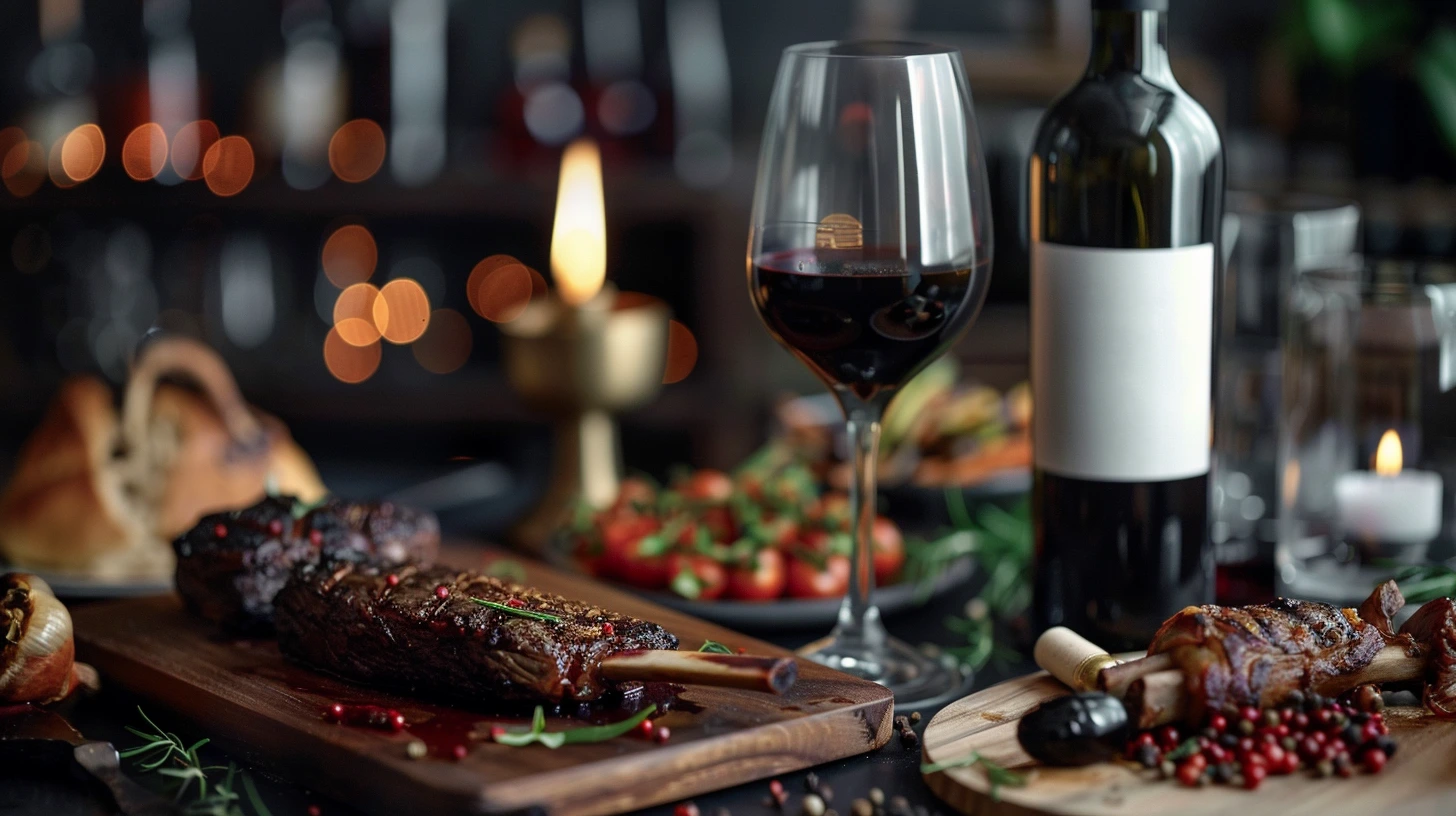
Wine pairing

What to drink with Carne Asada

Pairings are chosen around the dish’s flavour, texture, richness, acidity and cooking style — not just the country it comes from.

Cabernet Sauvignon / Bordeaux wine pairing
#1 Excellent match Red

Cabernet Sauvignon / Bordeaux

Why it works: Cabernet Sauvignon / Bordeaux has the structure for Carne Asada: concentrated fruit and savoury depth match the beef, while tannin is softened by the dish's protein and fat.

Structured red with blackcurrant, cedar, graphite and firm tannins. Best with roast beef, lamb, steak, rich gravies and hard cheese.

GrapeCabernet Sauvignon, Merlot, Cabernet Franc
RegionBordeaux, Napa, Coonawarra, Maipo
Wine flavourblackcurrant, cedar, graphite, tobacco
Serve at16-18°C
  • Flavour bridge: dark fruit, spice and savoury notes mirror browned meat and roasting flavours
  • Acidity: Sufficient acidity keeps a rich meat dish energetic
  • Body: Medium-full to full body matches the weight of the meat
  • Tannin: Firm tannin is buffered by protein and fat
  • Sweetness: Dry style maintains a savoury finish
  • Best for: Dinner, entertaining or recipe pairing
Malbec wine pairing
#2 Great match Red

Malbec

Why it works: Malbec offers a different but equally credible structure for Carne Asada: concentrated fruit and savoury depth match the beef, while tannin is softened by the dish's protein and fat.

Plush, dark red with blackberry, plum, cocoa and smooth tannins. Excellent with beef, charred meat, pies and smoky dishes.

GrapeMalbec
RegionMendoza, Cahors
Wine flavourblackberry, plum, cocoa, violet
Serve at16-18°C
  • Flavour bridge: dark fruit, spice and savoury notes mirror browned meat and roasting flavours
  • Acidity: Sufficient acidity keeps a rich meat dish energetic
  • Body: Medium-full to full body matches the weight of the meat
  • Tannin: Firm tannin is buffered by protein and fat
  • Sweetness: Dry style maintains a savoury finish
  • Best for: Dinner, entertaining or recipe pairing
Syrah / Shiraz wine pairing
#3 Interesting match Red

Syrah / Shiraz

Why it works: For a more adventurous pairing, syrah / Shiraz has the structure for Carne Asada: concentrated fruit and savoury depth match the beef, while tannin is softened by the dish's protein and fat.

Peppery, dark-fruited red with savoury spice and medium-to-firm tannins. Great with grilled meat, pepper, smoke, sausages and rich stews.

GrapeSyrah, Shiraz
RegionNorthern Rhône, Barossa, South Africa
Wine flavourblackberry, black pepper, olive, smoke
Serve at16-18°C
  • Flavour bridge: dark fruit, spice and savoury notes mirror browned meat and roasting flavours
  • Acidity: Sufficient acidity keeps a rich meat dish energetic
  • Body: Medium-full to full body matches the weight of the meat
  • Tannin: Firm tannin is buffered by protein and fat
  • Sweetness: Dry style maintains a savoury finish
  • Best for: Dinner, entertaining or recipe pairing

These are wine-style pairings, so you can choose any bottle in that style rather than needing one exact producer. Look for the grape, region or style name on the label.

Bottle suggestions

Specific wines to try

These are individual wines already linked to this recipe.