Why Mexican cuisine is worth exploring
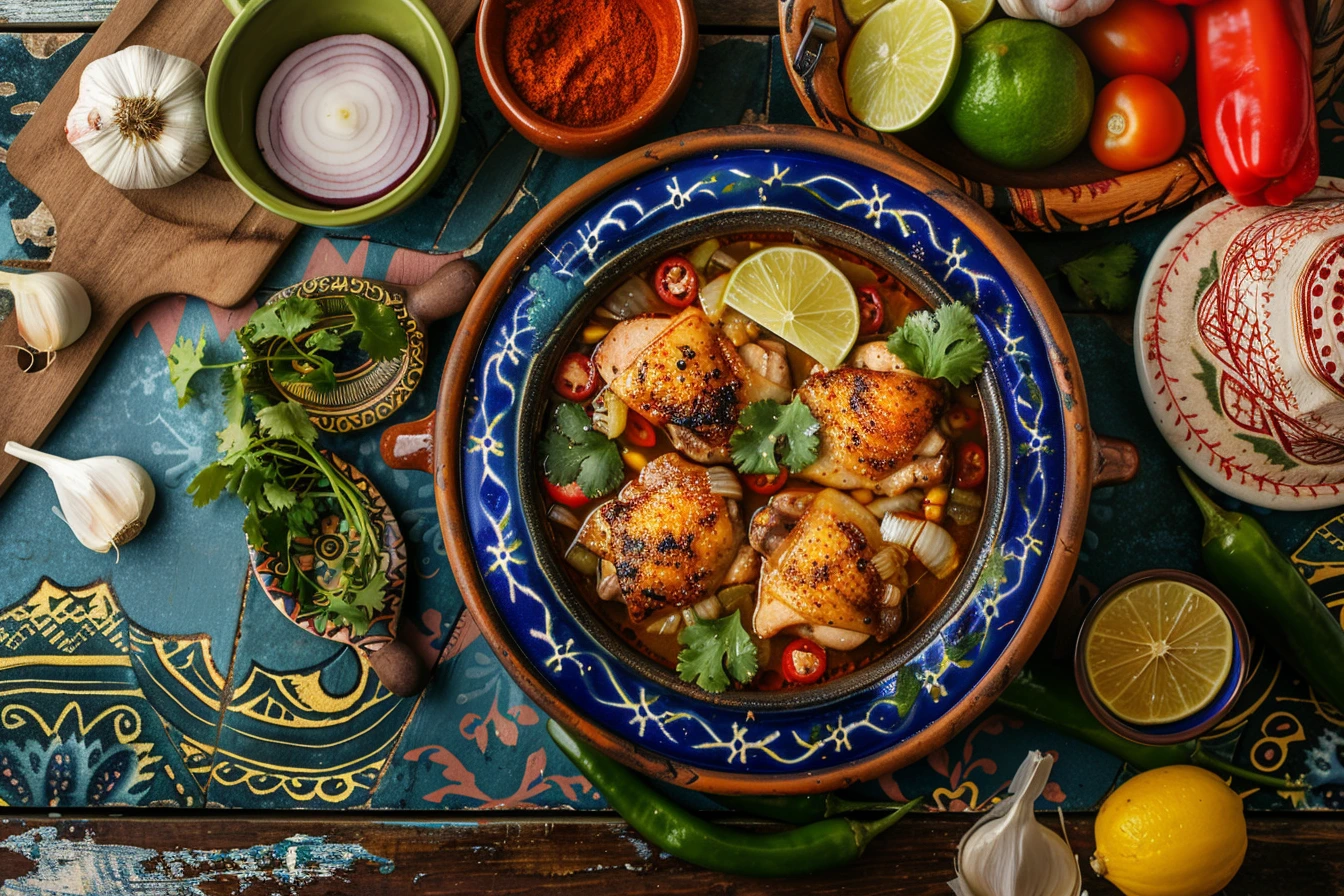
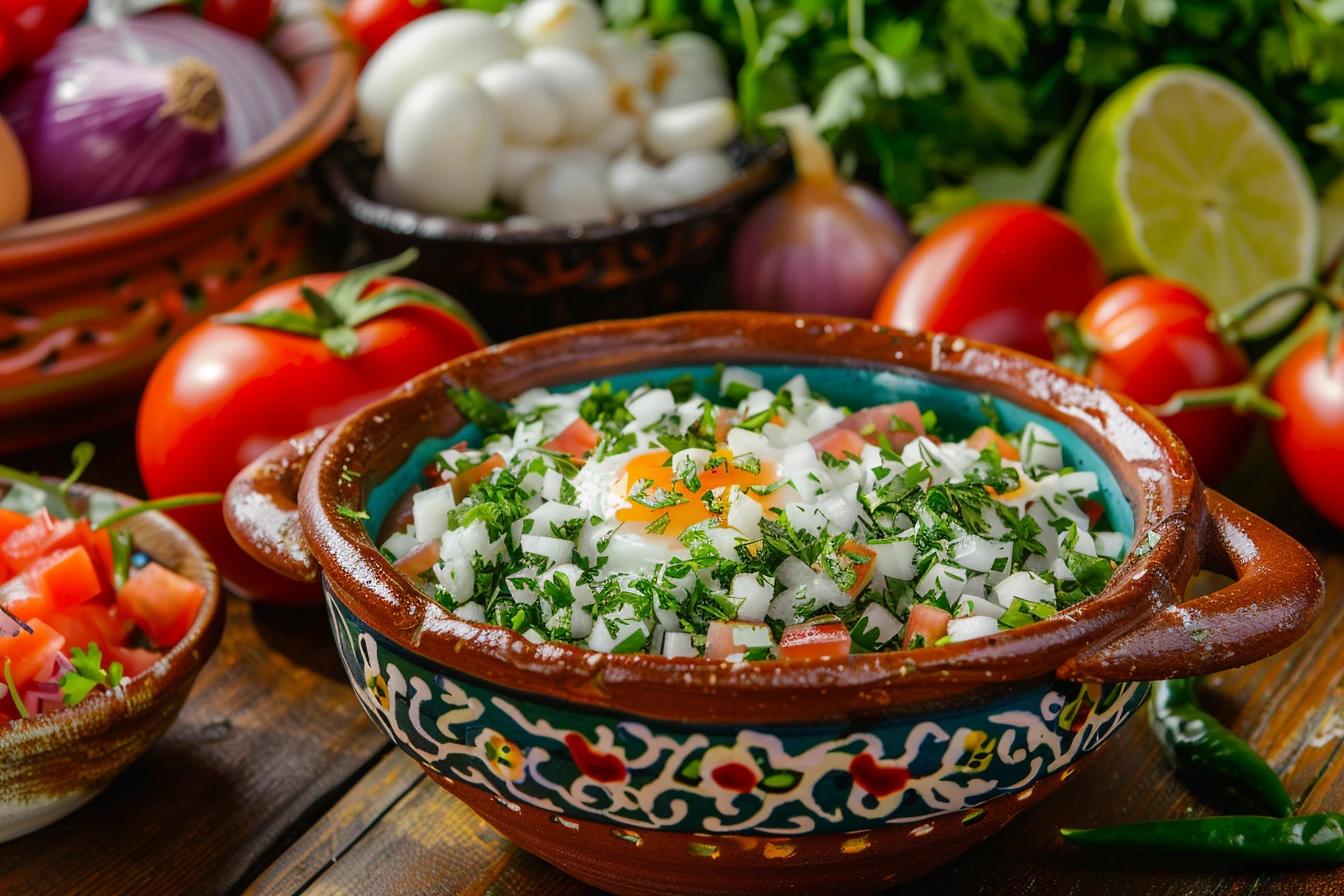
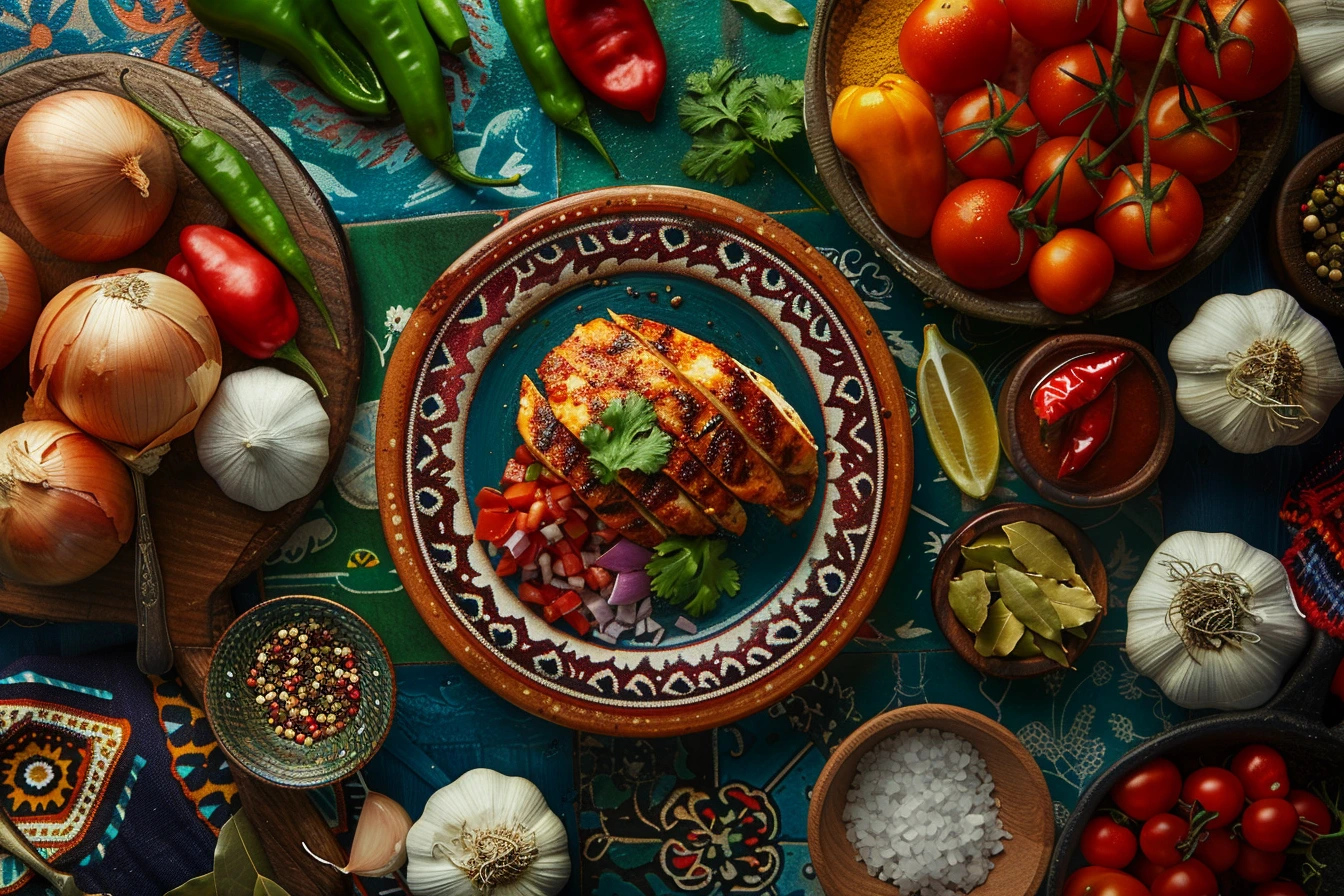
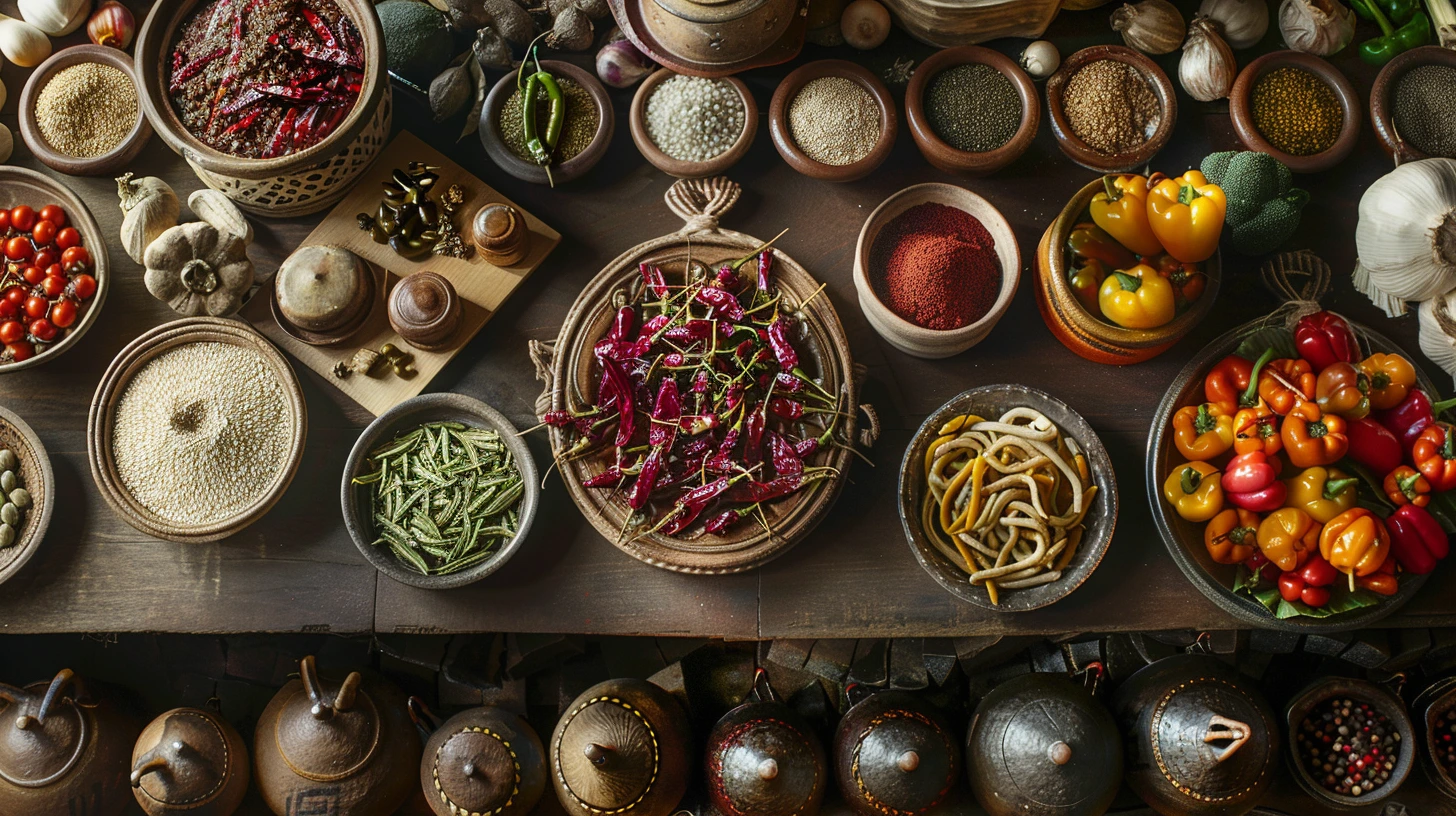
Mexican cuisine grew from sophisticated Indigenous food systems built around maize, beans, squash, chillies, tomatoes and cacao, then changed profoundly after the Spanish conquest introduced new animals, dairy, wheat and additional cooking traditions. The result is not a simple fusion but a vast set of regional cuisines with deep pre-Hispanic roots.
Why it is famous
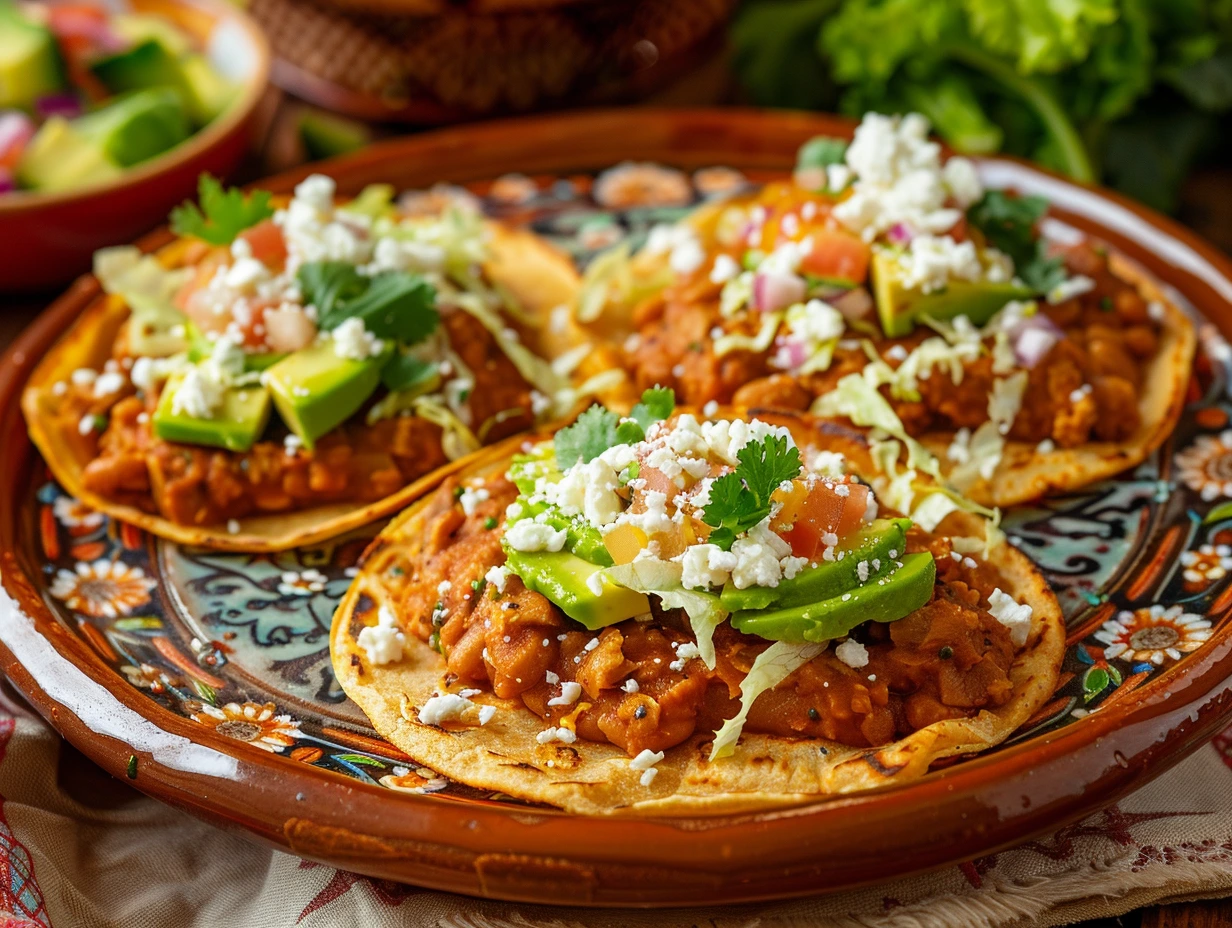
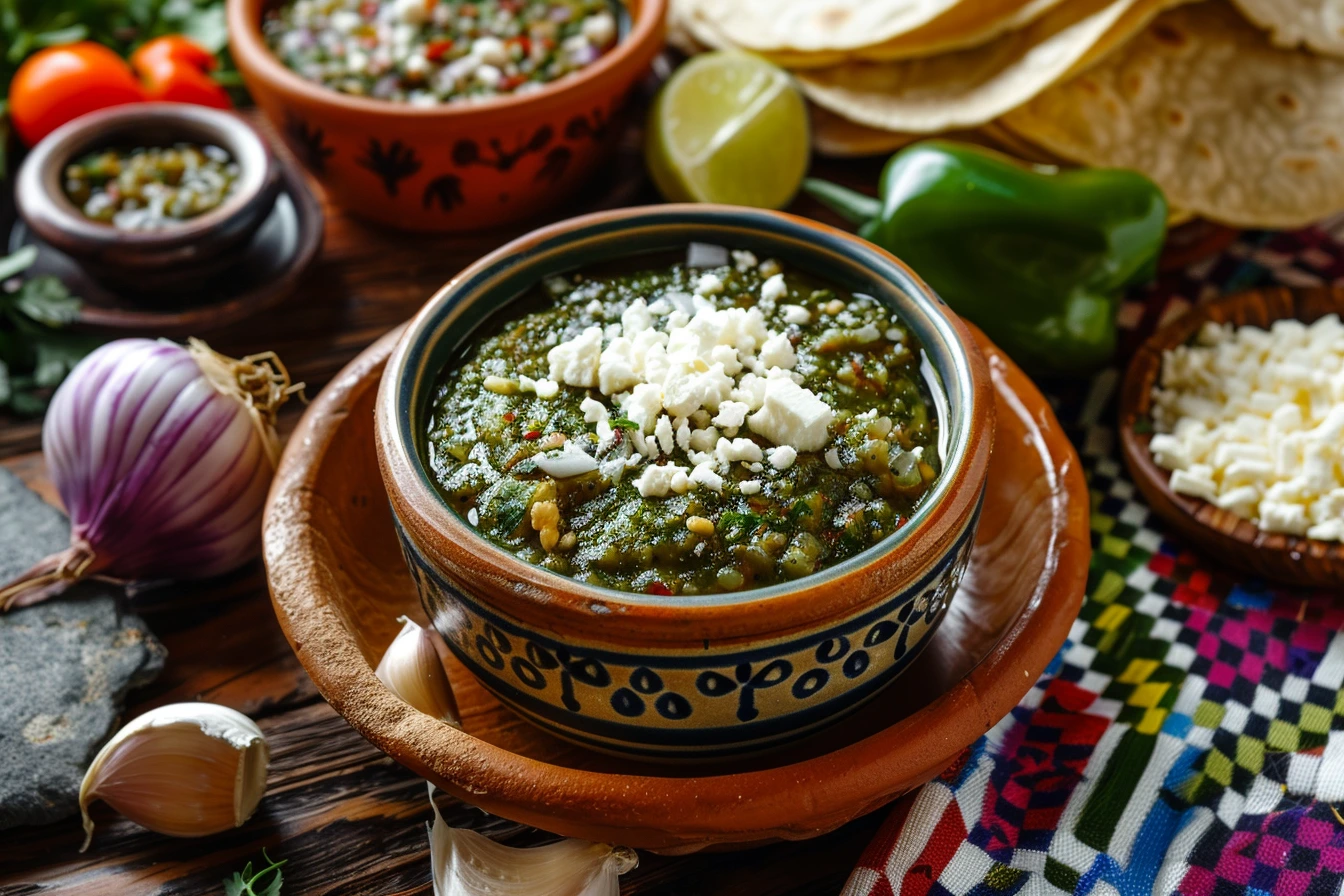
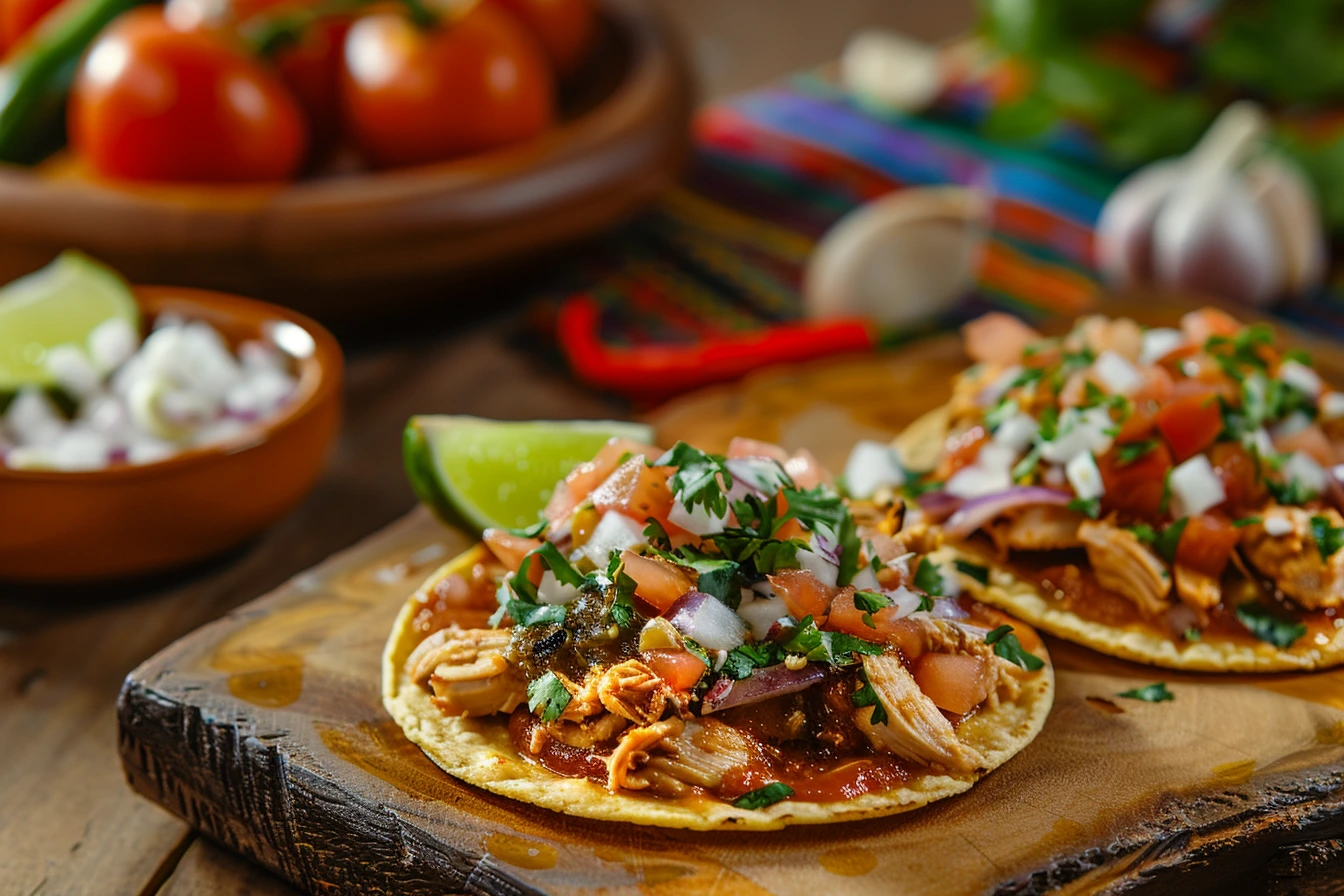
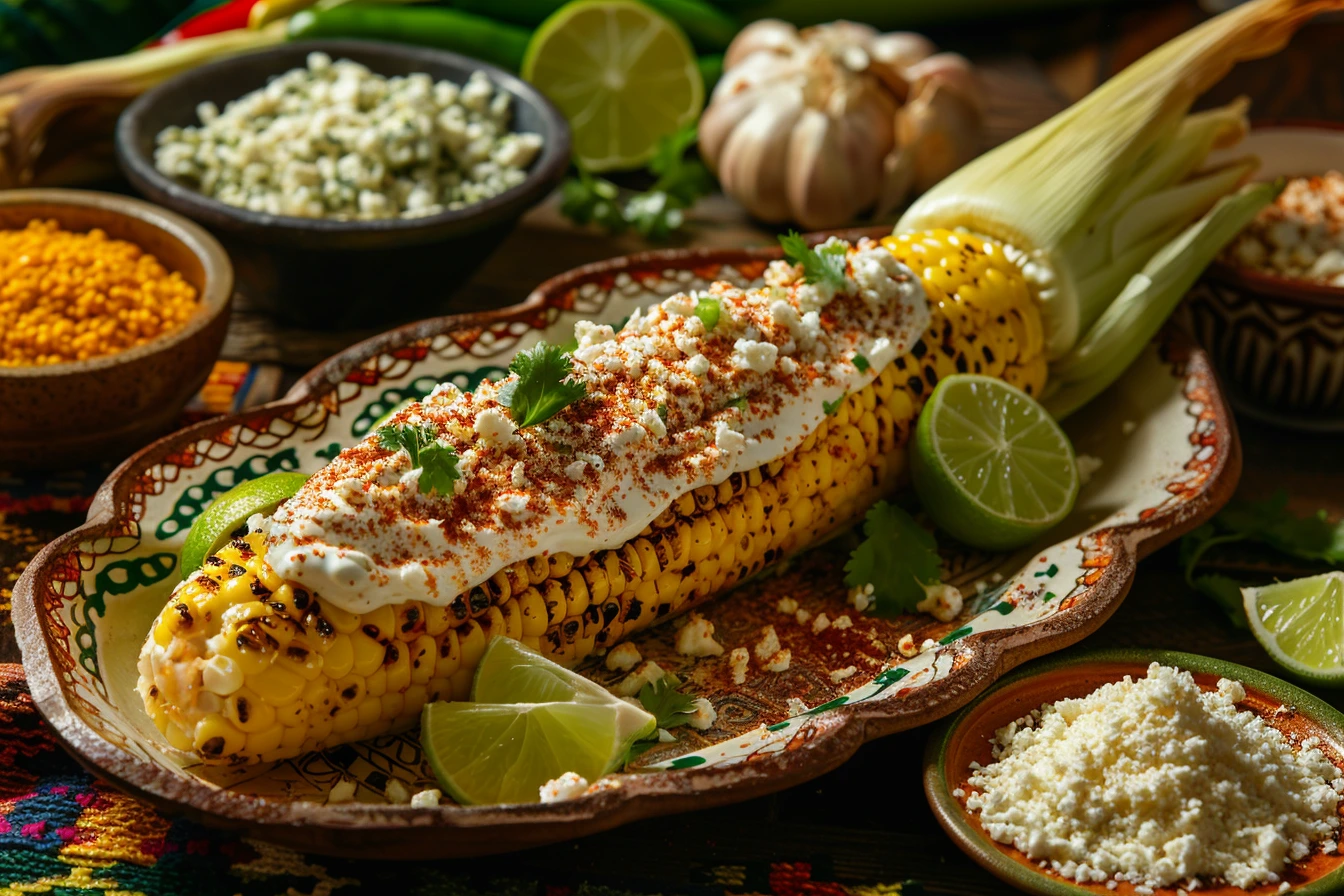
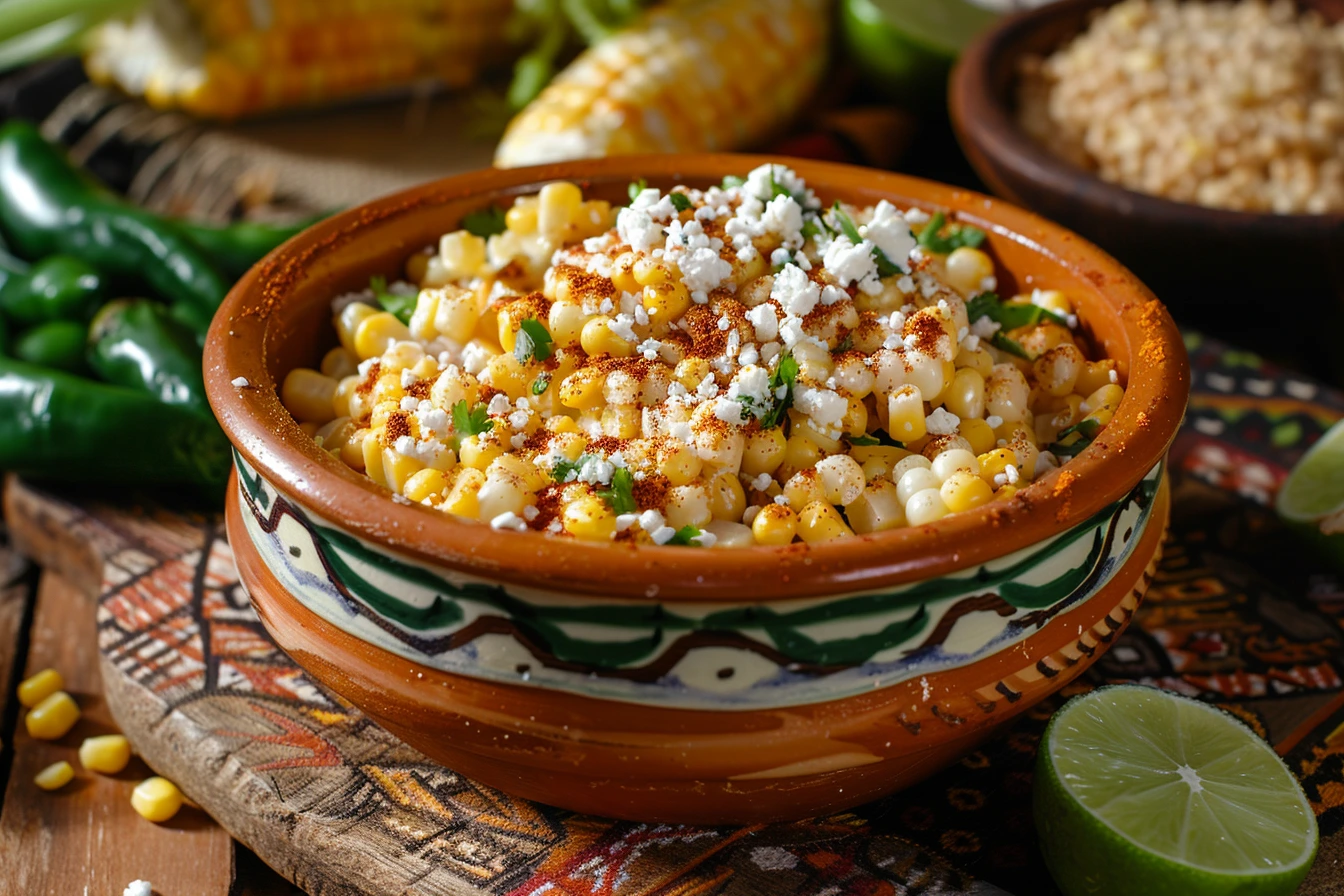
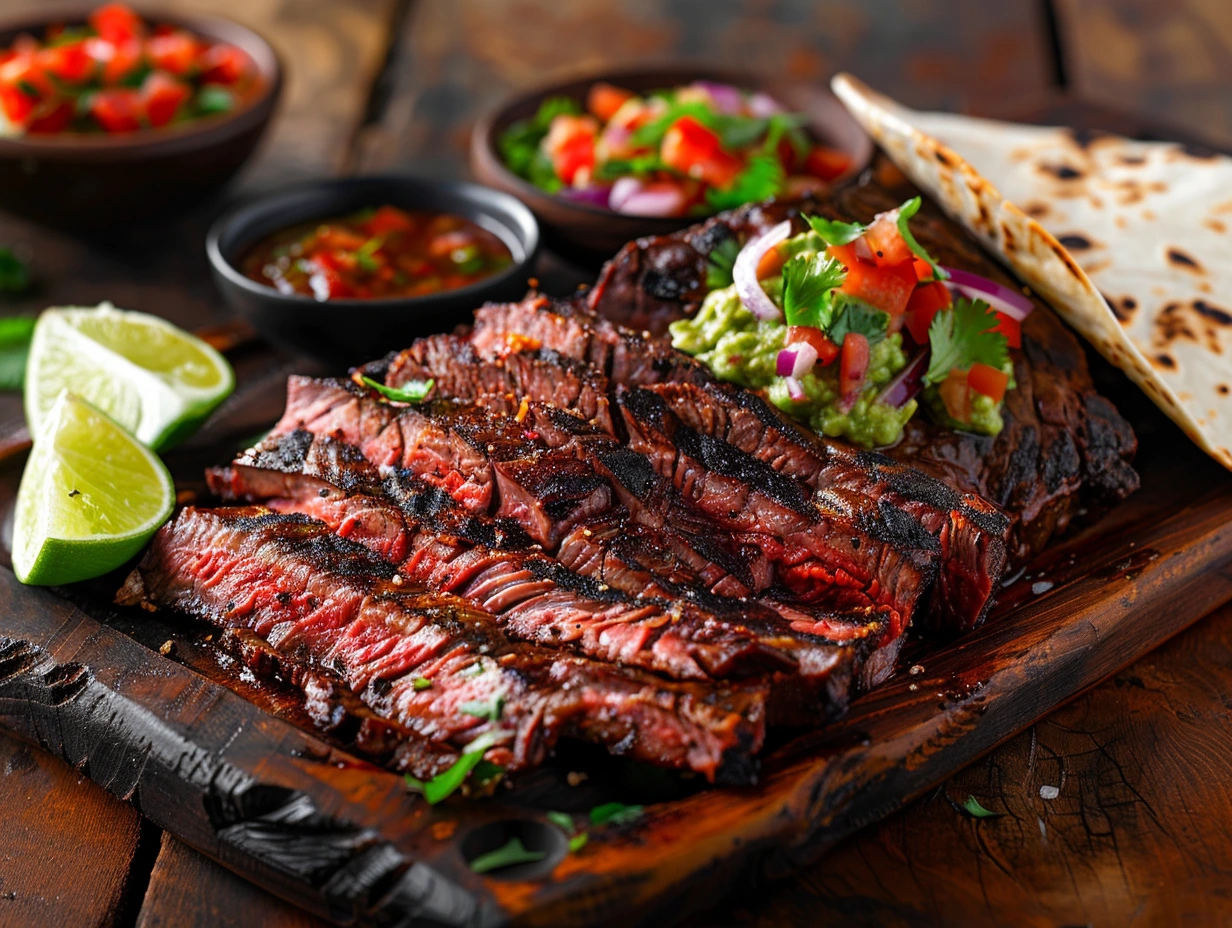
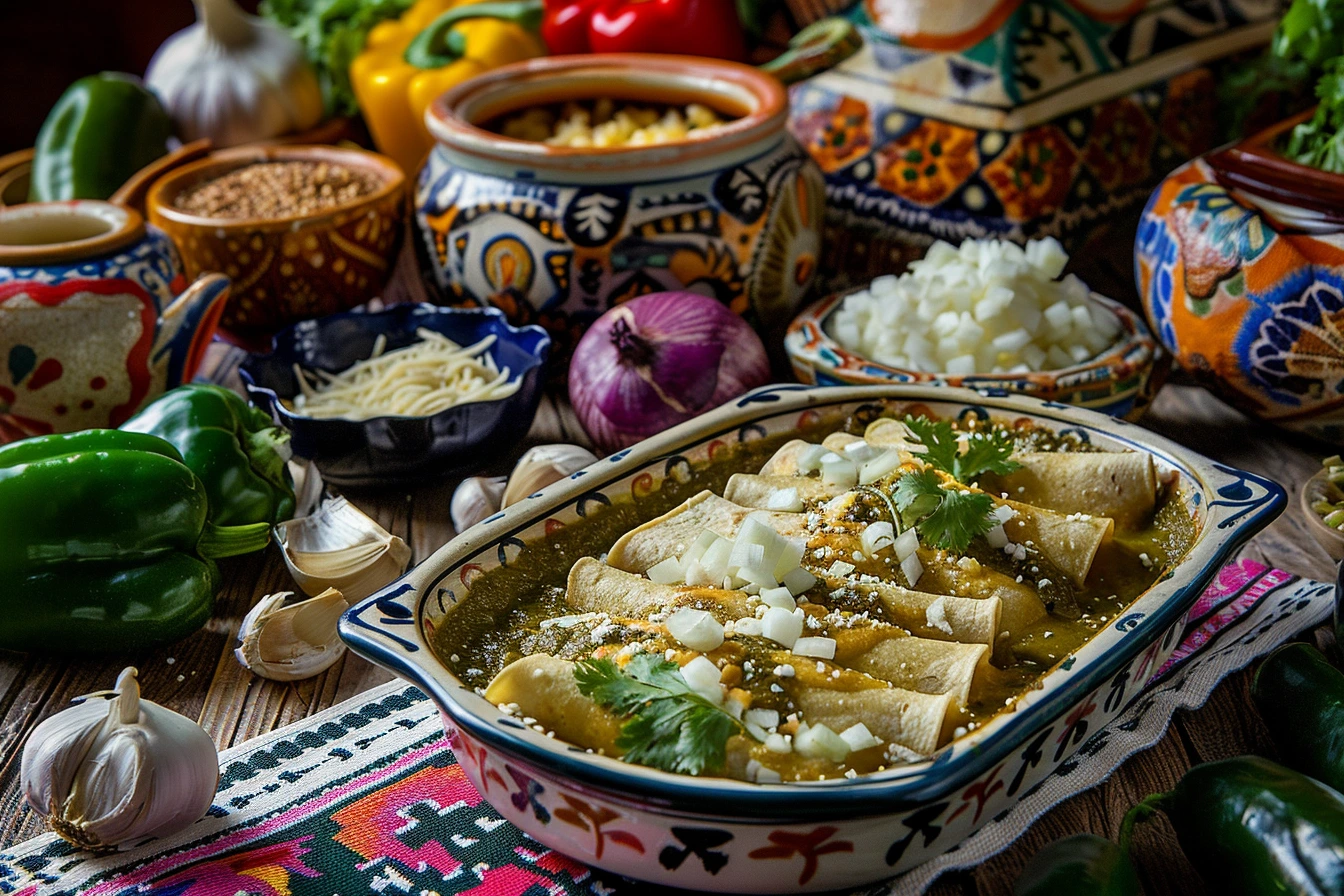
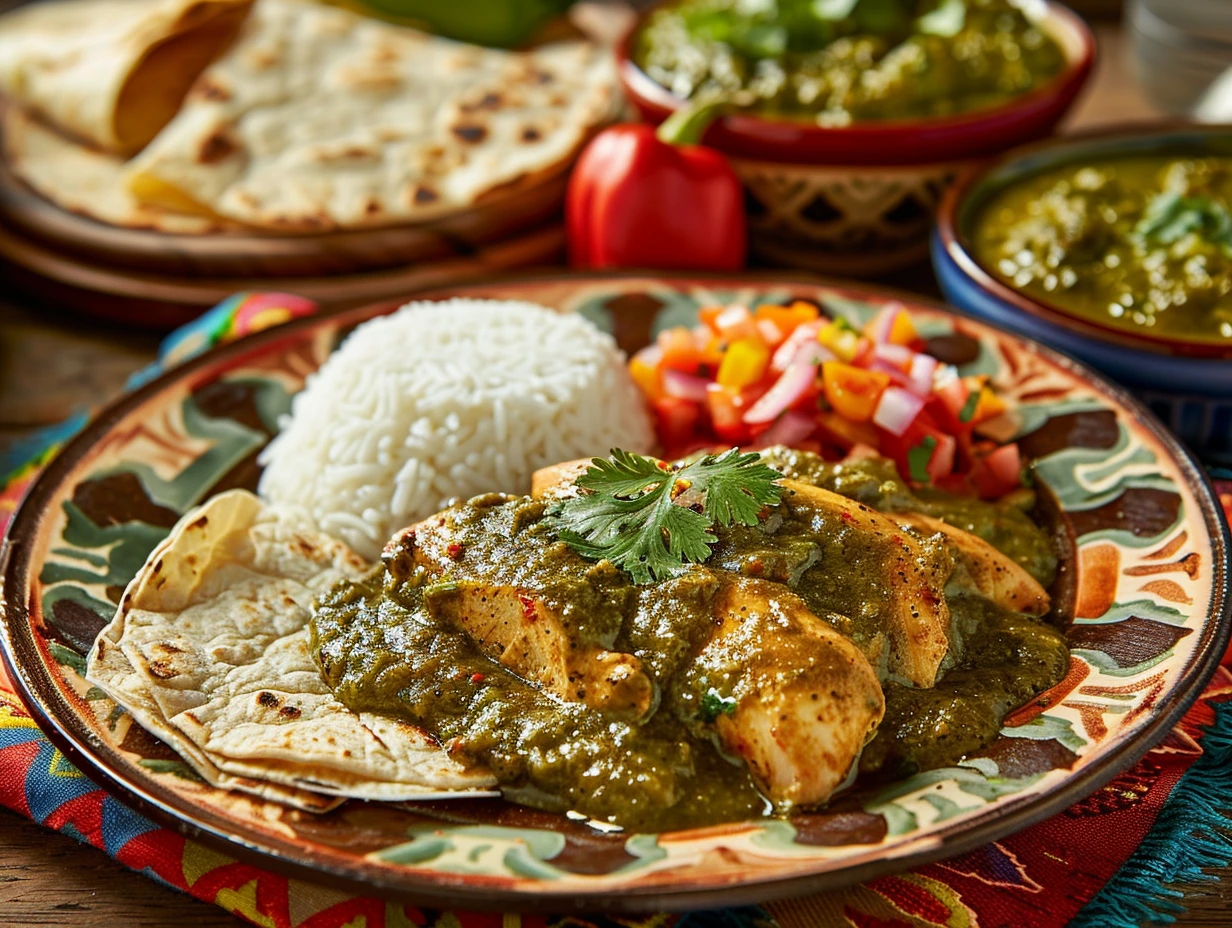
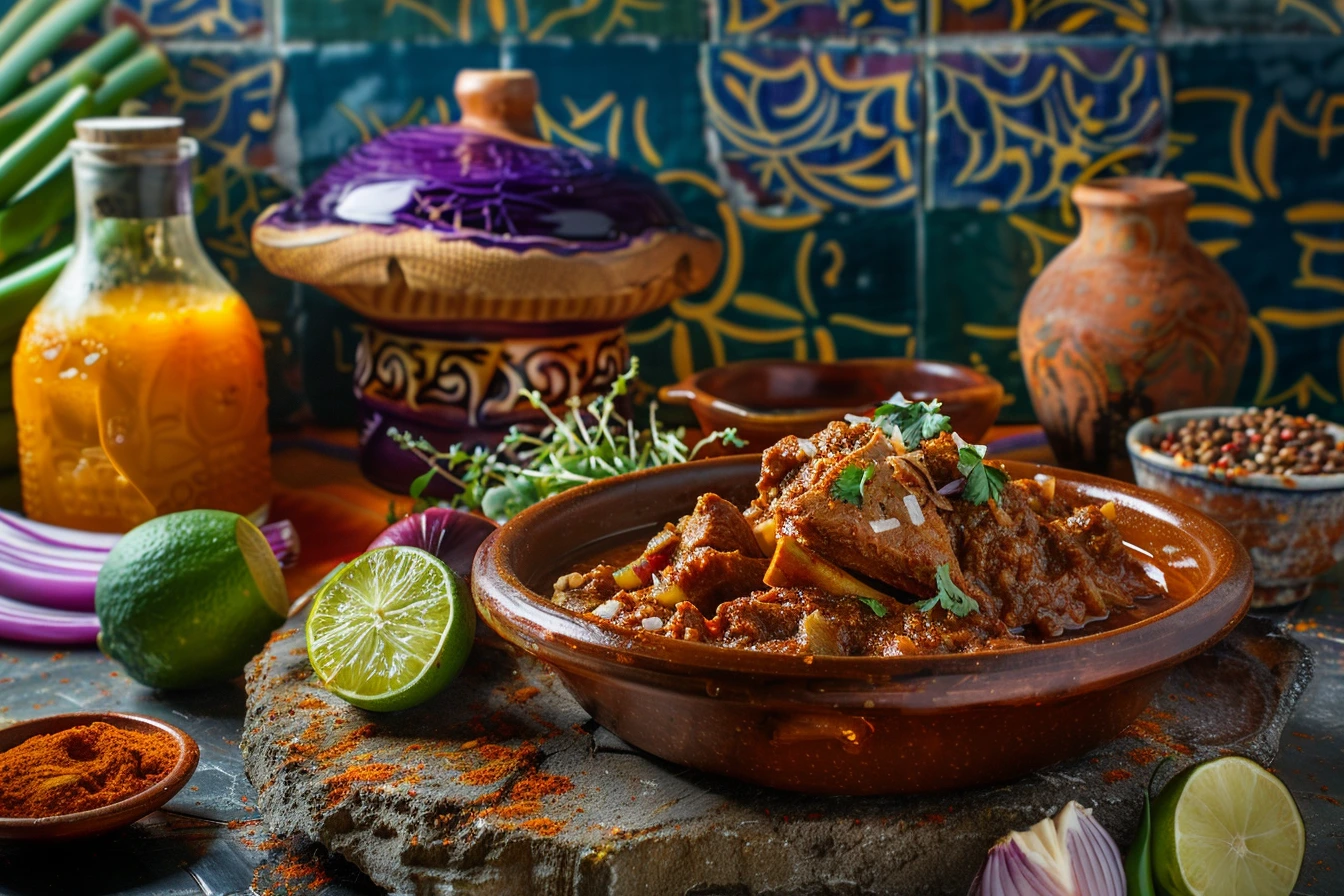
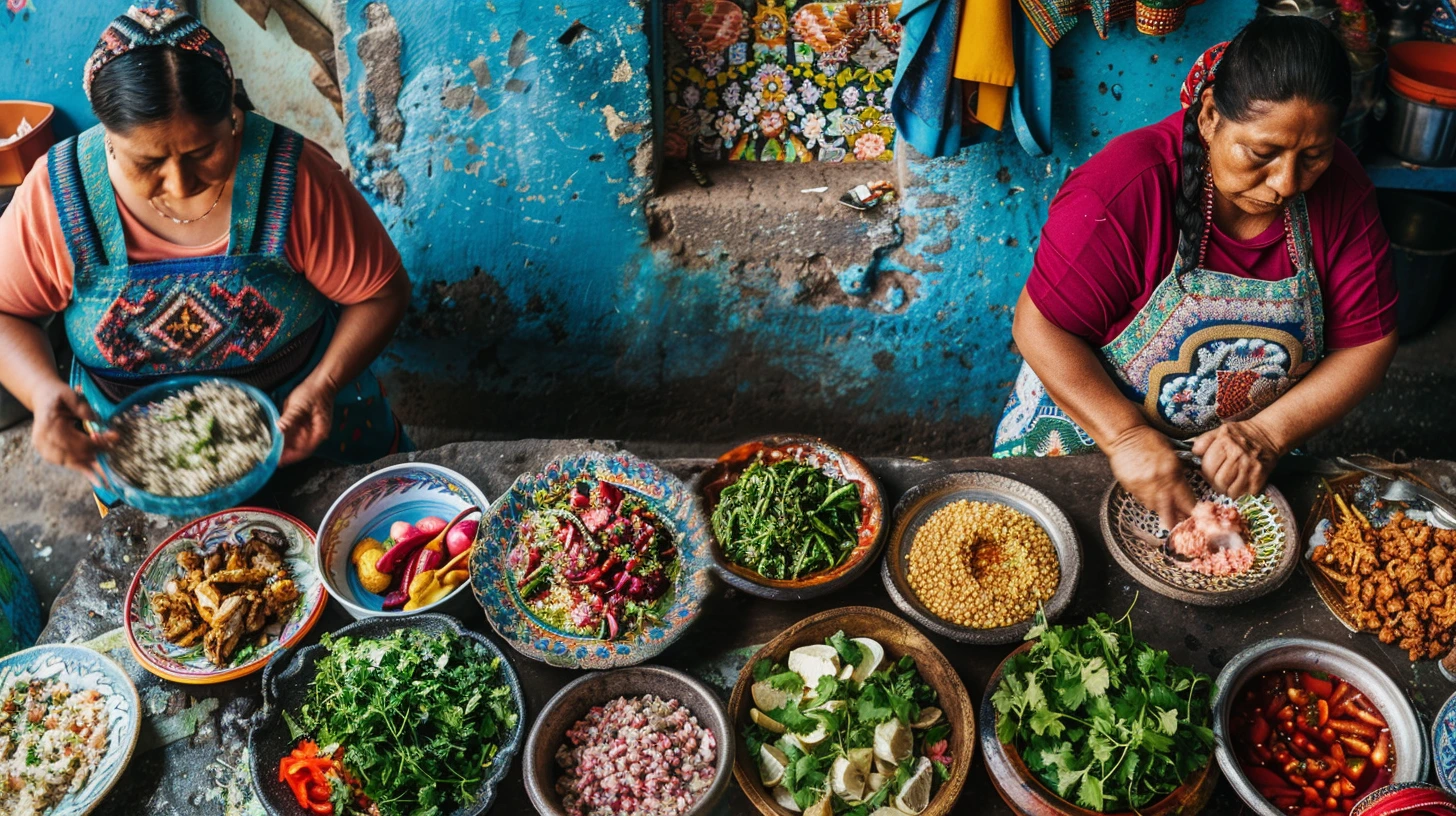
The international reputation of Mexican food rests partly on tacos, tamales, mole, pozole, enchiladas, tortillas, barbacoa, carnitas, ceviche and regional salsas. Yet many of the most revealing things to cook are less famous: the soups, breads, vegetable dishes, preserves and regional meals that show how people have used local ingredients day after day.
Regional food story
Oaxaca is celebrated for moles and maize traditions; Yucatán cooking uses achiote and sour citrus; Puebla is associated with mole poblano; Baja California has a strong seafood culture; northern states are known for beef and flour tortillas; Veracruz reflects Gulf, Caribbean and Afro-Mexican influences.