Hungarian cuisine combines pastoral traditions, Danube agriculture, Ottoman influence and the food of Central European towns. Paprika, onions, pork, sour cream, dumplings, river fish and pastries appear in dishes that range from simple soups to elaborate celebration food.
Hungarian cuisine grew on the Great Plain and along Danube trade routes, shaped by Magyar pastoral traditions, Ottoman occupation, Habsburg rule and central-European exchange. Paprika, introduced after the arrival of New World peppers, became a defining ingredient only later.
Why it is famous
Goulash, pörkölt, paprikash, lángos, stuffed cabbage, sausages and layered pastries are some of the foods that have made Hungarian cuisine recognisable around the world. Explore further and the picture becomes much richer, with local dishes and everyday combinations that rarely travel as widely as the famous names.
Regional food story
The Great Plain is associated with cattle, paprika and hearty stews; Transdanubia has different wine and dairy traditions; the north brings mountain and Slovak influences; Budapest developed a rich café, pastry and restaurant culture.
Cook by course
Hungarian recipes
Start with a starter, choose a main, then finish with a dessert to build a complete country-inspired menu.
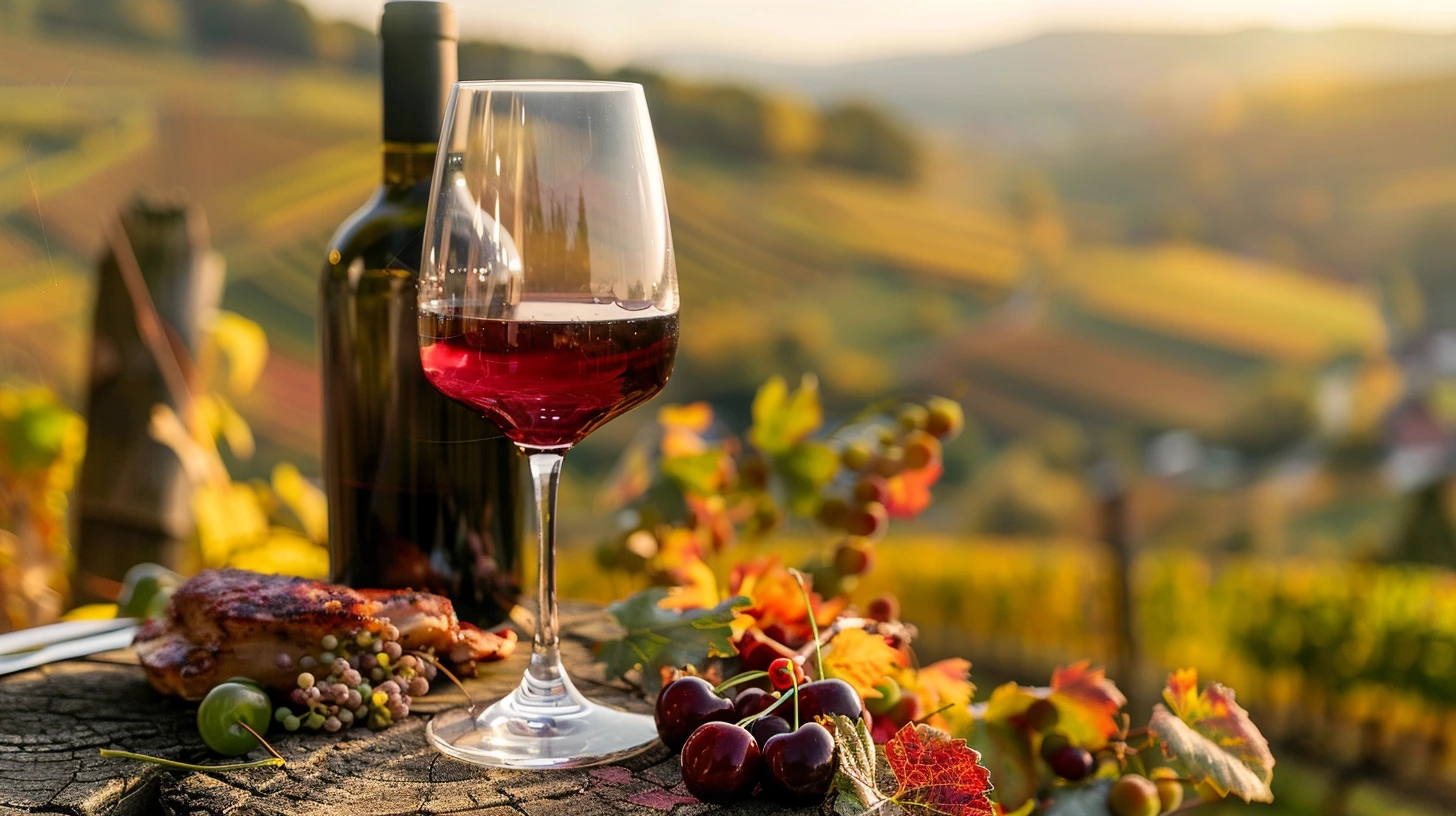
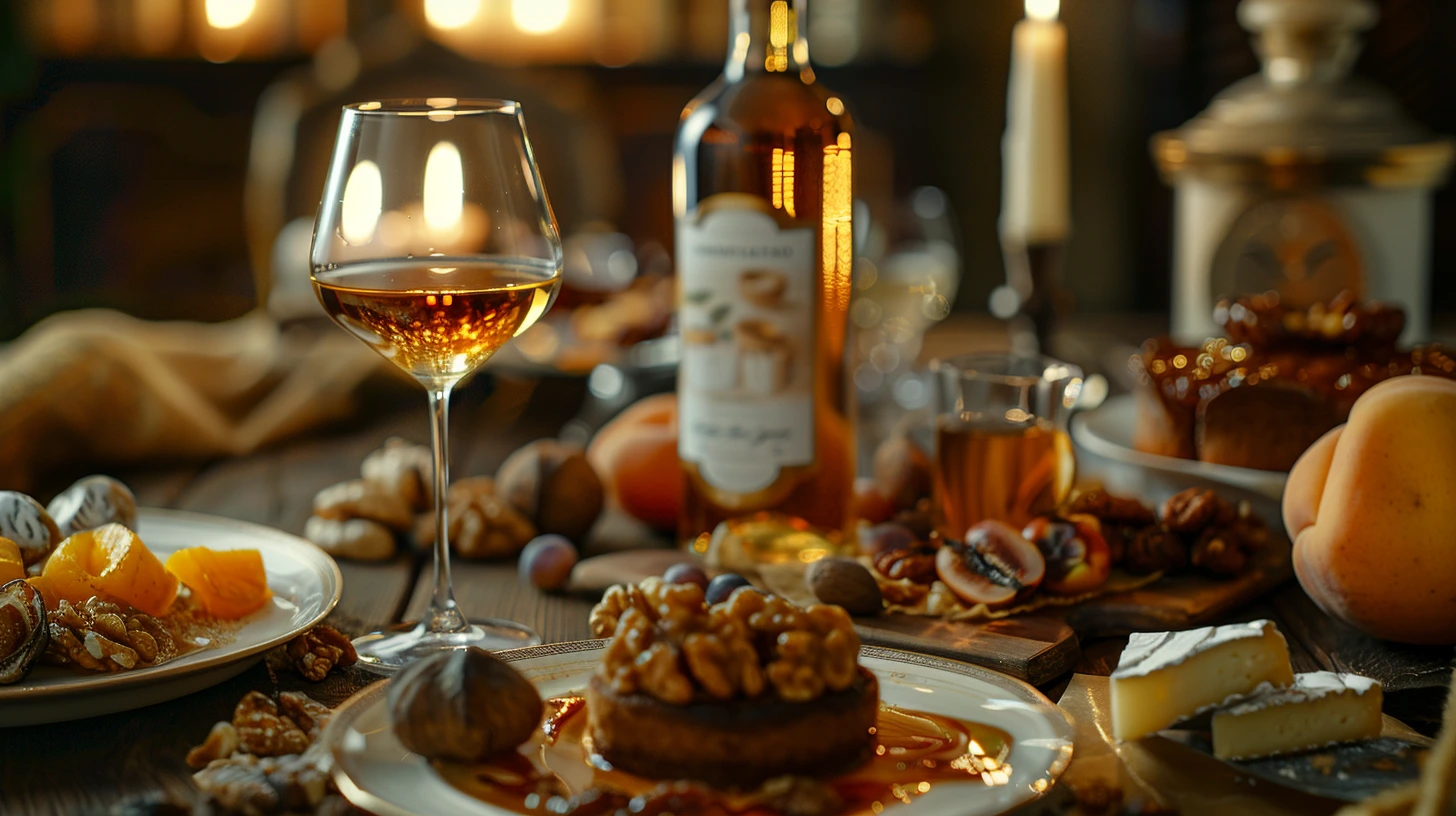
Dry Furmint works with fish soup, pork and creamy noodles; Kékfrankos or Egri Bikavér suits goulash and paprika stews; Tokaji Aszú is excellent with nut, pancake and chestnut desserts.
Red
Kékfrankos / Egri Bikavér
Hungarian red style with cherry, sour plum, pepper and savoury spice. Pairs well with paprika stews, goulash, pork and…
Use fresh Hungarian-style paprika and protect it from scorching. Keep onions, lard or oil, sour cream, flour, potatoes and suitable noodles, then buy good pork, beef or freshwater fish for the dish. Sweet, hot and smoked paprikas should not be treated as interchangeable.