Why Chinese cuisine is worth exploring
Chinese cuisine is the product of thousands of years of agriculture, migration, imperial courts, trade and regional adaptation. Wheat dominates many northern traditions while rice is central further south, and techniques such as stir-frying, steaming, braising, roasting, pickling and fermentation developed in response to very different climates and ingredients.
Why it is famous
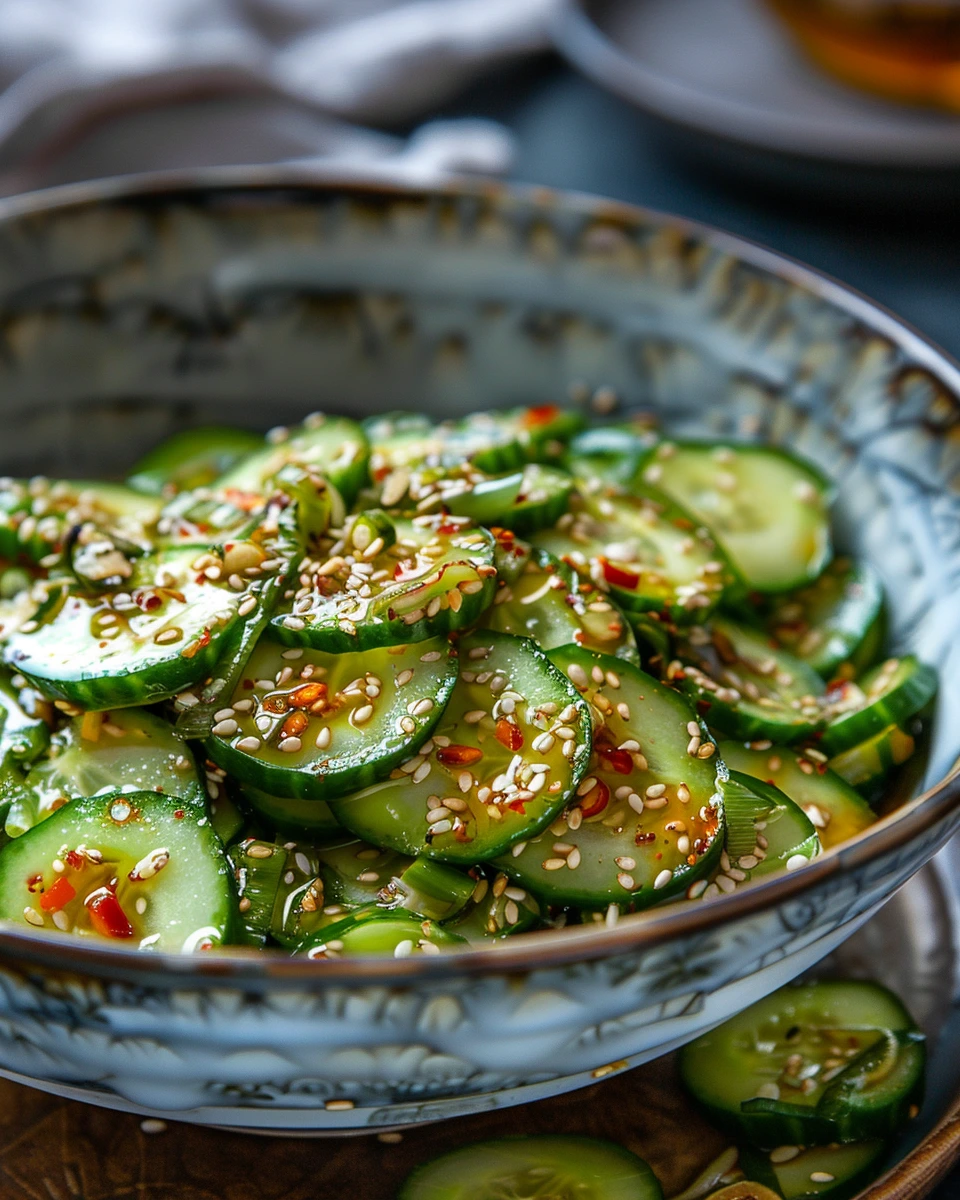
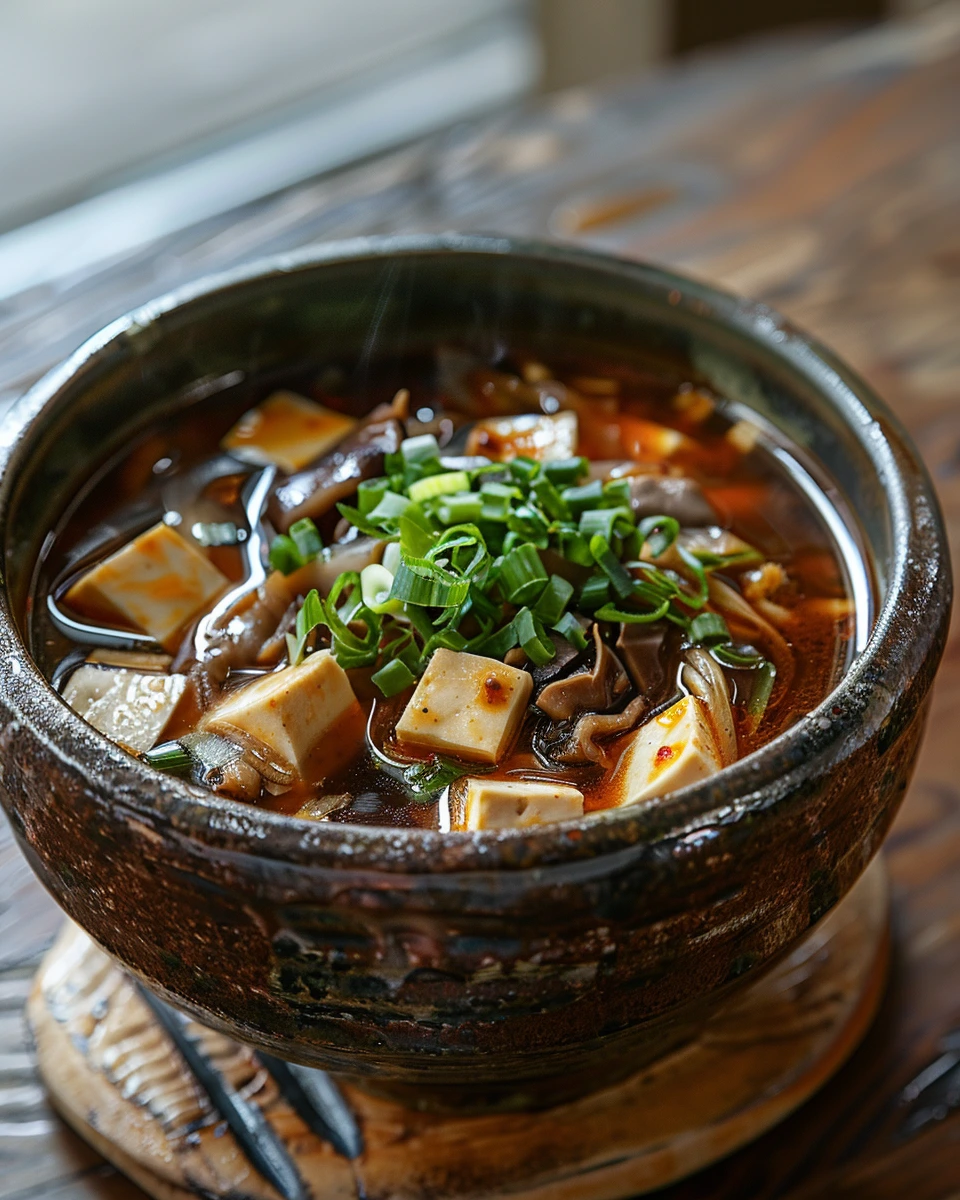
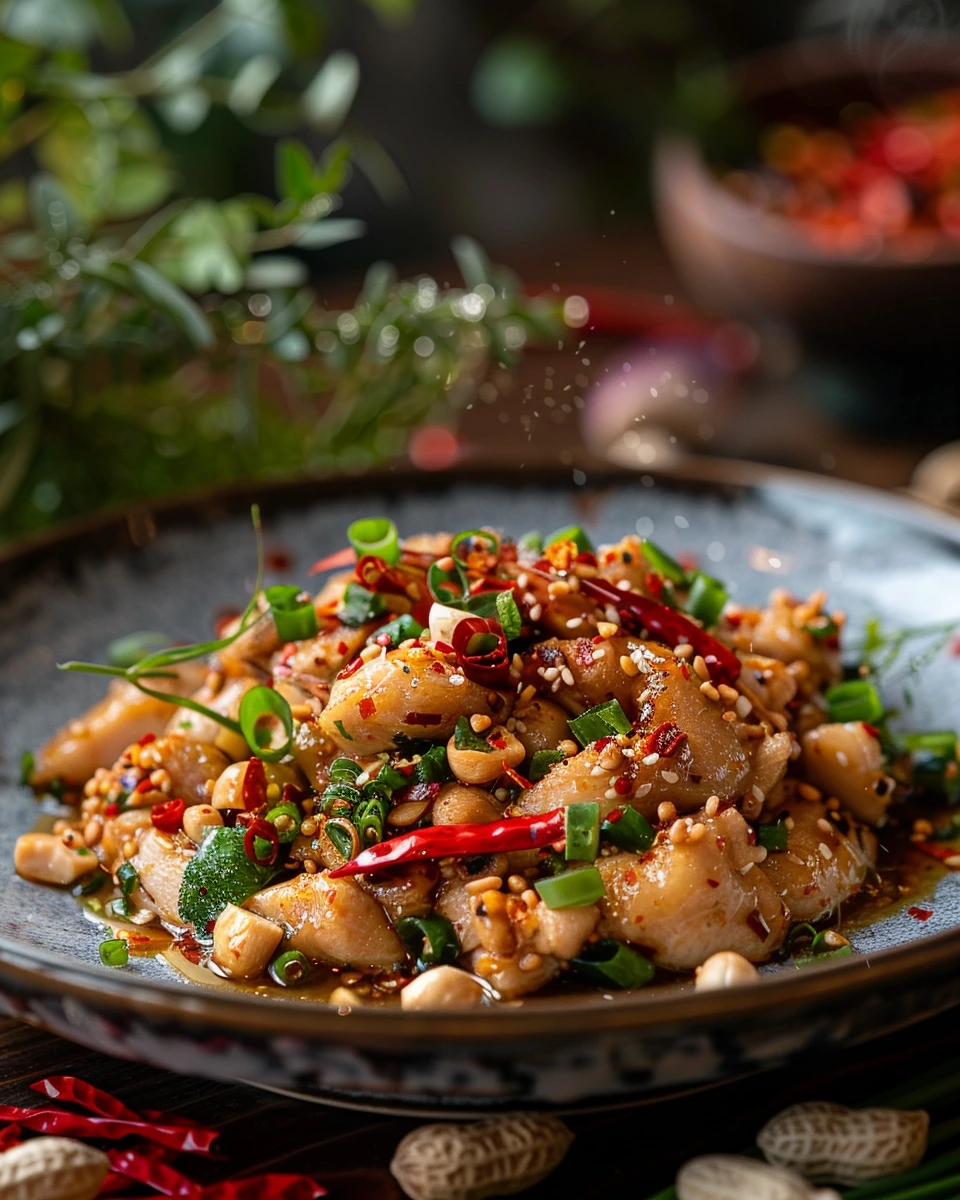
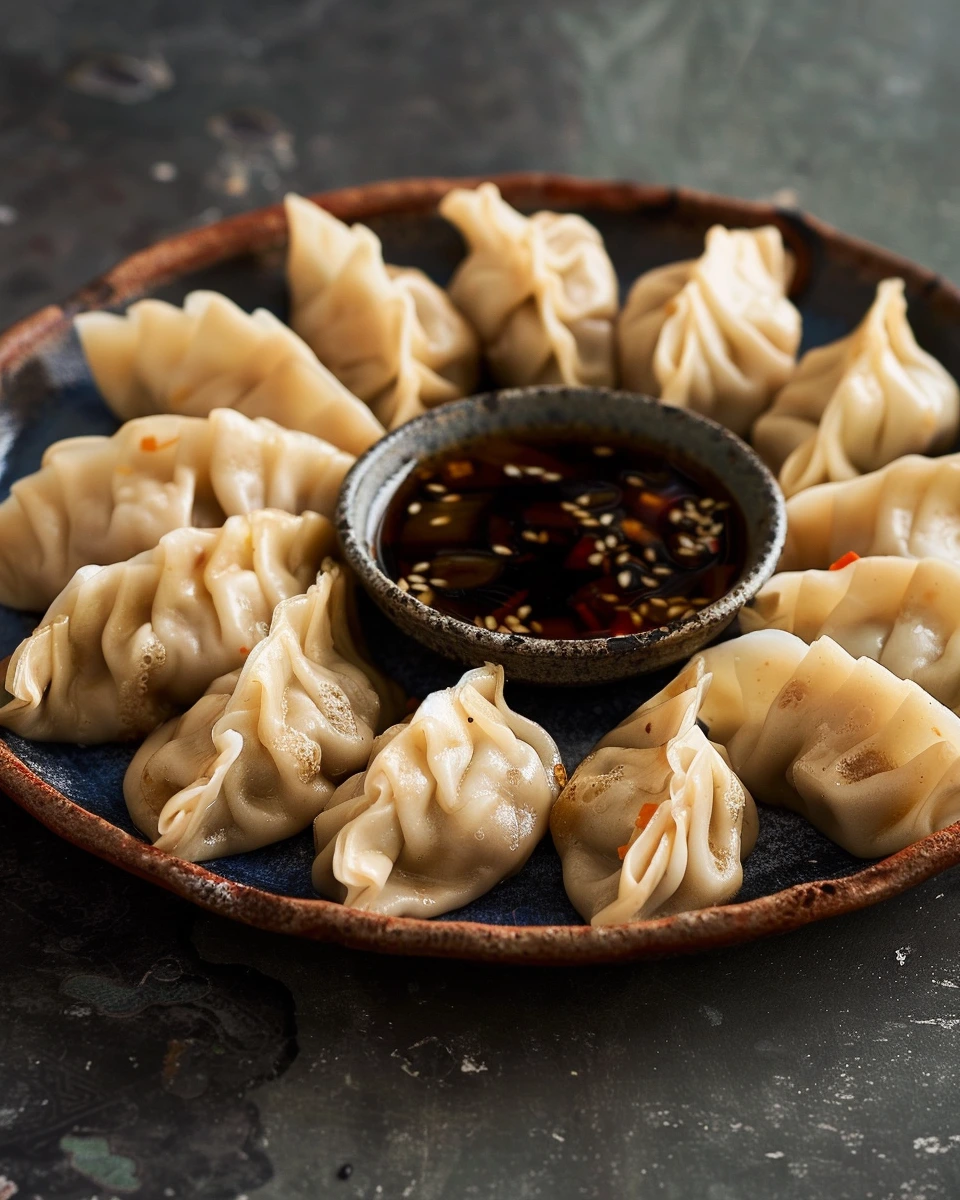
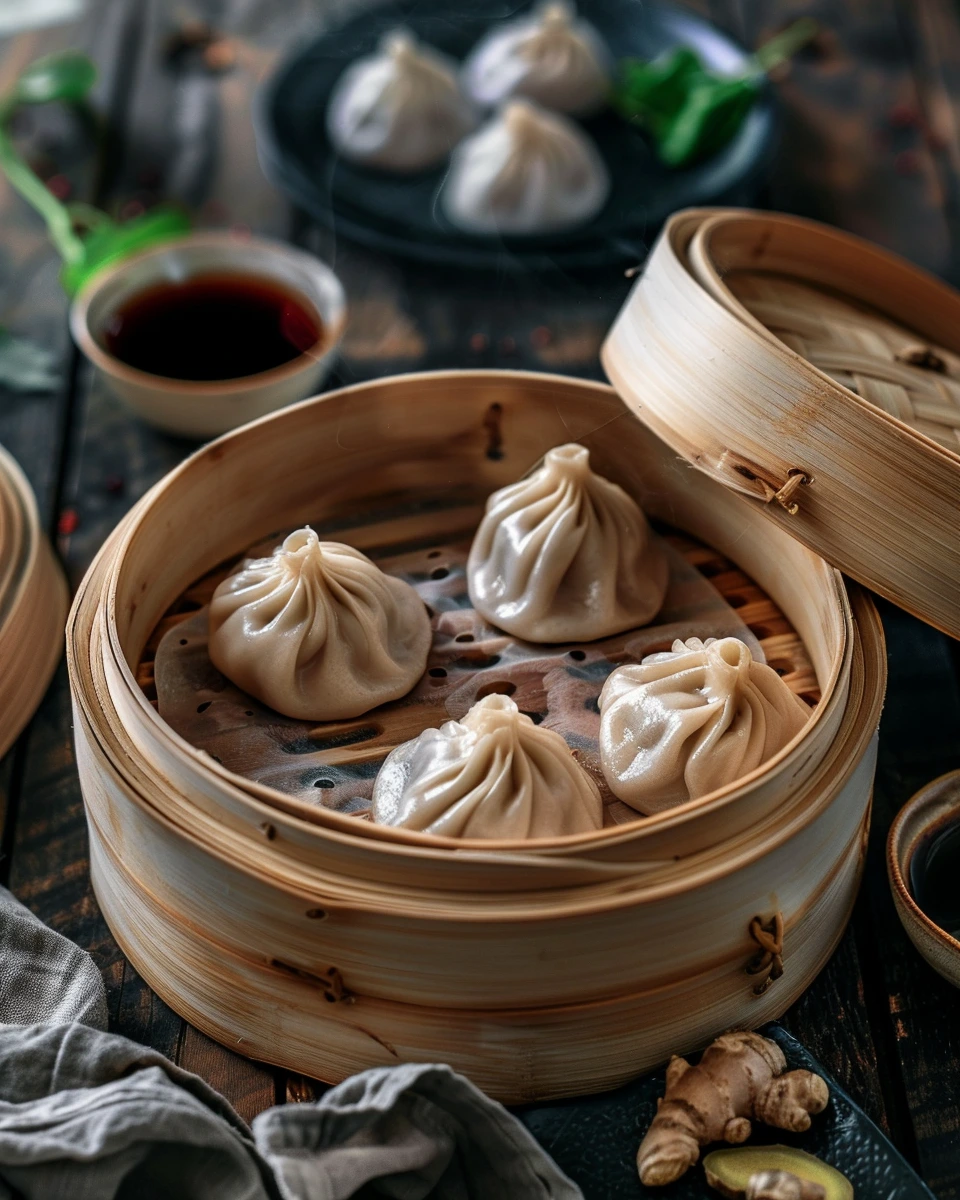
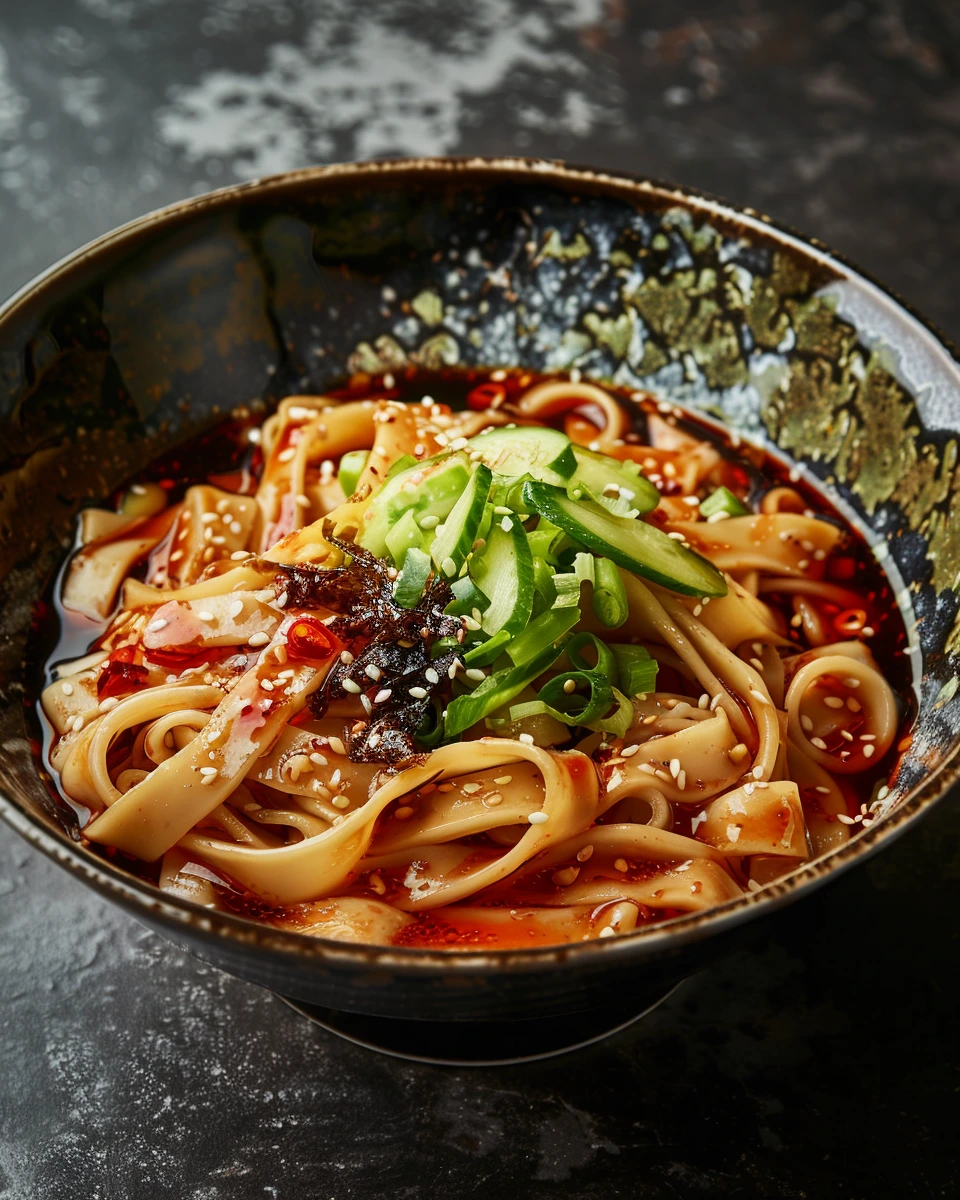
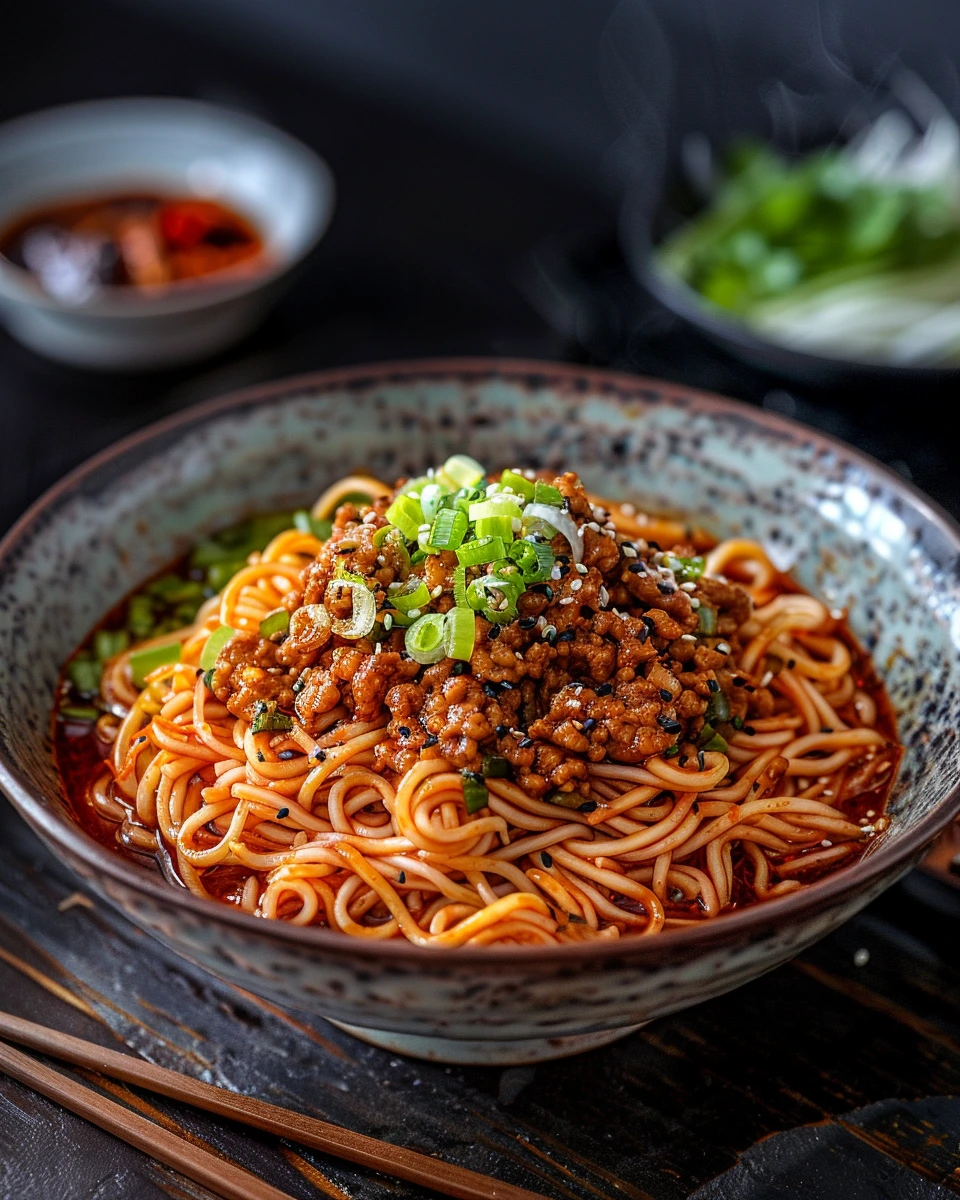
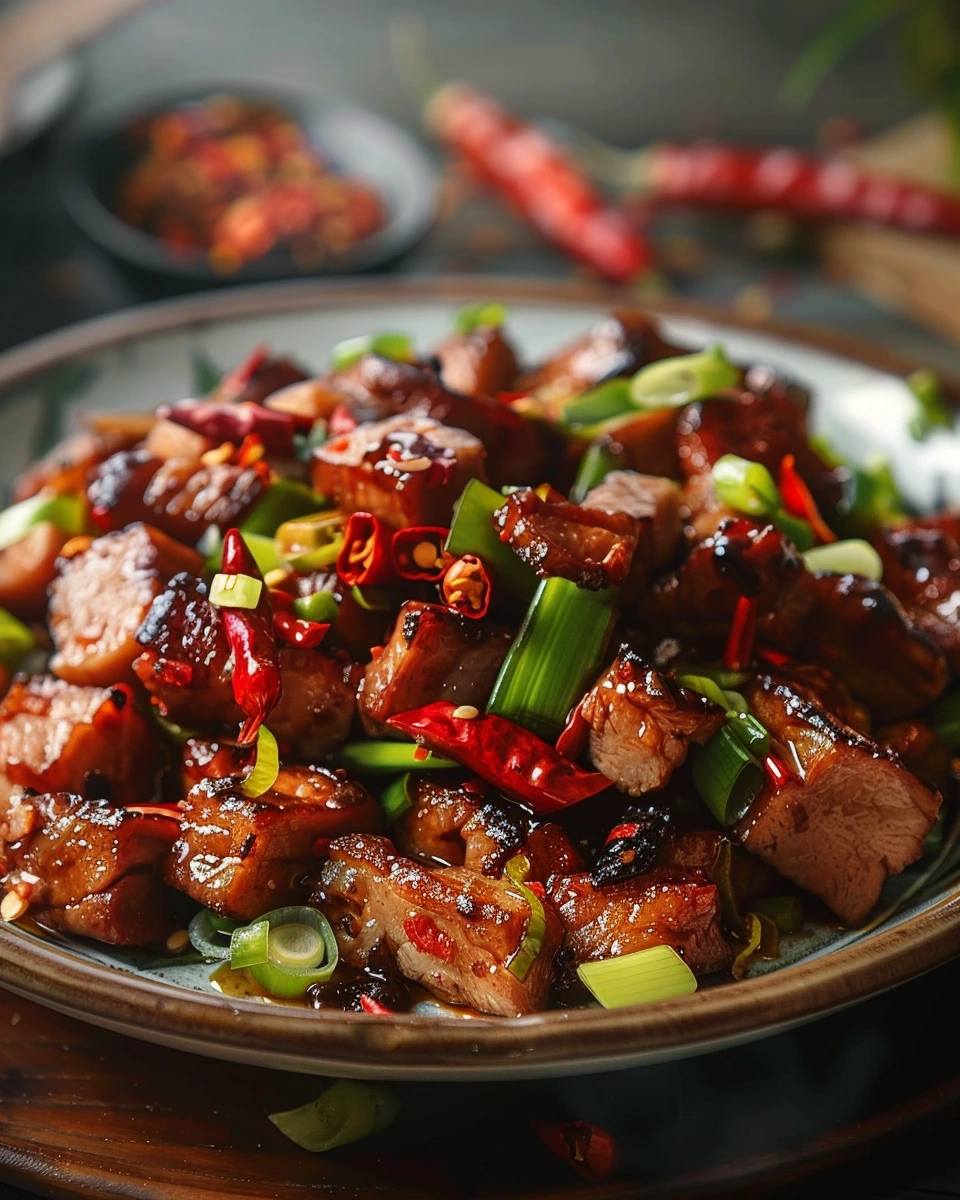
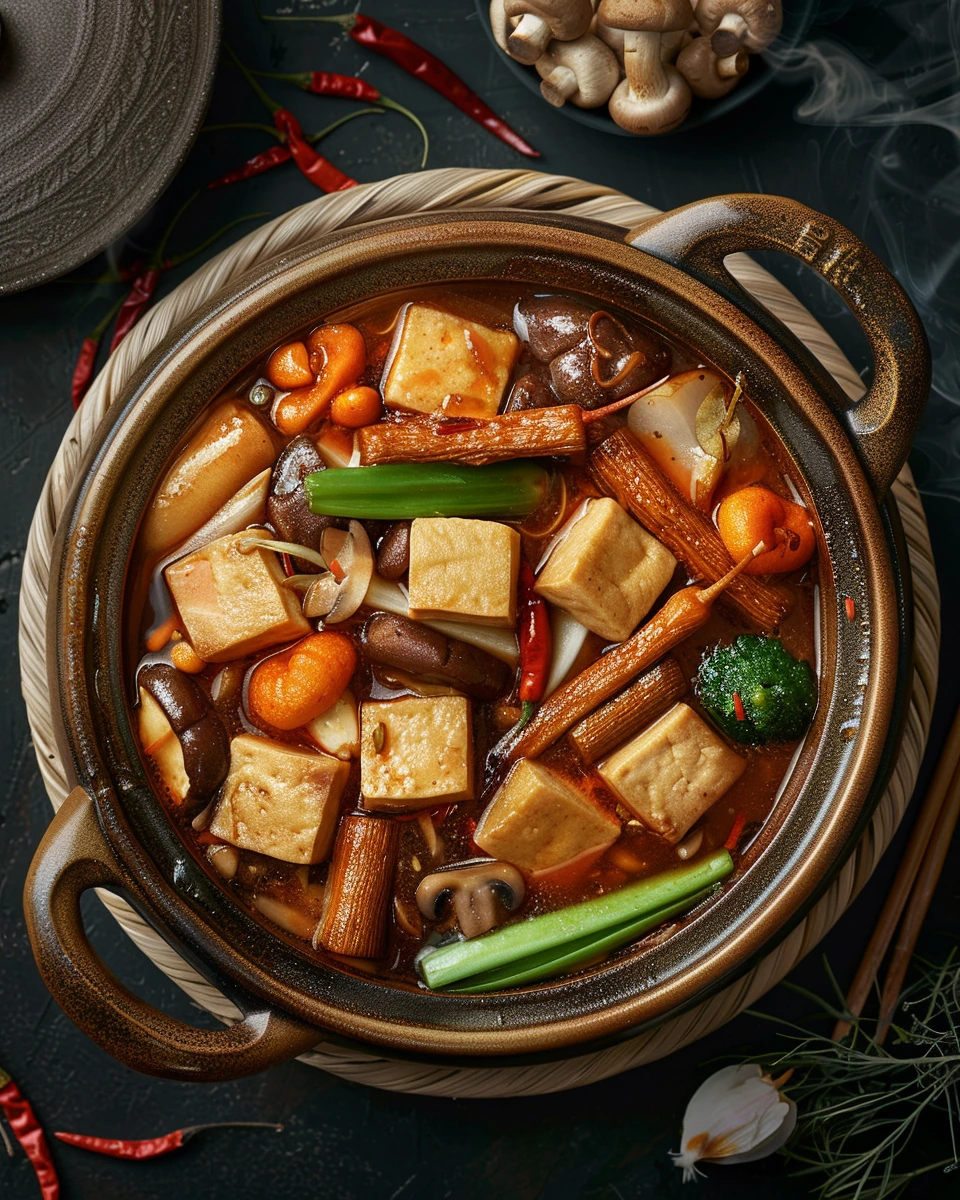
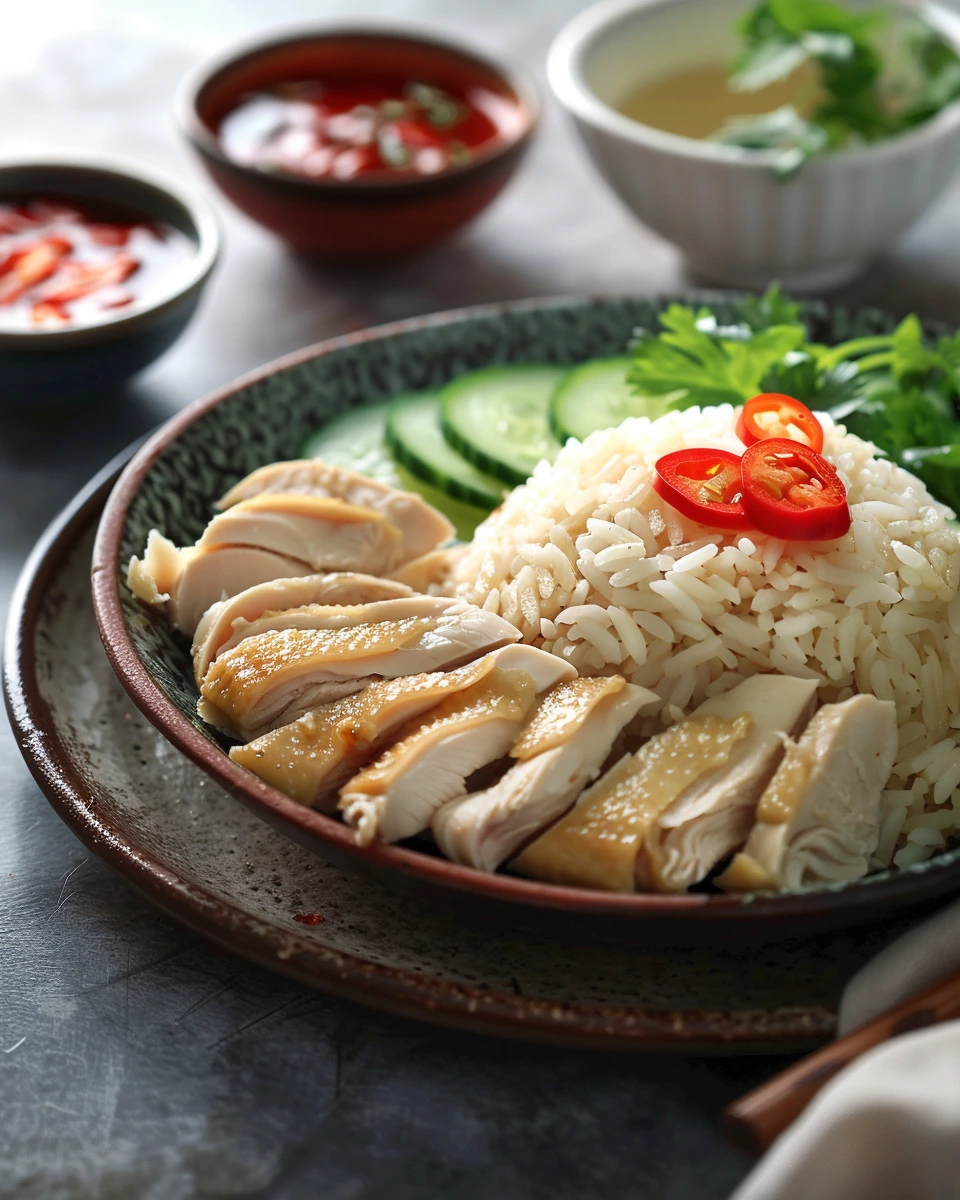
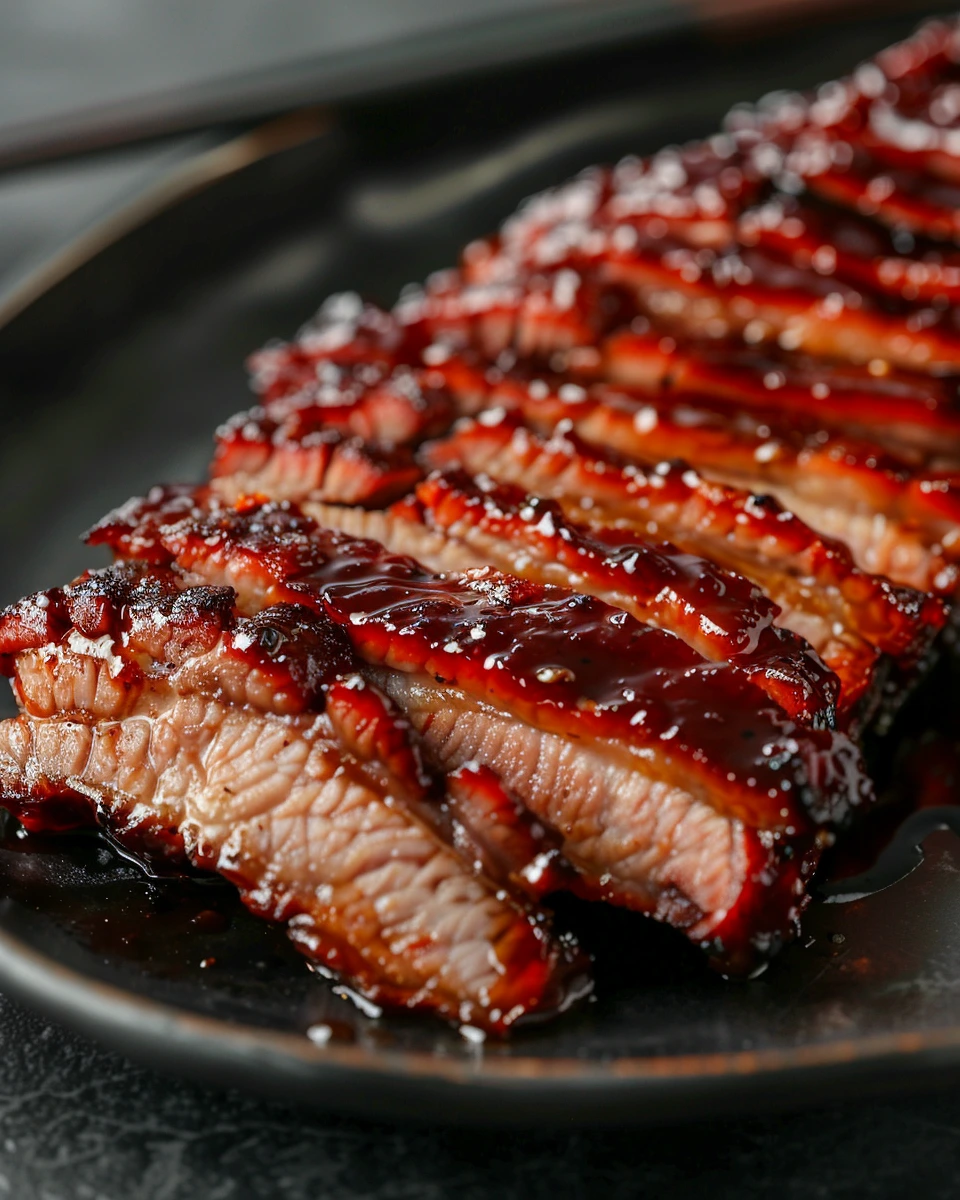
Among the dishes and traditions most associated with Chinese cuisine are dumplings, noodles, dim sum, roast meats, hot pot, fried rice, mapo tofu, Peking duck and an enormous range of regional dishes. They became famous for good reason, but they make more sense when seen as part of a wider food culture shaped by place, season and the way people actually eat at home.
Regional food story
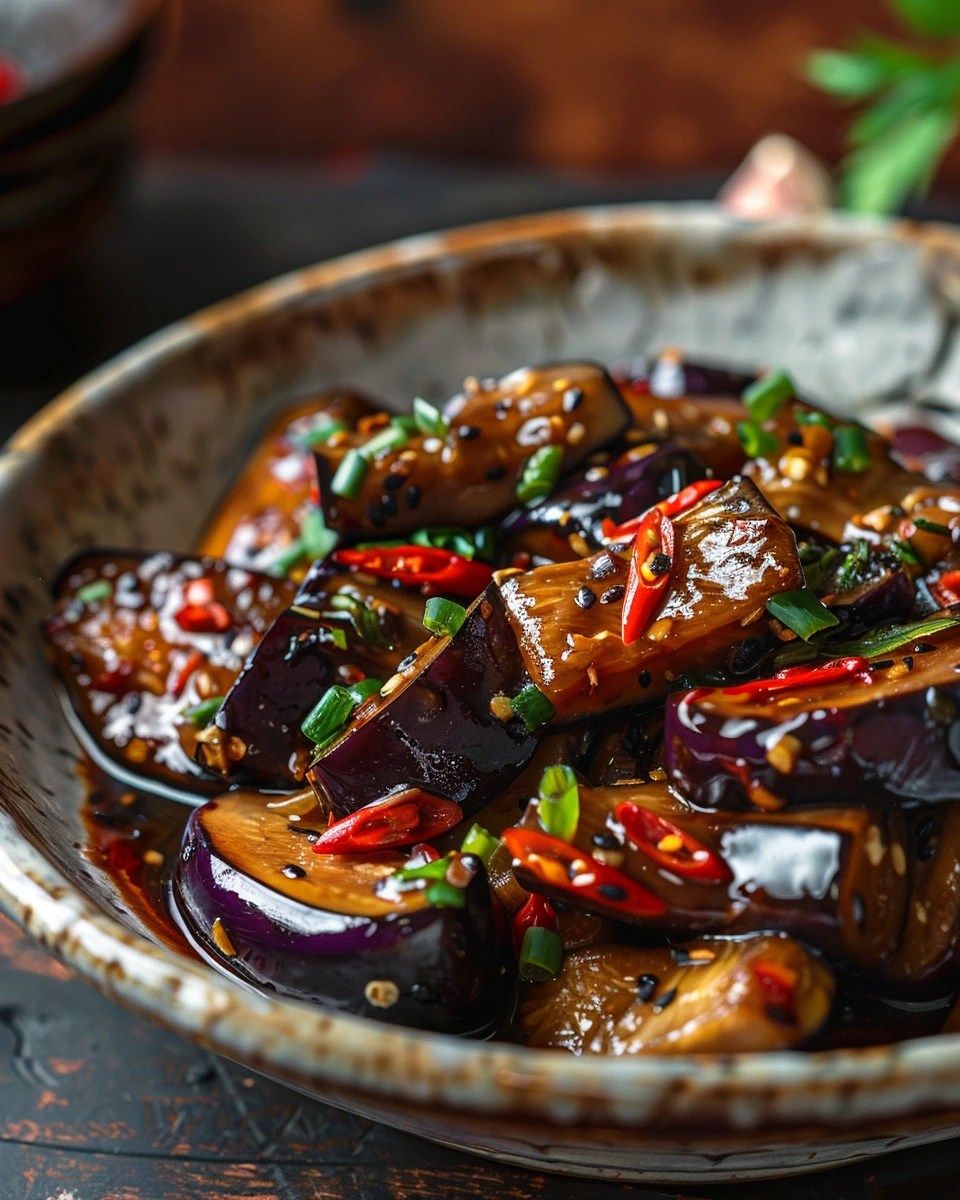
Sichuan is known for chilli, broad-bean paste and numbing pepper; Cantonese cooking prizes freshness and delicate steaming; Jiangsu and Zhejiang often emphasise refined braises and seafood; Hunan is boldly hot and smoky; Shandong is associated with broths and seafood; northern cooking makes extensive use of wheat, dumplings and noodles.