Why Brazilian cuisine is worth exploring
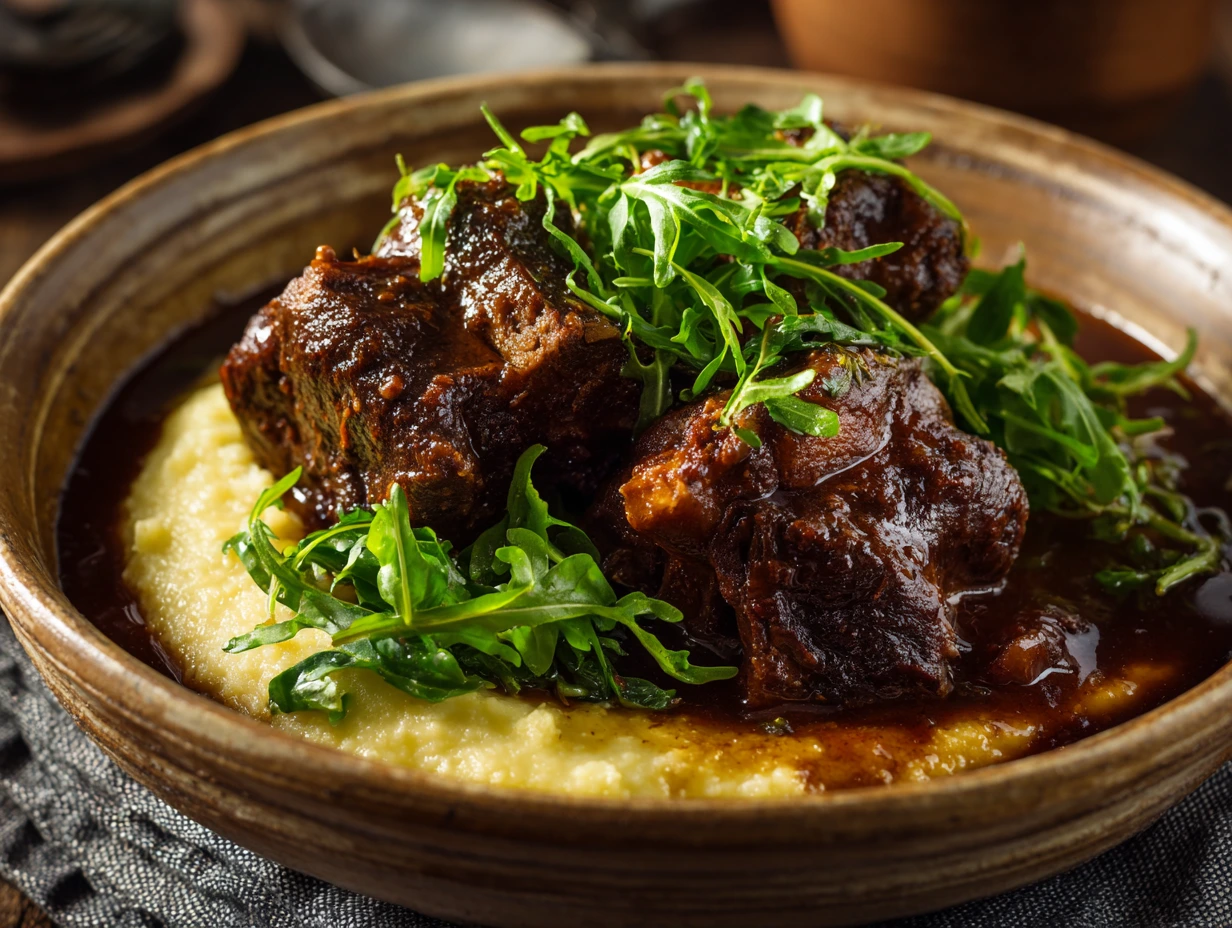
Brazilian cuisine was formed through Indigenous food knowledge, Portuguese colonisation, the forced migration of Africans through slavery and later immigration from Europe, the Middle East and Asia. Cassava, maize and tropical produce sit beside Portuguese stews, Afro-Brazilian palm-oil dishes and regional barbecue traditions.
Why it is famous
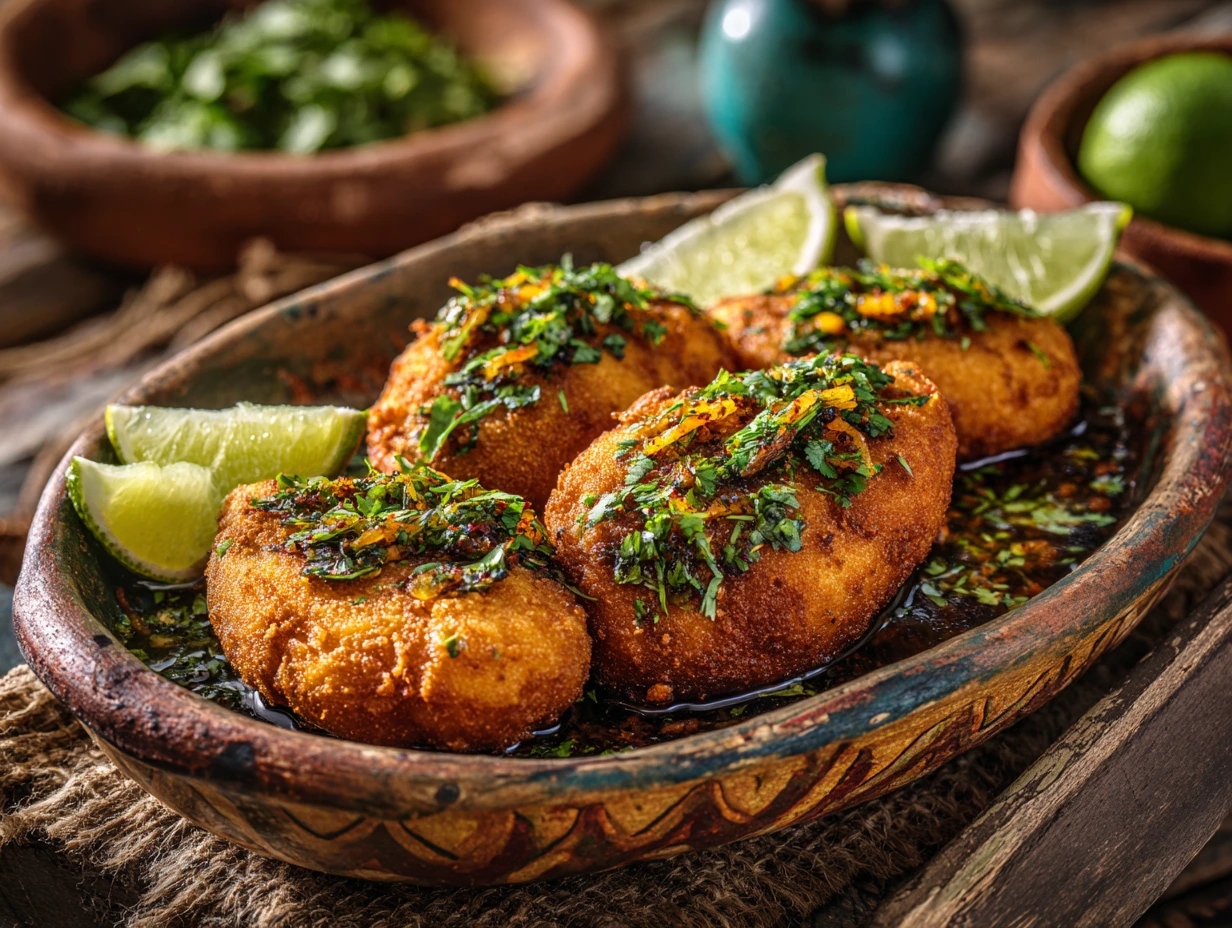
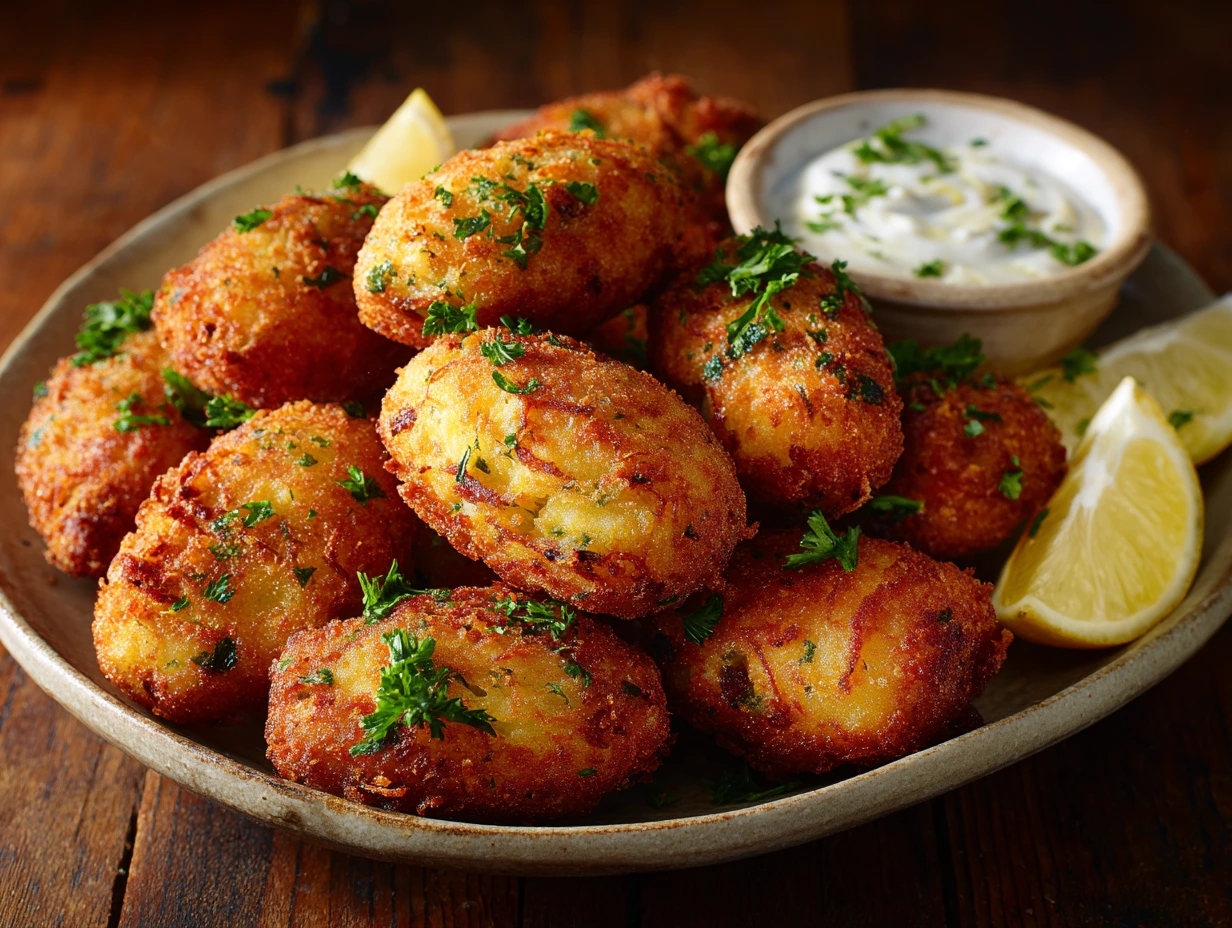
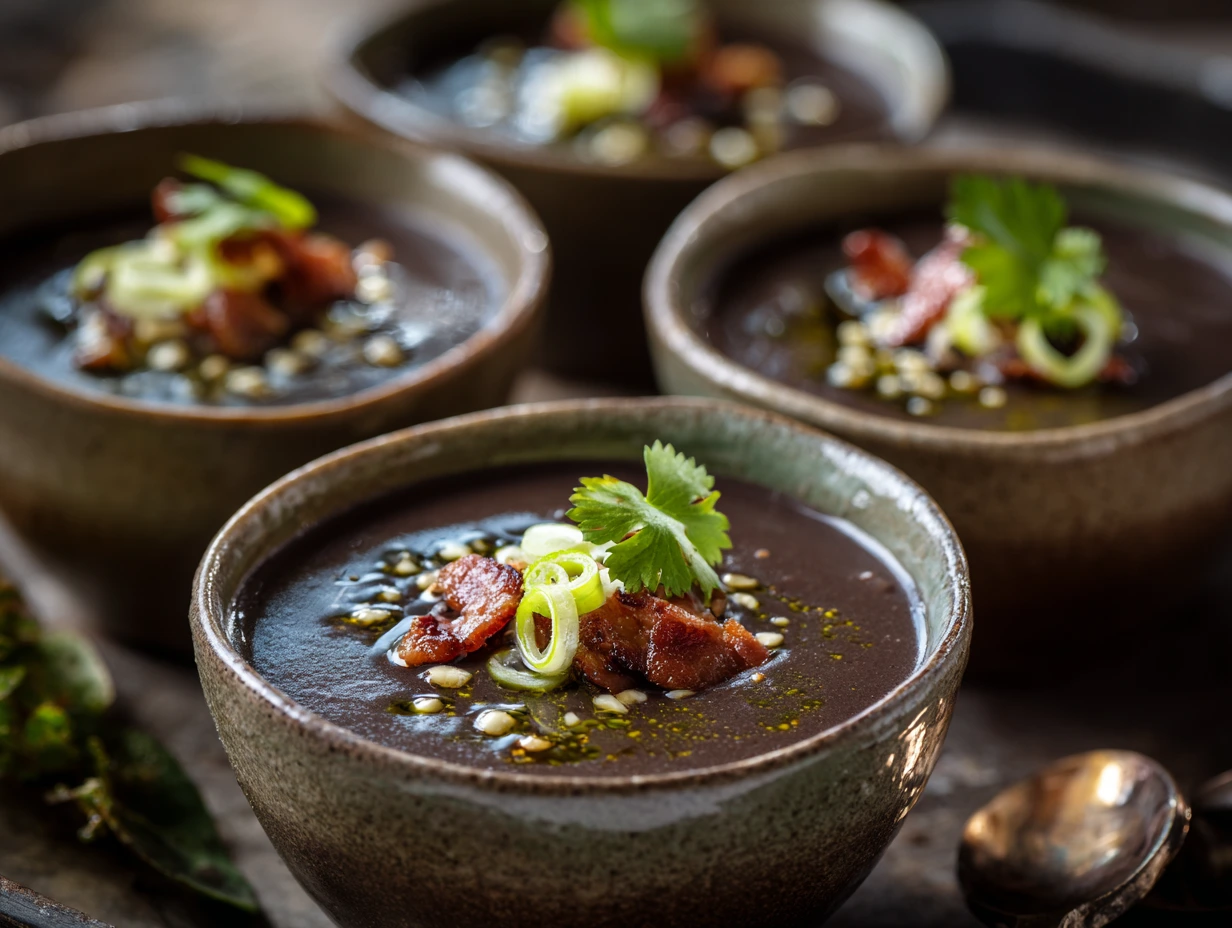
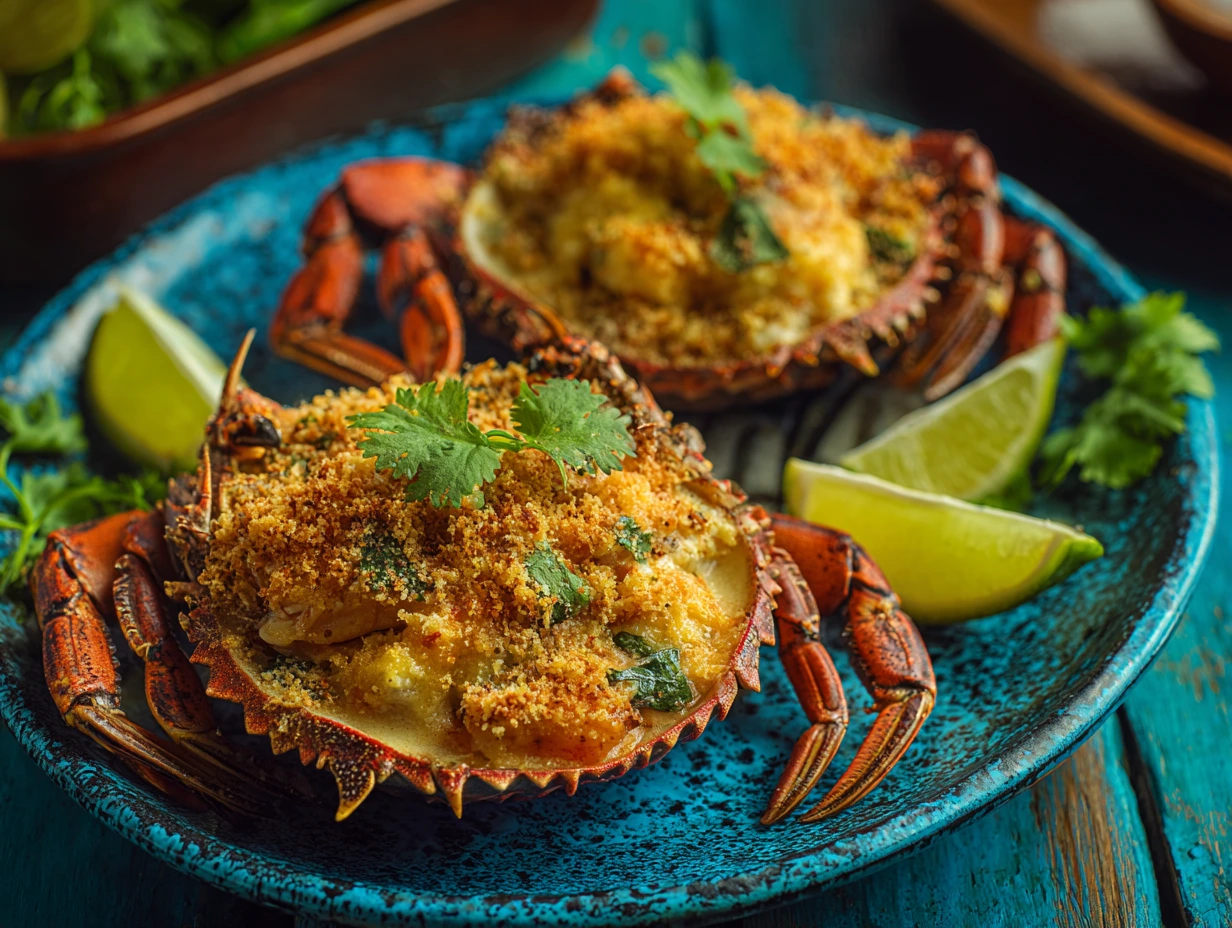
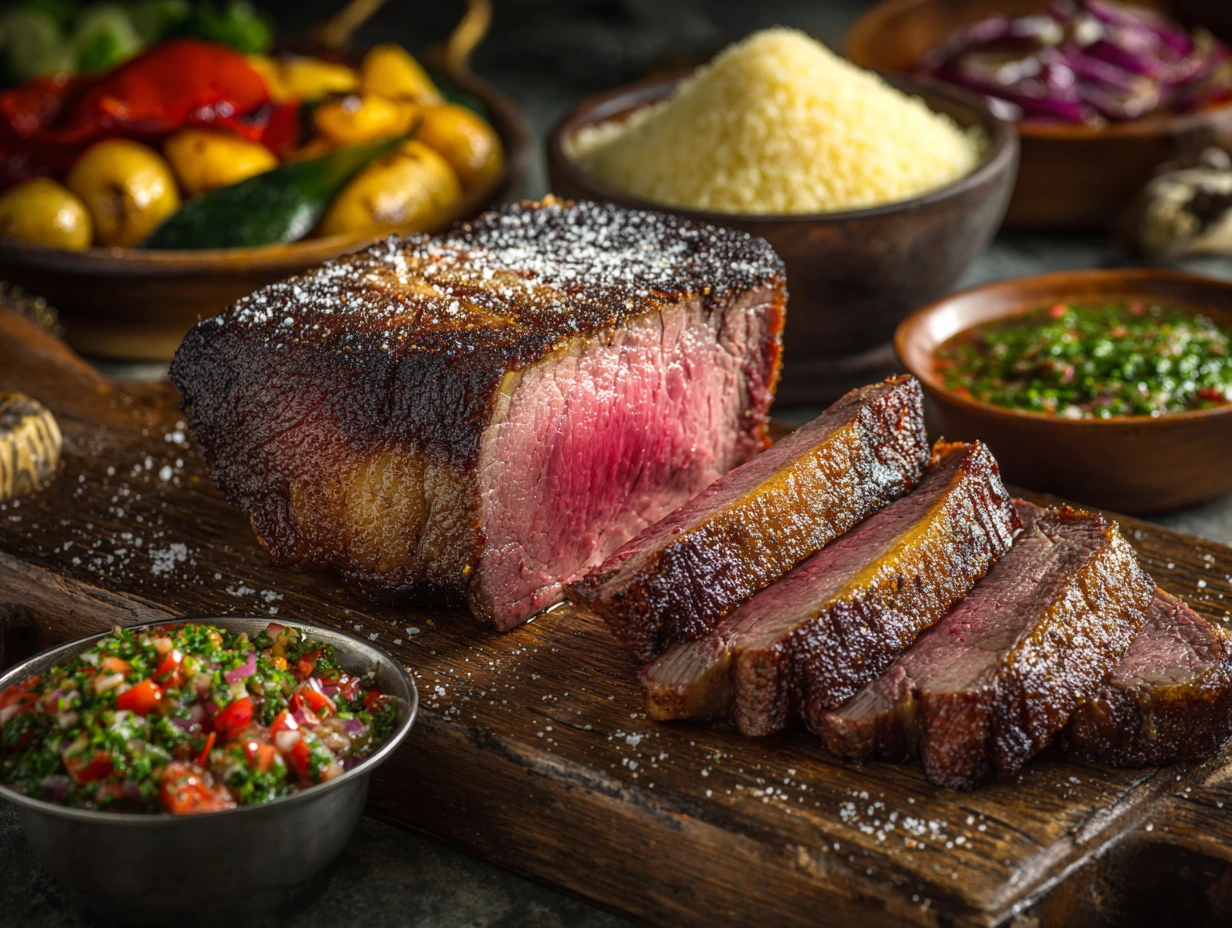
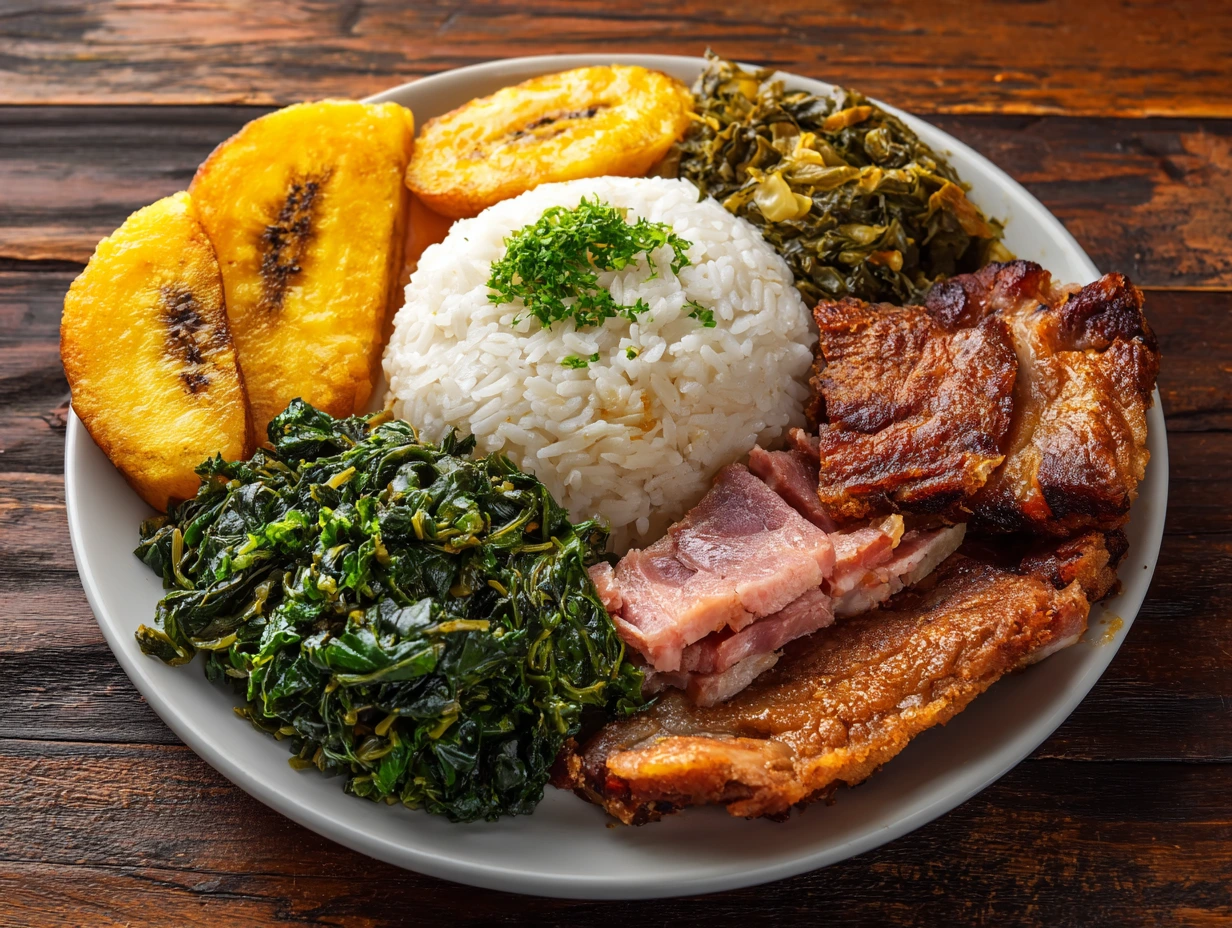
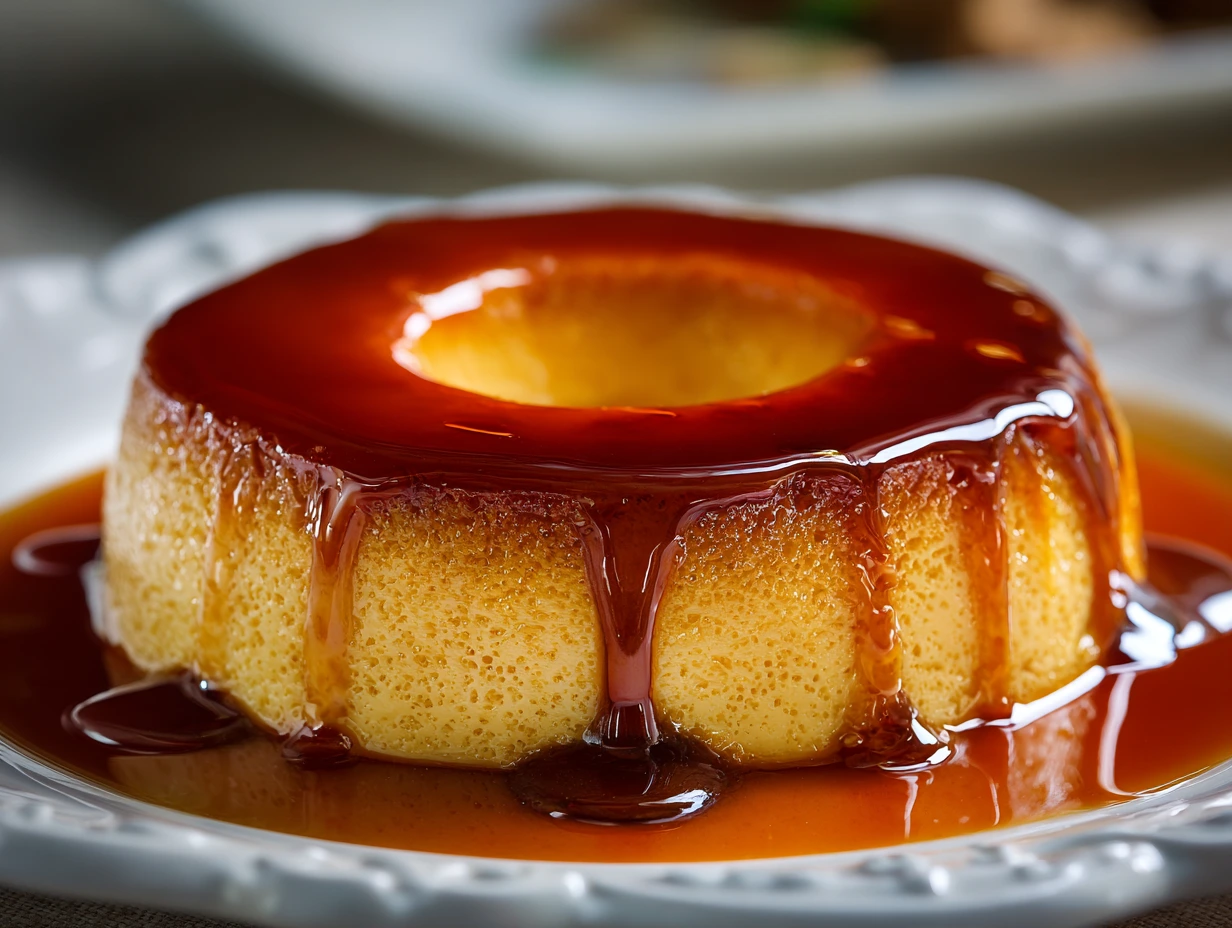
The international reputation of Brazilian food rests partly on feijoada, churrasco, moqueca, pão de queijo, acarajé, coxinha, brigadeiro and tropical fruit desserts. Yet many of the most revealing things to cook are less famous: the soups, breads, vegetable dishes, preserves and regional meals that show how people have used local ingredients day after day.
Regional food story
Bahia is strongly associated with Afro-Brazilian cooking, dendê and coconut; Minas Gerais with cheese, pork and hearty inland food; the south with churrasco; the Amazon with river fish, cassava and Indigenous ingredients; São Paulo reflects waves of Italian, Japanese and other migration.