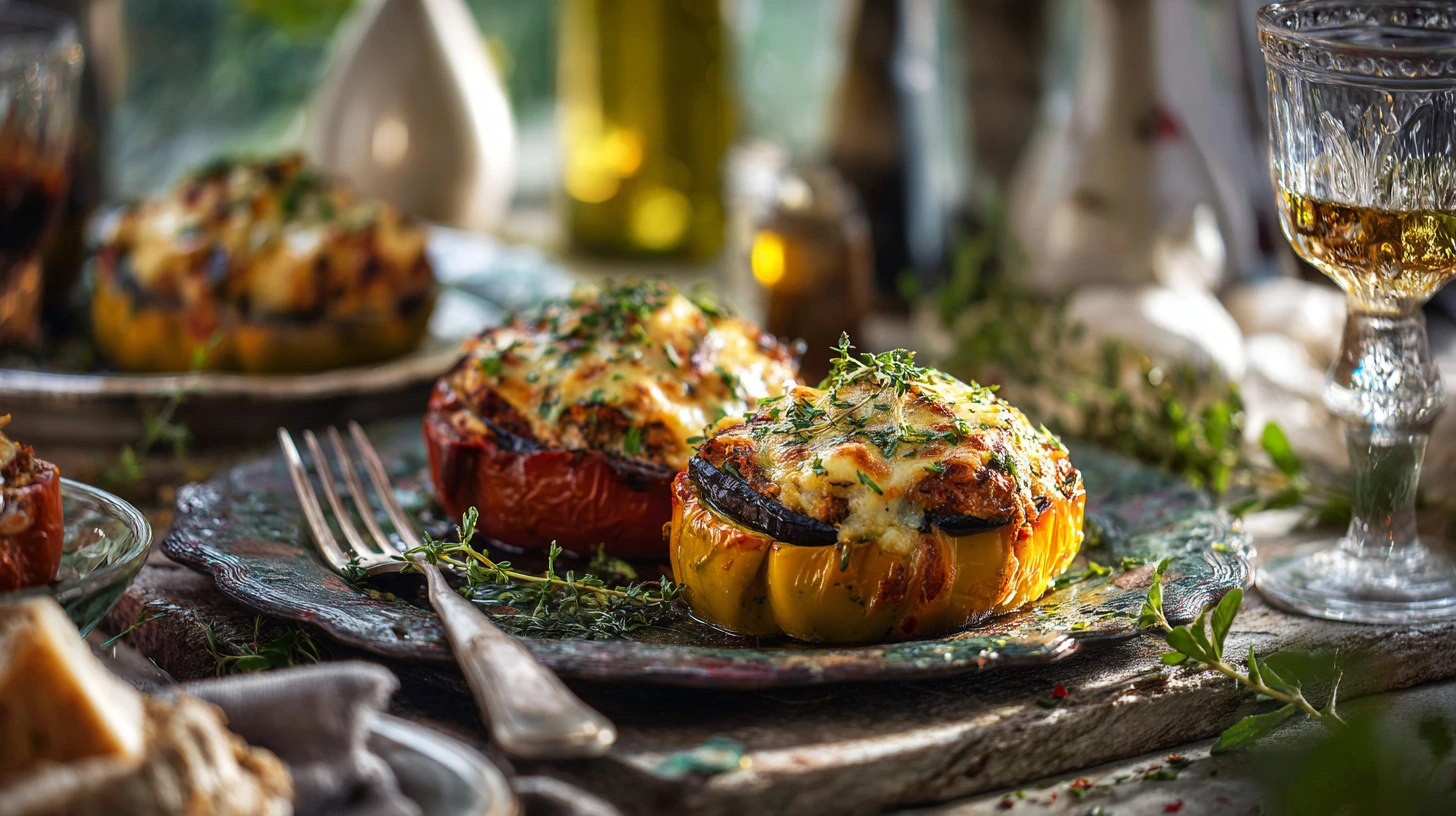
Why Turkish cuisine is worth exploring
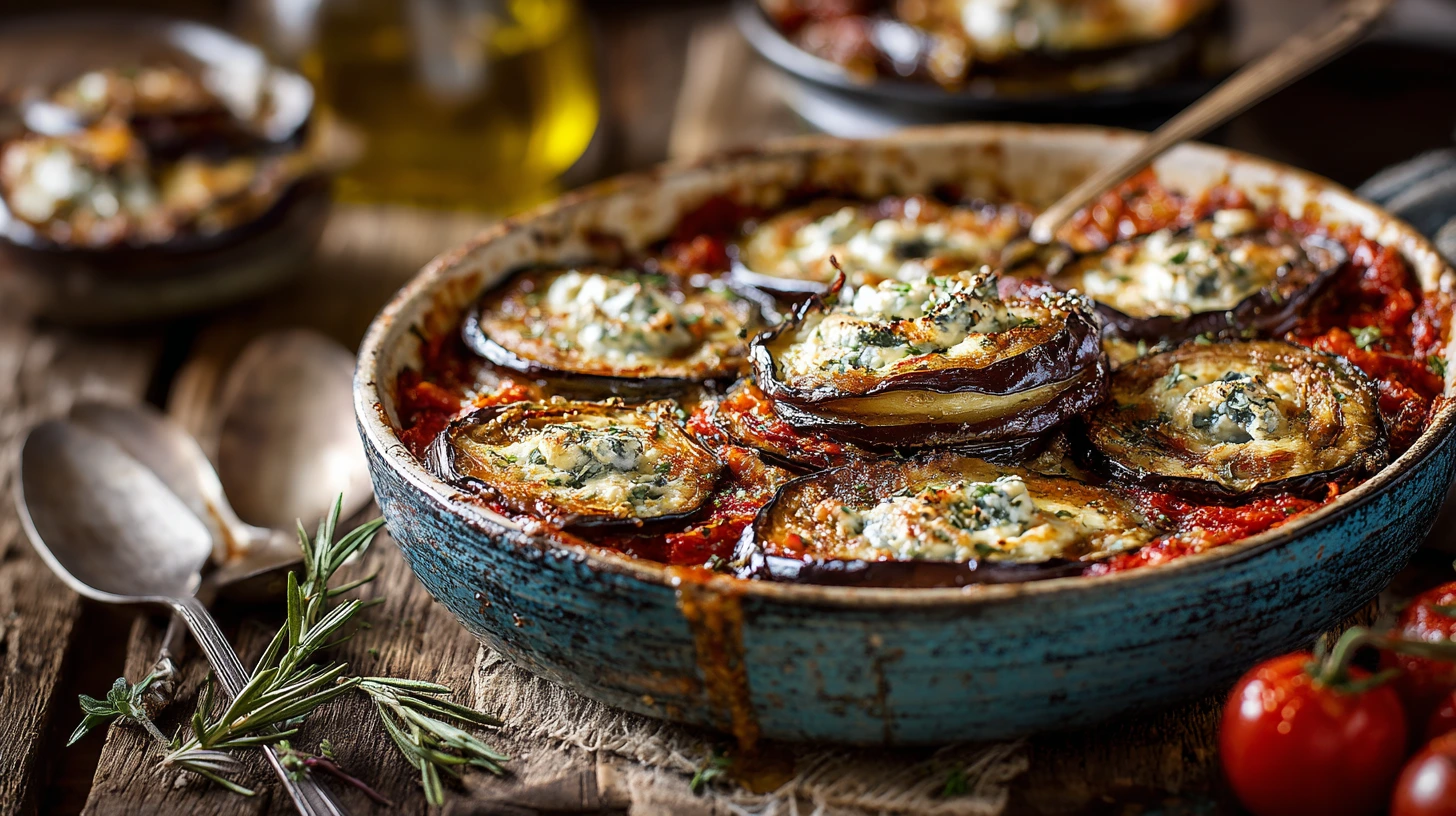
Turkish cuisine reflects the foodways of Anatolia, Central Asian Turkic traditions, Byzantine inheritance, Ottoman palace cooking and centuries of trade across the Balkans, Caucasus, Middle East and Mediterranean. That history explains its unusual breadth, from kebabs and flatbreads to olive-oil vegetables and delicate pastries.
Why it is famous
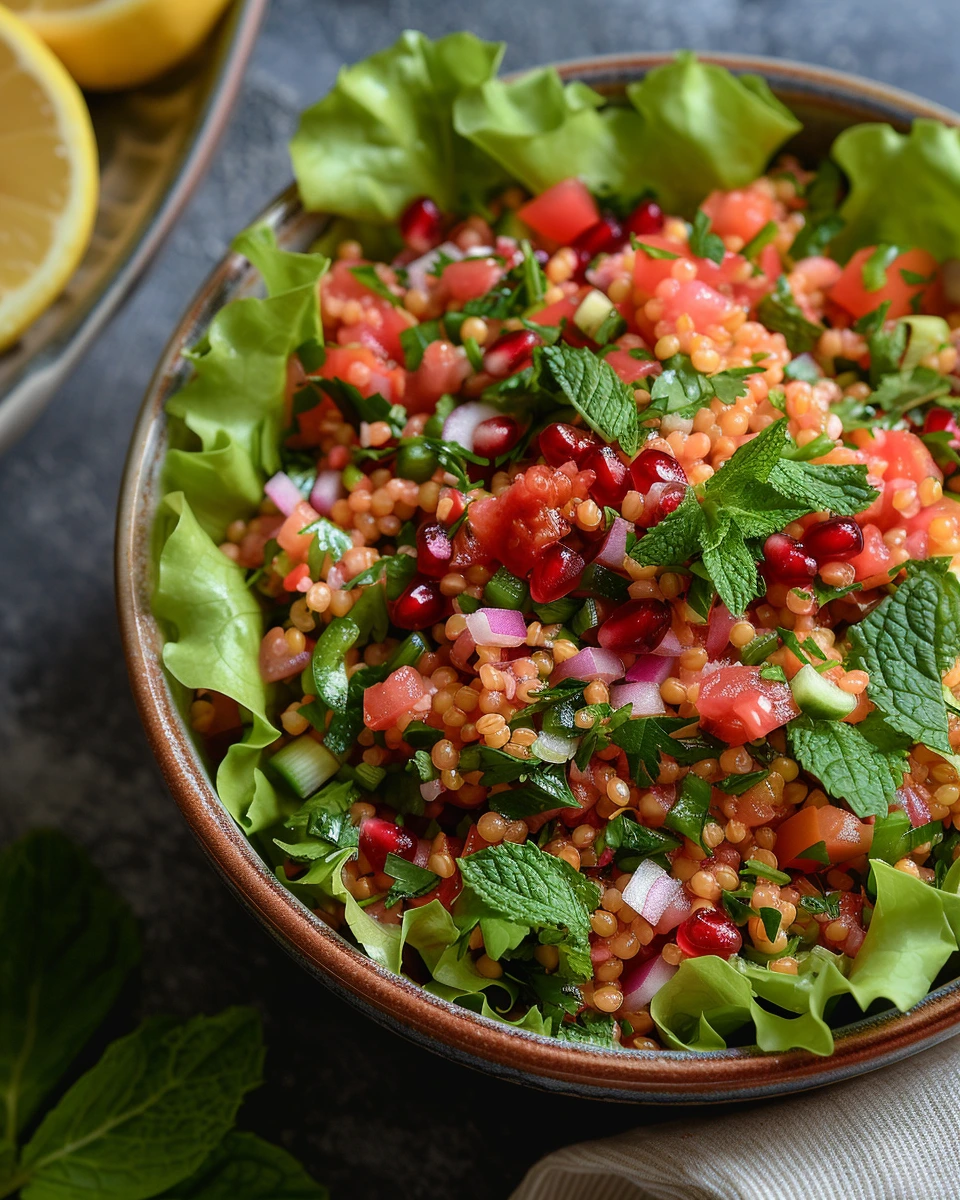
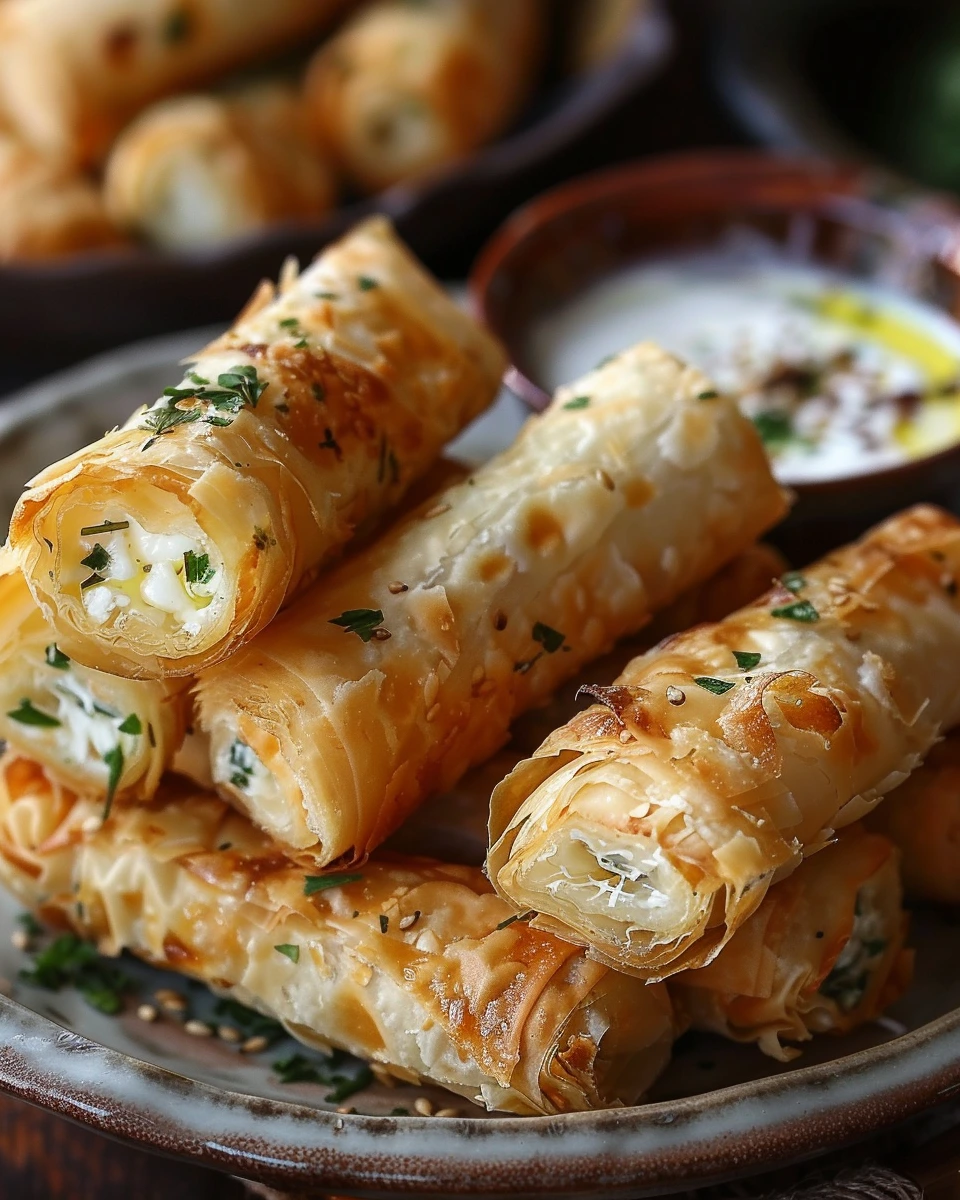
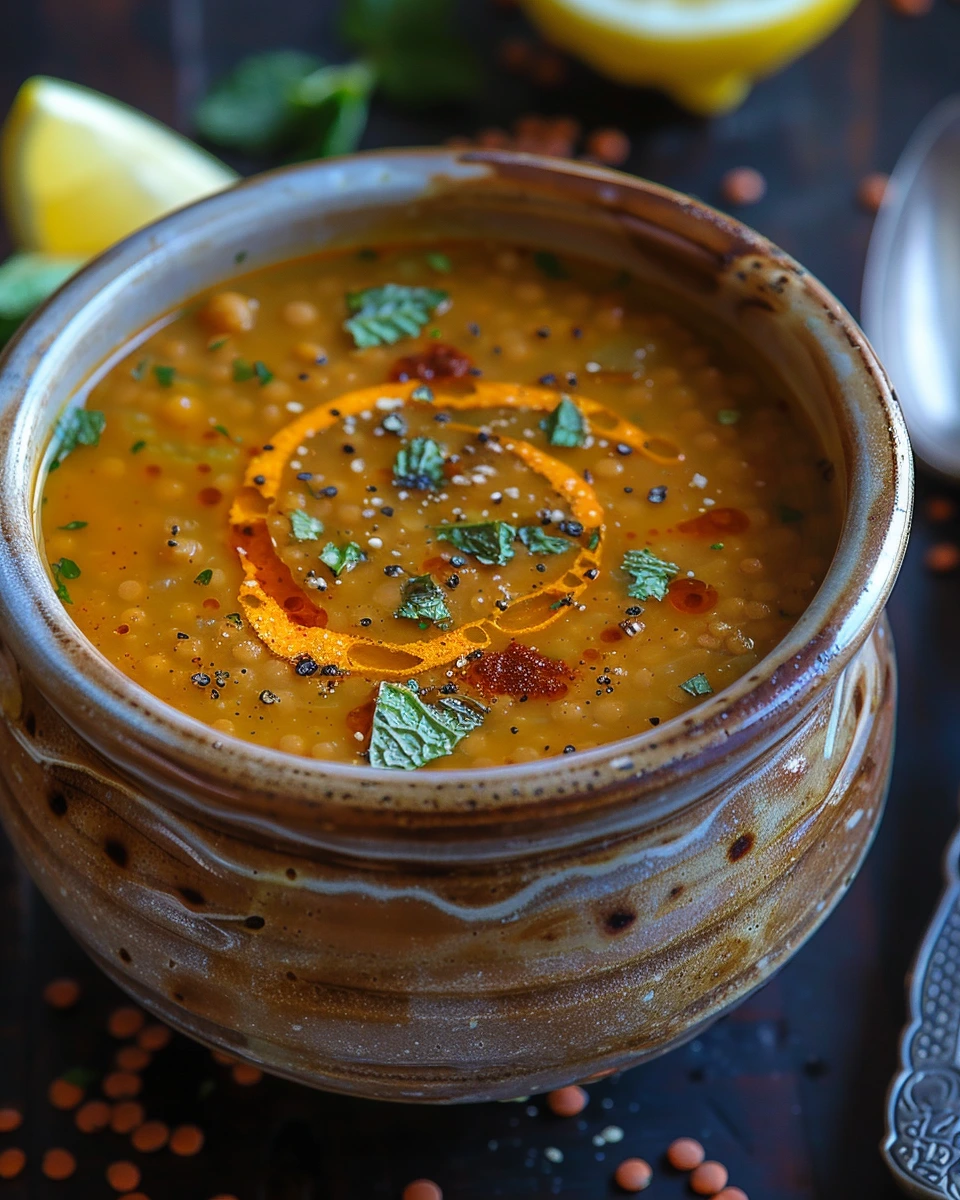
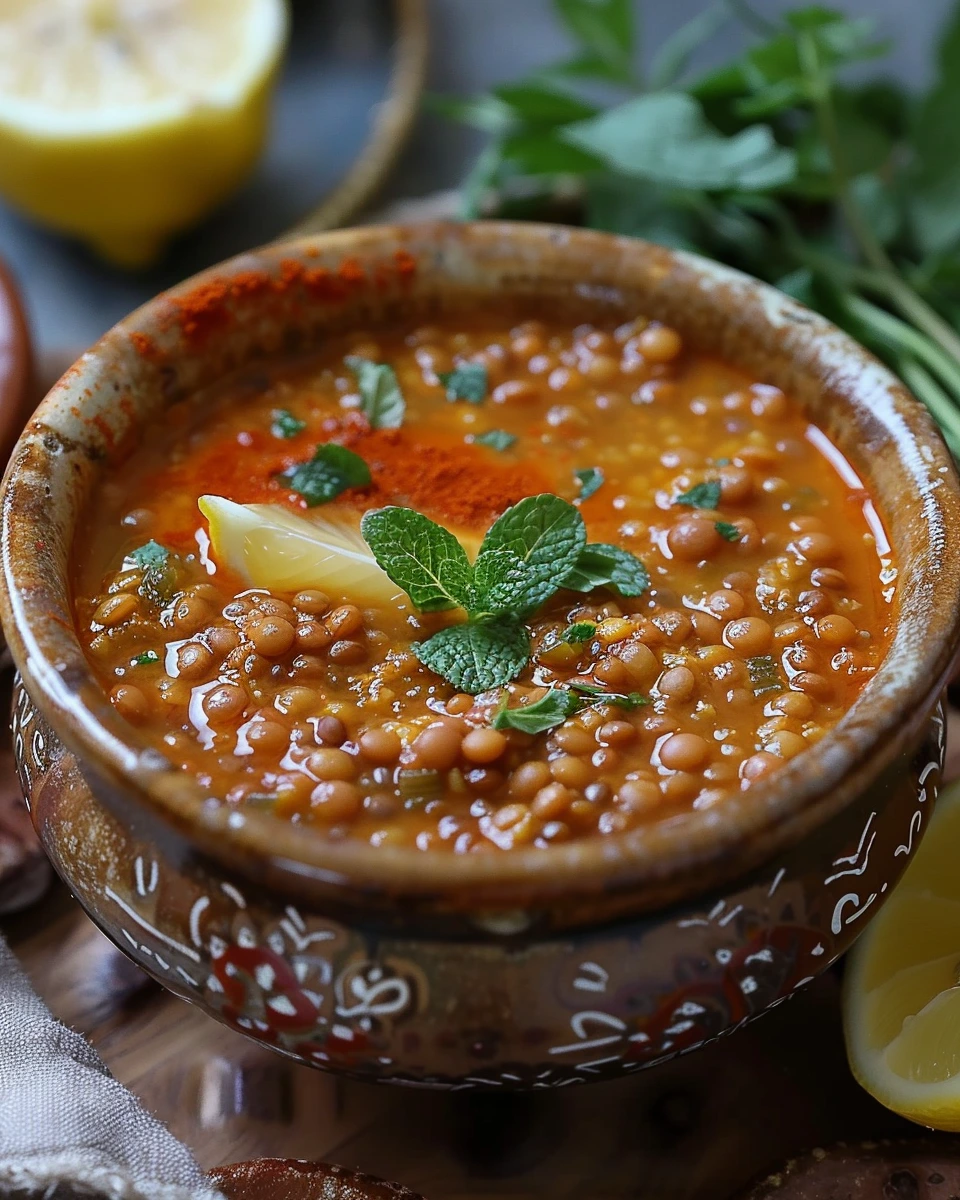
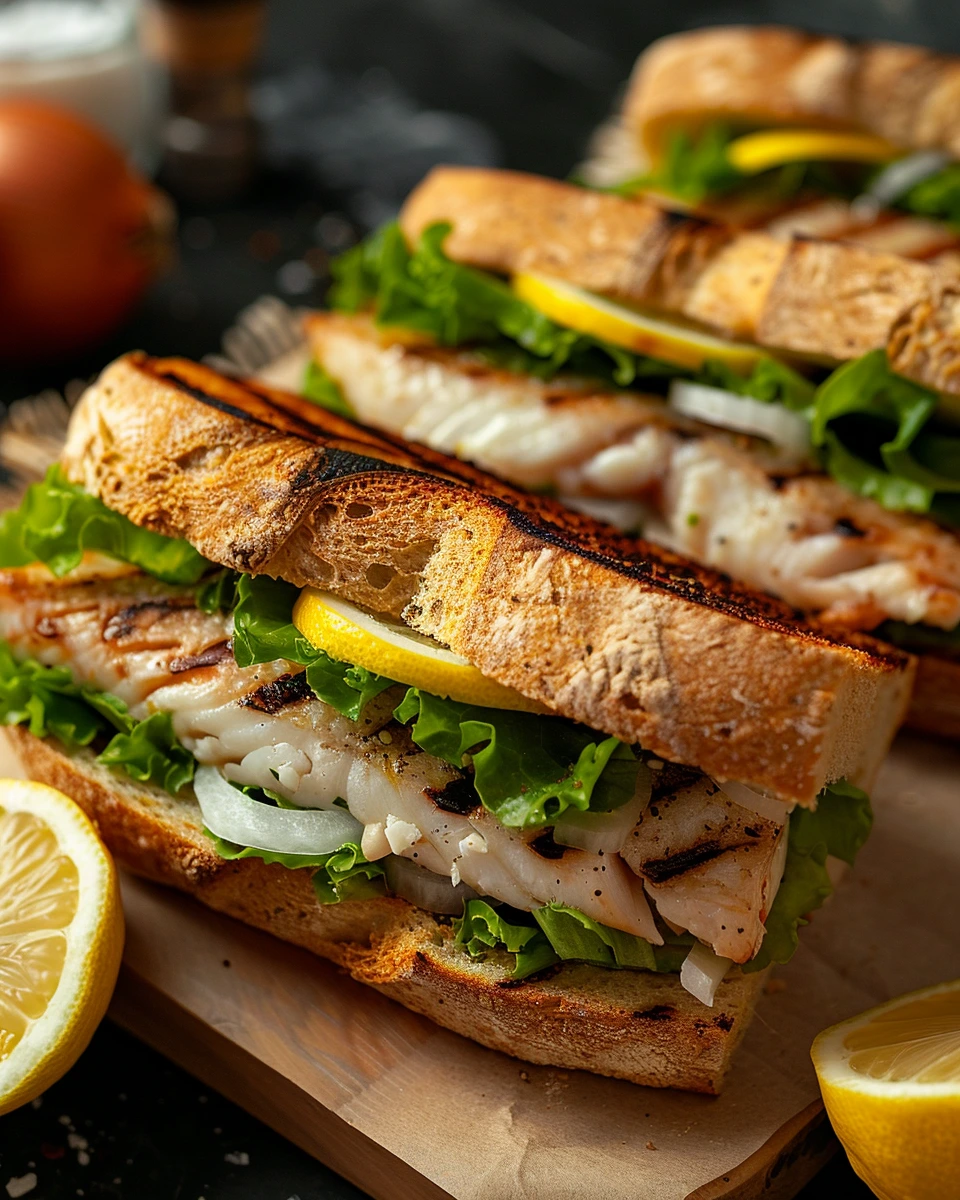
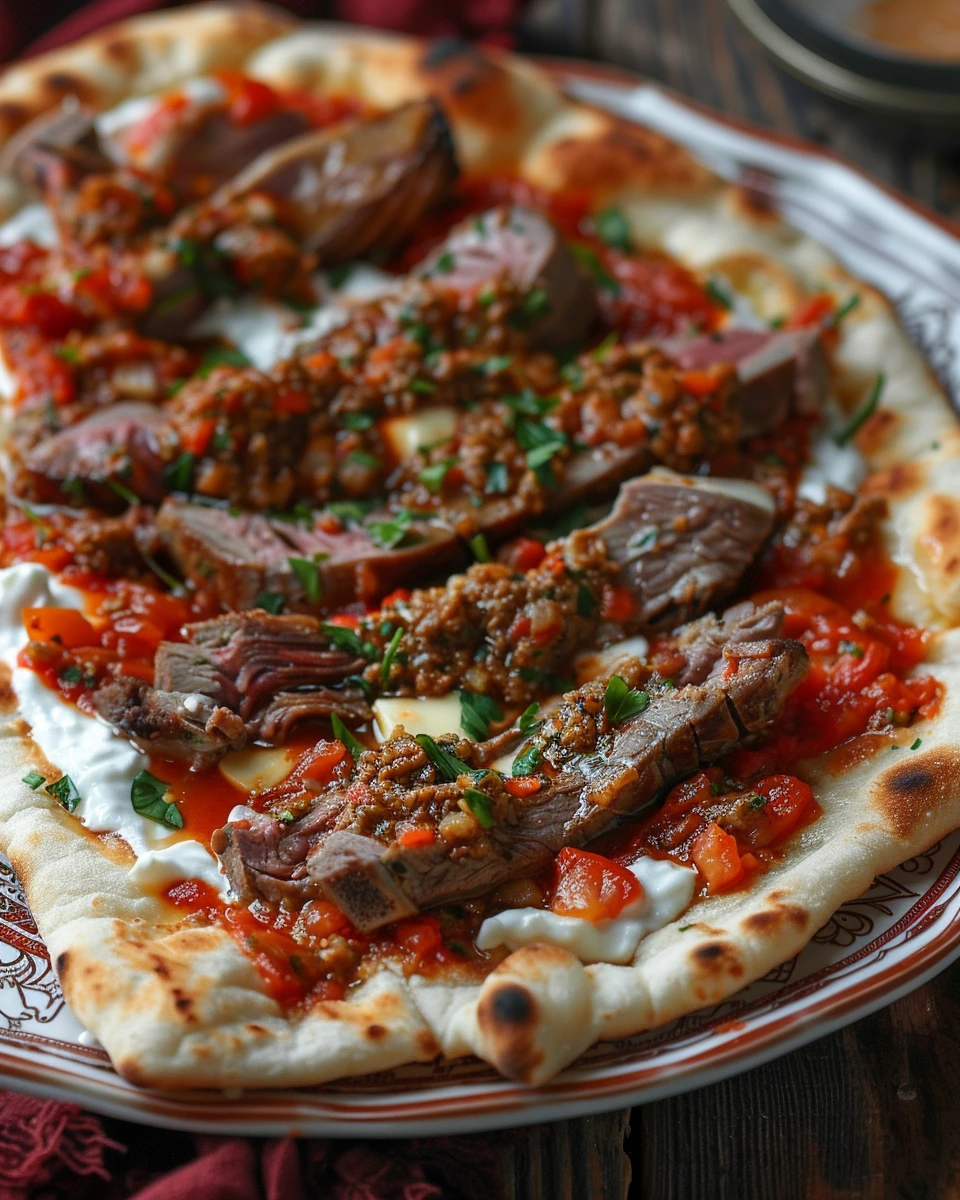
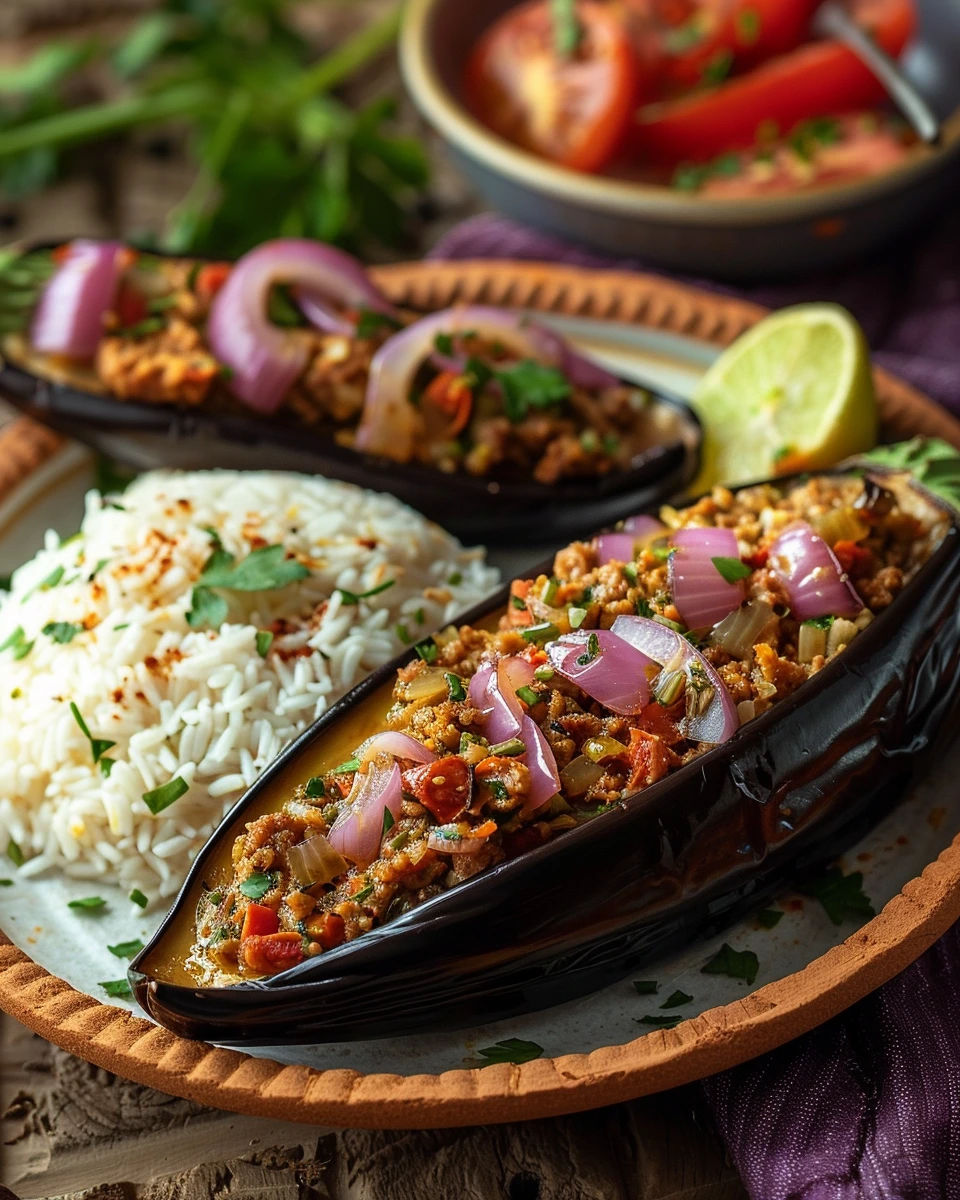
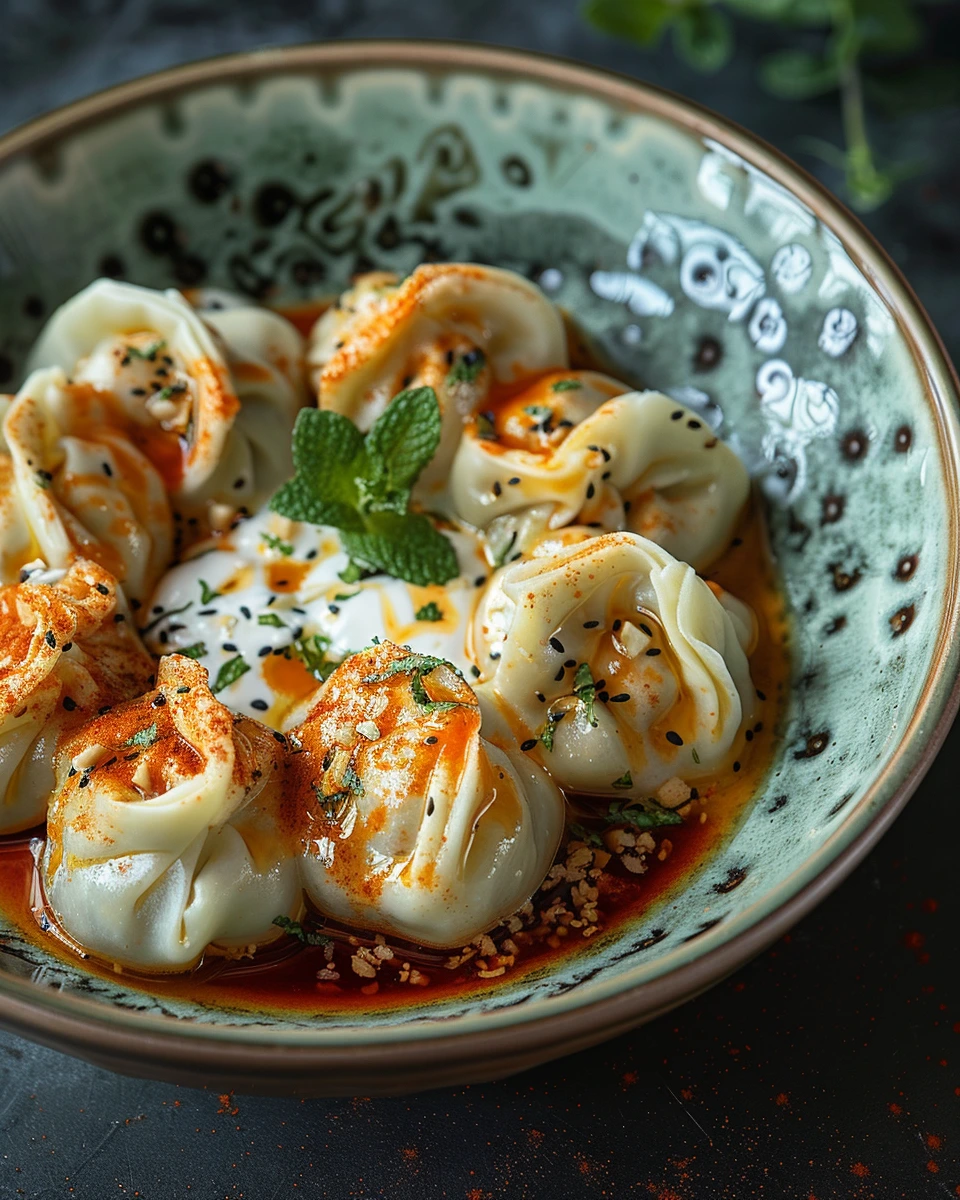
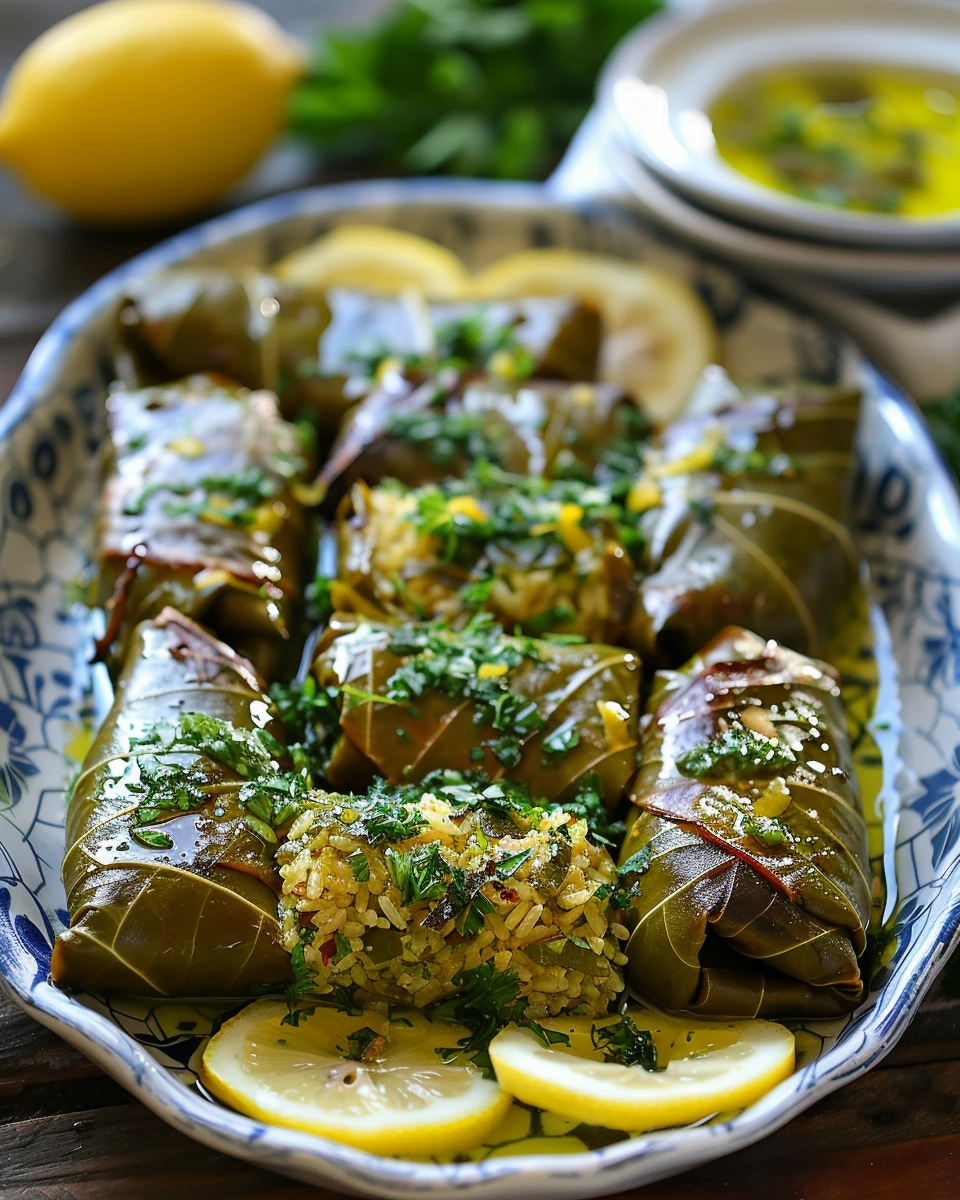
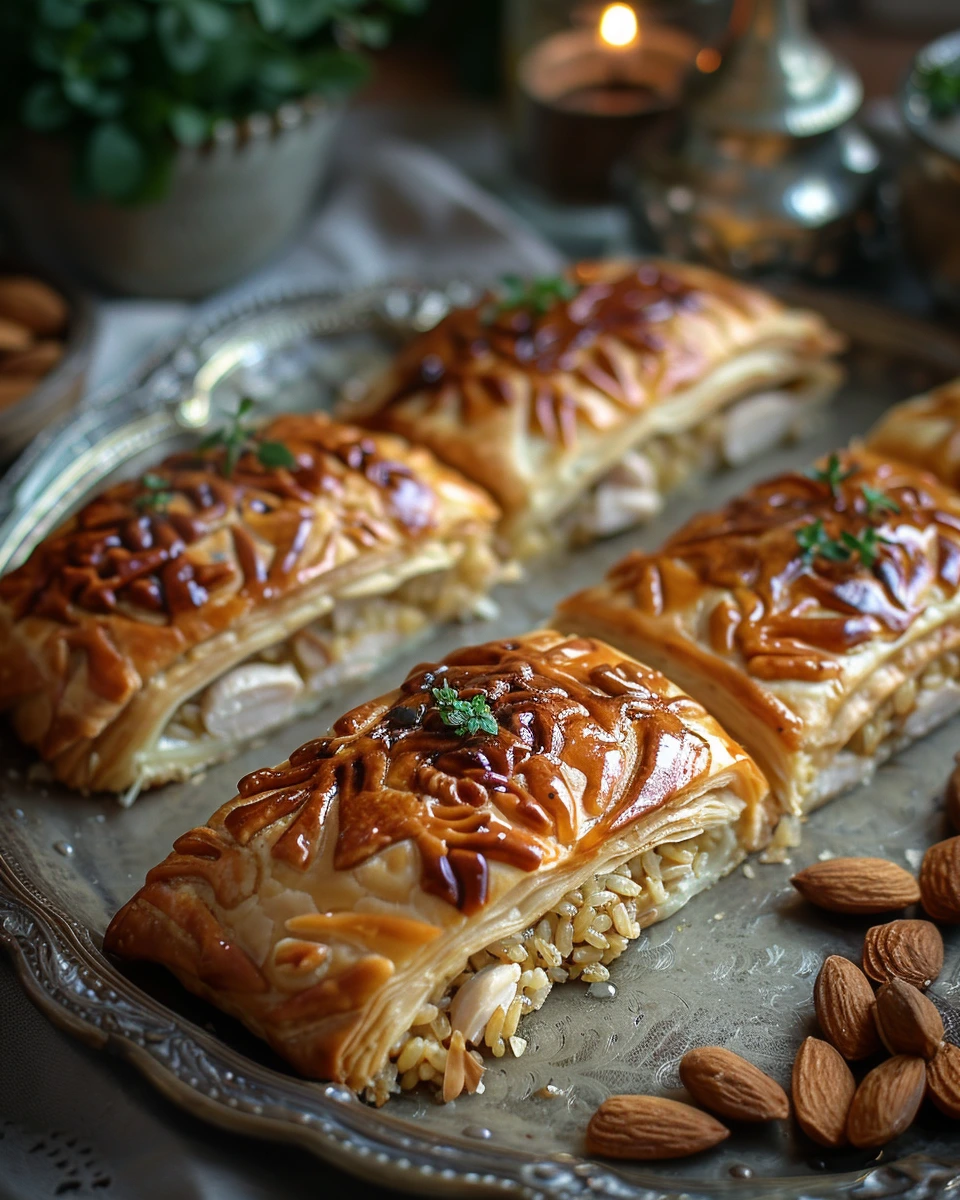
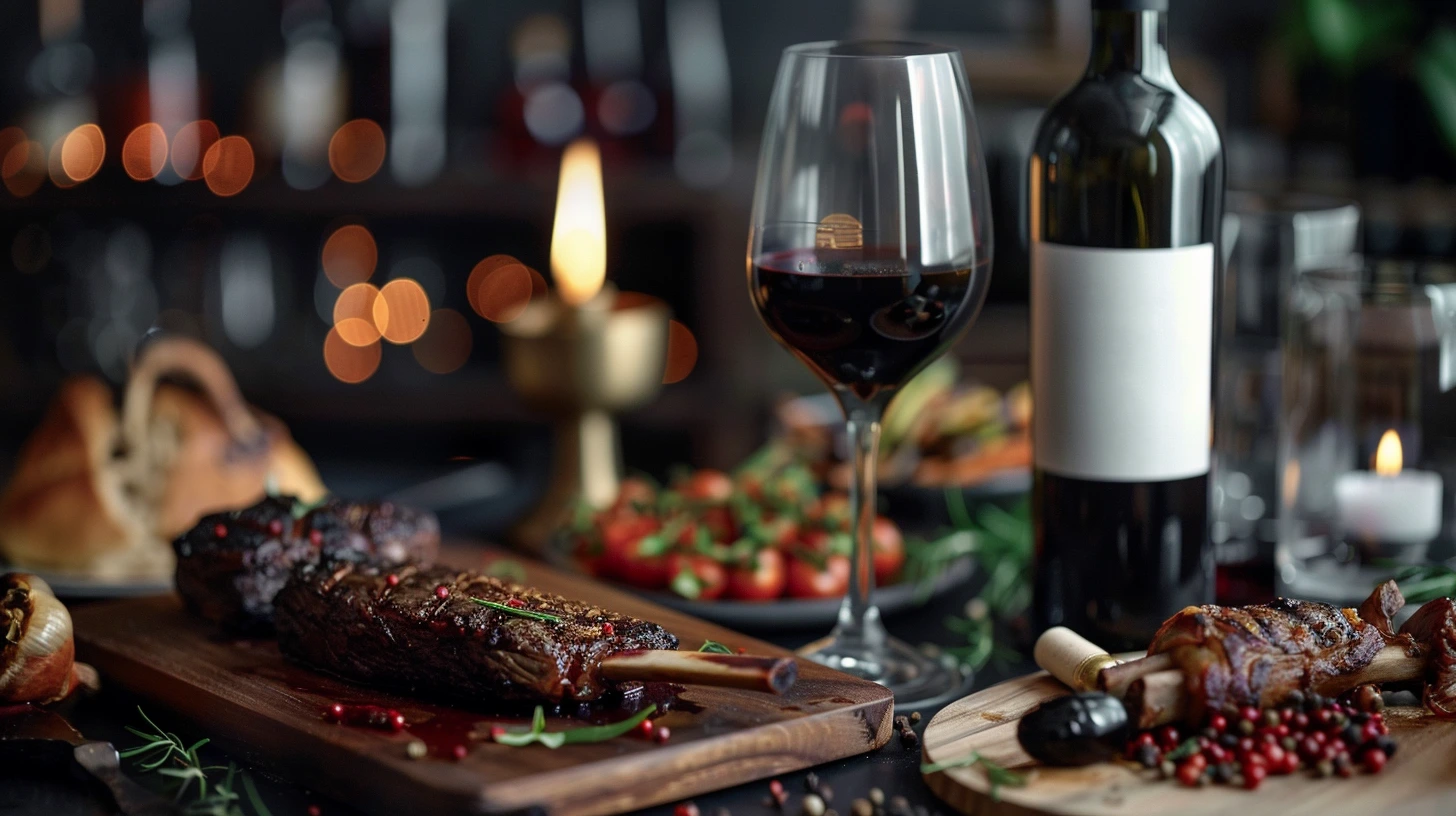
The best-known parts of Turkish cuisine include kebabs, meze, börek, pide, mantı, dolma, köfte, baklava, yoghurt dishes and Turkish breakfast. Behind them is a much broader everyday food culture, where family recipes and regional habits often reveal more about the country than the internationally famous dishes alone.
Regional food story
The Aegean coast favours olive oil, herbs and vegetables; the Black Sea is associated with anchovies and maize; south-eastern cities such as Gaziantep and Şanlıurfa are known for kebabs, spice and pistachios; central Anatolia has strong grain and dumpling traditions; Istanbul reflects the cuisine's imperial and cosmopolitan history.