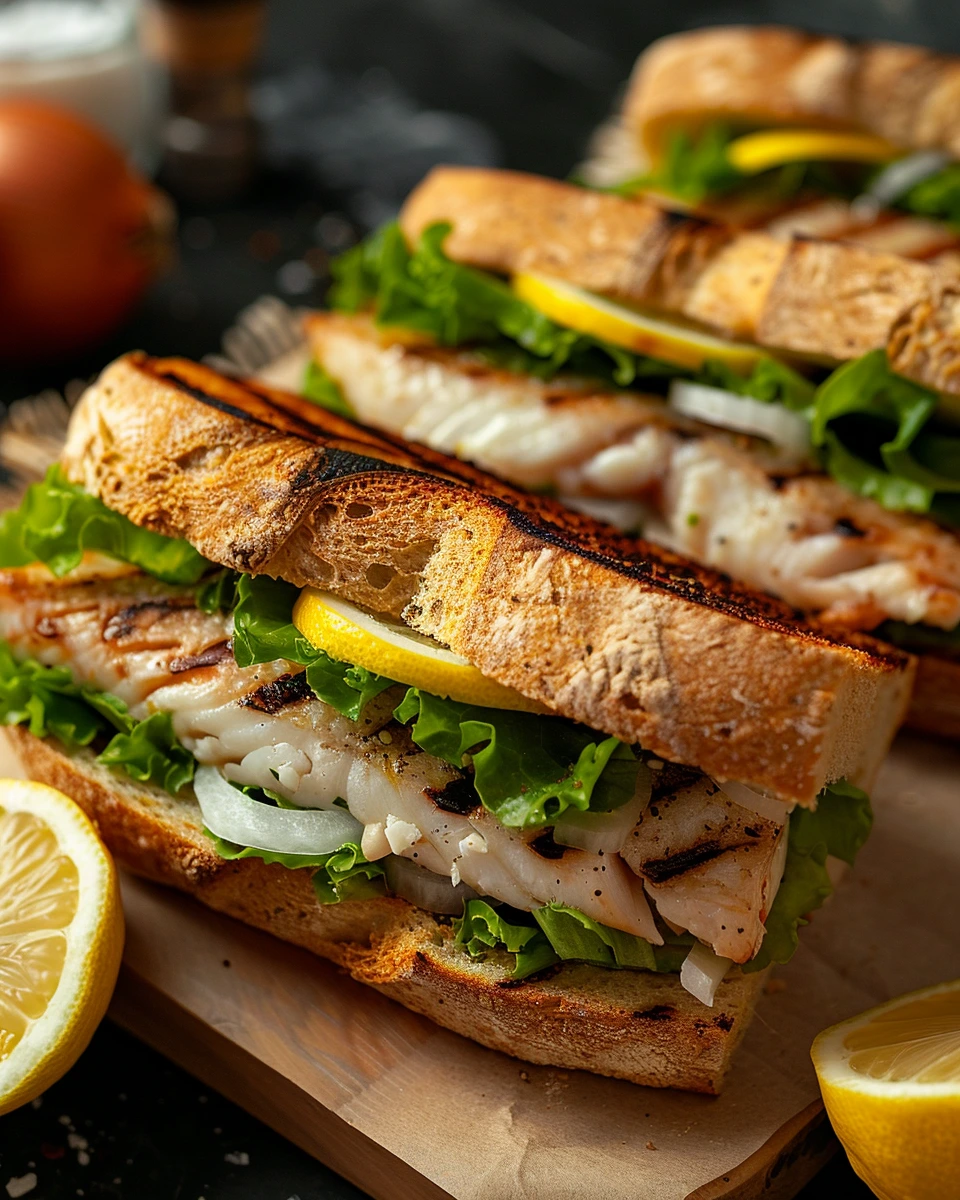
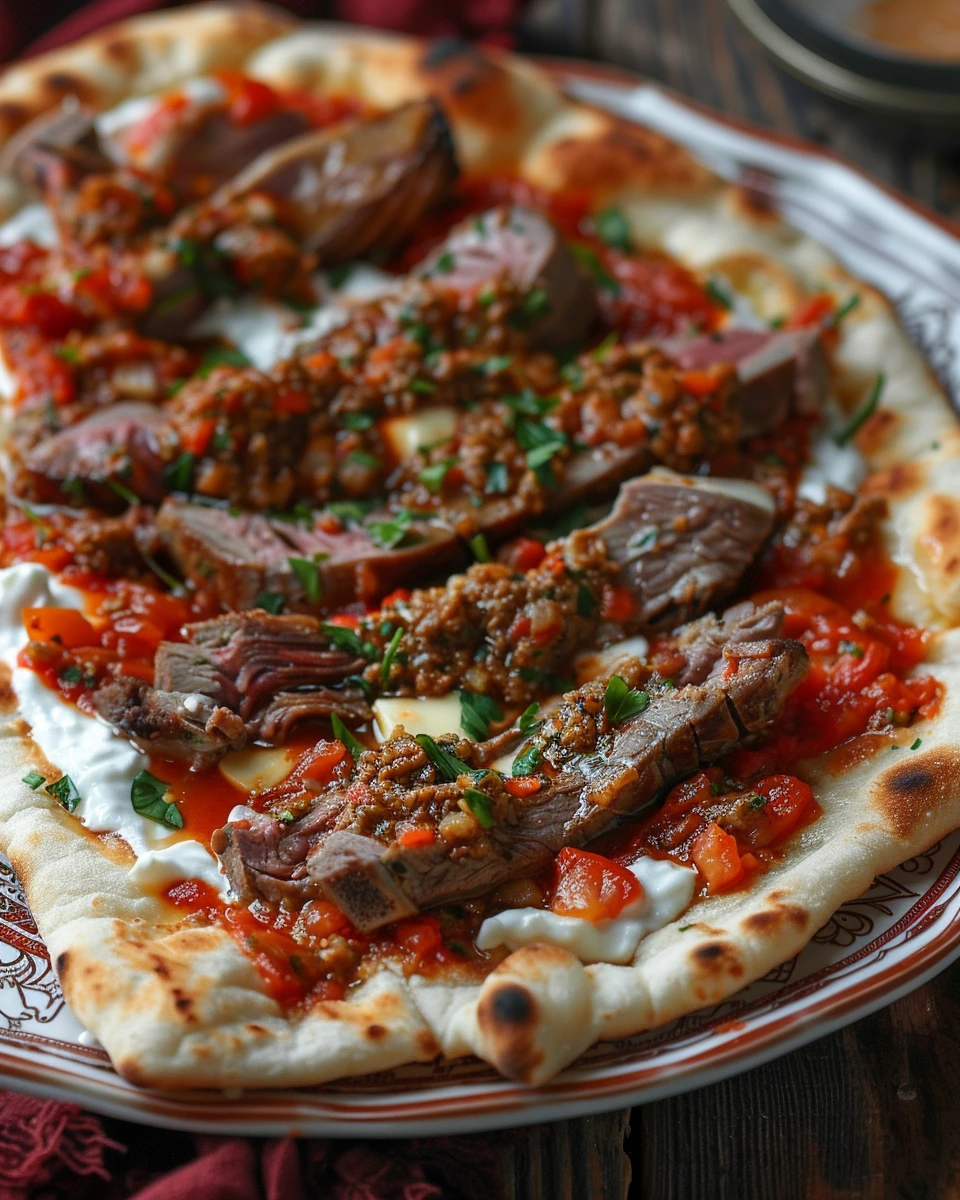
Turkish Main

Tavuklu Pilav

Turkish chicken rice pilaf with buttery grains and shredded chicken.

20 minsPrep time
45 minsCook time
Serves 2Servings
EasyDifficulty
Tavuklu Pilav
About this dish

Tavuklu Pilav: the story on the plate

Tavuklu pilav is a street-stall and home-cooking favourite: modest, satisfying and all about well-cooked rice.

Historical background

Tavuklu pilav is a street-stall and home-cooking favourite: modest, satisfying and all about well-cooked rice.

Why it is famous

Tavuklu Pilav is included because it adds a recognisable but still specific part of Turkish food culture, helping the country collection feel broader than only generic kebabs and baklava.

Cultural significance

Turkish cooking sits between Anatolia, the Ottoman court, Istanbul street food, the Black Sea, the Aegean and neighbouring food traditions. It values bread, grains, yoghurt, herbs, lamb, fish, vegetables, rice, pastry and carefully balanced sweets.

Nutrition

Estimated nutrition per serving

Useful for meal planning and calorie-aware recipe browsing.

430Calories
22gProtein
48gCarbs
18gFat

Estimated from recipe quantities and typical ingredients; review before publishing formal nutritional claims.

Ingredients

What you need

  • 1 chicken legs or thighs
  • 150 baldo or short-grain rice
  • 25 butter
  • 0.5 olive oil
  • 325 chicken stock
  • 0.5 salt
  • 0.25 black pepper
  • chickpeas optional, Use as needed for serving or cooking.
Method

Step-by-step method

Follow the recipe in order, tasting and adjusting seasoning where needed.

  1. Poach chicken until tender, then shred and reserve the stock.
  2. Rinse rice until the water runs clearer, then drain well.
  3. Toast rice in butter and olive oil until glossy.
  4. Add hot stock and salt, then cover and cook gently.
  5. Rest the pilaf before fluffing, then top with chicken and pepper.
Cook smarter

Tips, storage and serving advice

Shopping tips

Prioritise the defining ingredient first: good lamb, fresh fish, thick yoghurt, ripe tomatoes, proper filo or kadayıf, quality rice, fragrant herbs or fresh spices.

Ingredient quality

Use thick yoghurt, fresh herbs, real butter or olive oil, and spices that still smell alive. Drain wet vegetables, fish or dairy before cooking where firmness matters.

Common mistakes

For Tavuklu Pilav, the main mistakes are losing control of the balance between chicken legs or thighs, baldo or short-grain rice, butter, olive oil; rushing the "Prepare the base" stage before the flavour or texture has properly developed; and using heat or cooking time mechanically instead of watching the food itself. Use the recipe's visual cue as your guide: Ingredients look measured and controlled. With Tavuklu Pilav, taste and observe as you cook rather than relying on the clock alone; the goal is a result that still tastes recognisably Turkish and preserves the texture that makes this recipe distinctive.

Chef’s tips

For the best Tavuklu Pilav, organise chicken legs or thighs, baldo or short-grain rice, butter, olive oil before you start so the cooking itself can stay controlled. Give particular attention to the "Prepare the base" stage: this is where the recipe begins to establish its final flavour and texture. A useful technique note from the method is: Keep the heat controlled and adjust texture before adding final seasoning or garnish. Trust the visual cue — Ingredients look measured and controlled. — more than an exact minute count. At the "Serve traditionally" stage, make the final seasoning adjustment and serve without unnecessary delay. That final check is what makes Tavuklu Pilav taste deliberate rather than simply cooked.

How to know it is cooked

Follow the visual cues: tender meat, glossy sauce, soft rice, crisp pastry, bubbling cheese, creamy soup or a pudding that holds its shape.

Plating advice

Plate Tavuklu Pilav so the dish reads clearly at first glance. Build the plate around the principal serving rather than scattering everything evenly; keep chicken legs or thighs, baldo or short-grain rice, butter visually connected so the diner can understand the dish before taking the first bite. The presentation should protect the intended texture — contrasting textures: crisp, soft, smoky, creamy, tender, glossy or syrup-soaked depending on the dish — so avoid covering crisp elements with sauce too early or compressing delicate components. For the finish, draw selectively from the existing garnish guidance: Use parsley, dill, mint, sumac, lemon, pul biber, pistachio, yoghurt or browned butter only where they support the dish. Use one or two elements with purpose rather than applying every option at once. For Tavuklu Pilav, the final plate should feel consistent with its Turkish identity: confident, appetising and easy to eat, with no decoration that competes with the food itself.

Make ahead

Prepare doughs, fillings, stews, syrups, rice mixtures and yoghurt sauces ahead where possible; finish frying, grilling or dressing close to serving.

Storage and reheating

Store covered in the fridge for up to 2 days where suitable. Seafood, fried foods and delicate pastries are best eaten the same day. Reheat stews, rice and soups gently with a splash of liquid. Re-crisp pastry in an oven. Do not aggressively reheat yoghurt sauces or delicate fish.

Wine pairing

What to drink with Tavuklu Pilav

Pairings are chosen around the dish’s flavour, texture, richness, acidity and cooking style — not just the country it comes from.

Chardonnay wine pairing
#1 Excellent match White

Chardonnay

Why it works: Chardonnay gives Tavuklu Pilav the freshness it needs, using acidity to cut through dairy richness while retaining enough texture to match the creamy or cheese-led body of the dish.

Creamy or lightly oaked white wine with citrus, stone fruit and enough body for seafood, poultry and rich sauces.

GrapeChardonnay
RegionAustralia, New Zealand, France, Italy, Spain, Germany
Wine flavourCreamy or lightly oaked white wine with citrus, stone fruit and enough bod…
Serve at9-11°C
  • Flavour bridge: ripe fruit and subtle savoury notes complement butter, cream and cheese
  • Acidity: Fresh acidity prevents palate fatigue
  • Body: Medium body mirrors creamy texture
  • Tannin: Low-to-moderate tannin avoids clashing with dairy
  • Sweetness: Dry style keeps richness controlled
  • Best for: Dinner, entertaining or recipe pairing
Pinot Noir / Burgundy wine pairing
#2 Great match Red

Pinot Noir / Burgundy

Why it works: Pinot Noir / Burgundy gives Tavuklu Pilav the freshness it needs, using acidity to cut through dairy richness while retaining enough texture to match the creamy or cheese-led body of the dish.

Elegant red with red cherry, earth, spice and fine tannins. Great with duck, mushroom, poultry, pork and lighter beef dishes.

GrapePinot Noir, Spätburgunder
RegionBurgundy, Oregon, Central Otago, Baden
Wine flavourred cherry, raspberry, earth, mushroom, spice
Serve at14-16°C
  • Flavour bridge: ripe fruit and subtle savoury notes complement butter, cream and cheese
  • Acidity: Fresh acidity prevents palate fatigue
  • Body: Medium body mirrors creamy texture
  • Tannin: Low-to-moderate tannin avoids clashing with dairy
  • Sweetness: Dry style keeps richness controlled
  • Best for: Dinner, entertaining or recipe pairing
Dry Riesling wine pairing
#3 Interesting match White

Dry Riesling

Why it works: For a more adventurous pairing, dry Riesling gives Tavuklu Pilav the freshness it needs, using acidity to cut through dairy richness while retaining enough texture to match the creamy or cheese-led body of the dish.

A precise, high-acid white with lime, green apple, blossom and mineral tension. It loves pork, fish, cabbage, spice and rich sauces.

GrapeRiesling
RegionMosel, Rheingau, Alsace, Clare Valley
Wine flavourlime, green apple, petrol, slate, blossom
Serve at8-10°C
  • Flavour bridge: ripe fruit and subtle savoury notes complement butter, cream and cheese
  • Acidity: Fresh acidity prevents palate fatigue
  • Body: Medium body mirrors creamy texture
  • Tannin: Low-to-moderate tannin avoids clashing with dairy
  • Sweetness: Dry style keeps richness controlled
  • Best for: Dinner, entertaining or recipe pairing

These are wine-style pairings, so you can choose any bottle in that style rather than needing one exact producer. Look for the grape, region or style name on the label.

Bottle suggestions

Specific wines to try

These are individual wines already linked to this recipe.