Taiwanese Starter

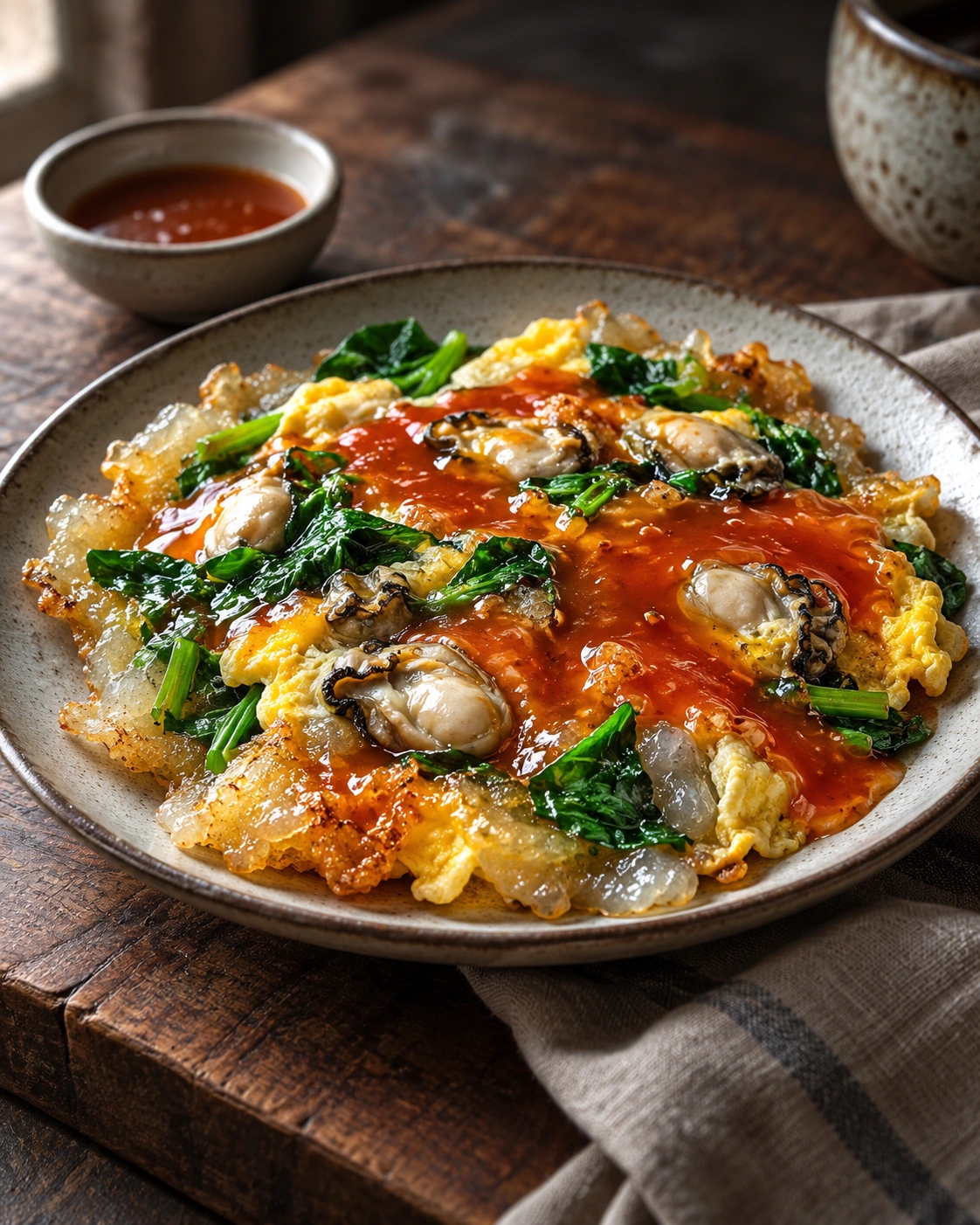
Taiwanese Oyster Omelette

Sweet potato starch gives the omelette its characteristic elastic bite.

20 minsPrep time
25 minsCook time
Serves 4Servings
EasyDifficulty
Taiwanese Oyster Omelette
About this dish

Taiwanese Oyster Omelette: the story on the plate

Taiwanese oyster omelette reflects links with Fujian and the wider coastal Chinese diaspora. In Taiwan’s night markets, its distinctive character comes from the soft, slightly elastic starch layer, oysters, greens and egg beneath a sweet-savoury sauce. It should not resemble a dry Western folded omelette. This home version uses a practical ketchup-and-chilli sauce rather than claiming to reproduce every stall’s blend. Sauce and greens vary between vendors and regions.

Historical background

Taiwanese oyster omelette reflects links with Fujian and the wider coastal Chinese diaspora. In Taiwan’s night markets, its distinctive character comes from the soft, slightly elastic starch layer, oysters, greens and egg beneath a sweet-savoury sauce. It should not resemble a dry Western folded omelette. This home version uses a practical ketchup-and-chilli sauce rather than claiming to reproduce every stall’s blend.

Why it is famous

Sweet potato starch gives the omelette its characteristic elastic bite. The defining contrast is chewy starch, tender egg.

Cultural significance

Sauce and greens vary between vendors and regions. Treat this as one regional or household version; accompaniments and seasoning vary between cooks.
Nutrition

Estimated nutrition per serving

These figures are estimates per serving. Actual nutrition can vary with the brands and exact amounts you use, how much oil, dressing or sauce is absorbed, any substitutions or added extras, and the portion size served.

A practical guide for comparing recipes and planning meals.

308Calories
18.9gProtein
31.1gCarbs
12.3gFat
Ingredients

What you need

  • 300 oysters, shucked and drained
  • 200 egg, beaten
  • 80 sweet potato starch
  • 180 water
  • 150 Chinese greens, chopped
  • 25 Vegetable Oil
  • 40 tomato ketchup
  • 20 Sweet chilli sauce
  • 10 soy sauce
  • 10 Sugar
Method

Step-by-step method

Follow the recipe in order, tasting and adjusting seasoning where needed.

  1. 1. Use chilled oysters from a reputable supplier; check for shell fragments. Prepare four equal portions before starting.
  2. 2. Mix starch and measured water into a smooth batter. Mix ketchup, chilli sauce, soy and sugar with 40 ml additional water and simmer 2 minutes.
  3. 3. Heat a little oil in a nonstick pan and add one quarter of the oysters; cook 1 minute.
  4. 4. Stir batter and pour in one quarter, then add one quarter of the greens and egg.
  5. 5. Cook 3–4 minutes until set underneath; turn carefully and cook until oysters are fully opaque and hot throughout.
  6. 6. Repeat for four small omelettes and serve immediately with warm sauce.
Cook smarter

Tips, storage and serving advice

Shopping tips

Use chilled oysters from a reputable supplier; check for shell fragments. Prepare four equal portions before starting.

Ingredient quality

Use chilled oysters from a reputable supplier; check for shell fragments. Prepare four equal portions before starting. Stir the starch suspension before every portion because the starch settles quickly. Aim for a tender, translucent set.

Common mistakes

A very thick batter becomes rubbery. Turn only when the base releases and cook oysters fully rather than relying on a browned surface.

Chef’s tips

Stir the starch suspension before every portion because the starch settles quickly. Aim for a tender, translucent set.

How to know it is cooked

Cook 3–4 minutes until set underneath; turn carefully and cook until oysters are fully opaque and hot throughout.

Plating advice

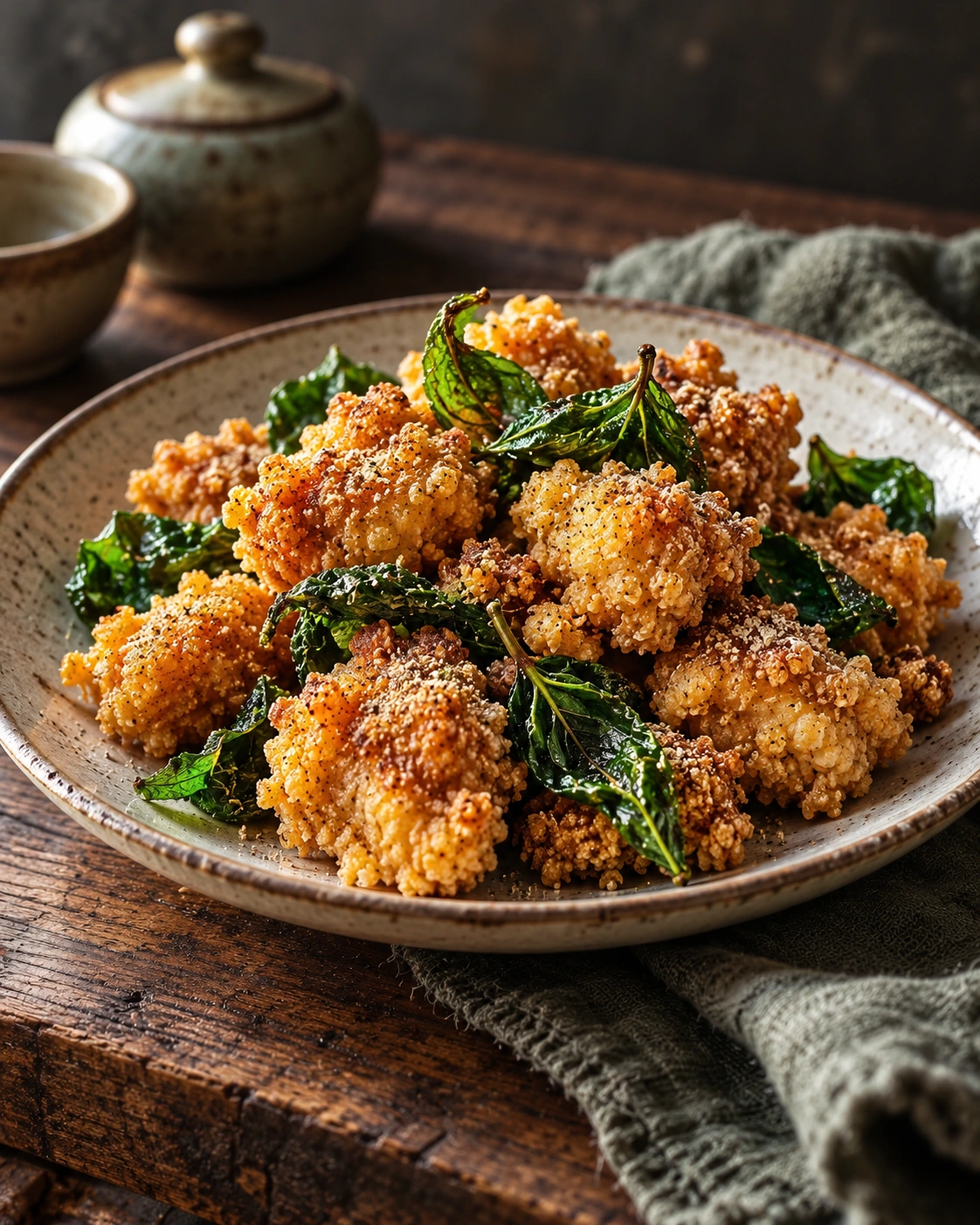
Taiwanese oyster omelette on a simple plate, visible small cooked oysters, green leaves, golden egg and translucent chewy starch edges, modest glossy reddish sweet savoury sauce.

Make ahead

Preparation checkpoint: Use chilled oysters from a reputable supplier; check for shell fragments. Prepare four equal portions before starting. Prepare and measure components ahead, then follow the cooking, chilling and assembly order in the method. Keep raw animal foods chilled and separate from ready-to-eat ingredients.

Storage and reheating

Refrigerate perishable leftovers promptly in shallow covered containers at 5°C or below and use within 48 hours or the shortest ingredient use-by date. Reheat one portion once until steaming hot throughout, stirring sauces and soups for even heating. For chilled desserts, serve chilled rather than reheating.