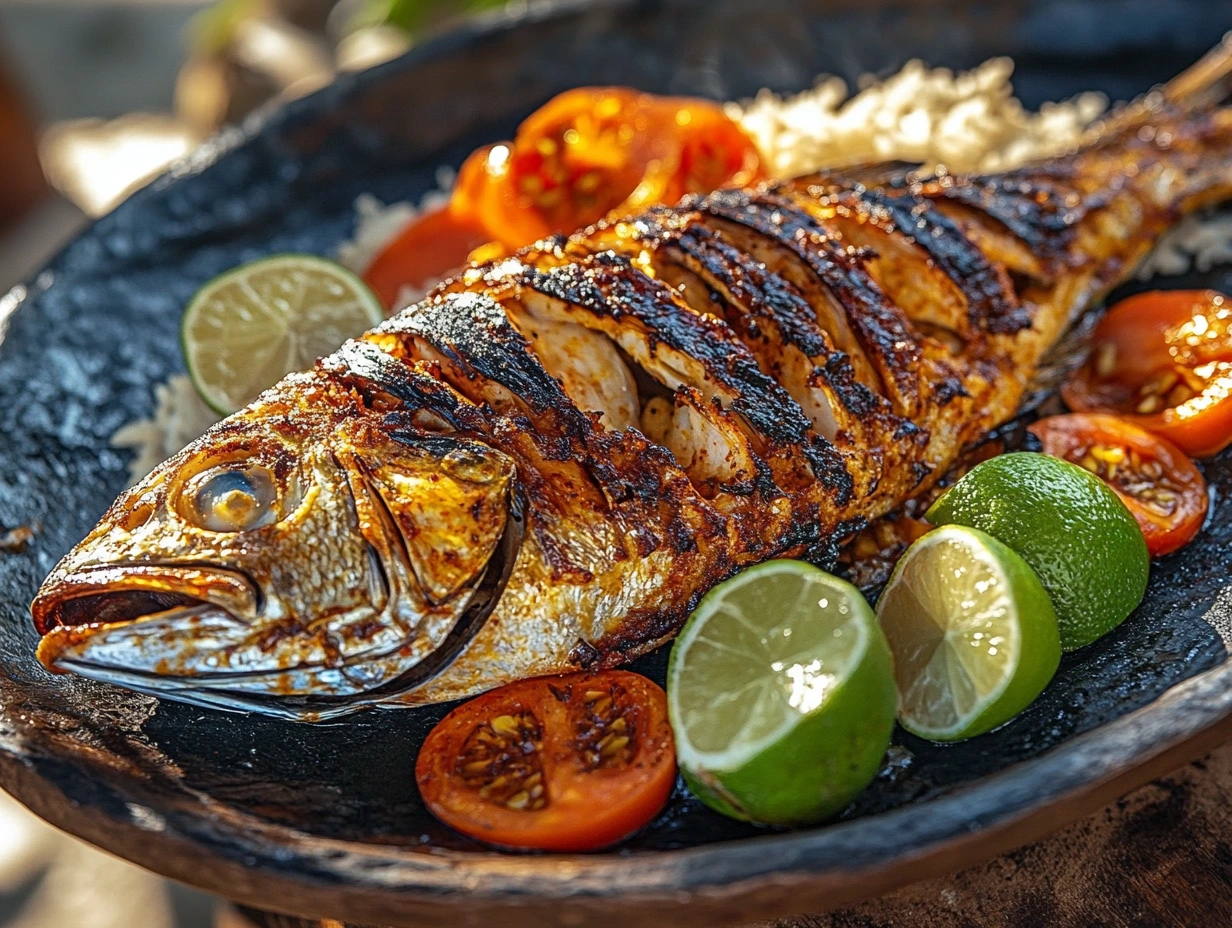
Samaki wa Kupaka: the story on the plate
Zanzibar’s cooking reflects centuries of Indian Ocean trade, bringing rice, cloves, cardamom, coconut and layered spice techniques into Swahili food. The dish is recognised for white fish in the style of Swahili coast and Zanzibar. Its success depends on preserving the intended contrast of texture, seasoning and temperature, so the defining ingredient remains clear rather than being buried by garnish or sauce. The dish is tied to island hospitality, Ramadan, weddings or everyday Stone Town eating, depending on its scale.
Historical background
Zanzibar’s cooking reflects centuries of Indian Ocean trade, bringing rice, cloves, cardamom, coconut and layered spice techniques into Swahili food.
Why it is famous
The dish is recognised for white fish in the style of Swahili coast and Zanzibar. Its success depends on preserving the intended contrast of texture, seasoning and temperature, so the defining ingredient remains clear rather than being buried by garnish or sauce.
Cultural significance
The dish is tied to island hospitality, Ramadan, weddings or everyday Stone Town eating, depending on its scale.