Kande ya Nazi: the story on the plate
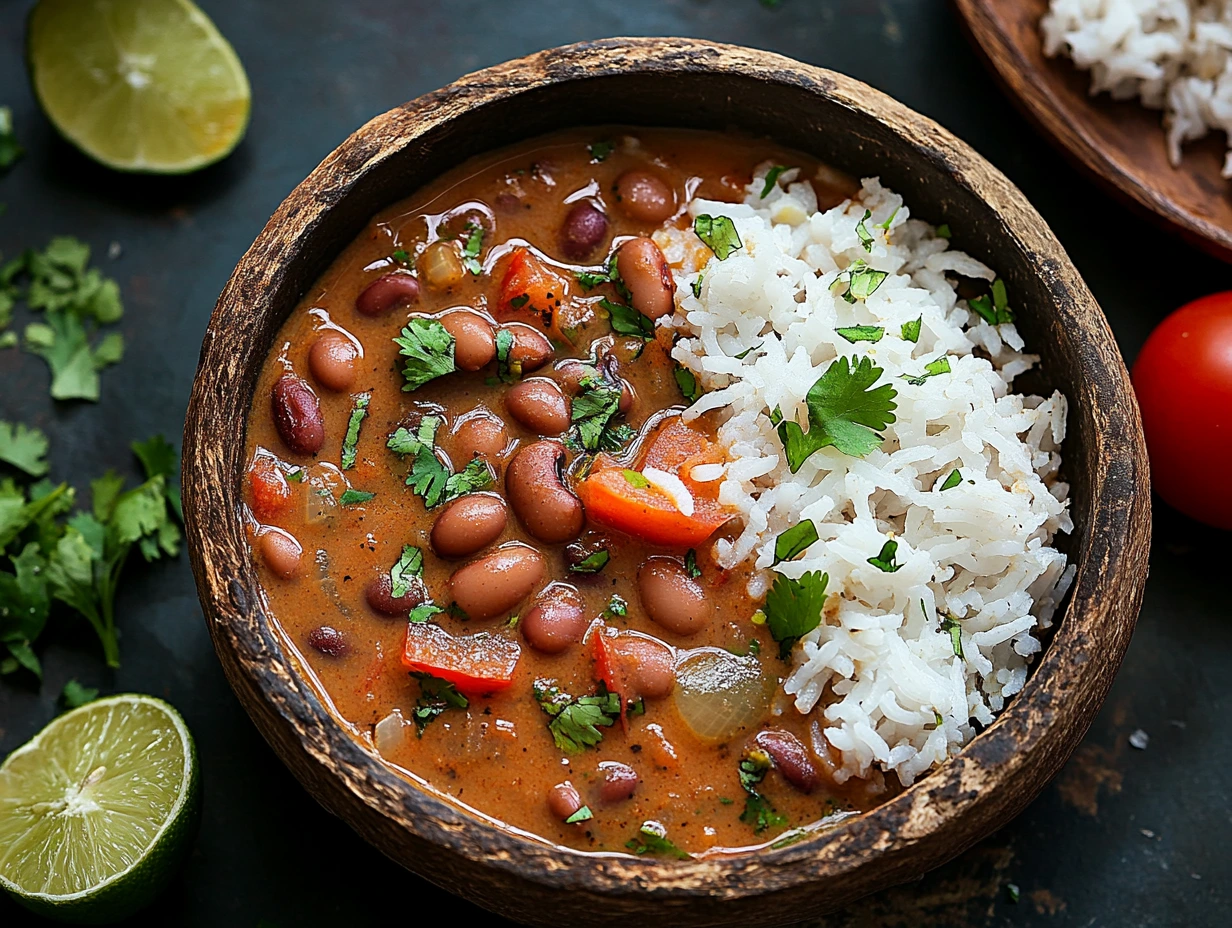
Along Tanzania’s Swahili coast, coconut milk and grated coconut enrich fish, beans, rice and greens, reflecting an Indian Ocean pantry. The dish is recognised for maize, beans and coconut in the style of coastal variation on maize and beans. Its success depends on preserving the intended contrast of texture, seasoning and temperature, so the defining ingredient remains clear rather than being buried by garnish or sauce. It is part of coastal family cooking and is commonly served with rice, chapati or ugali.
Historical background
Along Tanzania’s Swahili coast, coconut milk and grated coconut enrich fish, beans, rice and greens, reflecting an Indian Ocean pantry.
Why it is famous
The dish is recognised for maize, beans and coconut in the style of coastal variation on maize and beans. Its success depends on preserving the intended contrast of texture, seasoning and temperature, so the defining ingredient remains clear rather than being buried by garnish or sauce.
Cultural significance
It is part of coastal family cooking and is commonly served with rice, chapati or ugali.