
Australian Starter
Pumpkin and Feta Tartlets
Small flaky tartlets filled with sweet roasted pumpkin, salty feta and herbs.
25 minsPrep time
30 minsCook time
Serves 2Servings
MediumDifficulty

Nutrition
Estimated nutrition per serving
These figures are estimates per serving. Actual nutrition can vary with the brands and exact amounts you use, how much oil, dressing or sauce is absorbed, any substitutions or added extras, and the portion size served.A practical guide for comparing recipes and planning meals.
480Calories
14gProtein
58gCarbs
20gFat
Ingredients
What you need
- 190 puff pastry
- 300 pumpkin, cubed and roasted
- 90 feta, crumbled
- 1 egg
- 60 cream
- 1 thyme
- 1 olive oil
Method
Step-by-step method
Follow the recipe in order, tasting and adjusting seasoning where needed.
- 1. Roast pumpkin until tender and lightly caramelised. Measure everything before you start so the recipe scales cleanly from the dynamic ingredient quantities. Cut vegetables evenly so they soften at the same rate and the final texture is balanced. Preheat the oven to 200°C / 390°F and use the middle shelf unless the recipe needs strong top browning.
- 2. Cut pastry into tartlet cases and blind bake briefly. Preheat the oven to 200°C / 390°F and use the middle shelf unless the recipe needs strong top browning.
- 3. Whisk egg and cream, then season. Work steadily and check texture rather than relying only on the clock.
- 4. Fill cases with pumpkin, feta and thyme. Work steadily and check texture rather than relying only on the clock.
- 5. Bake until puffed, golden and set. Preheat the oven to 200°C / 390°F and use the middle shelf unless the recipe needs strong top browning. Taste at the end for salt, acidity and richness; traditional versions should feel generous but balanced.
Cook smarter
Tips, storage and serving advice
Shopping tips
Ingredient quality
Common mistakes
Chef’s tips
How to know it is cooked
Plating advice
Make ahead
Storage and reheating
Wine pairing
What to drink with Pumpkin and Feta Tartlets
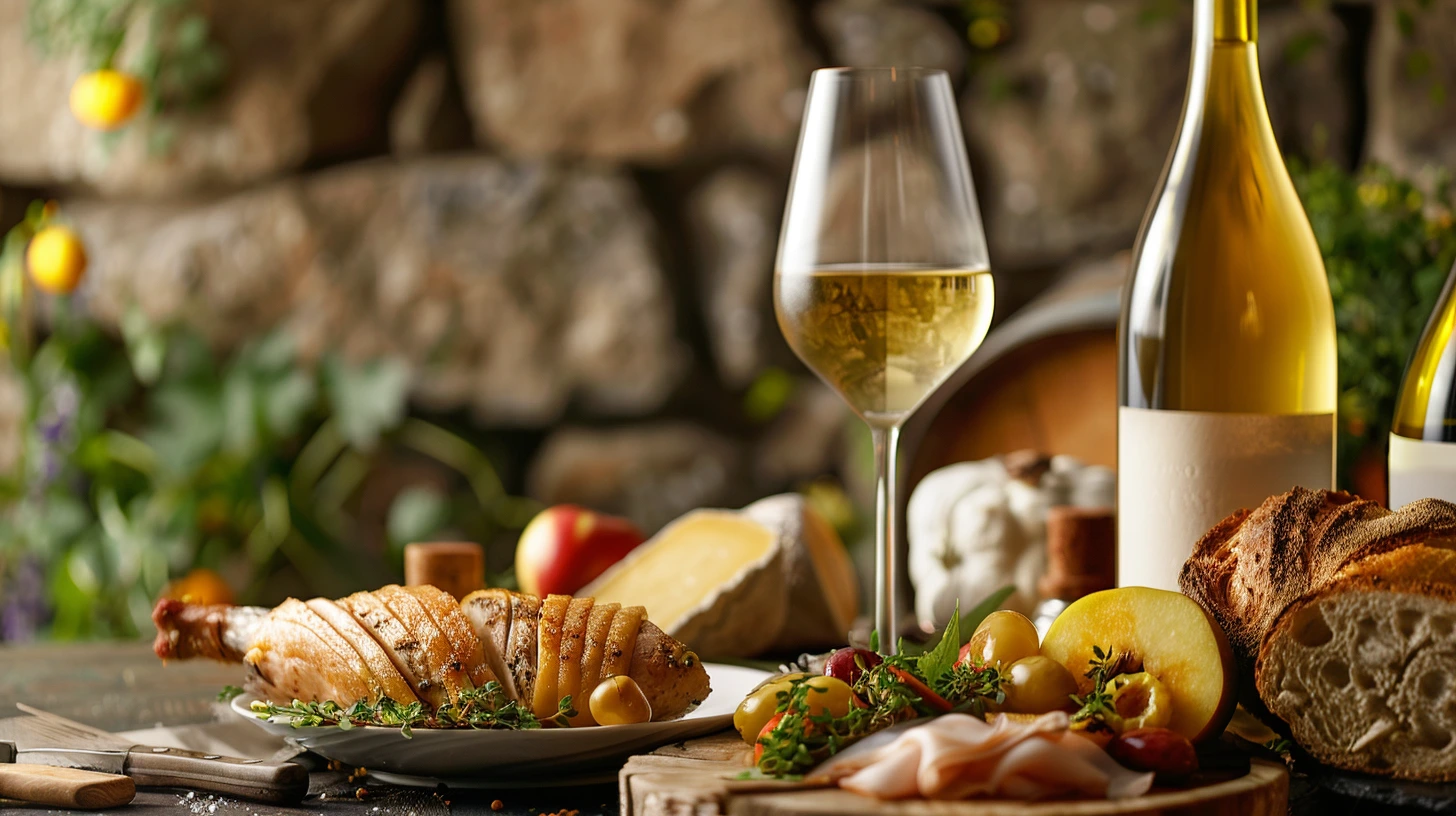
These are wine-style pairings, so you can choose any bottle in that style rather than needing one exact producer. Look for the grape, region or style name on the label.Pairings are chosen around the dish’s flavour, texture, richness, acidity and cooking style, not just the country it comes from.

#1
Excellent match
White
Chardonnay
Why it works:
- Flavour bridge: ripe fruit and subtle savoury notes complement butter, cream and cheese
- Acidity: Fresh acidity prevents palate fatigue
- Body: Medium body mirrors creamy texture
- Tannin: Low-to-moderate tannin avoids clashing with dairy
- Sweetness: Dry style keeps richness controlled
- Best for: Dinner, entertaining or recipe pairing
#2
Great match
White
White Burgundy / Oaked Chardonnay
Why it works:
- Flavour bridge: ripe fruit and subtle savoury notes complement butter, cream and cheese
- Acidity: Fresh acidity prevents palate fatigue
- Body: Medium body mirrors creamy texture
- Tannin: Low-to-moderate tannin avoids clashing with dairy
- Sweetness: Dry style keeps richness controlled
- Best for: Dinner, entertaining or recipe pairing
#3
Interesting match
White
Chenin Blanc
Why it works:
- Flavour bridge: ripe fruit and subtle savoury notes complement butter, cream and cheese
- Acidity: Fresh acidity prevents palate fatigue
- Body: Medium body mirrors creamy texture
- Tannin: Low-to-moderate tannin avoids clashing with dairy
- Sweetness: Dry style keeps richness controlled
- Best for: Dinner, entertaining or recipe pairing
Bottle suggestions
Specific wines to try
These are named bottles or regional wine examples already linked to this recipe. Each card opens the relevant wine-style guide because individual bottle pages are not currently published.Australian Chardonnay
Suggested pairing for Pumpkin and Feta Tartlets: Australian Chardonnay works with the dish structure and dominant flavours.
Explore this wine styleAustralian Moscato or Botrytis Semillon
Australian Moscato or Botrytis Semillon is credible here because it represents the matched Moscato d'Asti style. Moscato D A…
Explore this wine styleAustralian Semillon Sauvignon Blanc
Australian Semillon Sauvignon Blanc is credible here because it represents the matched Sauvignon Blanc style. This wine styl…
Explore this wine styleAustralian Sparkling Brut
Australian Sparkling Brut is credible here because it represents the matched Champagne / Traditional Method Brut style. High…
Explore this wine styleIndian Food Sweet Muscat
Indian Food Sweet Muscat is credible here because it represents the matched Moscato d'Asti style. Moscato D Asti suits Pumpk…
Explore this wine styleCook next
View cuisine More Australian recipes
Keep exploring the country’s food story through related starters, mains and desserts.

Sydney Rock Oysters with Finger Lime
Briny native oysters served chilled with bright finger-lime pearls that burst like citrus caviar.
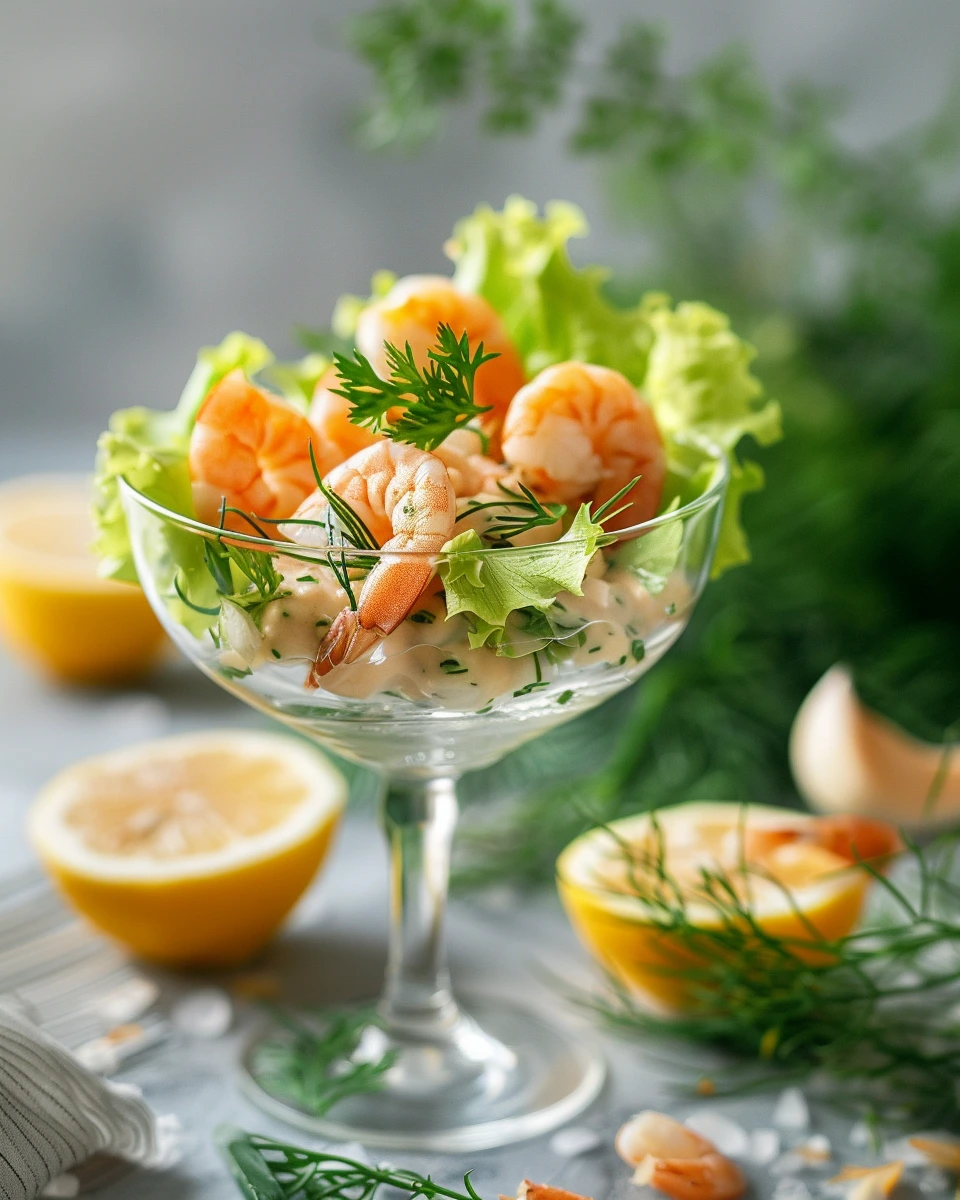
Classic Prawn Cocktail
Cold prawns, crisp lettuce and avocado dressed with a tangy pink cocktail sauce.
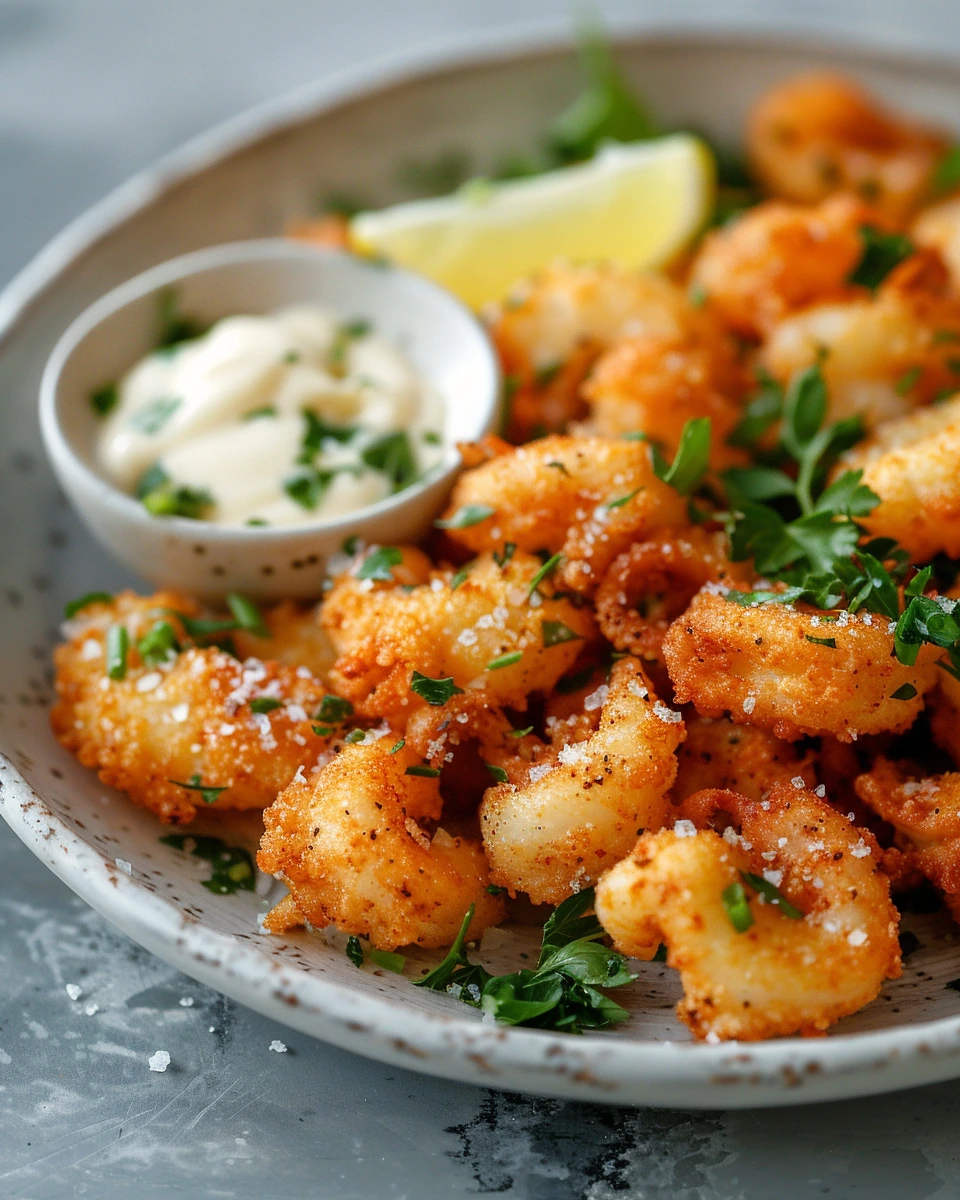
Salt and Pepper Squid
Crisp squid seasoned with salt, pepper and chilli, served with lemon and a fresh dipping sauce.
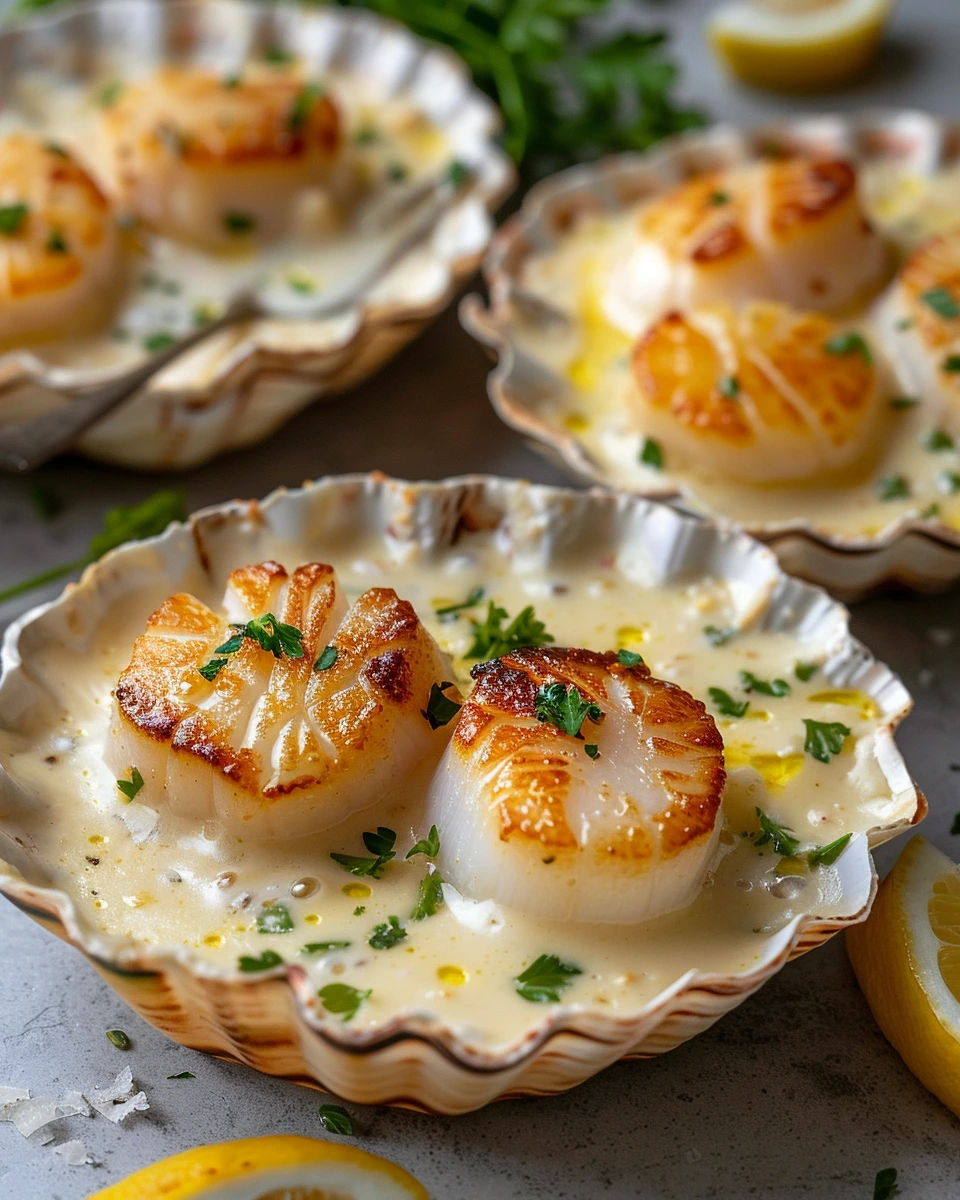
Scallops Mornay
Tender scallops baked in a silky cheese sauce beneath a lightly browned topping.