Australian Starter

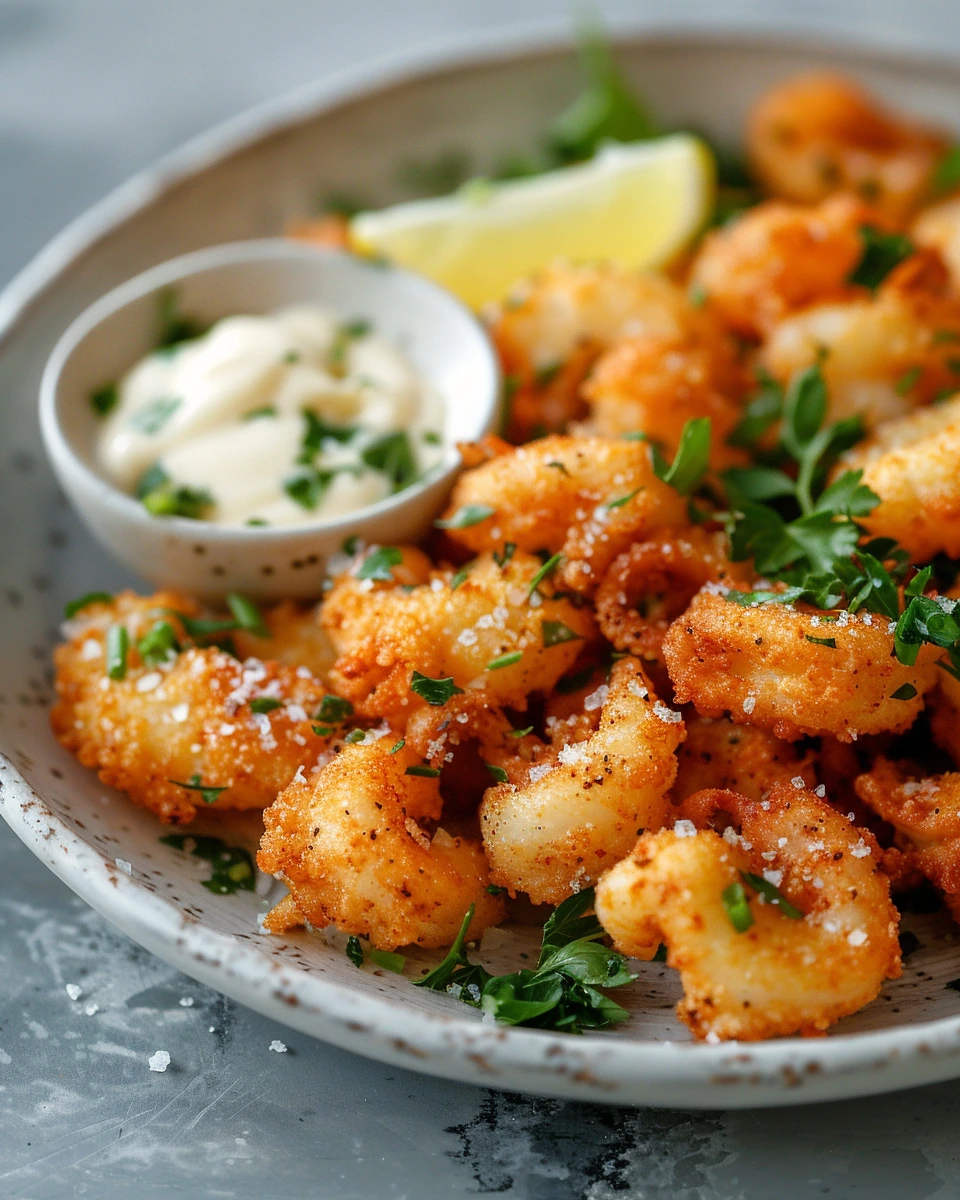
Salt and Pepper Squid

Salt and Pepper Squid upgraded with metric serves-2 ingredients, a clearer Australian context and practical cooking guidance.

20 minsPrep time
10 minsCook time
Serves 2Servings
MediumDifficulty
Salt and Pepper Squid
About this dish

Salt and Pepper Squid: the story on the plate

Crisp, tender squid with Australian-Chinese takeaway roots. This is a traditional Australian starter built around regional ingredients, family cooking and a clear sense of place.

Historical background

Australian coastal cooking is shaped by clean seafood, bright citrus and simple grilling or baking. The recipe focuses on freshness first, then adds native or classic accents such as finger lime, lemon myrtle, garlic butter or tartare sauce.

Why it is famous

It is famous because Australian seafood is often served simply, letting shellfish, reef fish or cold-water salmon carry the dish.

Cultural significance

A useful Australian recipe because it links ingredients, setting and everyday eating rather than treating the dish as just a list of steps.

Nutrition

Estimated nutrition per serving

Useful for meal planning and calorie-aware recipe browsing.

540Calories
36gProtein
35gCarbs
24gFat

Estimated from the upgraded serves-2 metric ingredient list; verify with a nutrition calculator before making health claims.

Ingredients

What you need

  • 300 squid tubes, cleaned and sliced
  • 45 cornflour
  • 35 rice flour
  • 1 white pepper
  • 0.75 fine salt
  • 1 red chilli, sliced
  • 1 spring onion, sliced
  • 1 lime, wedges
  • 400 neutral oil, for frying
Method

Step-by-step method

Follow the recipe in order, tasting and adjusting seasoning where needed.

  1. 1. Score and slice the squid. Measure everything before you start so the recipe scales cleanly from the dynamic ingredient quantities. Keep seafood chilled until cooking or serving, and cut vegetables into even bite-sized pieces.
  2. 2. Toss with flour, salt and white pepper. Work steadily and check texture rather than relying only on the clock.
  3. 3. Heat oil until hot. Work steadily and check texture rather than relying only on the clock.
  4. 4. Fry the squid in small batches until crisp. Heat oil to about 180°C / 355°F; if it is too cool the food turns greasy, and if too hot the outside browns before the centre cooks.
  5. 5. Drain well and season again. Work steadily and check texture rather than relying only on the clock.
  6. 6. Serve with chilli, spring onion and lime. Taste at the end for salt, acidity and richness; traditional versions should feel generous but balanced.
Cook smarter

Tips, storage and serving advice

Shopping tips

Buy the freshest main ingredient you can; for seafood choose clean-smelling, firm pieces, and for meat choose good colour with no excessive liquid.

Ingredient quality

Native ingredients such as lemon myrtle, wattleseed, pepperberry, bush tomato and finger lime should smell vivid rather than dusty or stale.

Common mistakes

Do not overcook lean seafood, kangaroo or crocodile; avoid under-seasoning simple bakery and barbecue dishes.

Chef’s tips

Prepare garnishes, sauces and sides before cooking the main protein so the dish can be served hot and fresh.

How to know it is cooked

Proteins should be just cooked through; pastry should be deeply golden; desserts should be set but not dry.

Plating advice

Keep plating simple: main item first, sauce neatly, fresh herb or citrus garnish last.

Make ahead

Sauces, pastry fillings and dessert bases can often be made ahead; crisp or grilled elements are best finished close to serving.

Storage and reheating

Store covered in the fridge and eat within 2 days for seafood or 3 days for cooked meat and desserts. Reheat gently; use an oven or air fryer for pastry and fried foods so they stay crisp.

Wine pairing

What to drink with Salt and Pepper Squid

Pairings are chosen around the dish’s flavour, texture, richness, acidity and cooking style — not just the country it comes from.

Albariño / Vinho Verde wine pairing
#1 Great match White

Albariño / Vinho Verde

Why it works: Albarino Vinho Verde suits Salt and Pepper Squid because the dish is fresh, savoury and coastal, usually lifted by citrus, herbs, butter, spice or a clean salty finish; the wine keeps the finish balanced rather than heavy.

Fresh coastal white wine with citrus, peach, sea-spray minerality and bright acidity. Excellent with seafood, salt cod, octopus and light fried fish.

GrapeAlbariño, Alvarinho, Loureiro, Arinto
RegionRías Baixas, Minho, Vinho Verde
Wine flavourlime, peach, saline, green apple, blossom
Serve at7-9°C
  • Flavour bridge: The pairing links acidity, body and aroma to the main ingredients, giving freshness for rich dishes and enough weight for hearty ones.
  • Acidity: Use acidity to lift richness, salt, fried texture, cream, butter or slow-cooked depth.
  • Body: The wine body is chosen to avoid overpowering the dish while still standing up to the main ingredient.
  • Tannin: Low or moderate tannin is safest unless the recipe is built around red meat, roasting or deep savoury sauces.
  • Sweetness: Keep the wine dry for savoury recipes; use gentle sweetness for desserts or spicy dishes.
  • Best for: Starter pairing for testing and editorial menus.

These are wine-style pairings, so you can choose any bottle in that style rather than needing one exact producer. Look for the grape, region or style name on the label.

Bottle suggestions

Specific wines to try

These are individual wines already linked to this recipe.