Keropok Lekor: the story on the plate
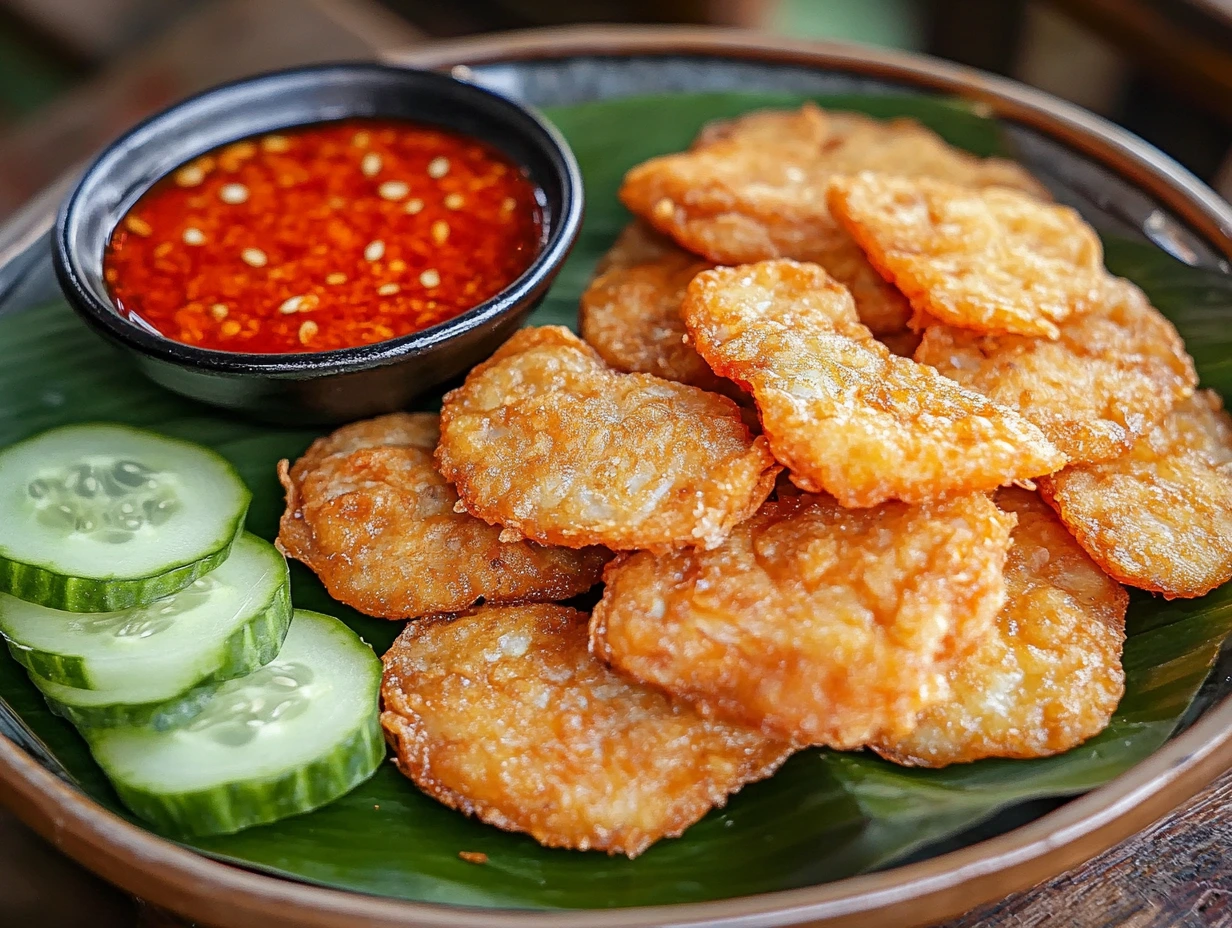
Associated with Terengganu on Malaysia’s east coast, Keropok Lekor developed through practical cooking, local produce and the social occasion on which it was served. Its defining character comes from Terengganu fish sausage made from fish paste and sago flour, boiled then sliced and fried. Success depends on controlling seasoning, moisture and texture so the principal ingredient remains clear. The dish remains visible through hawker centres, kopitiams, family tables and festive open houses. Those occasions have kept its techniques and expected accompaniments familiar across generations.
Historical background
Associated with Terengganu on Malaysia’s east coast, Keropok Lekor developed through practical cooking, local produce and the social occasion on which it was served.
Why it is famous
Its defining character comes from Terengganu fish sausage made from fish paste and sago flour, boiled then sliced and fried. Success depends on controlling seasoning, moisture and texture so the principal ingredient remains clear.
Cultural significance
The dish remains visible through hawker centres, kopitiams, family tables and festive open houses. Those occasions have kept its techniques and expected accompaniments familiar across generations.