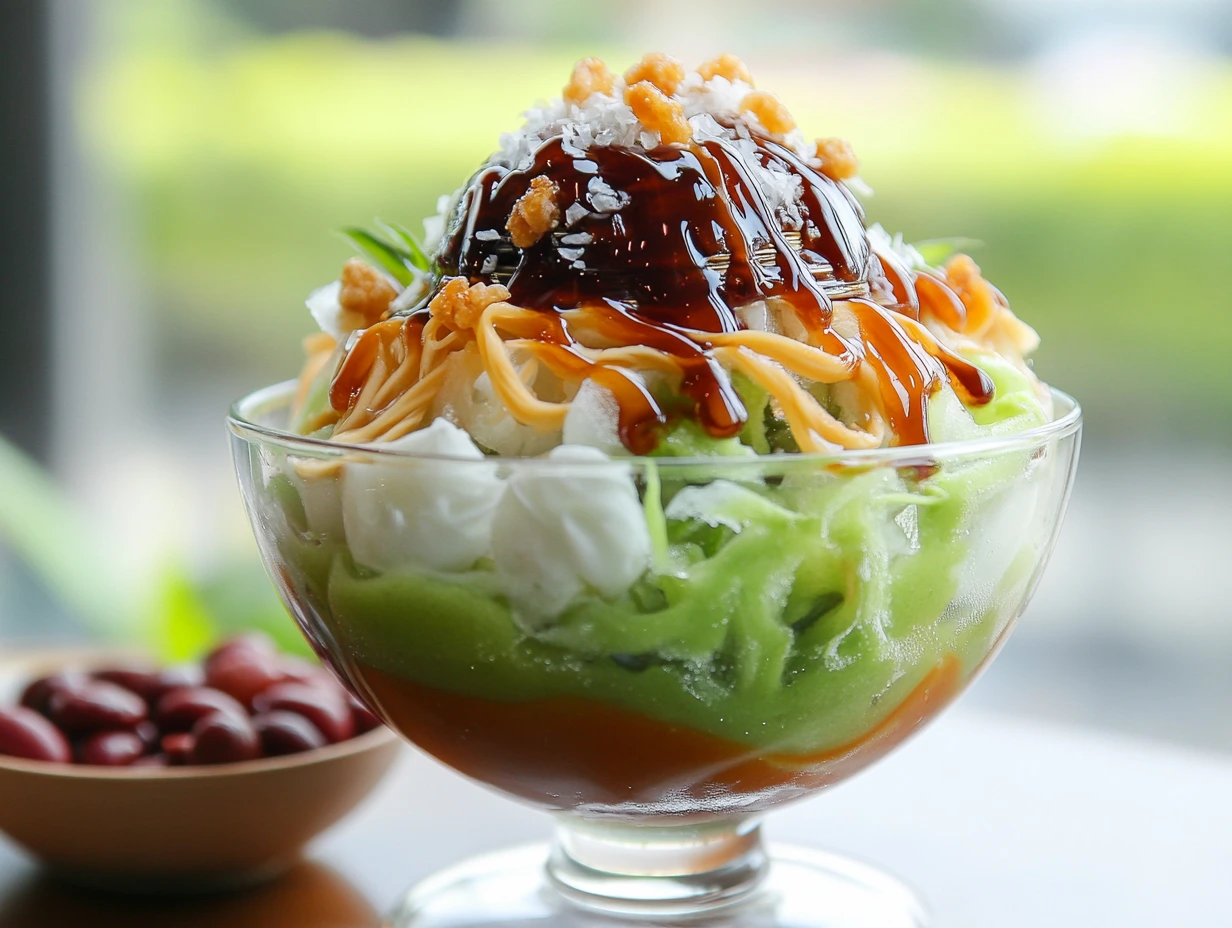
Cendol: the story on the plate
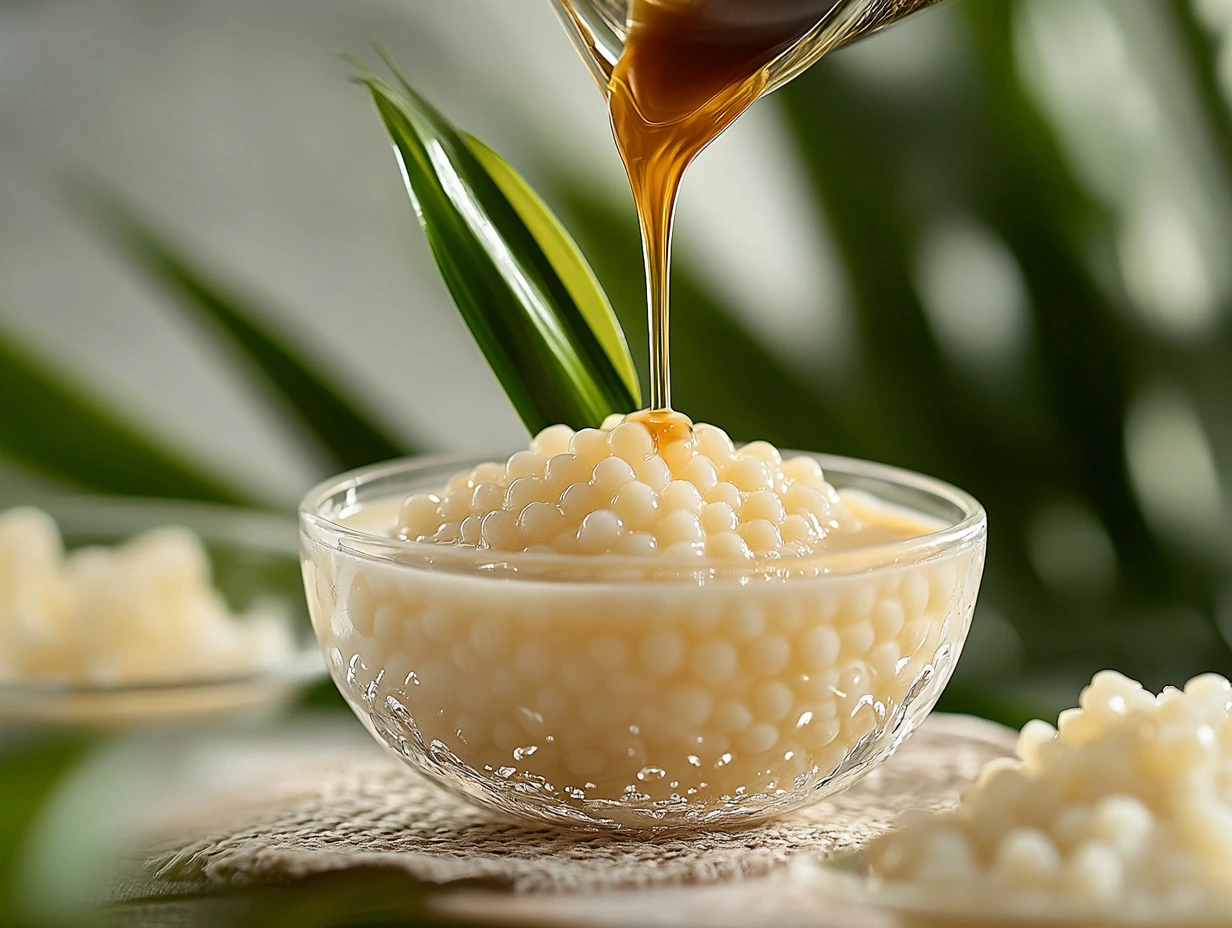
Cendol is rooted in Southeast Asian street-dessert culture, with Malaysian versions built around gula Melaka. Its present form reflects the ingredients, trade routes and household techniques that made the dish useful and memorable in that setting. It is recognised for shaved ice with pandan jelly, coconut milk and dark palm-sugar syrup. The best versions keep those elements distinct and balanced, so the dish tastes deliberate rather than heavy or muddled. Today it is closely associated with hawker centres, kopitiams, family tables and festive open houses. That context explains how it is portioned, what accompanies it and why it remains part of Malaysian food culture.
Historical background
Cendol is rooted in Southeast Asian street-dessert culture, with Malaysian versions built around gula Melaka. Its present form reflects the ingredients, trade routes and household techniques that made the dish useful and memorable in that setting.
Why it is famous
It is recognised for shaved ice with pandan jelly, coconut milk and dark palm-sugar syrup. The best versions keep those elements distinct and balanced, so the dish tastes deliberate rather than heavy or muddled.
Cultural significance
Today it is closely associated with hawker centres, kopitiams, family tables and festive open houses. That context explains how it is portioned, what accompanies it and why it remains part of Malaysian food culture.