Egyptian Dessert

Umm Ali

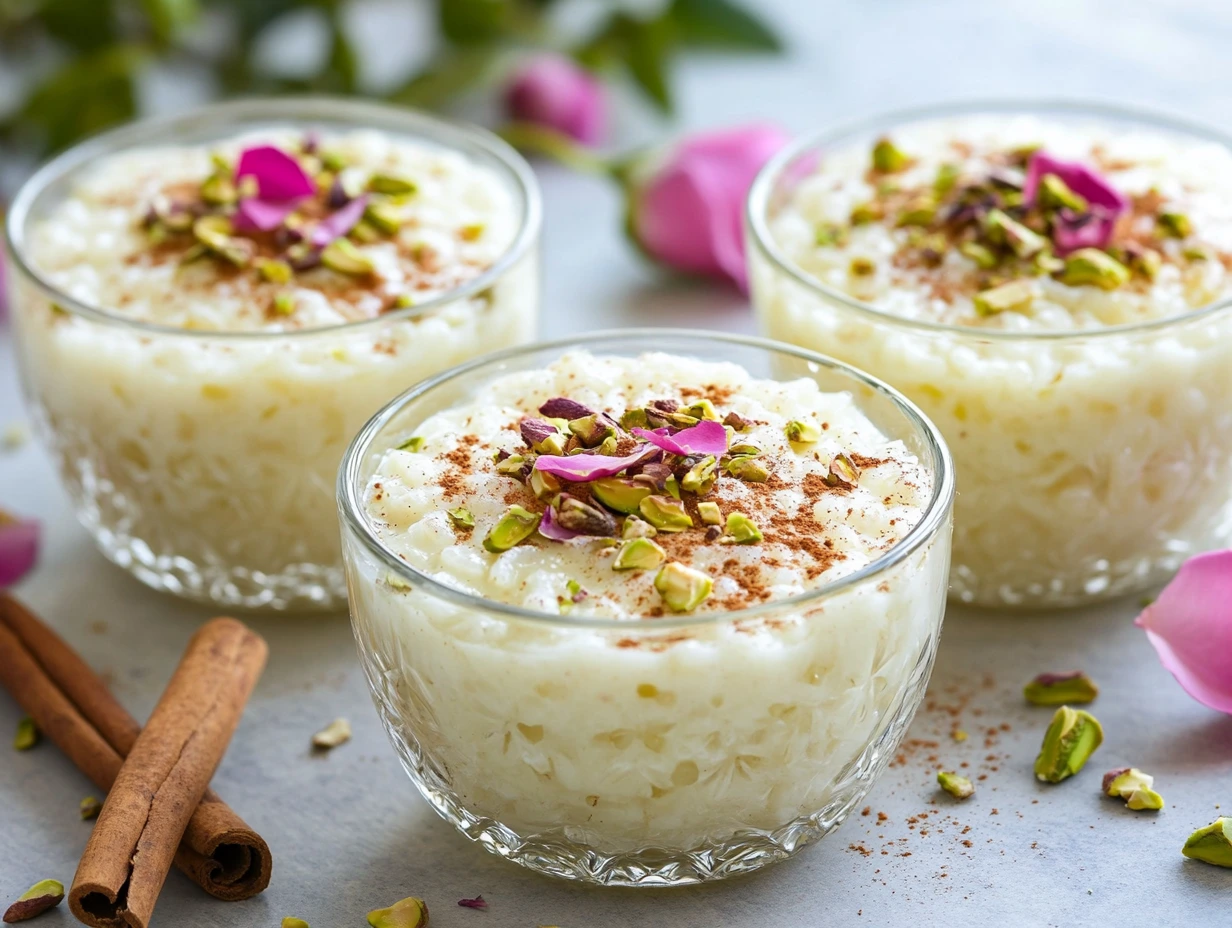
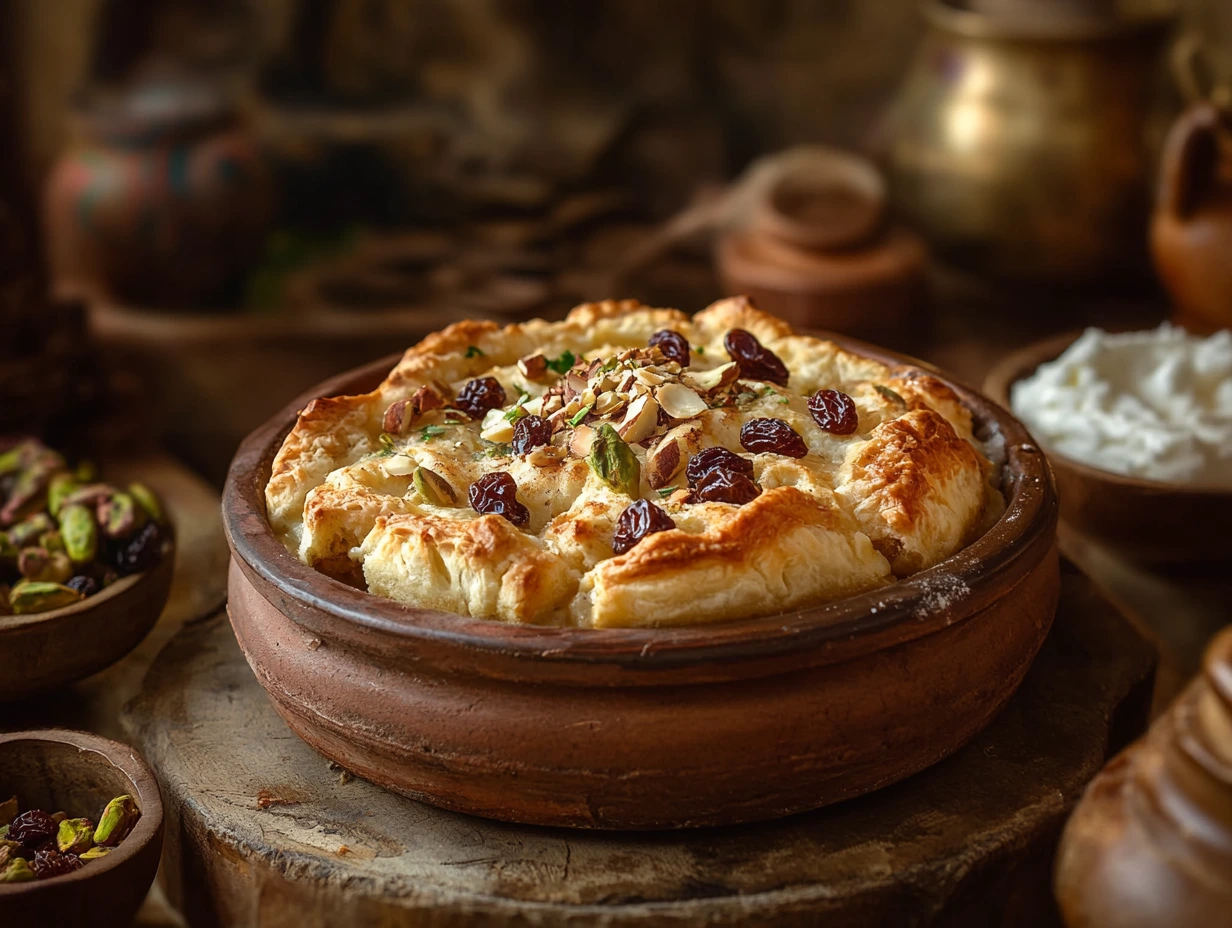
Umm Ali with a properly Egyptian flavour profile: practical, generous and built around pastry, milk, nuts and raisins.

20 minsPrep time
40 minsCook time
Serves 4Servings
MediumDifficulty
Umm Ali
About this dish

Umm Ali: the story on the plate

Umm Ali belongs to Egyptian bakeries, hotels and family celebrations. Umm Ali is Egypt’s famous bread-and-milk pudding, often linked to medieval court stories but loved today because it is generous, crisp-topped and easy to share. It matters as a celebratory dessert that feels both luxurious and homely. This version focuses on practical home-cooking detail: exact metric quantities, how to cut or prepare the main ingredients, the right heat level, visual cues, storage advice and serving ideas.

Historical background

Umm Ali belongs to Egyptian bakeries, hotels and family celebrations. Umm Ali is Egypt’s famous bread-and-milk pudding, often linked to medieval court stories but loved today because it is generous, crisp-topped and easy to share. It matters as a celebratory dessert that feels both luxurious and homely.

Why it is famous

Umm Ali is famous because it gives readers a recognisable route into Egyptian food rather than a generic Middle Eastern version.

Cultural significance

This dish works on the Egyptian page because it shows how the cuisine balances affordability, hospitality, street food, family cooking and celebration food.

Nutrition

Estimated nutrition per serving

Useful for meal planning and calorie-aware recipe browsing.

430Calories
8gProtein
58gCarbs
18gFat

Estimated from the upgraded Egyptian recipe for Umm Ali; verify with your preferred nutrition calculator before making formal nutritional claims.

Ingredients

What you need

  • 300 puff pastry, baked until crisp, or use croissants
  • 650 whole milk
  • 150 double cream
  • 90 caster sugar
  • 5 vanilla extract
  • 55 raisins
  • 80 mixed nuts, almonds, pistachios or hazelnuts, chopped
  • 35 desiccated coconut, optional but common
  • 3 ground cinnamon
  • fine sea salt
Method

Step-by-step method

Follow the recipe in order, tasting and adjusting seasoning where needed.

  1. Bake the pastry: Bake puff pastry at 200°C / 392°F until fully risen, dry and golden, usually 18 to 22 minutes. Cool, then break into rough pieces.
  2. Layer the dish: Put pastry pieces in a baking dish with raisins, nuts and coconut. Keep the pieces uneven so some soften and some crisp.
  3. Heat the milk: Bring milk, cream, sugar, vanilla and a pinch of salt just to a simmer. Stir until the sugar dissolves.
  4. Soak briefly: Pour the hot milk mixture over the pastry and leave for 5 minutes so the lower layer absorbs liquid while the top remains visible.
  5. Bake until bubbling: Bake at 190°C / 374°F for 18 to 22 minutes until bubbling at the edges and golden on top.
  6. Serve warm: Dust with cinnamon and serve warm. Do not overbake until dry; the centre should be creamy.
Cook smarter

Tips, storage and serving advice

Shopping tips

Use split fava beans for taameya, good tahini for dips, fresh herbs for mahshi and besara, short-grain rice for Egyptian rice dishes, and coarse semolina for basbousa.

Ingredient quality

Fresh herbs should smell vivid, cumin should be aromatic, onions should be firm and dry, and fish or meat should look clean and fresh. Do not hide tired ingredients under spice.

Common mistakes

The biggest mistakes are boiling delicate greens too hard, packing stuffed vegetables too tightly, frying before the oil is hot, under-seasoning beans, or assembling layered dishes too early.

Chef’s tips

Build flavour in stages: brown onions properly, fry garlic only until fragrant, taste with bread or rice, and finish with lemon, herbs, crisp onions or syrup at the right moment.

How to know it is cooked

It is cooked when the main ingredient is tender, the sauce or rice has the intended texture, and the dish tastes balanced with its normal accompaniment.

Plating advice

Serve generously but neatly: shallow bowls for dips and ful, wide platters for koshari and fattah, warm dishes for rice and meat, and clean squares for syrup desserts.

Make ahead

Prep herbs, sauces, soaked beans, stock and chopped vegetables ahead. Fry taameya, grill kofta, finish molokhia tasha and soak syrup cakes close to serving for best texture.

Storage and reheating

Cool leftovers quickly and refrigerate in sealed containers for up to 2 days for meat and fish dishes, or up to 3 days for beans, rice puddings and syrup cakes. Reheat stews, rice and stuffed vegetables gently with a splash of water or stock until piping hot. Re-crisp fried items in an oven or air fryer rather than the microwave.

Wine pairing

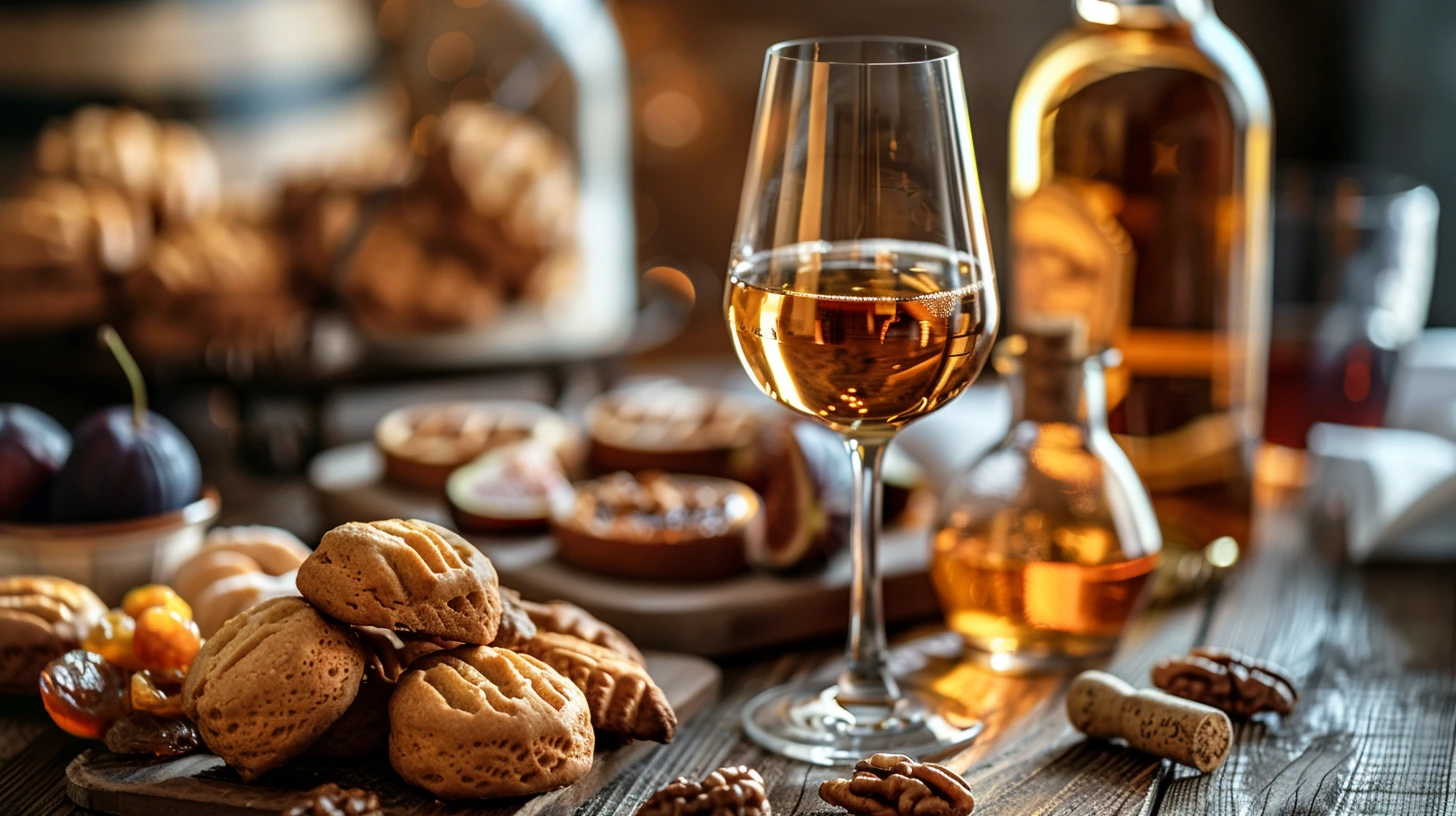
What to drink with Umm Ali

Pairings are chosen around the dish’s flavour, texture, richness, acidity and cooking style — not just the country it comes from.

Chenin Blanc wine pairing
#1 Great match White

Chenin Blanc

Why it works: A gently sweet aromatic wine suits Egyptian syrup, milk, nuts and pastry without making the dessert taste flat.

Versatile white with apple, quince, honey and bright acidity. Works with pork, poultry, pastry, creamy dishes and sweet-savoury sauces.

GrapeChenin Blanc
RegionLoire, Stellenbosch
Wine flavourapple, quince, honey, chamomile, wet stone
Serve at8-12°C for whites and sparkling; 14-16°C
  • Flavour bridge: lemon, garlic, herbs, cumin, tahini, browned onion or syrup depending on the dish
  • Acidity: fresh acidity is useful with Egyptian seasoning
  • Body: matched to the dish weight
  • Tannin: soft tannin or low tannin preferred
  • Sweetness: dry for savoury dishes; lightly sweet for desserts
  • Best for: Egyptian menu pairing
Prosecco wine pairing
#2 Good match Sparkling

Prosecco

Why it works: Sparkling wine works when served very cold against creamy or syrup-soaked sweetness.

Light, aromatic Italian sparkling wine with pear, apple blossom and gentle bubbles. Best with fresh starters, soft cheese, brunch food and light pastries.

GrapeGlera
RegionVeneto, Friuli-Venezia Giulia
Wine flavourpear, apple, white flowers, citrus
Serve at8-12°C for whites and sparkling; 14-16°C
  • Flavour bridge: lemon, garlic, herbs, cumin, tahini, browned onion or syrup depending on the dish
  • Acidity: fresh acidity is useful with Egyptian seasoning
  • Body: matched to the dish weight
  • Tannin: soft tannin or low tannin preferred
  • Sweetness: dry for savoury dishes; lightly sweet for desserts
  • Best for: Egyptian menu pairing

These are wine-style pairings, so you can choose any bottle in that style rather than needing one exact producer. Look for the grape, region or style name on the label.