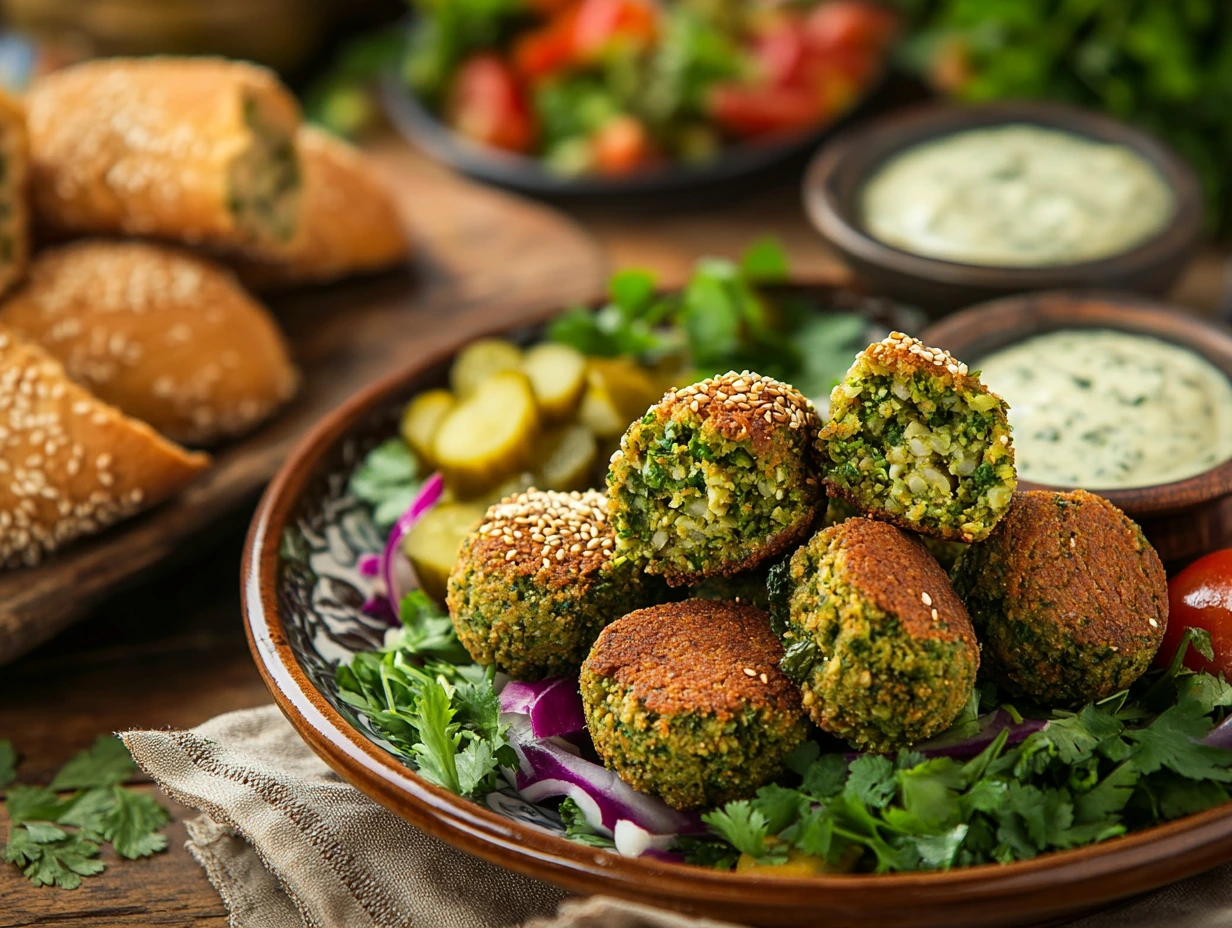
Taameya: the story on the plate
Egypt's version of falafel is made principally from split fava beans rather than chickpeas. The preparation is especially associated with Cairo and the Nile Valley, where beans and abundant herbs made an inexpensive, flavourful street food. Taameya are distinguished by their vivid green interior, airy texture and generous seasoning with parsley, coriander, dill, garlic and leek. Sesame seeds create a nutty crust. They are eaten for breakfast, in sandwiches, as part of mezze and during everyday street meals. Together with ful, taameya forms one of Egypt's most familiar breakfast combinations.
Historical background
Egypt's version of falafel is made principally from split fava beans rather than chickpeas. The preparation is especially associated with Cairo and the Nile Valley, where beans and abundant herbs made an inexpensive, flavourful street food.
Why it is famous
Taameya are distinguished by their vivid green interior, airy texture and generous seasoning with parsley, coriander, dill, garlic and leek. Sesame seeds create a nutty crust.
Cultural significance
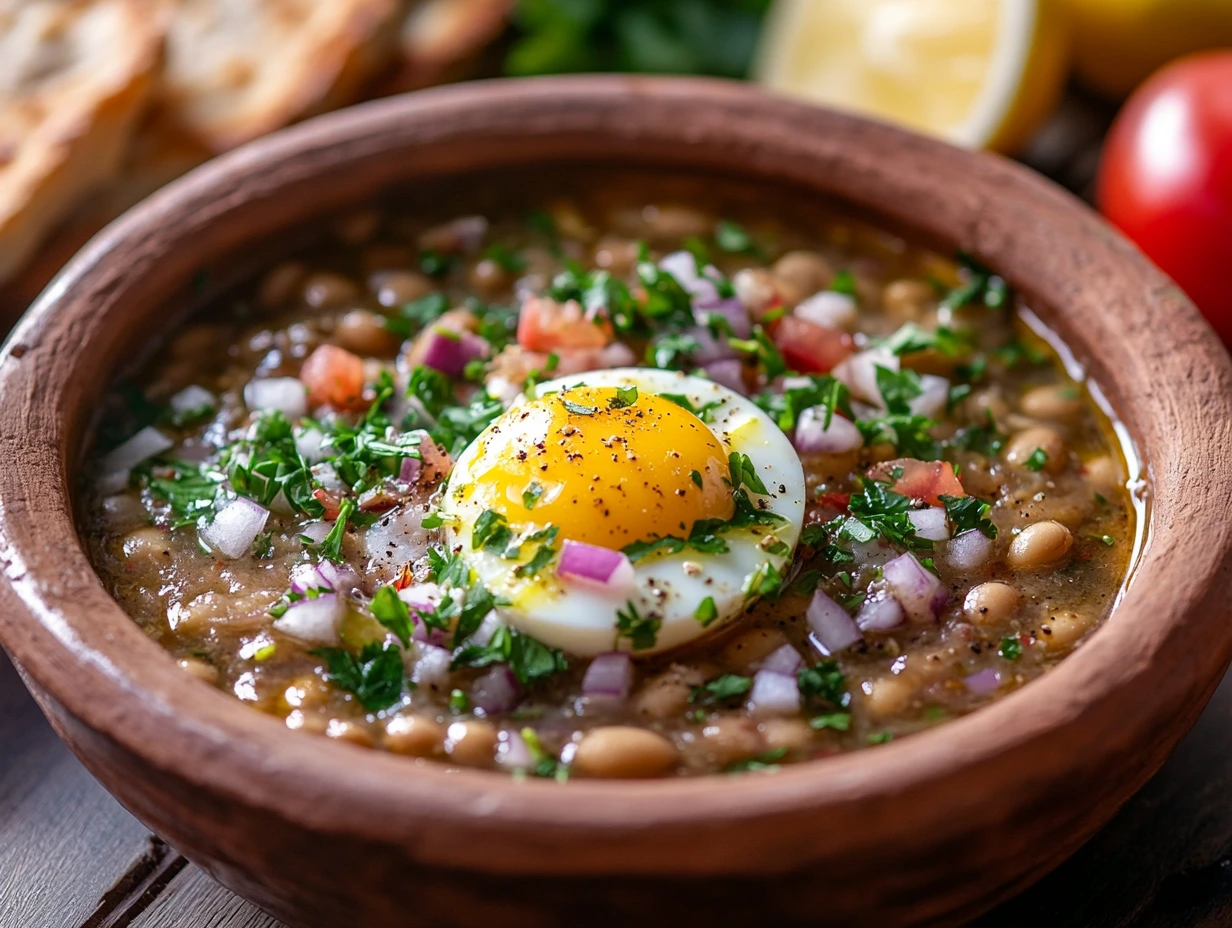
They are eaten for breakfast, in sandwiches, as part of mezze and during everyday street meals. Together with ful, taameya forms one of Egypt's most familiar breakfast combinations.