Psari Plaki: the story on the plate
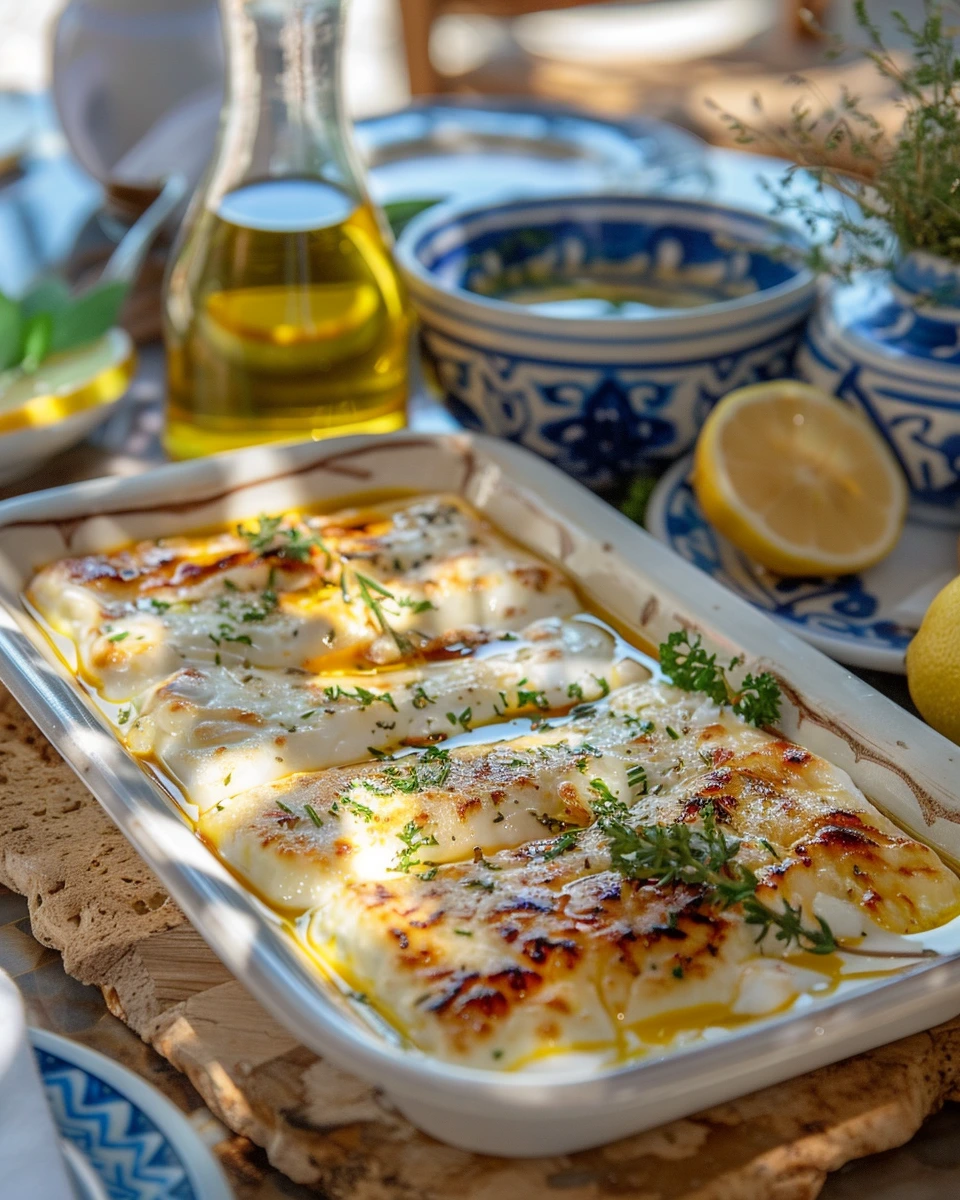
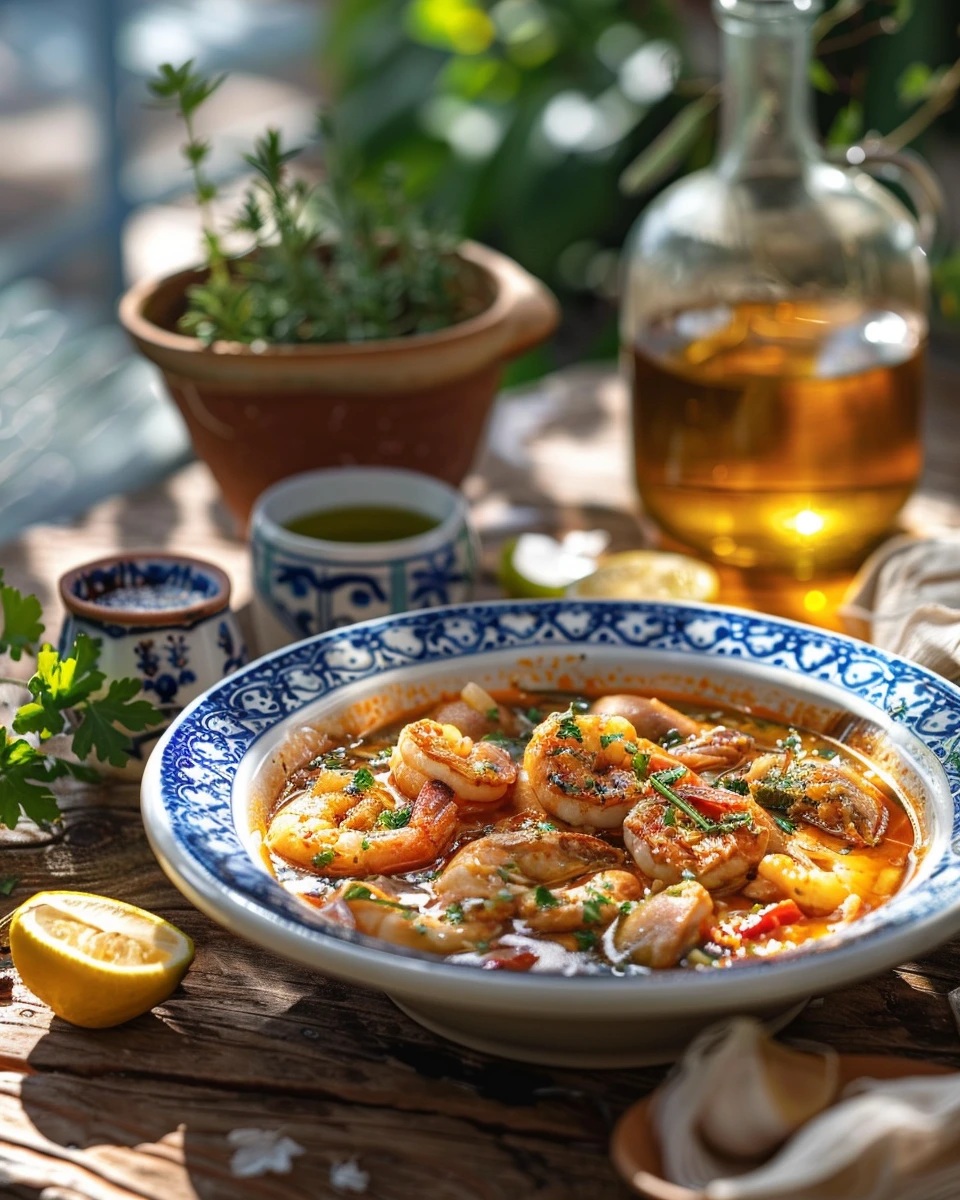
Psari plaki is part of the Greek plaki style of baking food in a tomato and olive oil sauce. It suits the country’s long coastline and island cooking, where whole fish or sturdy fillets are paired with simple vegetables and herbs. The method is famous for producing moist fish without complicated technique. Onion and tomato collapse into a sweet, savoury sauce while lemon, parsley and olive oil keep the dish bright rather than heavy. It is typical of relaxed family meals and seaside cooking, served with bread, potatoes or greens. The dish shows how Greek cooks use the oven and pantry ingredients to make fresh fish stretch into a complete meal.
Historical background
Psari plaki is part of the Greek plaki style of baking food in a tomato and olive oil sauce. It suits the country’s long coastline and island cooking, where whole fish or sturdy fillets are paired with simple vegetables and herbs.
Why it is famous
The method is famous for producing moist fish without complicated technique. Onion and tomato collapse into a sweet, savoury sauce while lemon, parsley and olive oil keep the dish bright rather than heavy.
Cultural significance
It is typical of relaxed family meals and seaside cooking, served with bread, potatoes or greens. The dish shows how Greek cooks use the oven and pantry ingredients to make fresh fish stretch into a complete meal.