Marmitako: the story on the plate
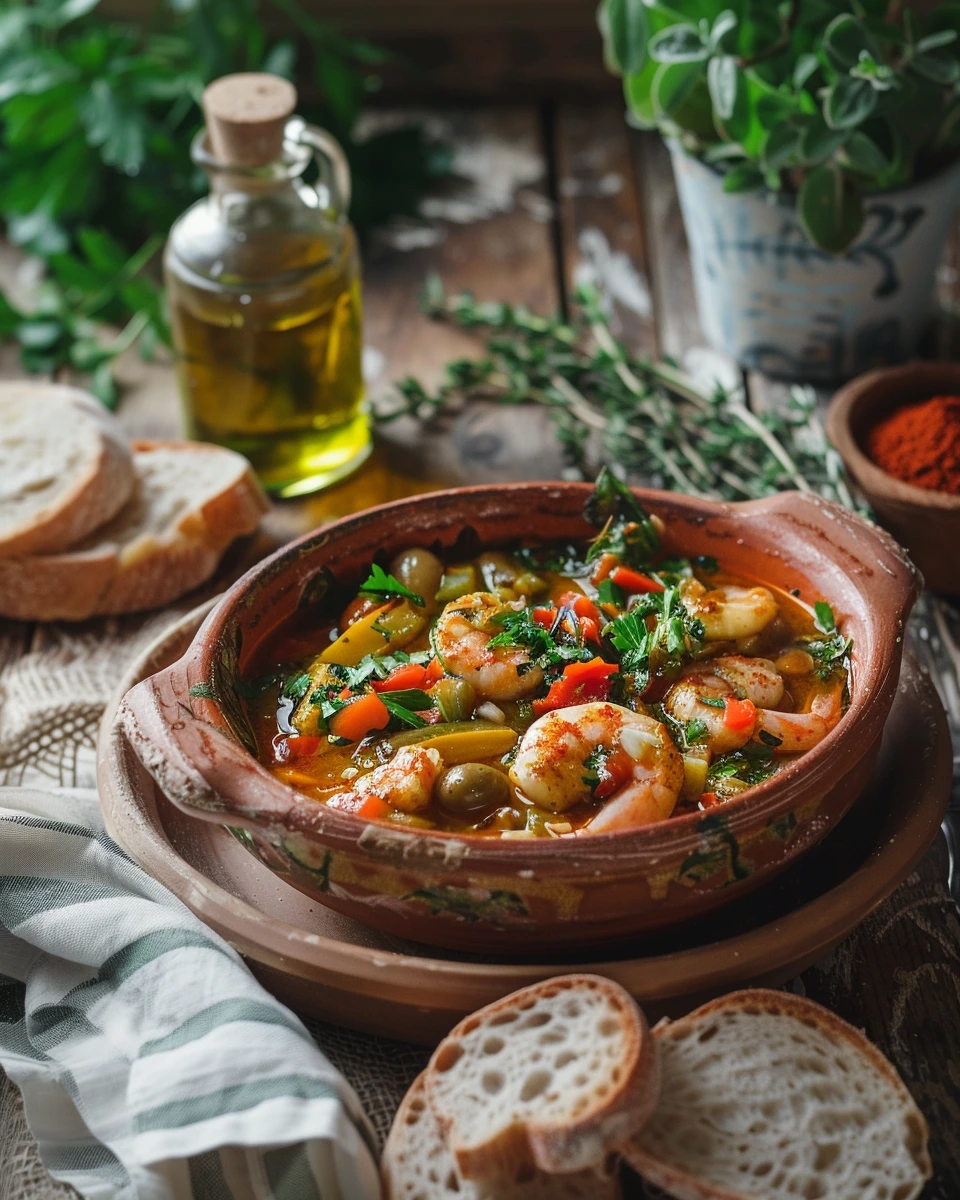
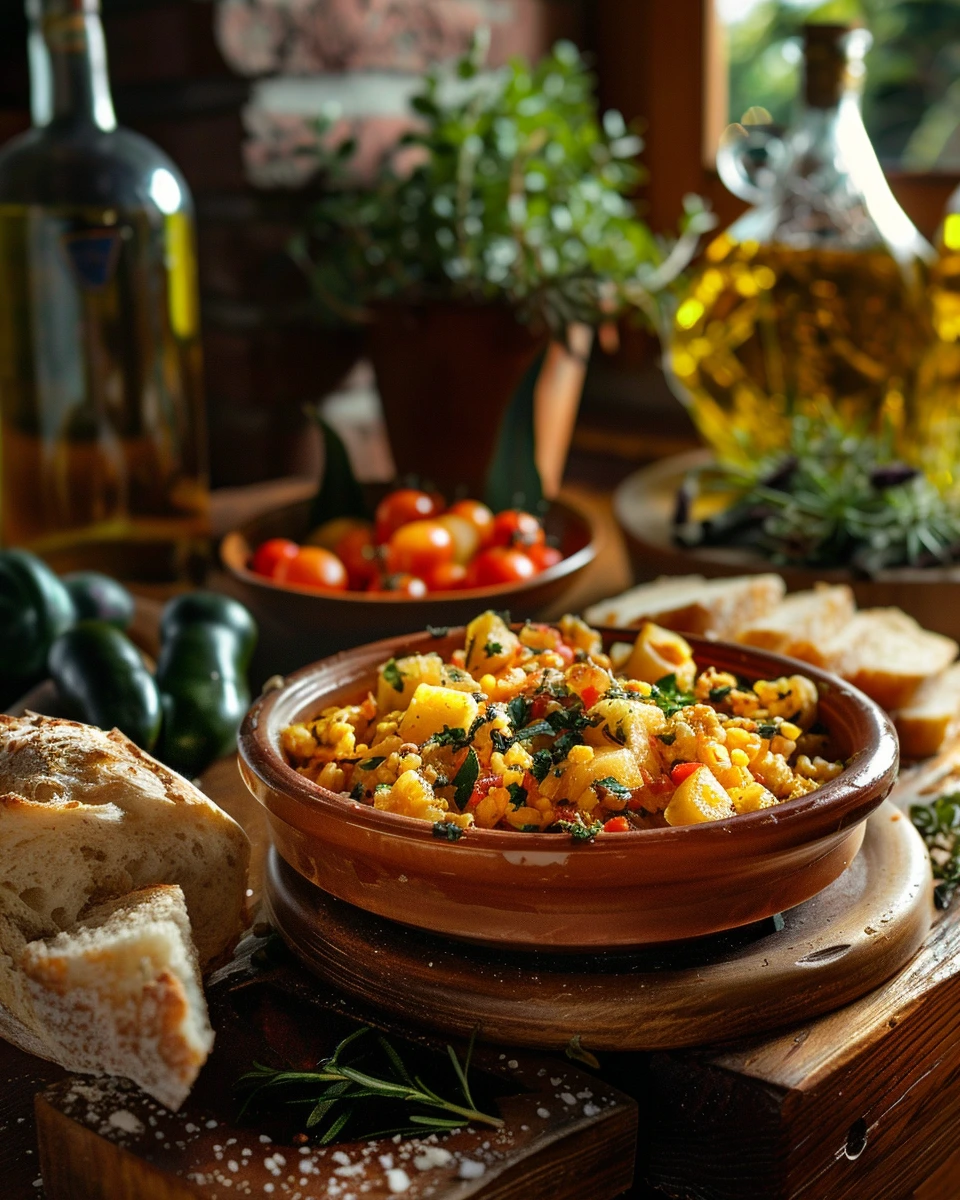
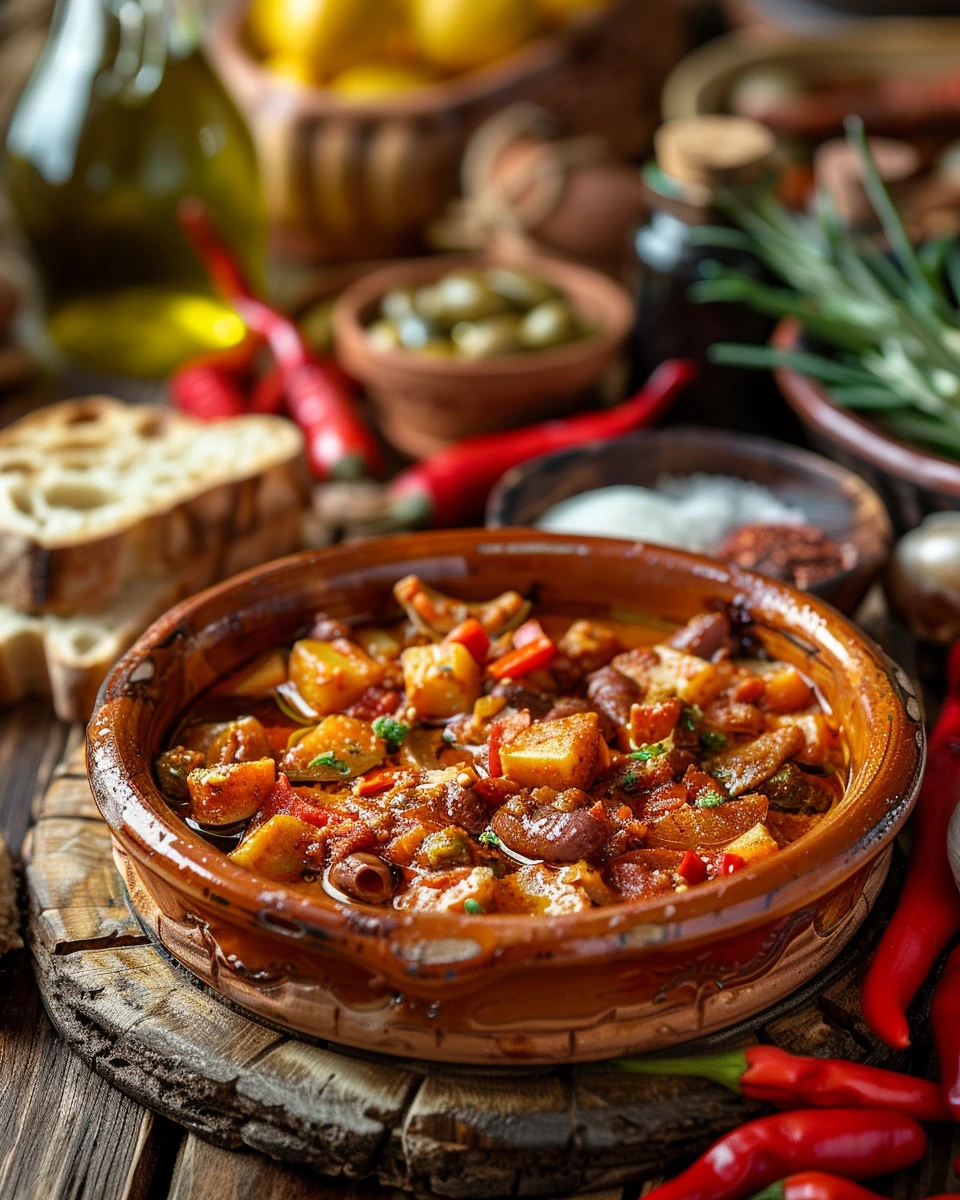
Marmitako originated aboard Basque fishing boats, where bonito tuna caught in the Bay of Biscay was cooked in a metal pot, or marmita, with durable provisions such as potatoes, onions and peppers. It became a defining seasonal dish when fresh bonito is available. It is famous for a broth thickened naturally by potatoes and flavoured with pepper-rich sofrito. The tuna is added near the end so it remains juicy, creating a stew that is hearty without treating the fish like meat for a long braise. The dish remains central to Basque coastal food culture and is cooked at summer festivals and competitions. It connects fishing heritage with communal one-pot cooking and the short bonito season.
Historical background
Marmitako originated aboard Basque fishing boats, where bonito tuna caught in the Bay of Biscay was cooked in a metal pot, or marmita, with durable provisions such as potatoes, onions and peppers. It became a defining seasonal dish when fresh bonito is available.
Why it is famous
It is famous for a broth thickened naturally by potatoes and flavoured with pepper-rich sofrito. The tuna is added near the end so it remains juicy, creating a stew that is hearty without treating the fish like meat for a long braise.
Cultural significance
The dish remains central to Basque coastal food culture and is cooked at summer festivals and competitions. It connects fishing heritage with communal one-pot cooking and the short bonito season.