
South African dessert
Malva Pudding
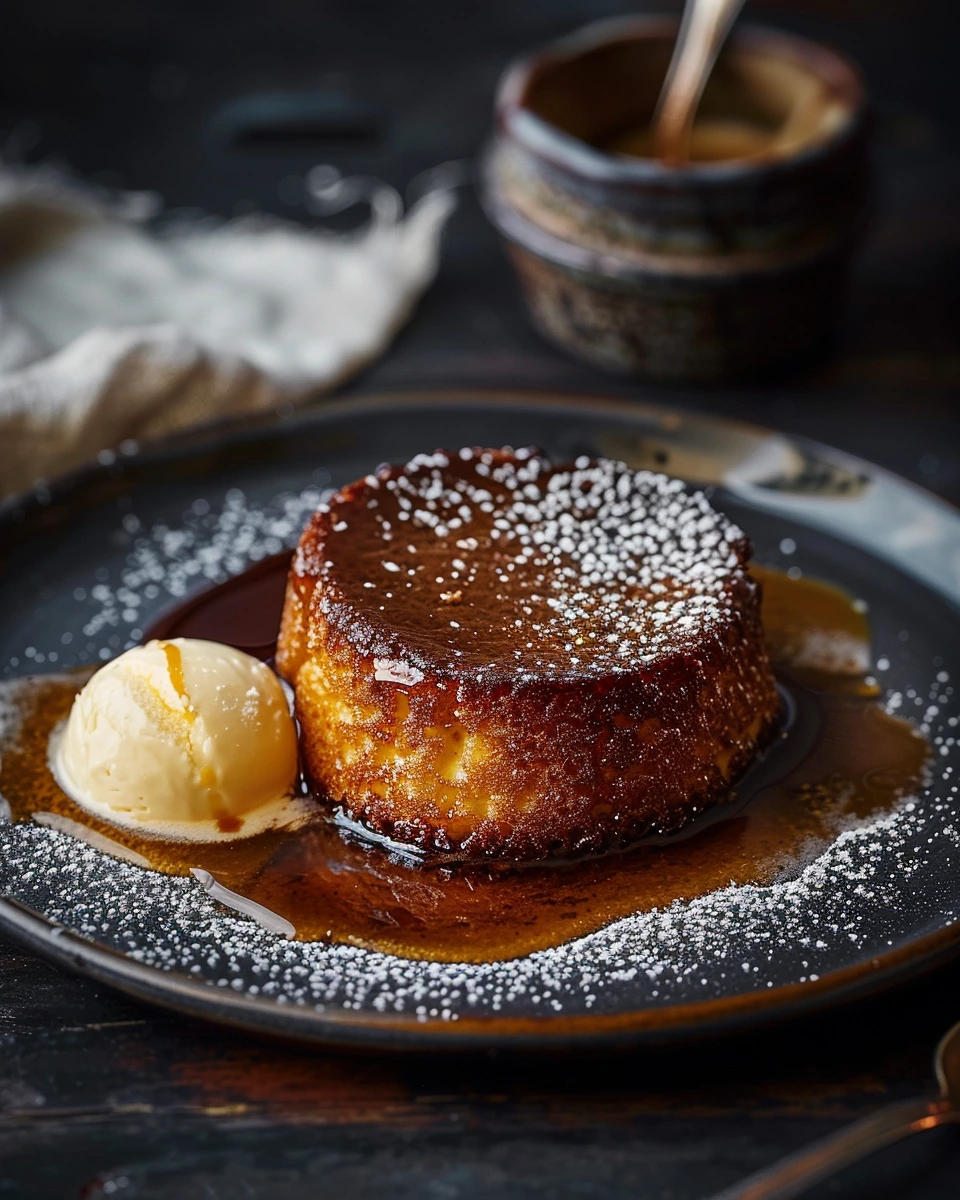
Malva Pudding is a South African dessert centred on warm apricot sponge pudding.
25 minsPrep time
6 hrCook time
Serves 4Servings
MediumDifficulty
Nutrition
Estimated nutrition per serving
These figures are estimates per serving. Actual nutrition can vary with the brands and exact amounts you use, how much oil, dressing or sauce is absorbed, any substitutions or added extras, and the portion size served.A practical guide for comparing recipes and planning meals.
430Calories
7gProtein
58gCarbs
19gFat
Ingredients
What you need
- 180 plain flour
- 160 caster sugar
- 2 piece eggs
- 80 butter, melted
- 45 apricot jam, or date paste where suitable
- 5 bicarbonate of soda
- 180 whole milk
- 180 double cream
- 120 brown sugar
- 45 brandy or Amarula, optional for adults
Method
Step-by-step method
Follow the recipe in order, tasting and adjusting seasoning where needed.
- Prepare the tin: Heat the oven to 180°C / 356°F and butter the tin or tart dish. Cut baking paper to fit if the pudding is sticky.
- Mix the base: Cream or whisk the sugar, eggs and butter, then fold in flour, milk and the dish-specific flavour such as apricot jam, dates, caramel or Amarula.
- Bake gently: Bake until risen, set and browned: 25 to 35 minutes for tarts, 35 to 45 minutes for puddings.
- Finish properly: For syrup puddings, simmer the sauce for 3 minutes and pour it over the hot sponge in stages. For chilled desserts, layer and refrigerate until firm.
- Serve South African-style: Serve warm puddings with custard or cream, or chilled fridge tarts in clean slices.
Cook smarter
Tips, storage and serving advice
Shopping tips
Ingredient quality
Common mistakes
Chef’s tips
How to know it is cooked
Plating advice
Make ahead
Storage and reheating
Wine pairing
What to drink with Malva Pudding
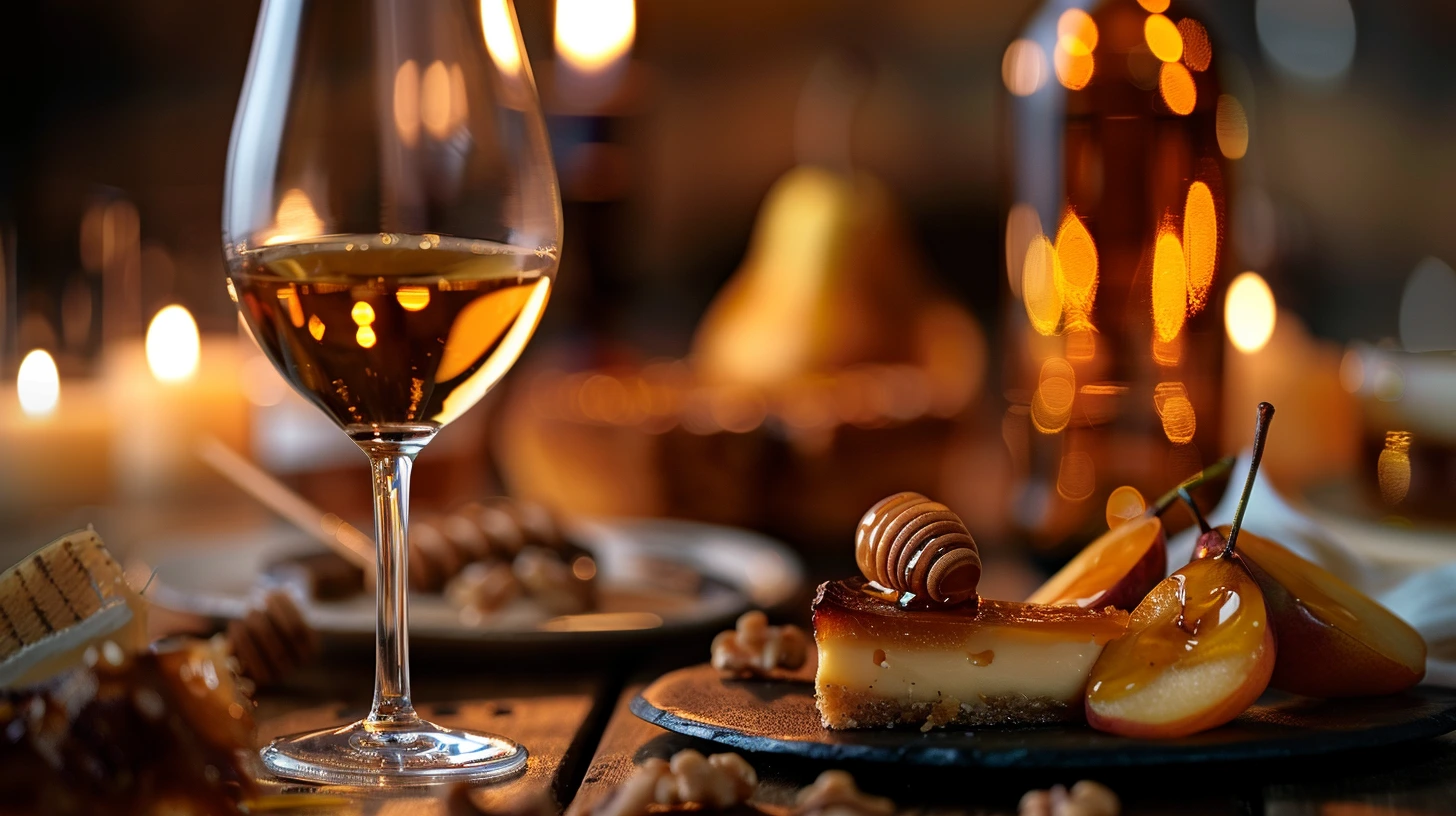
These are wine-style pairings, so you can choose any bottle in that style rather than needing one exact producer. Look for the grape, region or style name on the label.Pairings are chosen around the dish’s flavour, texture, richness, acidity and cooking style, not just the country it comes from.

#1
Excellent match
Dessert
Sweet Muscat
Why it works:
- Flavour bridge: ripe fruit and floral notes mirror the dessert's fruit character
- Acidity: Bright acidity refreshes after sugar and pastry
- Body: Light-to-medium richness keeps the fruit in focus
- Tannin: Low tannin is ideal with sweet fruit
- Sweetness: Sweetness is calibrated to avoid the wine tasting sour beside dessert
- Best for: Dinner, entertaining or recipe pairing
#2
Great match
Dessert
Sauternes / Botrytised Sweet Wine
Why it works:
- Flavour bridge: ripe fruit and floral notes mirror the dessert's fruit character
- Acidity: Bright acidity refreshes after sugar and pastry
- Body: Light-to-medium richness keeps the fruit in focus
- Tannin: Low tannin is ideal with sweet fruit
- Sweetness: Sweetness is calibrated to avoid the wine tasting sour beside dessert
- Best for: Dinner, entertaining or recipe pairing
#3
Interesting match
White
Moscato
Why it works:
- Flavour bridge: ripe fruit and floral notes mirror the dessert's fruit character
- Acidity: Bright acidity refreshes after sugar and pastry
- Body: Light-to-medium richness keeps the fruit in focus
- Tannin: Low tannin is ideal with sweet fruit
- Sweetness: Sweetness is calibrated to avoid the wine tasting sour beside dessert
- Best for: Dinner, entertaining or recipe pairing
Cook next
View cuisine More South African recipes
Keep exploring the country’s food story through related starters, mains and desserts.

Koeksisters
Koeksisters is a South African dessert centred on plaited syrup-soaked pastries.
Peppermint Crisp Tart
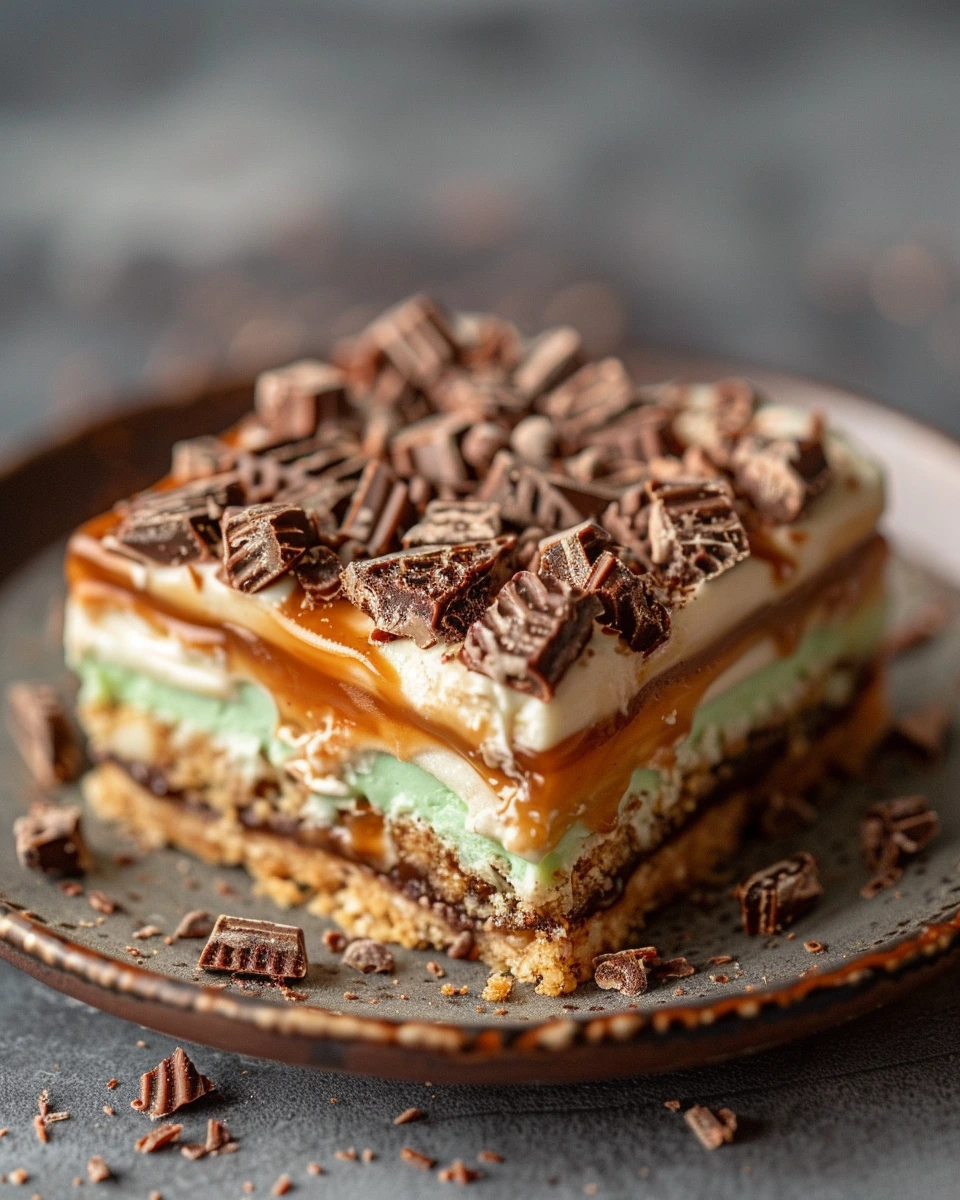
Peppermint Crisp Tart is a South African dessert centred on no-bake caramel mint tart.

Melktert
Melktert is a South African dessert centred on cinnamon milk custard tart.
Cape Brandy Pudding
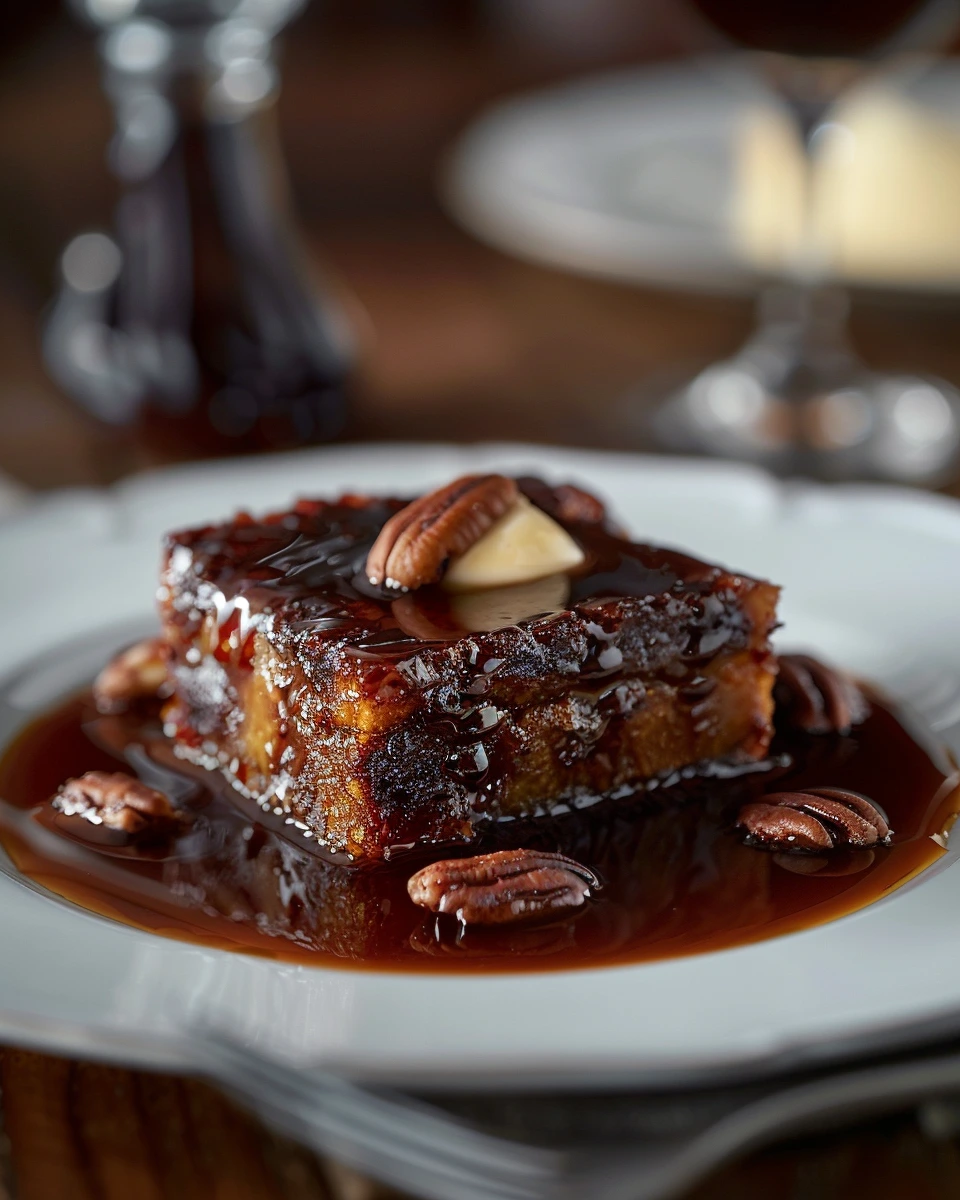
Cape Brandy Pudding is a South African dessert centred on warm brandy syrup pudding.