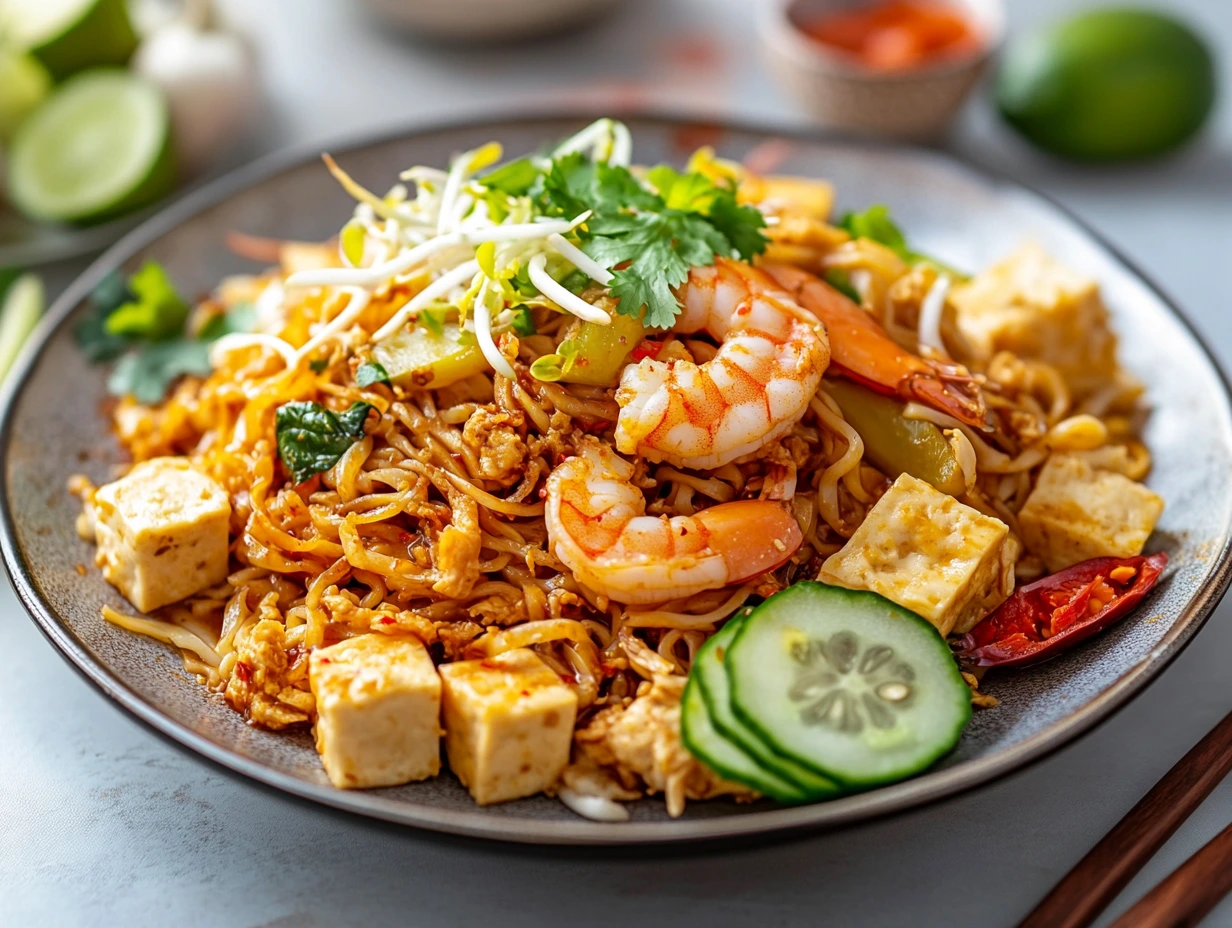
Mee Goreng Mamak: the story on the plate
The history of Mee Goreng Mamak belongs to Malaysia’s Indian-Muslim mamak stalls. Rather than being a generic national dish, it carries the methods and flavours of that particular food culture. The appeal rests on Indian-Muslim stir-fried yellow noodles with tofu, potato, egg, vegetables and sweet-spicy sauce. It becomes exceptional when the cook respects the sequence of the method and builds flavour without obscuring the ingredients. Within Malaysian cooking, the dish appears at hawker centres, kopitiams, family tables and festive open houses. It is valued not only for flavour but for the way it brings people together around a recognisable local meal.
Historical background
The history of Mee Goreng Mamak belongs to Malaysia’s Indian-Muslim mamak stalls. Rather than being a generic national dish, it carries the methods and flavours of that particular food culture.
Why it is famous
The appeal rests on Indian-Muslim stir-fried yellow noodles with tofu, potato, egg, vegetables and sweet-spicy sauce. It becomes exceptional when the cook respects the sequence of the method and builds flavour without obscuring the ingredients.
Cultural significance
Within Malaysian cooking, the dish appears at hawker centres, kopitiams, family tables and festive open houses. It is valued not only for flavour but for the way it brings people together around a recognisable local meal.