Leche Frita: the story on the plate
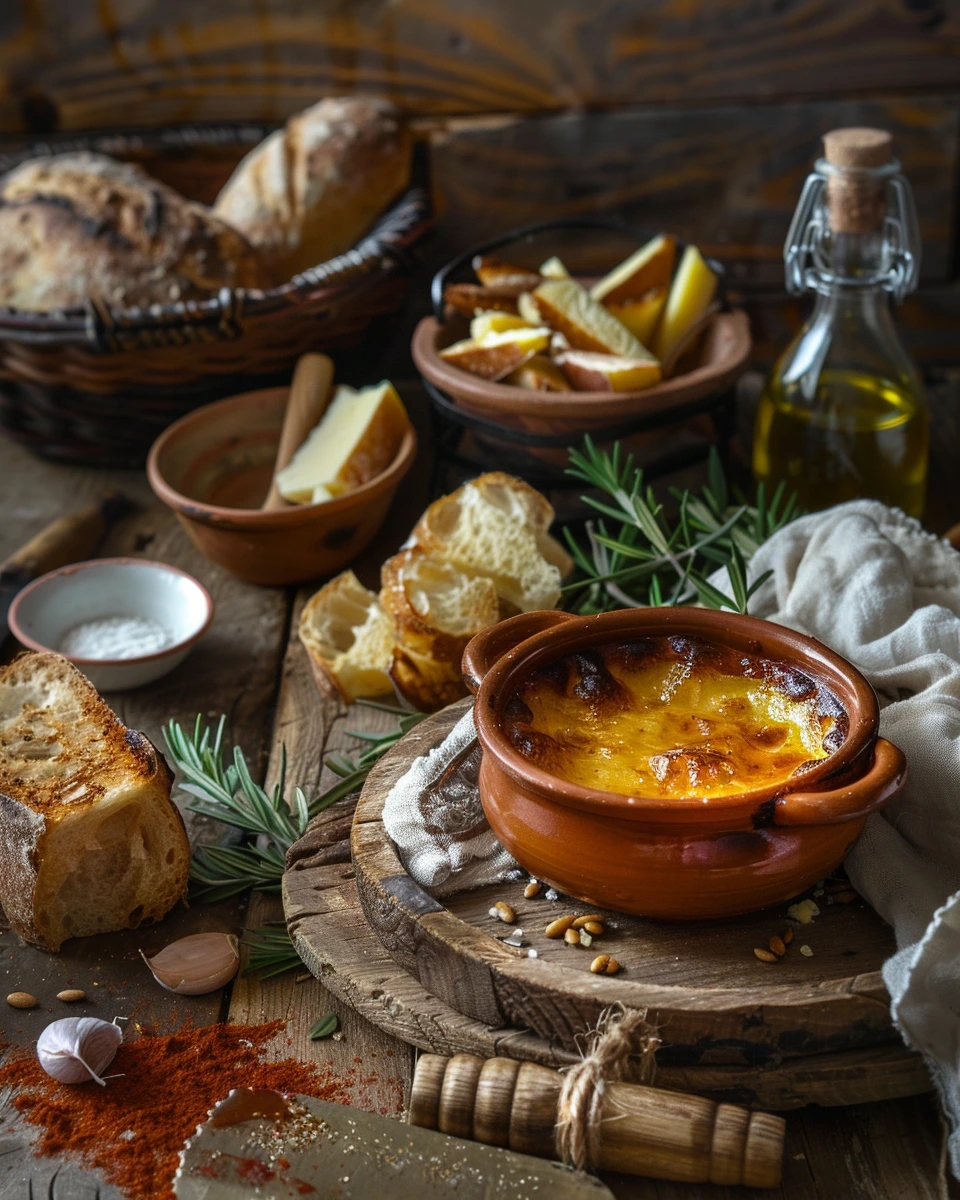
This recipe adds a distinctive regional story to the Spanish collection: northern Spanish sweets is represented through milk custard, flour and cinnamon, careful seasoning, correct cutting and a method that feels recognisably local rather than generic.
Historical background
Leche Frita belongs to the food story of northern Spanish sweets. It shows how local produce, climate, trade, religion, markets and family technique shaped everyday cooking.
Why it is famous
It is famous because it makes milk custard, flour and cinnamon feel unmistakably Spanish, using set milk custard squares fried and sugared rather than a generic international approach.
Cultural significance
In Spanish culture this dish works for shared tables, regional menus and the kind of food people remember from homes, bars, bakeries or family celebrations.