Indian Dessert

Kheer

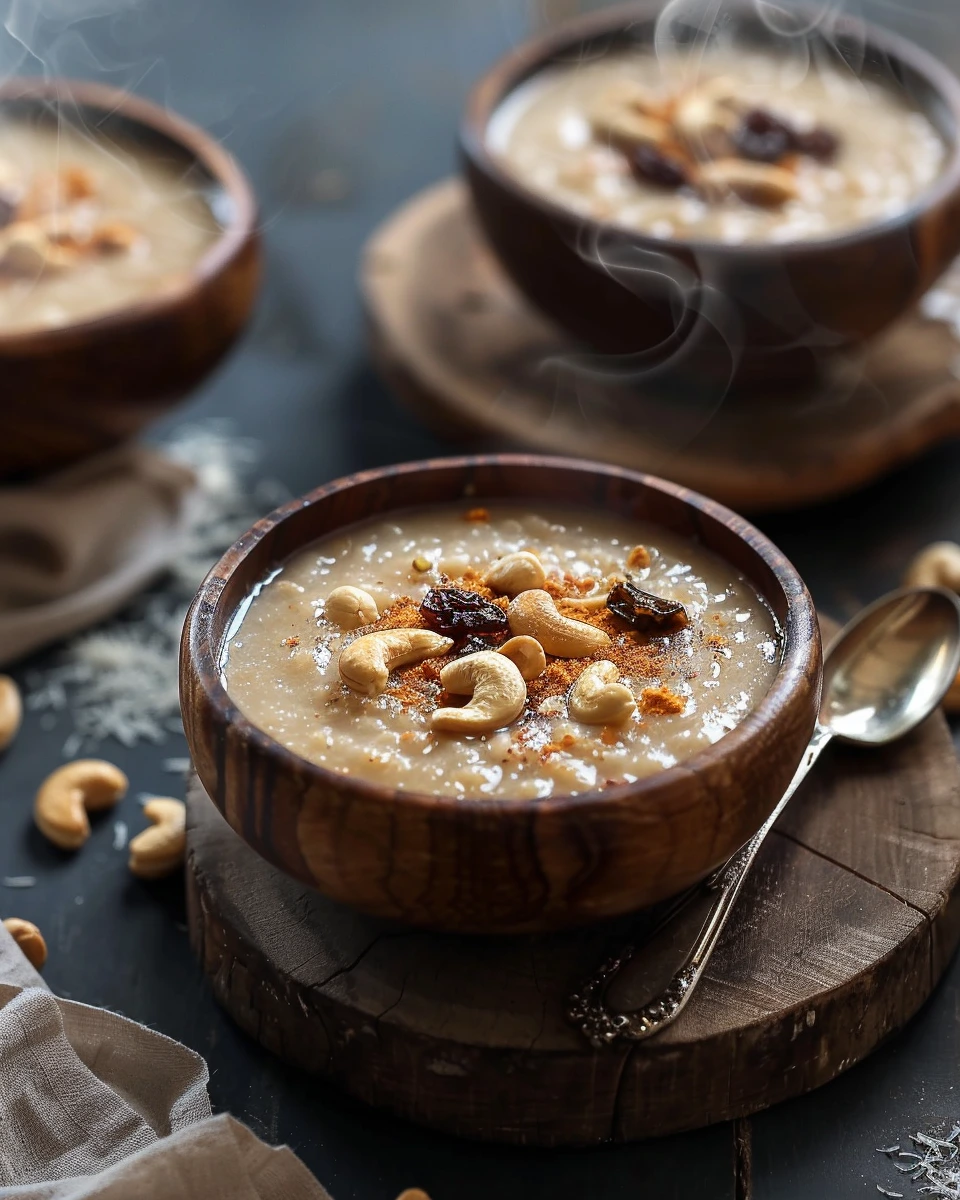
Slow-cooked Indian rice pudding with milk, cardamom, sugar, nuts and raisins.

10 minsPrep time
1 hrCook time
Serves 2Servings
EasyDifficulty
Kheer
About this dish

Kheer: the story on the plate

Kheer is simple but should not be rushed. Rice slowly releases starch into milk, creating a soft, creamy pudding scented with cardamom rather than a thick custard.

Historical background

Kheer is one of India’s oldest and most widespread desserts, appearing in temples, homes, festivals and everyday celebrations.

Why it is famous

It is famous because milk, rice and sugar become comforting, sacred and celebratory through slow cooking.

Cultural significance

It is served for birthdays, puja, festivals and family meals across many regions.

Nutrition

Estimated nutrition per serving

Useful for meal planning and calorie-aware recipe browsing.

260Calories
8gProtein
39gCarbs
8gFat

Estimated from recipe quantities and typical ingredients; review before publishing formal nutritional claims.

Ingredients

What you need

  • 0.5 itre whole milk
  • 40 basmati rice, rinsed
  • 40 sugar
  • cardamom pods, crushed, 4 cardamom pods, crushed
  • 1 almonds, sliced
  • 1 pistachios
  • 1 Raisins
  • 0.5 ghee, optional
  • Pinch saffron, optional
Method

Step-by-step method

Follow the recipe in order, tasting and adjusting seasoning where needed.

  1. Measure and prepare: Measure dairy, sugar, flour, lentils, rice or nuts carefully and prepare garnishes before heating.
  2. Cook the base slowly: Cook milk, carrot, lentils, rice or dough over medium-low heat, stirring often until thickened or smooth.
  3. Control syrup or ghee: For syrup sweets, bring syrup to the correct sticky stage; for ghee sweets, cook until aromatic and grainy or fudgy as required.
  4. Shape or soak: Shape while warm, or soak fried sweets in warm syrup until tender but not collapsing.
  5. Rest and garnish: Rest until the texture settles, then garnish with pistachio, almond, coconut, saffron or rose as appropriate.
Cook smarter

Tips, storage and serving advice

Shopping tips

Buy fresh spices in small quantities, use proper basmati rice where named, choose fresh curry leaves when possible, and buy meat, fish or paneer from a reliable source.

Ingredient quality

Toast whole spices where the recipe asks for it, use fresh ginger and garlic, and avoid tired pre-ground masalas for dishes where roasted spice is the signature.

Common mistakes

For Kheer, the main mistakes are losing control of the balance between itre whole milk, basmati rice, rinsed, sugar; rushing the "Measure and prepare" stage before the flavour or texture has properly developed; and pushing sweetness so far that the defining flavour of the dessert is lost. Use the recipe's visual cue as your guide: Ingredients are ready in separate bowls. With Kheer, taste and observe as you cook rather than relying on the clock alone; the goal is a result that still tastes recognisably Indian and preserves the texture that makes this recipe distinctive.

Chef’s tips

For the best Kheer, organise itre whole milk, basmati rice, rinsed, sugar before you start so the cooking itself can stay controlled. Give particular attention to the "Measure and prepare" stage: this is where the recipe begins to establish its final flavour and texture. A useful technique note from the method is: Use a heavy pan to prevent scorching. Trust the visual cue — Ingredients are ready in separate bowls. — more than an exact minute count. At the "Rest and garnish" stage, make the final seasoning adjustment and serve without unnecessary delay. That final check is what makes Kheer taste deliberate rather than simply cooked.

How to know it is cooked

Look for the texture named in the method: crisp pastry, tender meat, separate rice grains, soft dal, glossy reduced masala, just-cooked fish or syrup-soaked sweets.

Plating advice

Plate Kheer so the dish reads clearly at first glance. Choose a plate or bowl that frames the dessert without crowding it, and use itre whole milk, basmati rice, rinsed as the visual cue for any finishing elements. The presentation should protect the intended texture — creamy milk, soft rice, nut crunch — so avoid covering crisp elements with sauce too early or compressing delicate components. For the finish, draw selectively from the existing garnish guidance: Use coriander, fried onions, curry leaves, nuts, saffron, lemon, chutneys or ghee only where they belong to the dish. Use one or two elements with purpose rather than applying every option at once. For Kheer, the final plate should feel consistent with its Indian identity: confident, appetising and easy to eat, with no decoration that competes with the food itself.

Make ahead

Masalas, chutneys, batters, braises and many sweets can be prepared ahead. Fried snacks, crisp dosas, fish and fresh breads are best finished close to serving.

Storage and reheating

Store covered in the fridge for up to 2 days where suitable. Cool rice, meat, dairy and seafood quickly. Reheat curries and dals gently with a splash of water. Re-crisp fried snacks in an oven or air fryer. Avoid harsh reheating for fish and milk sweets.

Wine pairing

What to drink with Kheer

Pairings are chosen around the dish’s flavour, texture, richness, acidity and cooking style — not just the country it comes from.

Vin Santo wine pairing
#1 Excellent match Dessert

Vin Santo

Why it works: Vin Santo works with Kheer because it has sufficient sweetness and aromatic intensity to meet the dessert on equal terms without losing freshness.

Tuscan amber dessert wine with dried fruit, nuts and honeyed depth.

GrapeTrebbiano, Malvasia
RegionTuscany
Wine flavourdried apricot, almond, honey, caramel
Serve at10-12°C
  • Flavour bridge: honeyed, floral or dried-fruit notes complement baked and creamy flavours
  • Acidity: Acidity provides lift through sweetness and richness
  • Body: Body is proportionate to the dessert's weight
  • Tannin: Minimal tannin keeps the finish soft
  • Sweetness: The wine is at least as sweet as the dish
  • Best for: Dinner, entertaining or recipe pairing
Tawny Port wine pairing
#2 Great match Fortified

Tawny Port

Why it works: Tawny Port works with Kheer because it has sufficient sweetness and aromatic intensity to meet the dessert on equal terms without losing freshness.

Sweet fortified wine with caramel, dried fruit, nuts and orange peel. Excellent with sticky toffee, nut desserts, chocolate, caramel and mature cheese.

GrapeTouriga Nacional, Touriga Franca, Tinta Roriz
RegionDouro Valley
Wine flavourcaramel, walnut, fig, orange peel
Serve at12-16°C
  • Flavour bridge: honeyed, floral or dried-fruit notes complement baked and creamy flavours
  • Acidity: Acidity provides lift through sweetness and richness
  • Body: Body is proportionate to the dessert's weight
  • Tannin: Minimal tannin keeps the finish soft
  • Sweetness: The wine is at least as sweet as the dish
  • Best for: Dinner, entertaining or recipe pairing
Madeira wine pairing
#3 Interesting match Fortified

Madeira

Why it works: For a more adventurous pairing, madeira works with Kheer because it has sufficient sweetness and aromatic intensity to meet the dessert on equal terms without losing freshness.

Long-lived fortified wine with caramel, walnut, citrus peel and roasted notes. Excellent with treacle, toffee, nut cakes and rich savoury sauces.

GrapeSercial, Verdelho, Bual, Malvasia
RegionMadeira
Wine flavourcaramel, walnut, citrus peel, roasted sugar
Serve at12-14°C
  • Flavour bridge: honeyed, floral or dried-fruit notes complement baked and creamy flavours
  • Acidity: Acidity provides lift through sweetness and richness
  • Body: Body is proportionate to the dessert's weight
  • Tannin: Minimal tannin keeps the finish soft
  • Sweetness: The wine is at least as sweet as the dish
  • Best for: Dinner, entertaining or recipe pairing

These are wine-style pairings, so you can choose any bottle in that style rather than needing one exact producer. Look for the grape, region or style name on the label.

Bottle suggestions

Specific wines to try

These are individual wines already linked to this recipe.