Kachumbari: the story on the plate
The history of Kachumbari belongs to East African everyday cooking, with close relatives served across Kenya and neighbouring countries. Rather than being a generic national dish, it carries the methods and flavours of that particular food culture. The appeal rests on tomato, red onion, chilli and coriander dressed simply with lime or lemon. It becomes exceptional when the cook respects the sequence of the method and builds flavour without obscuring the ingredients. Within Kenyan cooking, the dish appears at family meals, roadside eating and generous social gatherings. It is valued not only for flavour but for the way it brings people together around a recognisable local meal.
Historical background
The history of Kachumbari belongs to East African everyday cooking, with close relatives served across Kenya and neighbouring countries. Rather than being a generic national dish, it carries the methods and flavours of that particular food culture.
Why it is famous
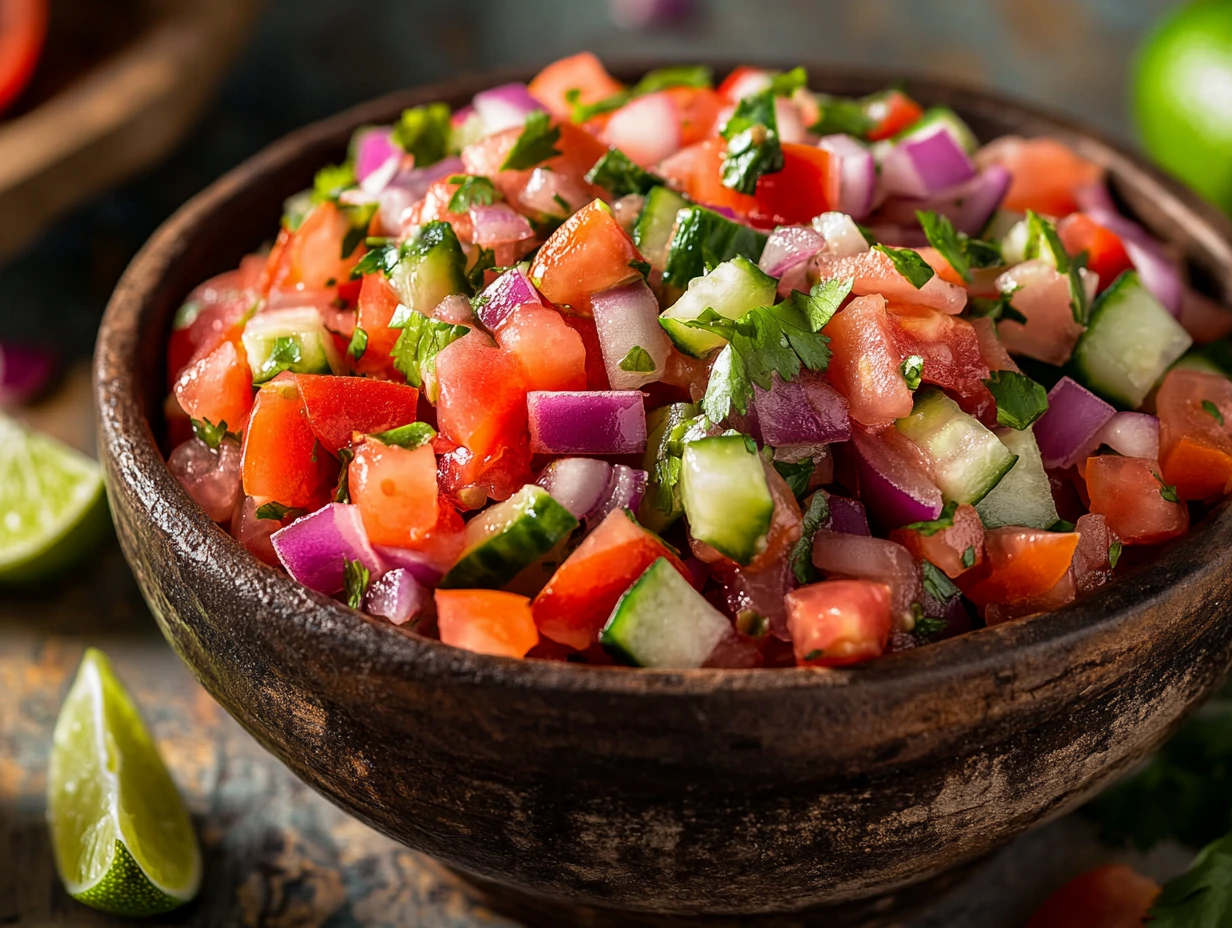
The appeal rests on tomato, red onion, chilli and coriander dressed simply with lime or lemon. It becomes exceptional when the cook respects the sequence of the method and builds flavour without obscuring the ingredients.
Cultural significance
Within Kenyan cooking, the dish appears at family meals, roadside eating and generous social gatherings. It is valued not only for flavour but for the way it brings people together around a recognisable local meal.