Fabada Asturiana: the story on the plate
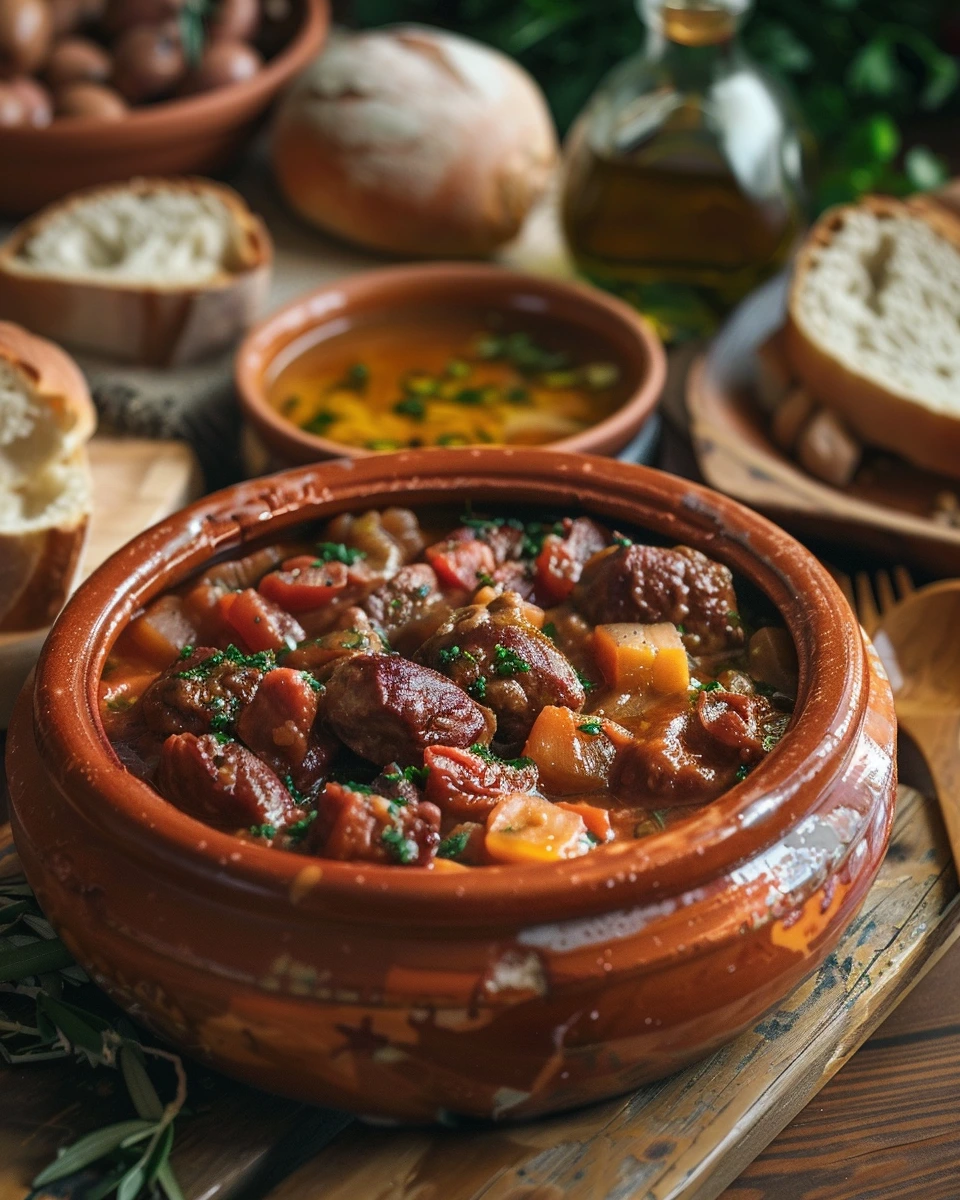
Fabada asturiana is the emblematic bean dish of Asturias in northern Spain. It developed around local fabes de la Granja and preserved pork products suited to the region's cool, wet climate, becoming widely recognised during the nineteenth and twentieth centuries. It is famous for large, creamy white beans and a deeply savoury broth coloured by paprika-rich chorizo and enriched by morcilla and pork. The beans should remain whole while becoming tender enough to feel buttery. Fabada is a substantial lunch dish associated with winter, family gatherings and Asturian restaurants. It is often followed by a light dessert because the stew itself is deliberately generous and filling.
Historical background
Fabada asturiana is the emblematic bean dish of Asturias in northern Spain. It developed around local fabes de la Granja and preserved pork products suited to the region's cool, wet climate, becoming widely recognised during the nineteenth and twentieth centuries.
Why it is famous
It is famous for large, creamy white beans and a deeply savoury broth coloured by paprika-rich chorizo and enriched by morcilla and pork. The beans should remain whole while becoming tender enough to feel buttery.
Cultural significance
Fabada is a substantial lunch dish associated with winter, family gatherings and Asturian restaurants. It is often followed by a light dessert because the stew itself is deliberately generous and filling.