Cape Malay Samoosas: the story on the plate
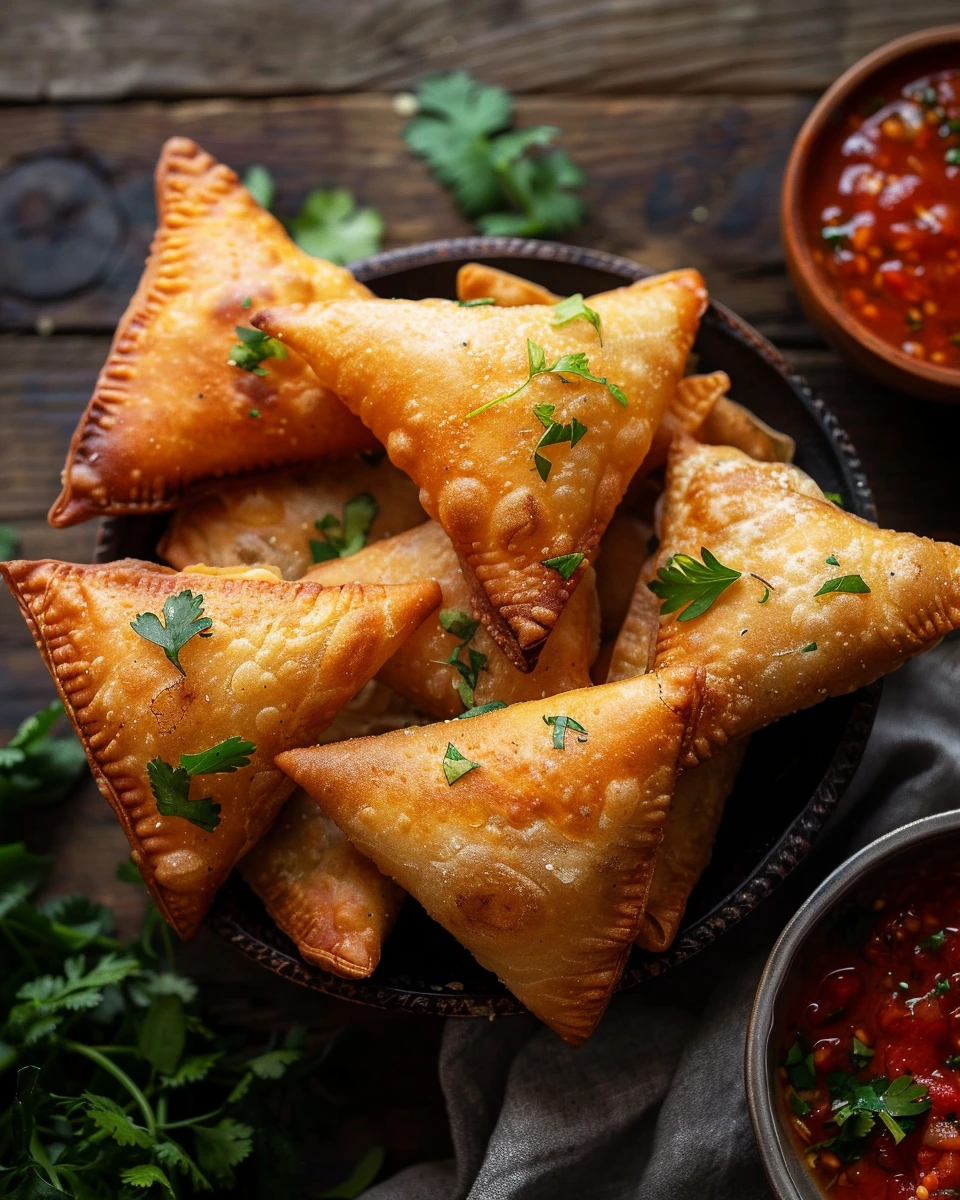
It reflects Cape Malay cooking, shaped in Cape Town by enslaved and exiled communities from South and Southeast Asia who combined aromatic spices with local ingredients. The dish is recognised for crisp triangular spiced pastries. Its success depends on preserving the intended contrast of texture, seasoning and temperature, so the defining ingredient remains clear rather than being buried by garnish or sauce. It remains part of Cape Muslim family, Ramadan and celebration food, while also being recognised nationally.
Historical background
It reflects Cape Malay cooking, shaped in Cape Town by enslaved and exiled communities from South and Southeast Asia who combined aromatic spices with local ingredients.
Why it is famous
The dish is recognised for crisp triangular spiced pastries. Its success depends on preserving the intended contrast of texture, seasoning and temperature, so the defining ingredient remains clear rather than being buried by garnish or sauce.
Cultural significance
It remains part of Cape Muslim family, Ramadan and celebration food, while also being recognised nationally.