
Australian Main
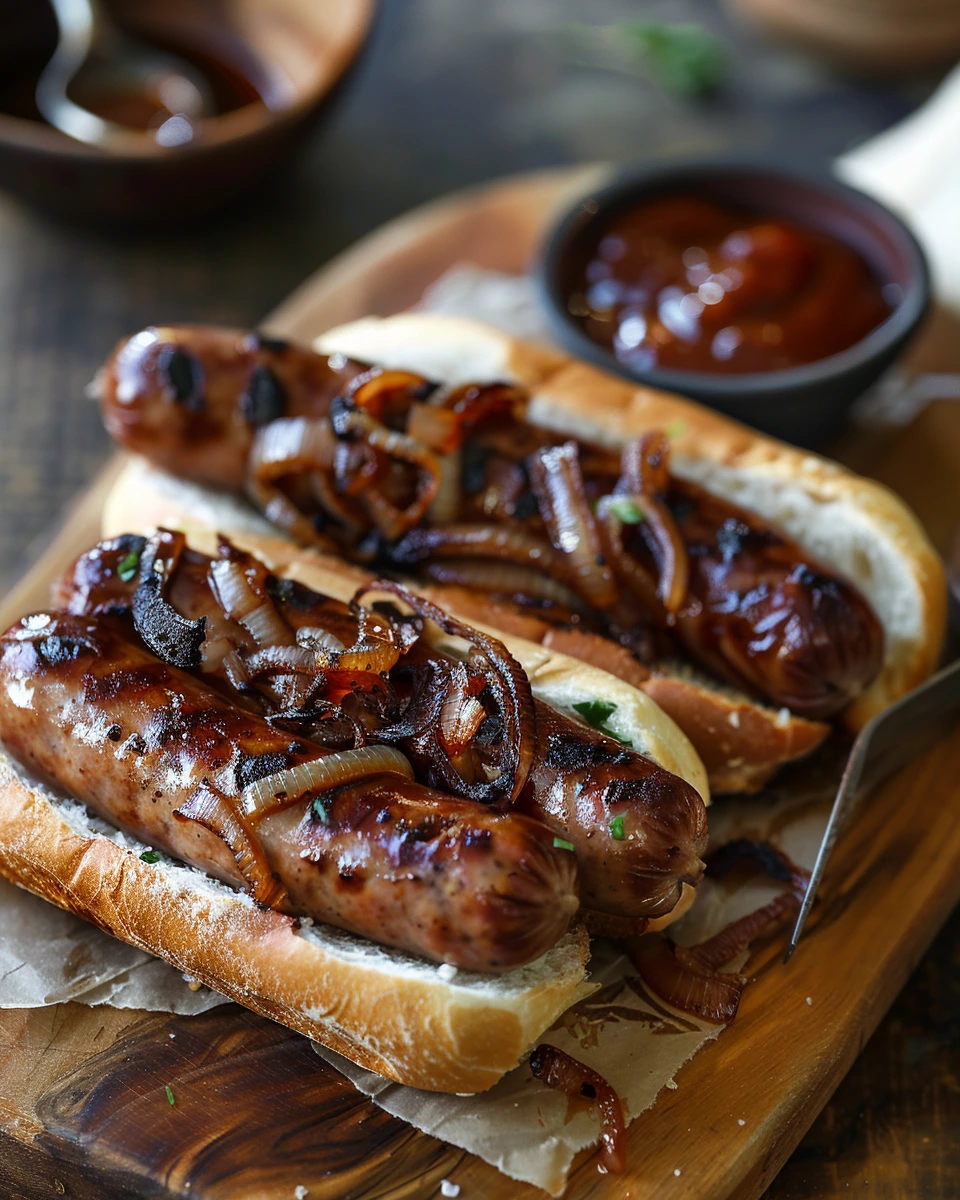
Barbecue Snags with Onions
Juicy sausages from the barbecue tucked into bread with sweet browned onions and tomato sauce.
10 minsPrep time
20 minsCook time
Serves 2Servings
EasyDifficulty
Nutrition
Estimated nutrition per serving
These figures are estimates per serving. Actual nutrition can vary with the brands and exact amounts you use, how much oil, dressing or sauce is absorbed, any substitutions or added extras, and the portion size served.A practical guide for comparing recipes and planning meals.
520Calories
22gProtein
45gCarbs
22gFat
Ingredients
What you need
- 4 beef sausages
- 2 onions, sliced
- 4 white bread slices
- 2 Tomato sauce
- 1 mustard, optional
- 1 neutral oil
Method
Step-by-step method
Follow the recipe in order, tasting and adjusting seasoning where needed.
- 1. Slice onions and cook until soft and browned. Measure everything before you start so the recipe scales cleanly from the dynamic ingredient quantities. Cut vegetables evenly so they soften at the same rate and the final texture is balanced.
- 2. Barbecue sausages until cooked through. Use a hot grill or barbecue, roughly 220°C / 430°F at the grate, so the outside browns quickly without drying out.
- 3. Keep the bread soft and fresh. Work steadily and check texture rather than relying only on the clock.
- 4. Place a sausage diagonally on bread. Work steadily and check texture rather than relying only on the clock.
- 5. Top with onions. Work steadily and check texture rather than relying only on the clock.
- 6. Add tomato sauce or mustard. Taste at the end for salt, acidity and richness; traditional versions should feel generous but balanced.
Cook smarter
Tips, storage and serving advice
Shopping tips
Ingredient quality
Common mistakes
Chef’s tips
How to know it is cooked
Plating advice
Make ahead
Storage and reheating
Wine pairing
What to drink with Barbecue Snags with Onions
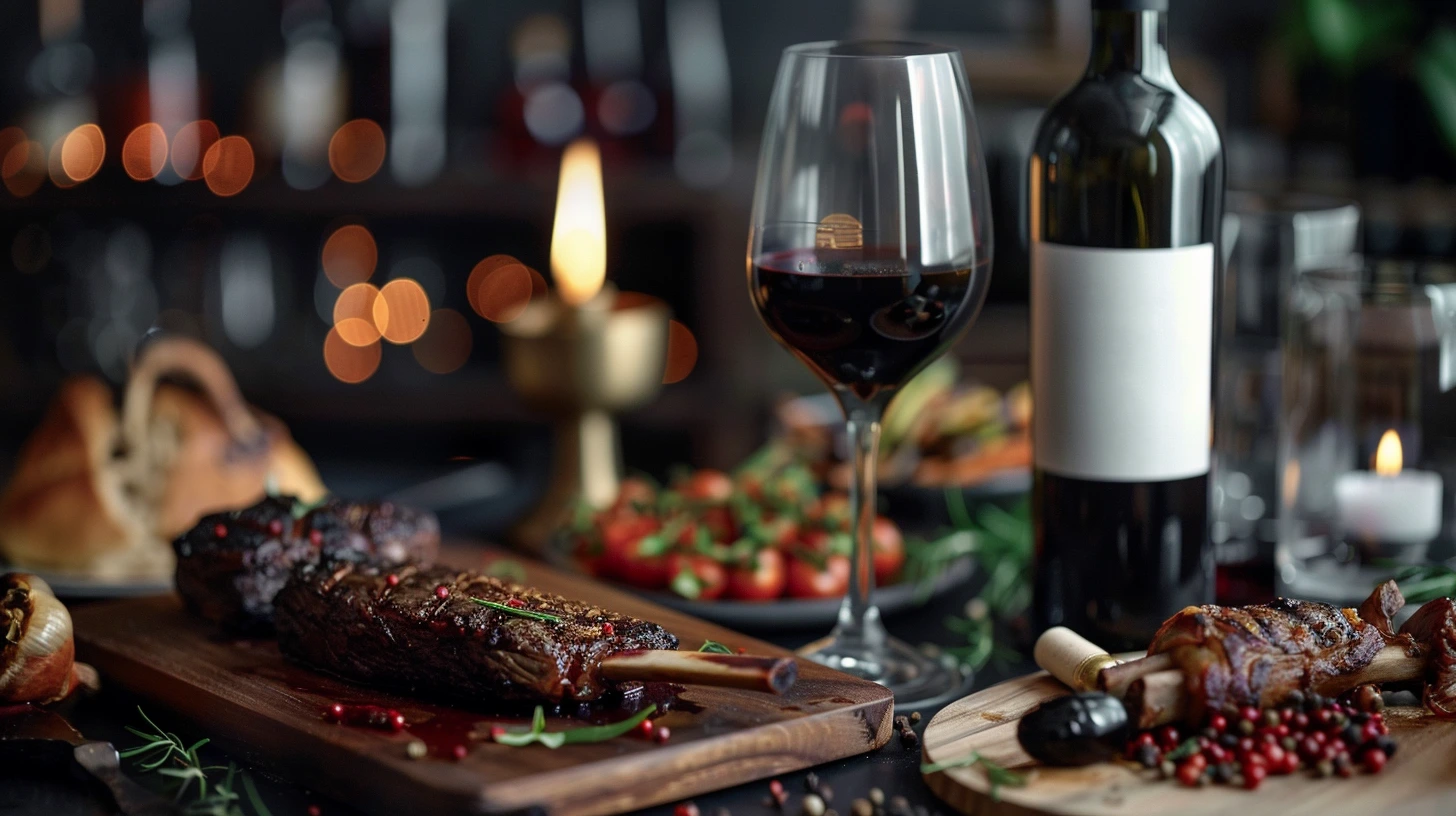
These are wine-style pairings, so you can choose any bottle in that style rather than needing one exact producer. Look for the grape, region or style name on the label.Pairings are chosen around the dish’s flavour, texture, richness, acidity and cooking style, not just the country it comes from.
#1
Excellent match
Red
Shiraz
Why it works:
- Flavour bridge: dark fruit, spice and savoury notes mirror browned meat and roasting flavours
- Acidity: Sufficient acidity keeps a rich meat dish energetic
- Body: Medium-full to full body matches the weight of the meat
- Tannin: Firm tannin is buffered by protein and fat
- Sweetness: Dry style maintains a savoury finish
- Best for: Dinner, entertaining or recipe pairing

#2
Great match
Red
Cabernet Sauvignon / Bordeaux
Why it works:
- Flavour bridge: dark fruit, spice and savoury notes mirror browned meat and roasting flavours
- Acidity: Sufficient acidity keeps a rich meat dish energetic
- Body: Medium-full to full body matches the weight of the meat
- Tannin: Firm tannin is buffered by protein and fat
- Sweetness: Dry style maintains a savoury finish
- Best for: Dinner, entertaining or recipe pairing

#3
Interesting match
Red
Malbec
Why it works:
- Flavour bridge: dark fruit, spice and savoury notes mirror browned meat and roasting flavours
- Acidity: Sufficient acidity keeps a rich meat dish energetic
- Body: Medium-full to full body matches the weight of the meat
- Tannin: Firm tannin is buffered by protein and fat
- Sweetness: Dry style maintains a savoury finish
- Best for: Dinner, entertaining or recipe pairing
Bottle suggestions
Specific wines to try
These are named bottles or regional wine examples already linked to this recipe. Each card opens the relevant wine-style guide because individual bottle pages are not currently published.Australian Chardonnay
Suggested pairing for Barbecue Snags with Onions: Australian Chardonnay works with the dish structure and dominant flavours.
Explore this wine styleAustralian Dry Riesling
Australian Dry Riesling is credible here because it represents the matched Dry Riesling style. Dry Riesling combines piercin…
Explore this wine styleAustralian Shiraz
Australian Shiraz is credible here because it represents the matched Syrah / Shiraz style. Syrah offers pepper, dark fruit a…
Explore this wine styleChianti Classico – Rocca delle Macìe
Chianti Classico – Rocca delle Macìe is credible here because it represents the matched Chianti / Sangiovese style. Sangiove…
Explore this wine styleChinese Food Off-Dry Riesling
Chinese Food Off-Dry Riesling is credible here because it represents the matched Dry Riesling style. Dry Riesling combines p…
Explore this wine styleMexican Food Riesling
Mexican Food Riesling is credible here because it represents the matched Dry Riesling style. Dry Riesling combines piercing…
Explore this wine styleCook next
View cuisine More Australian recipes
Keep exploring the country’s food story through related starters, mains and desserts.

Moreton Bay Bugs with Garlic Butter
Split Moreton Bay bugs grilled until just opaque and basted with garlic-herb butter.

Barramundi with Lemon Myrtle Butter
Pan-seared barramundi with crisp skin and a fragrant lemon-myrtle butter.
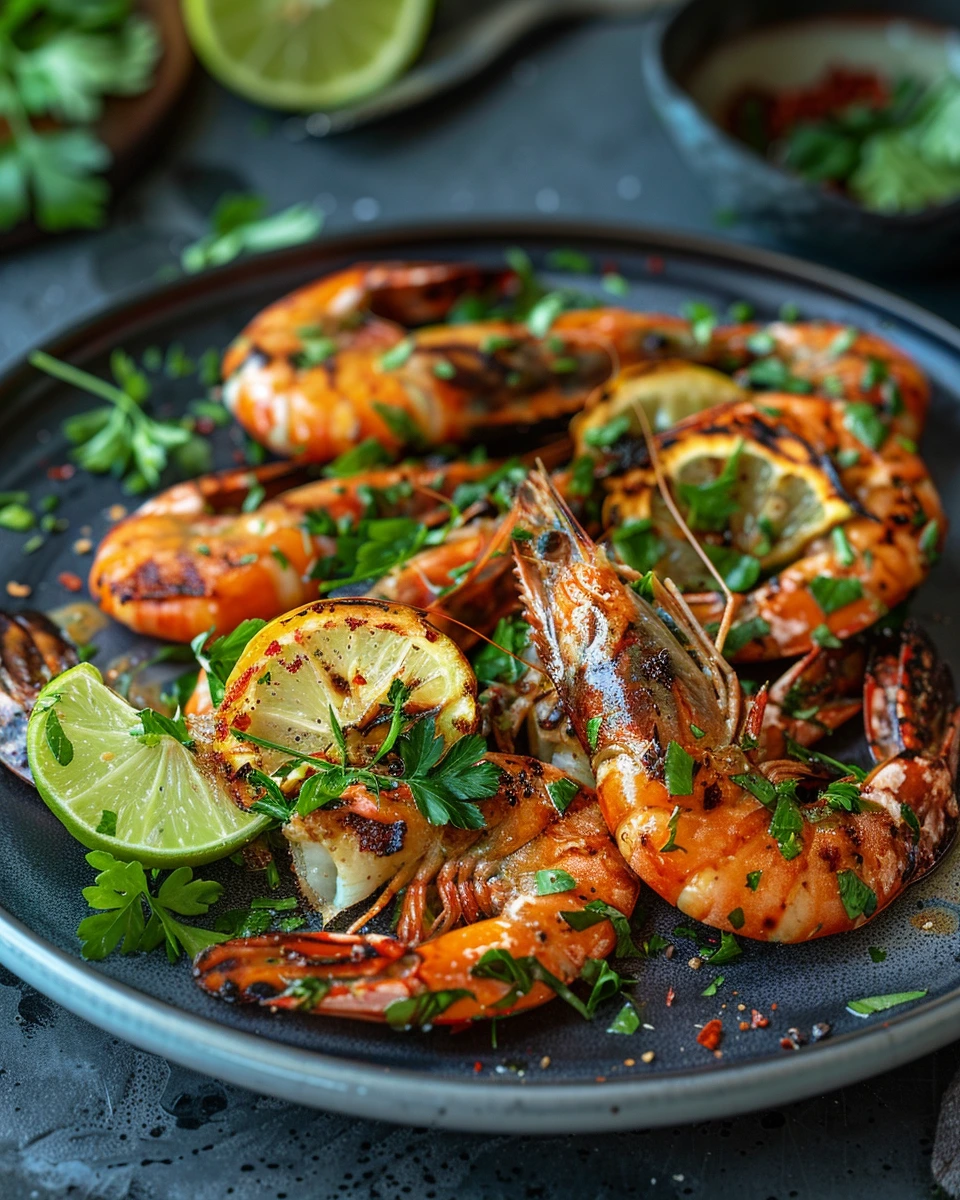
Grilled Prawns with Bush Lime
Large prawns grilled in their shells and finished with native citrus, herbs and butter.

Steak Sandwich
Grilled steak in toasted bread with onions, salad, beetroot and sauce.