Arroz con Leche: the story on the plate
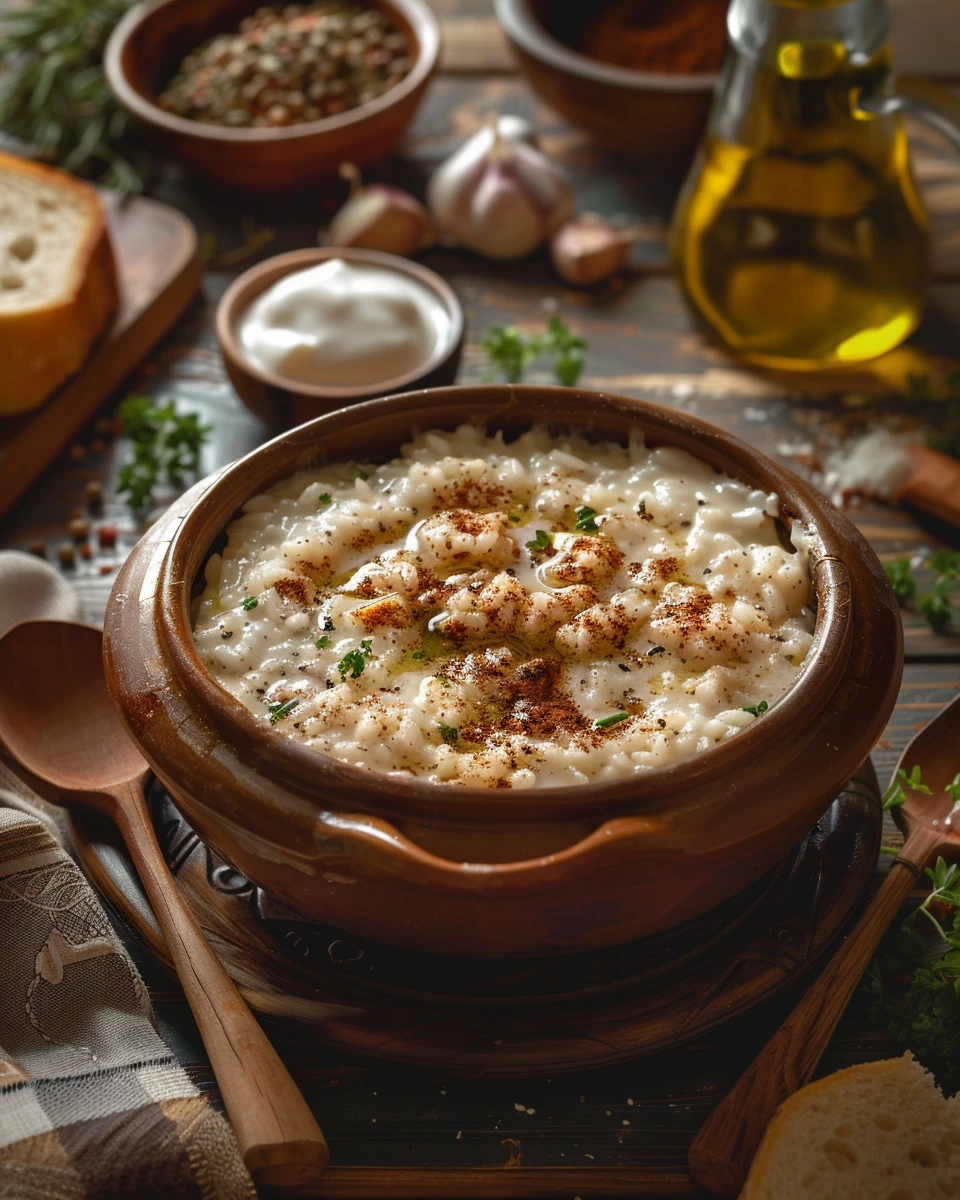
Arroz con leche is made throughout Spain, with especially strong associations in Asturias. Rice entered Iberian agriculture through Islamic influence, while milk, sugar and spice shaped later domestic and convent desserts. The pudding is known for rice suspended in a creamy, fragrant sauce rather than a firm baked set. Slow stirring releases starch, and lemon peel and cinnamon provide a flavour profile recognisable across Spanish homes. It is served warm or chilled as an everyday family dessert and appears on traditional restaurant menus. In Asturias the surface may be brûléed with sugar, adding a local contrast between cool creaminess and crisp caramel.
Historical background
Arroz con leche is made throughout Spain, with especially strong associations in Asturias. Rice entered Iberian agriculture through Islamic influence, while milk, sugar and spice shaped later domestic and convent desserts.
Why it is famous
The pudding is known for rice suspended in a creamy, fragrant sauce rather than a firm baked set. Slow stirring releases starch, and lemon peel and cinnamon provide a flavour profile recognisable across Spanish homes.
Cultural significance
It is served warm or chilled as an everyday family dessert and appears on traditional restaurant menus. In Asturias the surface may be brûléed with sugar, adding a local contrast between cool creaminess and crisp caramel.