American Dessert

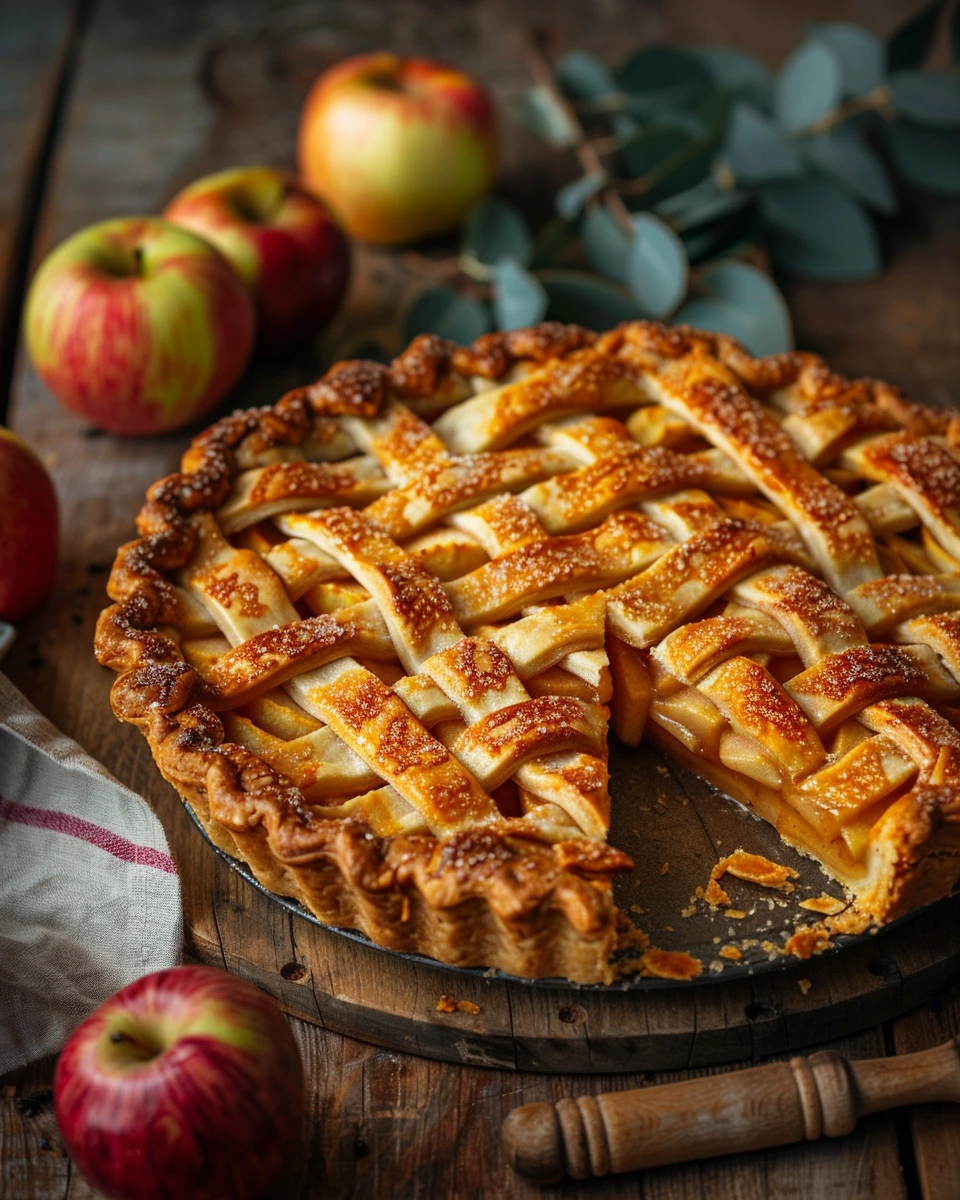
Apple Pie

Apple Pie upgraded with metric serves-2 ingredients, a clearer flavour profile and a stronger traditional food story.

35 minsPrep time
55 minsCook time
Serves 2Servings
MediumDifficulty
Apple Pie
About this dish

Apple Pie: the story on the plate

The American dessert symbol because it turns orchard fruit, pastry and spice into pure nostalgia.

Historical background

Apple Pie reflects American regional food: immigrant influence, farming traditions, coastal seafood, barbecue, diners, bakeries and home desserts.

Why it is famous

It is famous because American cooking is deeply regional, from New England seafood and Southern comfort food to Midwest pies, barbecue and city-specific classics.

Cultural significance

Apple Pie is useful on the site because it explains not just how to cook the dish, but why the ingredients and technique matter in American food culture.

Nutrition

Estimated nutrition per serving

Useful for meal planning and calorie-aware recipe browsing.

520Calories
8gProtein
68gCarbs
24gFat

Estimated from the upgraded serves-2 metric ingredient list; verify with a calculator before making health claims.

Ingredients

What you need

  • 160 plain flour
  • 45 cold water
  • 100 butter, cold, diced
  • 0.5 ground cinnamon
  • 0.5 piece egg, beaten, for glazing
  • 450 apples, peeled, cored and sliced 5 mm thick
  • 60 caster sugar
  • 0.5 lemon juice
Method

Step-by-step method

Follow the recipe in order, tasting and adjusting seasoning where needed.

  1. 1. Rub cold butter into flour until pea-sized pieces remain, add cold water and bring together. Chill for 30 minutes.
  2. 2. Peel, core and slice apples about 5 mm thick so they soften evenly but keep shape.
  3. 3. Roll pastry, fill with apples, sugar, cinnamon and lemon, then top and crimp. Cut vents in the lid.
  4. 4. Bake at 200 C / 400 F for 20 minutes, then 180 C / 350 F for 35-40 minutes until juices bubble.
Cook smarter

Tips, storage and serving advice

Shopping tips

Buy the ingredient that carries the dish first: fresh seafood, properly marbled meat, good maize products, fresh herbs, aromatic spices or ripe fruit depending on the recipe.

Ingredient quality

Choose whole spices, fresh citrus, clean seafood, good dairy and authentic staple ingredients where possible; stale spices and weak sauces make traditional recipes taste flat.

Common mistakes

For Apple Pie, the main mistakes are losing control of the balance between plain flour, butter, cold water, apples; rushing the "Make the pastry" stage before the flavour or texture has properly developed; and pushing sweetness so far that the defining flavour of the dessert is lost. Use the recipe's visual cue as your guide: You should still see small butter flecks. With Apple Pie, taste and observe as you cook rather than relying on the clock alone; the goal is a result that still tastes recognisably American and preserves the texture that makes this recipe distinctive.

Chef’s tips

For the best Apple Pie, organise plain flour, butter, cold water, apples before you start so the cooking itself can stay controlled. Give particular attention to the "Make the pastry" stage: this is where the recipe begins to establish its final flavour and texture. A useful technique note from the method is: Cold butter creates flaky layers. Trust the visual cue — You should still see small butter flecks. — more than an exact minute count. At the "Bake until bubbling" stage, make the final seasoning adjustment and serve without unnecessary delay. That final check is what makes Apple Pie taste deliberate rather than simply cooked.

How to know it is cooked

Proteins should be cooked through but not dry; sauces should taste balanced; pastries, fried foods or baked desserts should be properly set and golden where appropriate.

Plating advice

Plate Apple Pie so the dish reads clearly at first glance. Choose a plate or bowl that frames the dessert without crowding it, and use plain flour, butter, cold water as the visual cue for any finishing elements. The presentation should protect the intended texture — comforting and bold: crisp, creamy, saucy, tender or flaky depending on the dish — so avoid covering crisp elements with sauce too early or compressing delicate components. For the finish, draw selectively from the existing garnish guidance: Use citrus, fresh herbs, chilli, spring onion, toasted nuts, seeds, crema, cheese or pickles where traditional for the cuisine. Use one or two elements with purpose rather than applying every option at once. For Apple Pie, the final plate should feel consistent with its American identity: confident, appetising and easy to eat, with no decoration that competes with the food itself.

Make ahead

Sauces, fillings, marinades and braises can usually be made ahead; fried, grilled and crisp elements are best finished just before serving.

Storage and reheating

Store covered in the fridge. Eat seafood within 2 days and meat, vegetable dishes or desserts within 3 days unless recipe testing says otherwise. Reheat gently until piping hot. Use an oven or air fryer for crisp foods; use low heat for sauces, stews and braises.

Wine pairing

What to drink with Apple Pie

Pairings are chosen around the dish’s flavour, texture, richness, acidity and cooking style — not just the country it comes from.

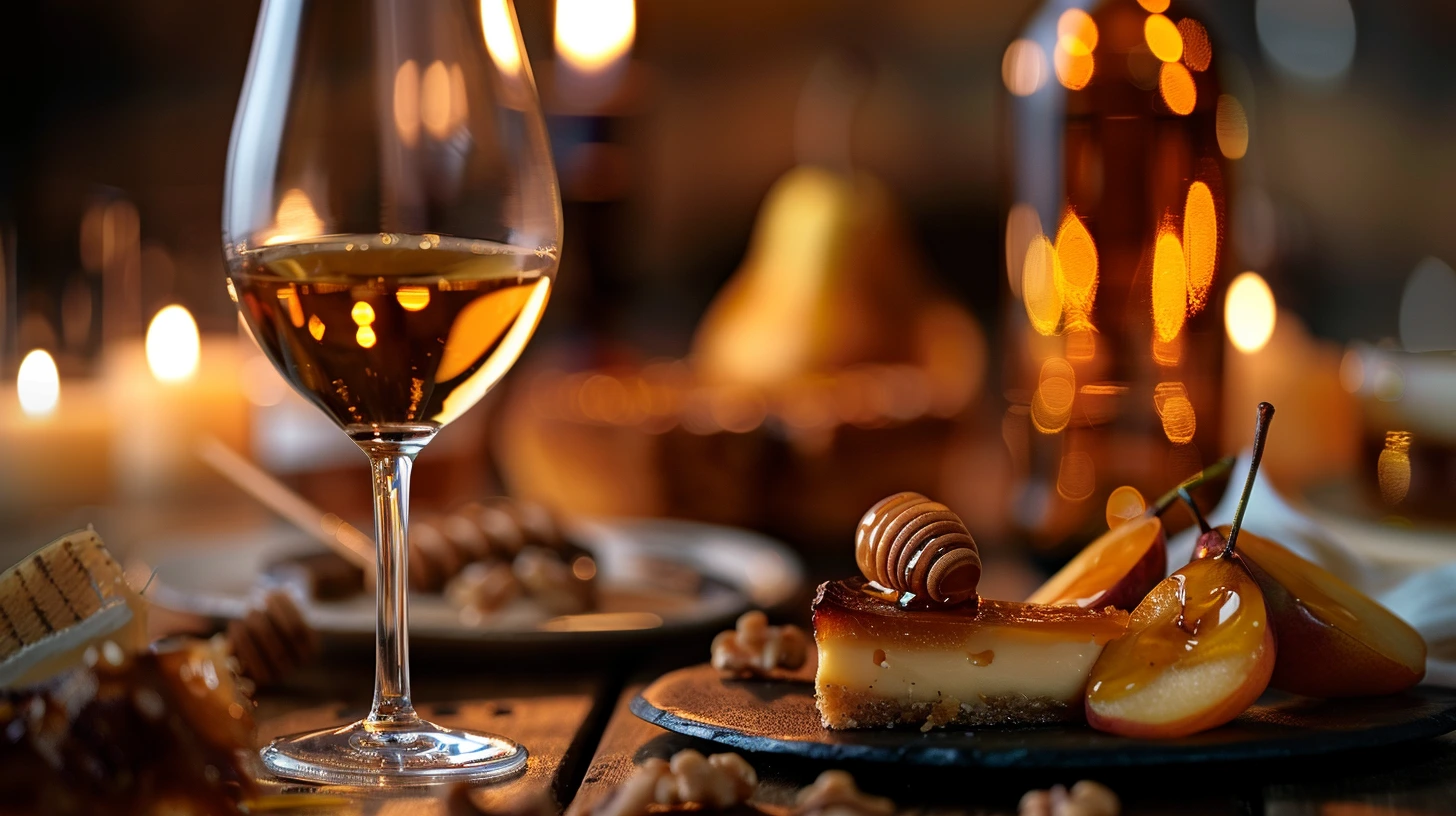
Moscato wine pairing
#1 Excellent match White

Moscato

Why it works: Moscato complements Apple Pie by matching its fruit sweetness while retaining enough acidity to keep the finish fresh and precise.

Lightly sweet, low-alcohol aromatic wine with peach and blossom notes for fruit desserts.

GrapeMoscato
RegionAustralia, New Zealand, France, Italy, Spain, Germany
Wine flavourLightly sweet, low-alcohol aromatic wine with peach and blossom notes for…
Serve at6-8°C
  • Flavour bridge: ripe fruit and floral notes mirror the dessert's fruit character
  • Acidity: Bright acidity refreshes after sugar and pastry
  • Body: Light-to-medium richness keeps the fruit in focus
  • Tannin: Low tannin is ideal with sweet fruit
  • Sweetness: Sweetness is calibrated to avoid the wine tasting sour beside dessert
  • Best for: Dinner, entertaining or recipe pairing
Sweet Muscat wine pairing
#2 Great match Dessert

Sweet Muscat

Why it works: Sweet Muscat complements Apple Pie by matching its fruit sweetness while retaining enough acidity to keep the finish fresh and precise.

Fragrant sweet wine with orange blossom, grape, peach and honey. Best with pastries, custards, fruit desserts and lighter cakes.

GrapeMuscat Blanc, Moscatel, Muscat of Alexandria
RegionRutherglen, Beaumes-de-Venise, Setúbal, Asti
Wine flavourorange blossom, grape, peach, honey
Serve at6-8°C
  • Flavour bridge: ripe fruit and floral notes mirror the dessert's fruit character
  • Acidity: Bright acidity refreshes after sugar and pastry
  • Body: Light-to-medium richness keeps the fruit in focus
  • Tannin: Low tannin is ideal with sweet fruit
  • Sweetness: Sweetness is calibrated to avoid the wine tasting sour beside dessert
  • Best for: Dinner, entertaining or recipe pairing
Sauternes / Botrytised Sweet Wine wine pairing
#3 Interesting match Dessert

Sauternes / Botrytised Sweet Wine

Why it works: For a more adventurous pairing, sauternes / Botrytised Sweet Wine complements Apple Pie by matching its fruit sweetness while retaining enough acidity to keep the finish fresh and precise.

Luscious sweet wine with apricot, honey, marmalade and balancing acidity. Good with custards, fruit tarts, blue cheese and foie gras.

GrapeSémillon, Sauvignon Blanc, Muscadelle
RegionSauternes, Barsac, Monbazillac, Tokaj-inspired regions
Wine flavourapricot, honey, marmalade, saffron
Serve at8-10°C
  • Flavour bridge: ripe fruit and floral notes mirror the dessert's fruit character
  • Acidity: Bright acidity refreshes after sugar and pastry
  • Body: Light-to-medium richness keeps the fruit in focus
  • Tannin: Low tannin is ideal with sweet fruit
  • Sweetness: Sweetness is calibrated to avoid the wine tasting sour beside dessert
  • Best for: Dinner, entertaining or recipe pairing

These are wine-style pairings, so you can choose any bottle in that style rather than needing one exact producer. Look for the grape, region or style name on the label.

Bottle suggestions

Specific wines to try

These are individual wines already linked to this recipe.