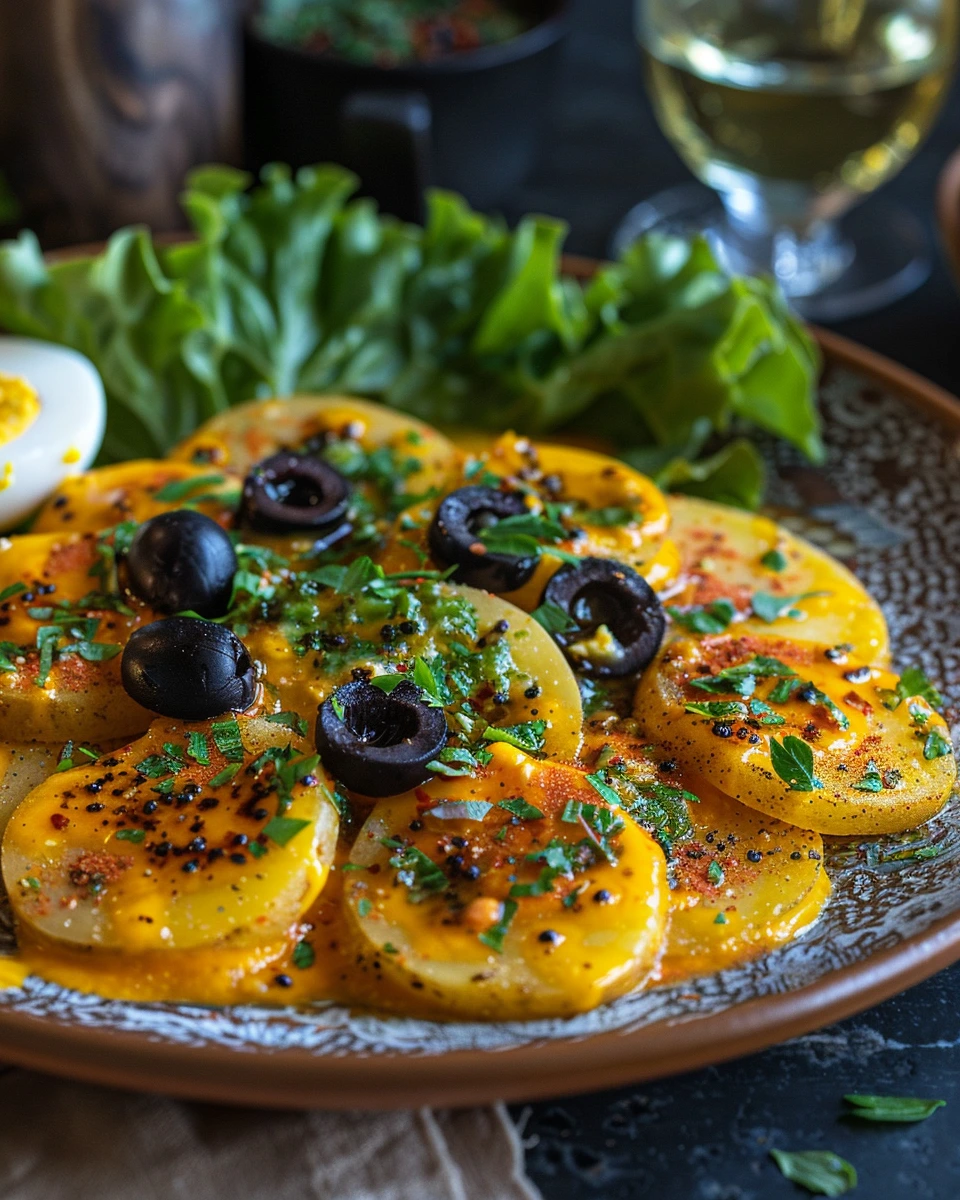
South American food is the result of repeated cultural collisions. Indigenous societies developed sophisticated food systems around potatoes, maize, cassava, chillies and other native crops. Spanish and Portuguese conquest introduced wheat, cattle, pigs and new cooking traditions, while enslaved Africans and later migrants from Europe and Asia added further layers.
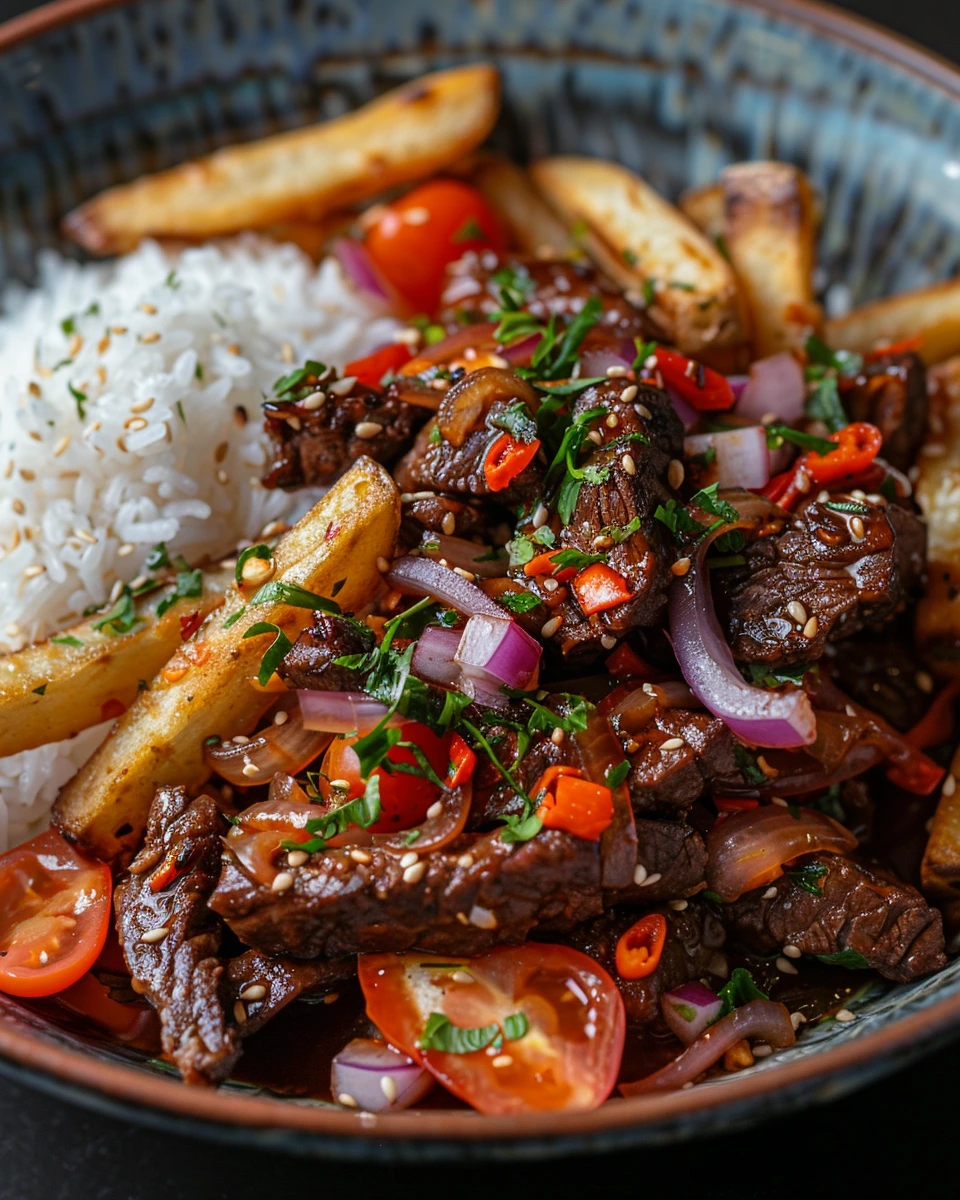
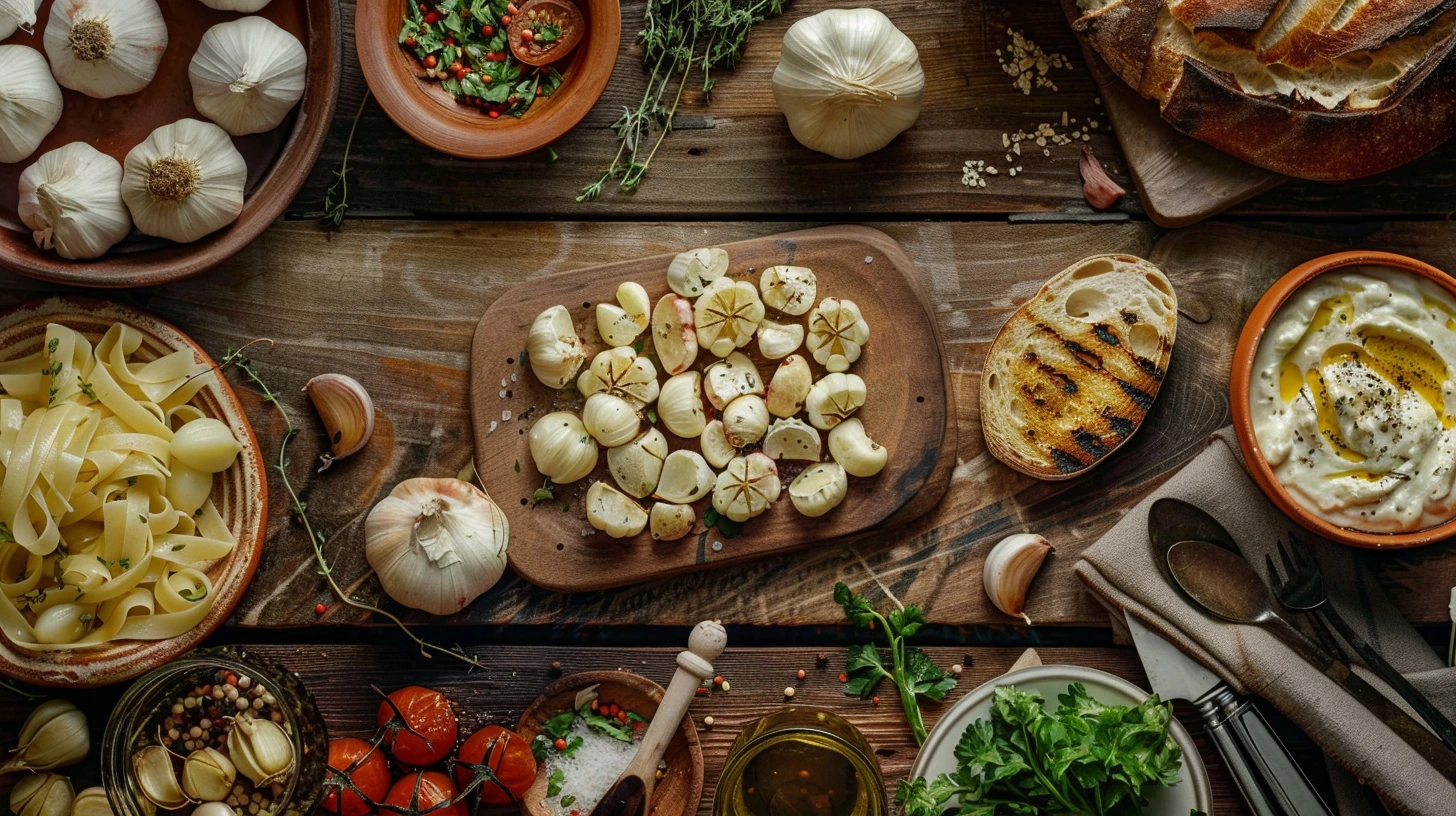
The timeline below follows those changes through time and connects them to dishes that could only exist because these worlds met. It moves from Indigenous agriculture through conquest and slavery to Italian and Chinese migration, showing how foods such as asado, feijoada, gnocchi traditions and lomo saltado became local expressions of global history.