The Silk Road was never only about silk. It carried pepper, cinnamon, cardamom, cloves, saffron, cumin, sesame, tea, rice, wheat, dried fruit and ideas about how food could taste.
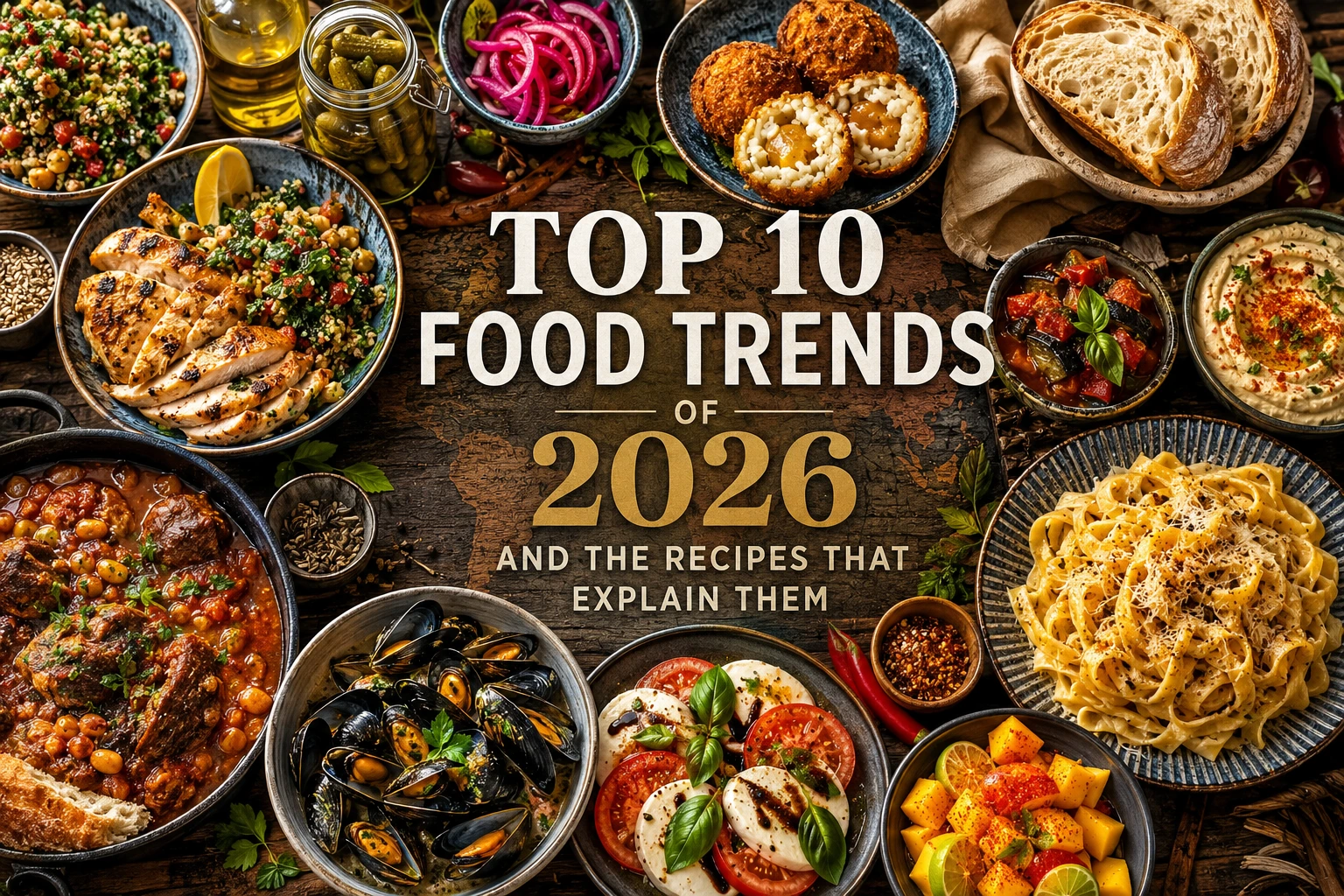
This article is part of our 2026 food trends series. Start with the full guide: Top 10 Food Trends of 2026 and the Recipes That Explain Them.
Why the Silk Road still matters to dinner
Modern food culture loves global flavour, but global flavour is not new. Long before restaurants talked about fusion, traders, travellers, cooks and merchants were moving ingredients across Asia, the Middle East, North Africa and Europe. The result was not one single cuisine. It was a series of local cuisines changed by contact.
That is why the Silk Road is such a powerful way to understand food. A spice jar in a kitchen is a map. Black pepper points towards India and trade. Cinnamon and cloves point towards ocean routes. Saffron points towards fields, labour and luxury. Sesame points towards bread, sweets and oil. Rice points towards farming, migration and adaptation.
India shows why spices became beloved
Indian food is loved around the world because spice is not used as decoration. It is structure. Cumin, coriander, turmeric, chilli, cardamom, cloves, cinnamon, mustard seed and fenugreek do different jobs. Some warm. Some perfume. Some add bitterness. Some add colour. Some make fat taste deeper.
Samosa is a brilliant example because it travels well as an idea: pastry, filling, spice and portability. Dal Makhani shows the slower side, where pulses, butter and spice become comfort. Goan Fish Curry tells a coastal story through fish, coconut and spice.
Turkey, Persia and the bridge between worlds
The lands between East and West became food bridges. Turkish food carries soups, breads, grilled meats, yoghurt, pulses, rice and pastry. Mercimek Çorbası shows how red lentils, lemon, mint and chilli butter can become a simple but powerful bowl. Persian influence appears in the wider love of rice, herbs, saffron, dried fruit and sweet-sour balance.
These food cultures matter because they prove trade does not erase identity. It gives local cooks new tools. The same spice can become a different dish depending on the grain, fat, climate, religion, market and household using it.
Italy, France and the European end of the story
Europe did not simply receive spices. It absorbed them into its own habits. Italy developed rice dishes, breads, pastas and sweets shaped by trade and regional agriculture. Arancini di Riso tells a rice story. Focaccia tells a wheat, oil and salt story. Panzanella shows how bread and vegetables became thrift and freshness together.
French regional cooking also reflects movement. Poulet Basquaise uses peppers and tomatoes, ingredients that entered European cooking through wider global exchange. Food history is never still. Even the dishes that feel most local often carry the trace of travel.
Zanzibar and the ocean spice route
The Silk Road story is not only over land. The Indian Ocean carried spices, rice, coconut, people and cooking ideas into East Africa. Zanzibar became famous for cloves, but the more interesting story is how spice entered everyday sweets and street food.
Mandazi, Vitumbua and Halua ya Zanzibar show how rice, coconut, cardamom, sugar and frying became part of a coastal food identity.
A collection of recipes connected by movement
- Samosa for spice, pastry and portability.
- Dal Makhani for lentils transformed by slow cooking and spice.
- Goan Fish Curry for coastal spice and coconut.
- Mercimek Çorbası for lentils, lemon and Turkish comfort.
- Arancini di Riso for rice culture in Sicily.
- Focaccia for wheat, olive oil and regional identity.
- Mandazi for East African street food shaped by spice routes.
- Halua ya Zanzibar for sweetness, spice and celebration.
Interesting facts behind the Silk Road food story
- Spices were once luxury goods. Their value came from distance, labour, rarity and preservation power.
- Trade changed ordinary food. Ingredients that began as rare eventually entered everyday cooking.
- Rice travelled through adaptation. It became biryani, pilaf, risotto, arancini and countless local dishes.
- The Indian Ocean was as important as land routes. Coastal East Africa shows the food impact of maritime trade.
- Global flavour is older than modern fusion. Many traditional dishes are already the result of centuries of exchange.
What to cook first
Cook Samosa to understand spice in a portable form, Dal Makhani to understand slow comfort, and Halua ya Zanzibar to taste the sweet side of ocean trade. The Silk Road still matters because it reminds us that food has always travelled before it became tradition.