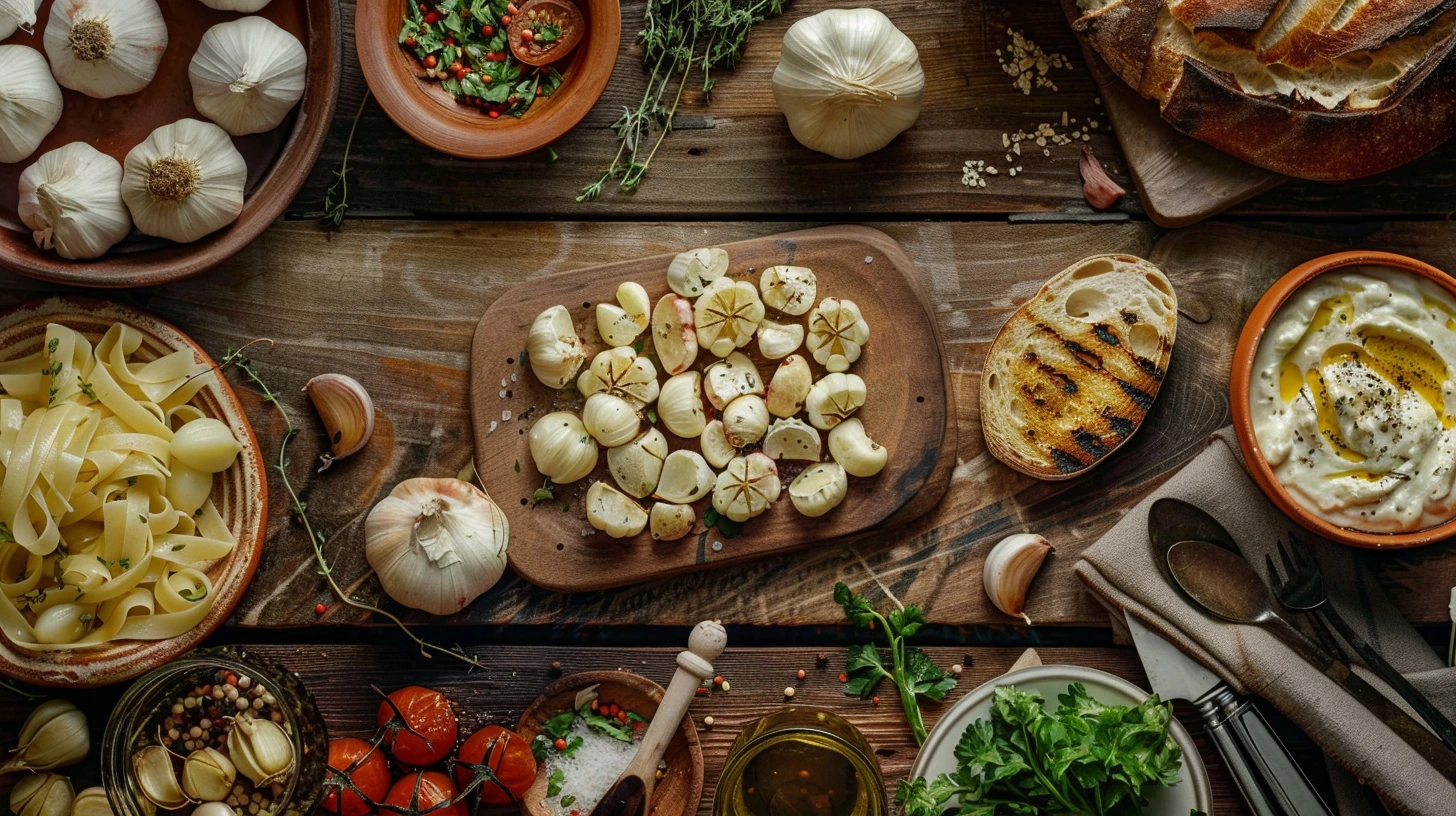
Italian starters prove simplicity can be spectacular when tomatoes taste of sun, bread is good and olive oil does half the work.
Why antipasti are about appetite, not excess
Antipasti are not a warm-up act. They are a way of showing the season quickly: tomato, basil, seafood, cured meat, fried rice or preserved vegetables.
Look closely and the history is usually practical. People needed food that could survive winter, feed workers, stretch expensive ingredients, travel from a market, or turn a local crop into something worth celebrating. That practical beginning is what gives traditional food its staying power.
Bread, tomatoes, cured meat and seafood
The most interesting version of this story is never abstract. It lives in actual dishes: Bruschetta, Arancini di Riso, Caponata Siciliana, Caprese Salad, Carpaccio, Suppli al Telefono. Each one shows a different answer to the same question: what did this place have, what did people need, and how did cooks make it delicious?
Wine, bread and cheese can make the theme feel complete rather than bolted on. Crisp whites and sparkling wines lift fried or seafood dishes. Medium reds work with tomato, lamb, beef and paprika. Rich whites suit cream, butter and roast poultry. Bread matters whenever there is sauce to chase around the plate, and cheese can either lead the dish or finish it with salt and depth.
Regional starters with a sense of place
- Bruschetta: Bruschetta is a story-rich Italian starter that opens the meal with clear regional flavour, simple presentation and a strong sense of place.
- Arancini di Riso: Sicilian arancini are crisp fried rice balls filled with ragù, peas and mozzarella.
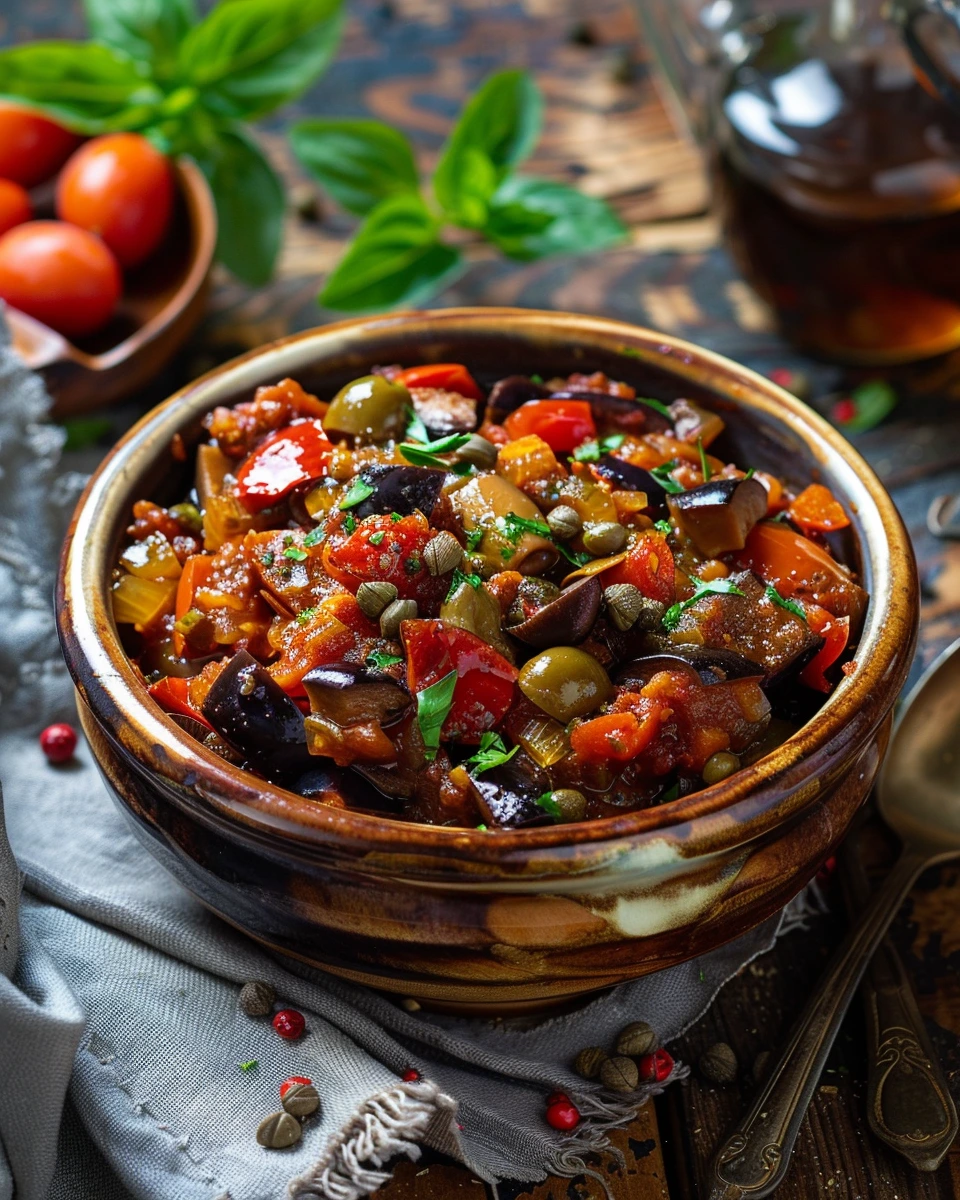
- Caponata Siciliana: Caponata is Sicily’s sweet-sour aubergine relish with celery, tomato, olives and capers.
- Caprese Salad: Caprese Salad is a story-rich Italian starter that opens the meal with clear regional flavour, simple presentation and a strong sense of place.
- Carpaccio: Carpaccio is a story-rich Italian starter that opens the meal with clear regional flavour, simple presentation and a strong sense of place.
- Suppli al Telefono: Roman supplì are tomato rice croquettes with a melting mozzarella centre that stretches like a telephone wire.
- Insalata di Mare: Italian seafood salad with octopus, prawns, squid, celery, parsley, lemon and olive oil.
- Vitello Tonnato: Vitello tonnato is chilled poached veal with a silky tuna, anchovy, caper and lemon sauce.
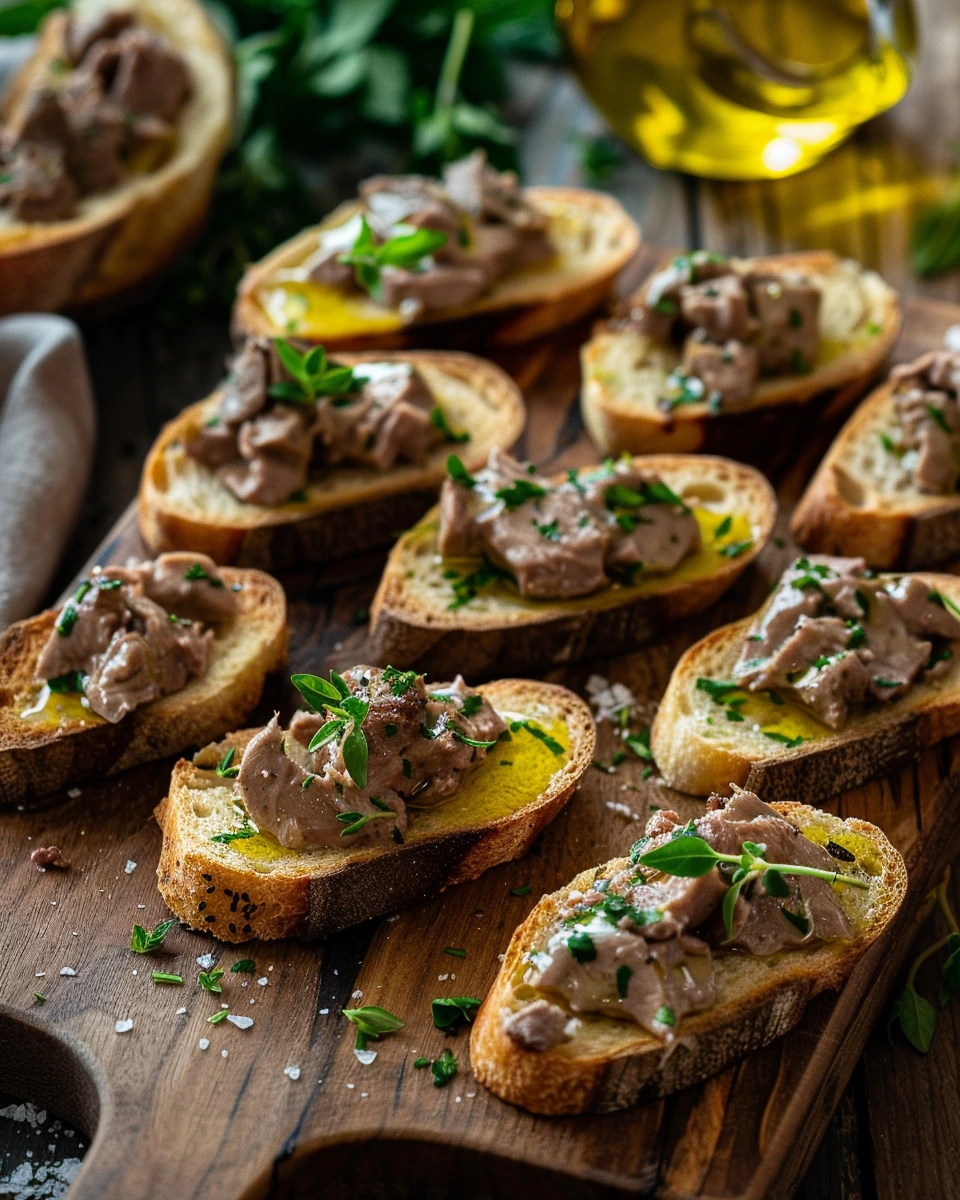
- Crostini Toscani: Crostini Toscani are rustic Tuscan toasts topped with a savoury chicken liver, caper and anchovy spread.
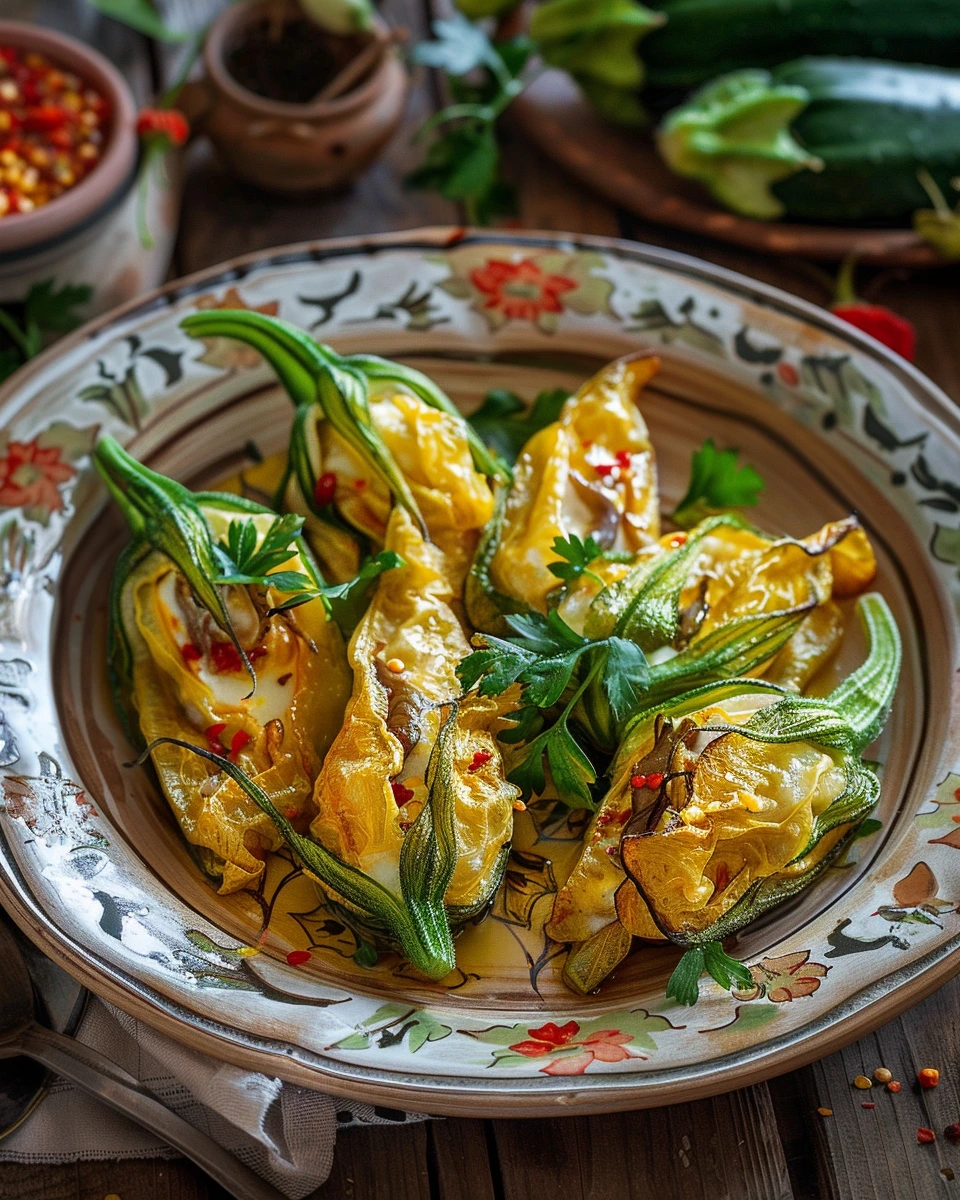
- Fiori di Zucca Ripieni: Stuffed courgette flowers with mozzarella and anchovy, dipped in batter and fried until crisp.
Start an Italian meal properly
Why not build the meal around a mood? For comfort, start with Bruschetta, Arancini di Riso, Caponata Siciliana. For a table that feels more social, bring in Caprese Salad, Carpaccio, Suppli al Telefono. If you want something lighter, look for the dishes with herbs, seafood, yoghurt, tomato or lemon. If you want a weekend project, choose the slow-cooked, layered or pastry-based recipes and make the process part of the pleasure.
A good bottle helps, but it should serve the food. For fried dishes, choose bubbles or a sharp white. For tomato and lamb, try a juicy red. For creamy cheese or butter sauces, go for a white with enough acidity. If bread is on the table, make it useful: focaccia for olive oil, baguette for sauces, flatbread for grilled meat, and crusty country bread for soups and stews.
The point is not to cook everything at once. Pick one dish that sounds irresistible, then build around it. Add a bread, pour a wine that makes sense, put something sharp or fresh on the side, and let the story become dinner.