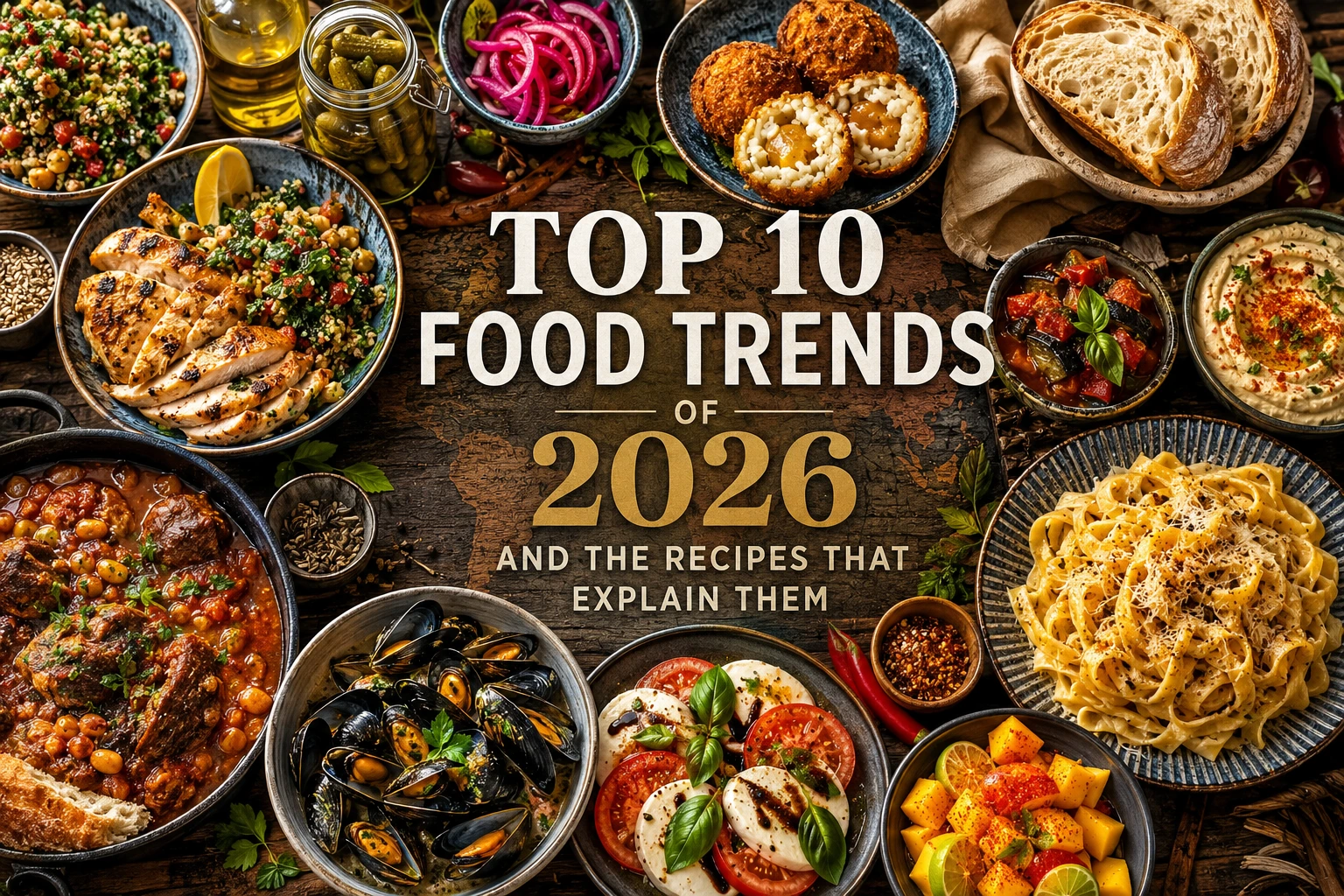
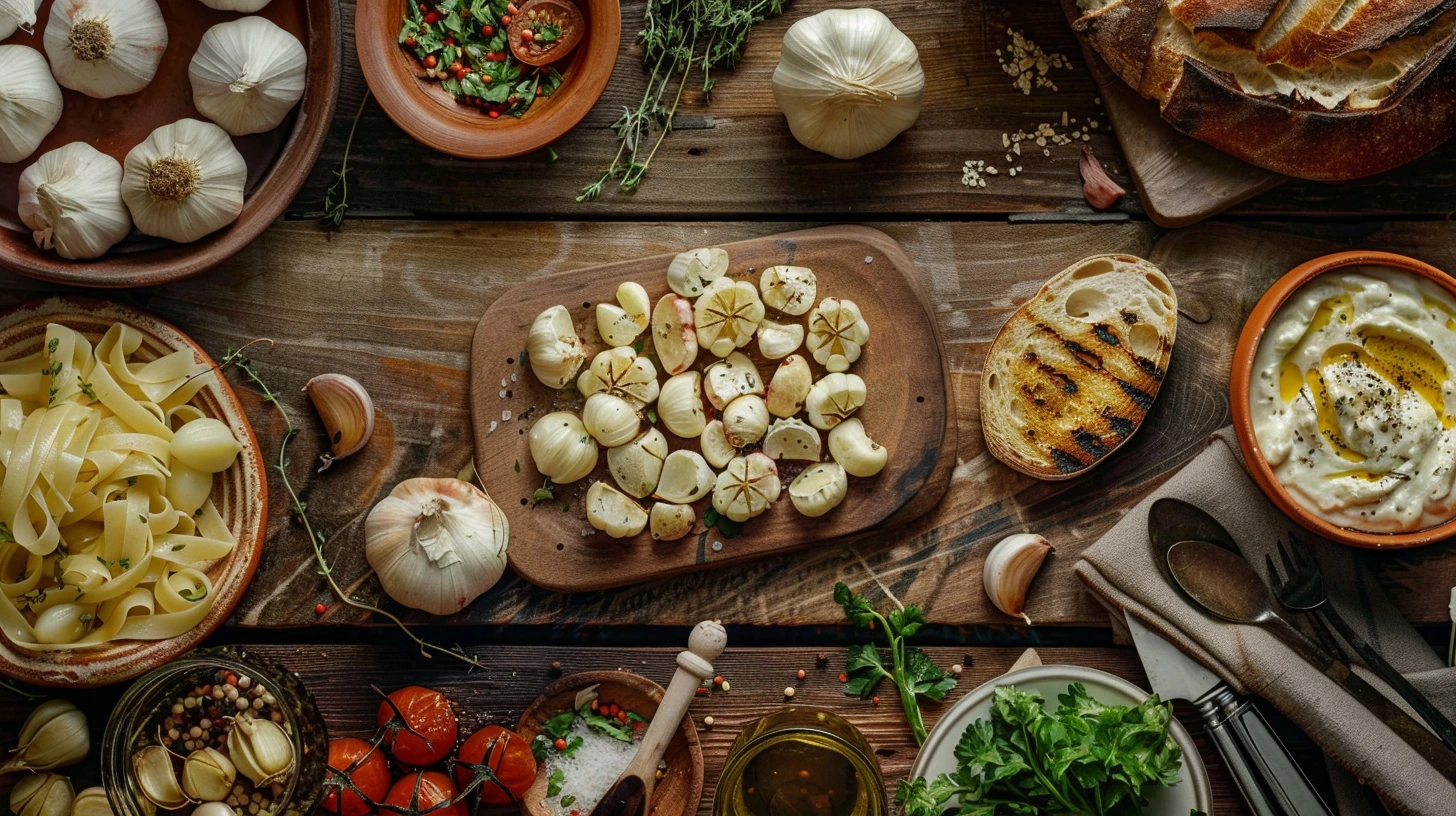
Fibre is having a comeback in 2026, but it should never feel like a clinical health lecture. The best fibre-rich food is not a supplement. It is a tomato salad with bread, a pot of lentils, a vegetable stew, a chickpea soup, a bowl of beans, a country loaf, a plate of herbs and olive oil.
This article is part of our 2026 food trends series. Start with the full guide: Top 10 Food Trends of 2026 and the Recipes That Explain Them.
Why fibre is becoming the new food headline
For years, protein has carried the loudest health message. Fibre is now rising because it speaks to a different kind of eating: gut health, fullness, steadier energy and food that feels closer to ingredients people recognise. It also suits the way people want to cook at home. A dish can be fibre-rich without feeling like diet food if it is built around vegetables, grains, pulses and bread with real flavour.
The most useful thing about fibre is that it brings structure to a meal. Beans make a stew more filling. Bread turns a salad into lunch. Lentils make soup feel complete. Vegetables bring colour and volume. Herbs and acidity keep it bright. In other words, fibre helps food feel abundant.
Mediterranean cooking was already doing it
Italy is one of the clearest examples. The freshness of Italian food is not only about being light. It comes from how ingredients are allowed to taste of themselves: ripe tomatoes, basil, olive oil, bitter leaves, courgettes, aubergines, beans, bread and lemon. The food feels fresh because it is built around contrast. Tomato brings sweetness and acidity. Basil brings perfume. Olive oil brings roundness. Bread brings chew. Salad brings coolness. Herbs give lift.
Panzanella is the perfect fibre trend recipe because it began with thrift. Stale bread, tomatoes, cucumber, onion, vinegar and olive oil become something better than the sum of their parts. It is not pretending to be healthy. It is delicious first, and the health logic comes naturally.
Bruschetta works the same way. Good bread, tomato, garlic, basil and olive oil are simple, but they make freshness feel generous. Caprese Salad is even more direct: tomato, mozzarella and basil. Its power comes from ripeness, temperature and restraint.
Vegetable dishes can be comfort food
Fibre-rich food fails when it is treated as a side issue. The more powerful story is that vegetables can carry the meal. Ratatouille proves it. Aubergine, courgette, peppers and tomatoes become soft, fragrant and comforting. It is a vegetable dish with the emotional shape of a stew.
Moroccan and North African cooking also show how fibre-rich ingredients become memorable through spice. Harira uses lentils and chickpeas with tomato, herbs and warm spices. Taktouka turns peppers and tomatoes into a smoky, scoopable salad. Egyptian food has a similar wisdom with fava beans, lentils, bread and herbs at the centre of everyday cooking.
The lesson is simple: fibre becomes exciting when it is seasoned properly. Garlic, cumin, coriander, lemon, vinegar, chilli, olive oil and herbs turn fibre-rich ingredients into food people crave.
Bread belongs in the fibre conversation
Bread is often treated unfairly in modern food conversations. Traditional bread is not just filler. It is a tool. It carries olive oil, catches sauce, stretches a meal and makes vegetables more satisfying. A table with vegetables and bread feels complete in a way a plain salad rarely does.
Focaccia gives Italian freshness a soft, salty base. Baguette is essential beside soups, cheese and stews. Pain Poilâne brings the deeper flavour of a country loaf. These are not background items. They are part of how people actually eat.
A collection of recipes that make fibre feel generous
- Panzanella turns bread and tomatoes into a salad with body.
- Bruschetta makes freshness feel immediate through tomato, garlic, basil and olive oil.
- Caprese Salad shows how ripe ingredients can carry a whole plate.
- Ratatouille proves vegetables can be warming, soft and comforting.
- Harira brings lentils, chickpeas, tomato and herbs into one restorative bowl.
- Taktouka gives peppers and tomatoes smoke, spice and depth.
- Focaccia makes bread part of the meal rather than an afterthought.
- Dal Makhani shows how pulses can be rich, slow and satisfying.
Interesting facts behind the fibre trend
- Fibre is linked to fullness. That makes it especially relevant as people look for smaller but more satisfying meals.
- Gut health has made fibre easier to talk about. It now sounds like wellbeing rather than restriction.
- Traditional peasant dishes are often naturally fibre-rich. Bread, beans, lentils, vegetables and grains were practical before they were fashionable.
- Acidity helps fibre-rich food taste alive. Vinegar, lemon and tomato stop beans, bread and vegetables feeling heavy.
- Mediterranean freshness is built from ingredients, not decoration. Tomatoes, herbs, olive oil, bread and salad create colour, aroma and balance.
What to cook first
Start with Panzanella if you want fibre to feel fresh and summery. Cook Ratatouille if you want vegetables to feel like comfort food. Try Harira if you want a bowl that brings pulses, spice and warmth together. The fibre comeback matters because it shows healthy food does not have to be less generous. It can be more colourful, more textured and more rooted in real cooking.