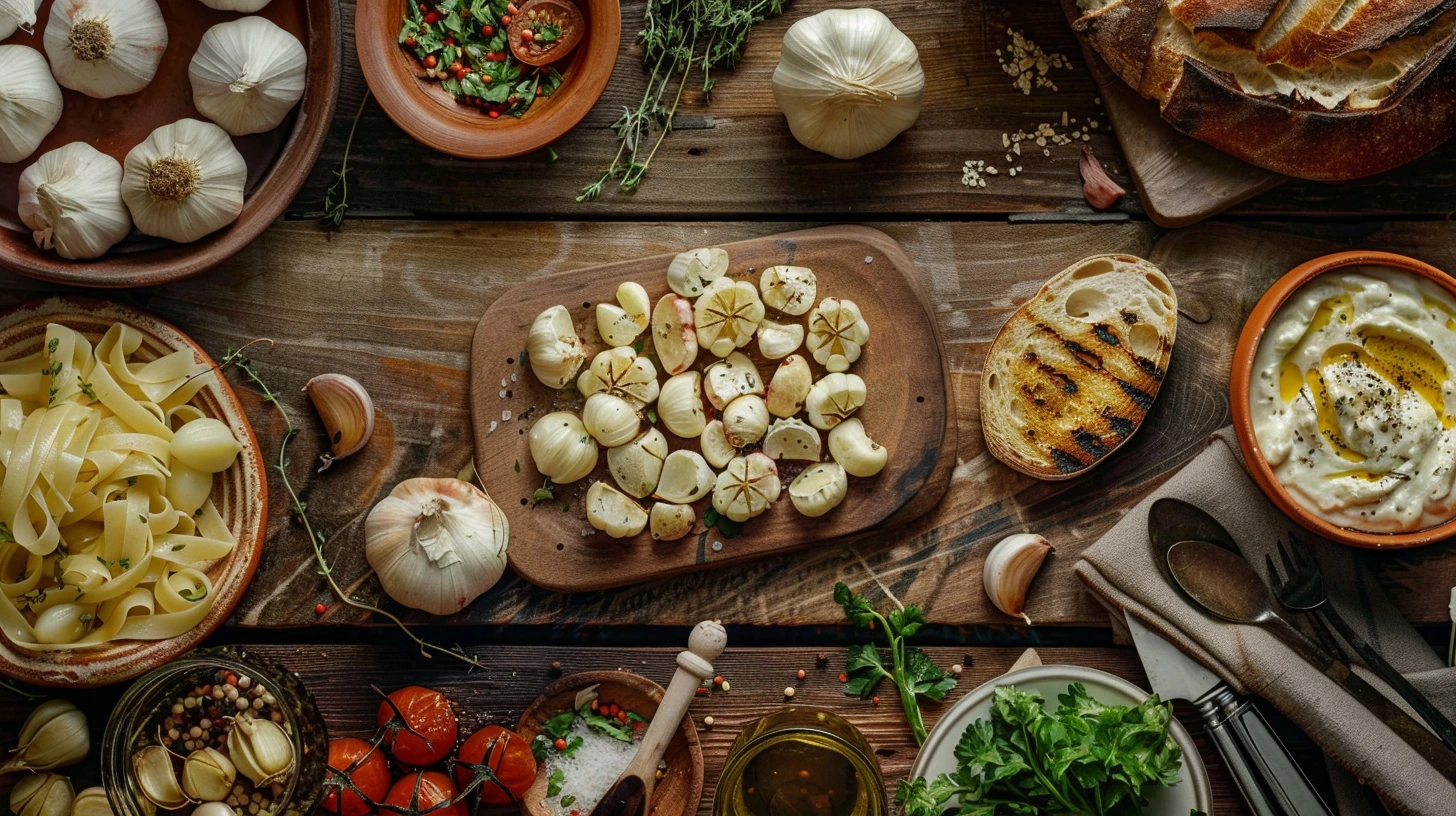
Rustic food became cool when chefs stopped hiding its rough edges. Slow pots, old grains, offcuts, farmhouse bread and preserved foods suddenly looked honest again.
Why farmhouse food returned to fashion
Rustic food returned to fashion because it looked truthful: slow, local, seasonal and less polished than hotel dining.
Look closely and the history is usually practical. People needed food that could survive winter, feed workers, stretch expensive ingredients, travel from a market, or turn a local crop into something worth celebrating. That practical beginning is what gives traditional food its staying power.
The beauty of cheap cuts and patient cooking
The most interesting version of this story is never abstract. It lives in actual dishes: Pain Poilâne, Boeuf Bourguignon, Cassoulet, Sauerbraten, Pörkölt, Feijoada. Each one shows a different answer to the same question: what did this place have, what did people need, and how did cooks make it delicious?
Wine, bread and cheese can make the theme feel complete rather than bolted on. Crisp whites and sparkling wines lift fried or seafood dishes. Medium reds work with tomato, lamb, beef and paprika. Rich whites suit cream, butter and roast poultry. Bread matters whenever there is sauce to chase around the plate, and cheese can either lead the dish or finish it with salt and depth.
When peasant dishes become restaurant dishes
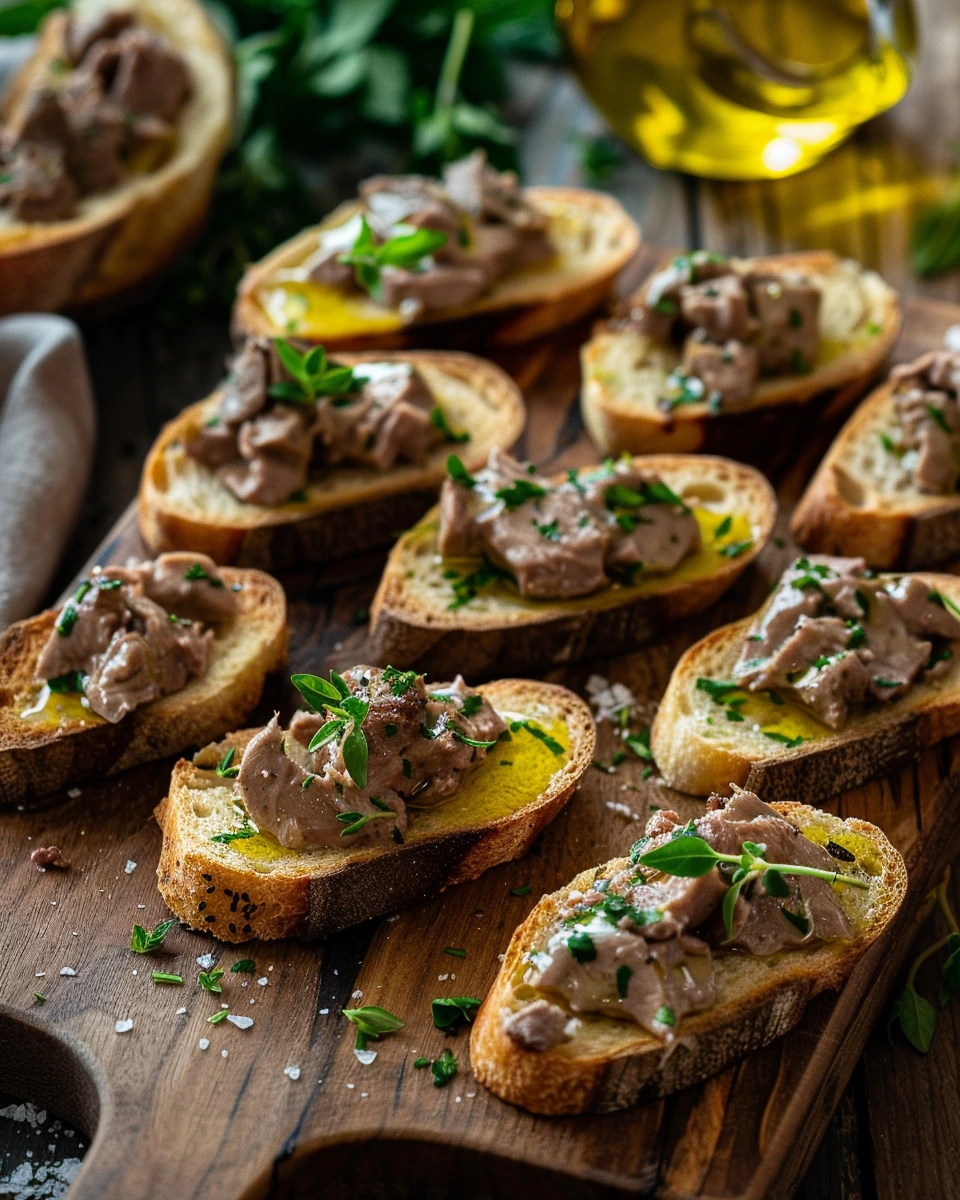
- Pain Poilâne: Pain Poilâne is a story-rich French starter that opens the meal with clear regional flavour, simple presentation and a strong sense of place.
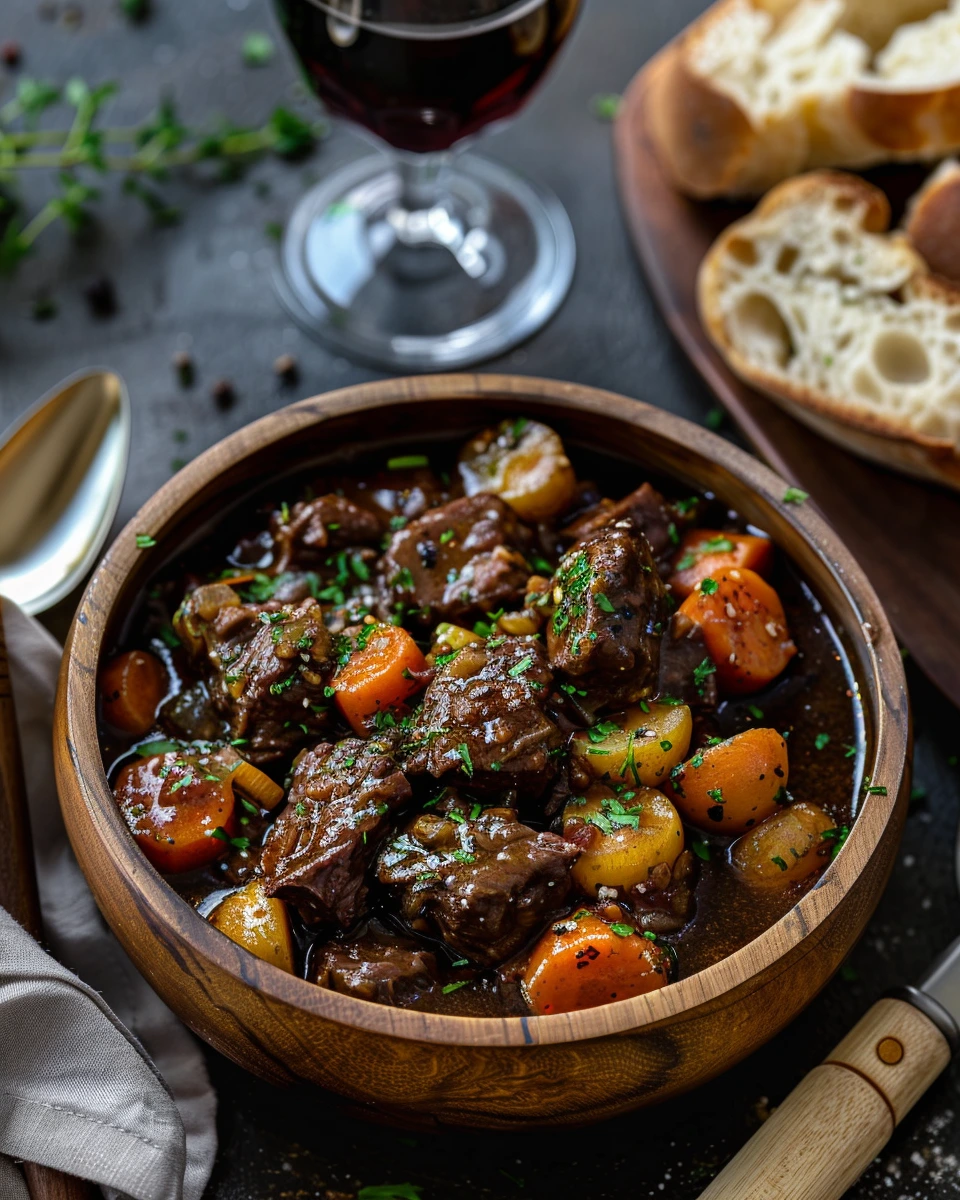
- Boeuf Bourguignon: Boeuf Bourguignon is a classic French main course built around comforting flavour, cultural heritage and the kind of cooking that makes a meal feel memorable.
- Cassoulet: Cassoulet is a classic French main course built around comforting flavour, cultural heritage and the kind of cooking that makes a meal feel memorable.
- Sauerbraten: Sauerbraten is a classic German main course built around comforting flavour, cultural heritage and the kind of cooking that makes a meal feel memorable.
- Pörkölt: Pörkölt is a classic Hungarian main course built around comforting flavour, cultural heritage and the kind of cooking that makes a meal feel memorable.
- Feijoada: Brazil’s iconic black bean stew with pork, sausage, orange, farofa, rice and greens.
- Panzanella: Panzanella is a story-rich Italian starter that opens the meal with clear regional flavour, simple presentation and a strong sense of place.
- Gulyásleves: Gulyásleves is a classic Hungarian main course built around comforting flavour, cultural heritage and the kind of cooking that makes a meal feel memorable.
- Ribollita: Ribollita is an authentic Italian main from Tuscany, prepared with careful traditional technique and exact, practical measures.
- Pasta e Fagioli: Pasta e Fagioli is an authentic Italian main from Veneto and Central Italy, prepared with careful traditional technique and exact, practical measures.
Cook the rustic classics
Why not build the meal around a mood? For comfort, start with Pain Poilâne, Boeuf Bourguignon, Cassoulet. For a table that feels more social, bring in Sauerbraten, Pörkölt, Feijoada. If you want something lighter, look for the dishes with herbs, seafood, yoghurt, tomato or lemon. If you want a weekend project, choose the slow-cooked, layered or pastry-based recipes and make the process part of the pleasure.
A good bottle helps, but it should serve the food. For fried dishes, choose bubbles or a sharp white. For tomato and lamb, try a juicy red. For creamy cheese or butter sauces, go for a white with enough acidity. If bread is on the table, make it useful: focaccia for olive oil, baguette for sauces, flatbread for grilled meat, and crusty country bread for soups and stews.
The point is not to cook everything at once. Pick one dish that sounds irresistible, then build around it. Add a bread, pour a wine that makes sense, put something sharp or fresh on the side, and let the story become dinner.